
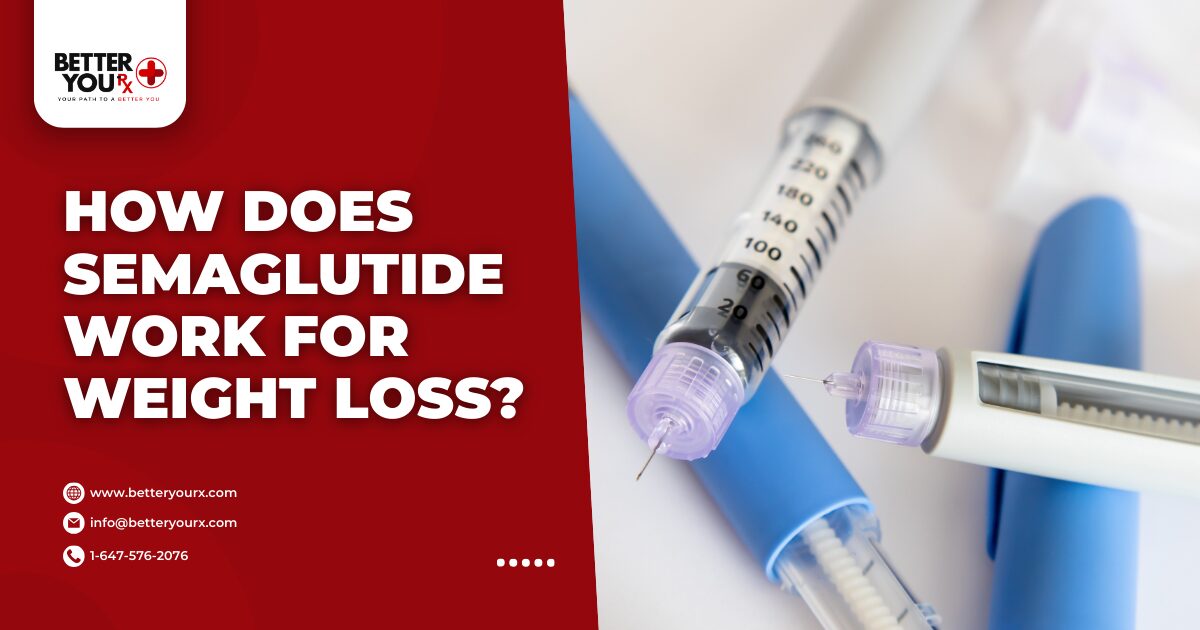
Semaglutide is one of the medicines that has changed how clinicians and people think about long-term weight care. It acts on hormones that normally help the body manage hunger, fullness, and how food is processed. For many people, adding a medicine like Semaglutide makes it easier to eat less, feel satisfied on smaller portions, and lose weight that was otherwise hard to lose.
Knowing how Semaglutide works helps people make better choices while taking it. Clear information about the actions, realistic expectations, what to avoid, and how to pair the medicine with safe lifestyle steps makes treatment safer and more effective for each person.

How Does Semaglutide Help With Weight Loss?

Semaglutide works mainly by acting on receptors for a gut hormone called GLP-1. Those receptors sit in the brain, the gut, and other organs. When Semaglutide binds to those receptors, it changes hunger signals and how the body handles food. The result is usually a lower appetite, greater sense of fullness after meals, and slower movement of food out of the stomach. All of these effects lower daily calorie intake without the same level of constant hunger that people often feel when they diet.
Beyond appetite, Semaglutide influences reward circuits in the brain. Many people who take it report that high-calorie foods, sweets, and greasy snacks are less tempting. This shift in food preference is important because a big part of weight gain for many people is repetitive, reward-driven eating rather than simple lack of willpower. Semaglutide reduces that drive and makes behavior change more durable.
Slower gastric emptying is another way Semaglutide helps. When food leaves the stomach more slowly, meals feel satisfying for longer. That reduces snacking and lowers the total calories eaten across the day. However, slower stomach emptying can also cause temporary side effects like fullness, bloating, or mild nausea while the body adjusts. Over time, many people find those effects fade as their digestive system adapts.
Semaglutide also improves metabolic handling of nutrients. It helps insulin release when blood sugar rises and lowers the secretions that raise sugar when they are not needed. These changes support more stable blood sugar and less hunger triggered by blood sugar dips. People with or without diabetes often notice steadier energy between meals and fewer sugar cravings. Altogether, the combined effects on appetite, food reward, digestion, and metabolic signals explain how Semaglutide works for weight management.
What Not To Do On Semaglutide?

Using Semaglutide safely means avoiding a set of actions that increase risk or reduce benefit. The following points are practical “do not” rules to keep treatment safe and effective.
Avoid Ignoring Pregnancy Plans
If you are pregnant, planning to become pregnant, or breastfeeding, do not use Semaglutide without discussing it with your clinician. The medicine stays in the body for weeks and decisions about timing around pregnancy must be planned with a prescriber.
Avoid Combining With Other Medicines Without Guidance
Do not mix Semaglutide with other prescription weight medicines or unregulated supplements without medical advice. Doing so can raise the risk of side effects and unpredictable interactions.
Avoid Crash Dieting
Extreme calorie cuts may seem like a shortcut but can worsen side effects, slow metabolism, and make long-term weight maintenance harder. Balanced eating works better with Semaglutide.
Avoid Ignoring Side Effects
Severe abdominal pain, persistent vomiting, or sudden health changes must not be ignored. Quick medical attention keeps treatment safe.
Avoid Dose Changes Without Medical Supervision
Skipping doses, doubling doses, or stopping suddenly can disrupt progress and raise risks. Always follow a provider’s plan.
How To Speed Up Weight Loss On Semaglutide?

While Semaglutide works on appetite and metabolism, lifestyle steps make results stronger and more sustainable.
Eat Balanced Meals
Prioritize protein, fiber, and healthy fats at each meal. They support fullness and muscle health while lowering cravings.
Exercise Regularly
Strength training preserves muscle during weight loss. Cardio improves calorie burn and cardiovascular fitness. Together, they enhance the effects of Semaglutide.
Track Progress
Meal tracking, symptom journals, and structured plans help keep intake in check. These habits make it easier to stay consistent.
Improve Sleep And Manage Stress
Poor sleep and high stress make cravings stronger. Better rest and stress relief prevent setbacks.
Manage Side Effects Early
Nausea and constipation are common. Addressing them promptly allows treatment to continue. Some people experience Wegovy nausea at night or Wegovy nausea in the morning, and adjusting eating schedules can help. Options like ginger tea or hydration provide Wegovy nausea relief. For some, speaking with a doctor about supportive medicines is helpful when managing Wegovy and nausea during the early treatment phase.
How Does Semaglutide Work For Diabetes?

Semaglutide was originally developed to help regulate blood sugar in people with type 2 diabetes. It supports insulin release when blood sugar rises and lowers excess glucagon production, helping reduce sugar spikes after meals.
A major benefit is that its insulin effect is glucose-dependent, lowering the risk of hypoglycemia compared to older drugs. However, when combined with insulin or sulfonylureas, monitoring is essential to avoid low blood sugar.
Semaglutide not only improves numbers on blood sugar tests but also reduces cravings caused by sugar swings. Many people feel more stable energy, fewer headaches from blood sugar drops, and less urge for quick snacks.
By improving glucose management while reducing weight, Semaglutide supports long-term metabolic health in people with type 2 diabetes.
How Does Semaglutide Work For Weight Loss In Non Diabetics?
Semaglutide’s benefits extend beyond diabetes. In non-diabetic individuals, it works through appetite control, delayed gastric emptying, and altered food reward. The lack of blood sugar swings does not change its effectiveness for weight loss.
Non-diabetic individuals often experience significant reductions in cravings, particularly for calorie-dense or sweet foods. This shift makes it easier to stick with balanced meals.
Clinical studies show non-diabetics on Semaglutide often lose a higher percentage of weight compared to those with diabetes. This is because the medicine focuses solely on weight pathways rather than needing to balance blood sugar management at the same time.
The key to success in non-diabetic users is long-term planning. Once the medication is stopped, without strong lifestyle supports, weight regain may occur. Healthy eating, regular exercise, and behavior strategies are critical for maintenance.
Does Semaglutide Work For Everyone?
Semaglutide helps many people but results vary. Genetics, lifestyle, hormone status, and medical conditions all influence how someone responds.
Some people achieve large and steady weight loss, while others see more modest changes. How strictly someone follows nutrition and activity recommendations often makes a big difference.
Tolerance is another factor. People who cannot manage nausea, stomach discomfort, or other side effects may struggle to continue treatment. Close medical support improves chances of long-term success.
It is also important to know that Semaglutide is not suitable for everyone. People with certain thyroid conditions, pancreatitis, or pregnancy must avoid it. A healthcare provider’s assessment ensures safe and effective use.
Final Thoughts
Semaglutide works by targeting hormones that regulate appetite, fullness, and metabolism. For many, it lowers hunger, shifts food preferences, slows digestion, and supports healthier eating habits that lead to weight loss. Results are strongest when paired with consistent lifestyle changes.
If you are thinking about this treatment, you can buy Ozempic online from Canada through Better you Rx. Always coordinate with your healthcare provider for the right dose, monitoring, and side-effect management. Having professional guidance ensures safe use and better long-term results. Making informed decisions, rather than quick fixes, gives you the best chance of success with this type of therapy.