How Much Does Saxenda Cost without Insurance in 2025?

Many individuals struggle with managing weight despite consistent diet and exercise. For some, lifestyle changes alone may not provide the results needed for long-term health improvements. Medications such as Saxenda offer additional support by helping control appetite and promoting healthier eating habits, making weight management more achievable.

It has become a popular option for adults aiming to manage obesity or excess weight associated with other health conditions. Its use can complement lifestyle changes by encouraging better portion control, reducing cravings, and improving overall metabolic health. Patients using it often find it easier to adhere to a structured weight management plan while maintaining steady progress toward their goals.


How Saxenda Works for Weight Loss

It is a prescription medication that helps patients manage weight by supporting appetite control and reducing overall calorie intake. Its active ingredient is Liraglutide, a GLP-1 receptor agonist that mimics a hormone naturally produced in the body to regulate hunger and fullness.

Appetite Control

One of the primary ways the medication supports weight loss is by reducing appetite. Patients often feel full sooner during meals, which helps limit calorie consumption without the need for extreme dieting. This effect encourages healthier eating habits and portion control over time.

Slowing Digestion

It slows down the emptying of the stomach, which prolongs feelings of fullness after meals. By extending satiety, patients are less likely to snack between meals or overeat, which can significantly contribute to gradual, sustainable weight loss.

Supporting Blood Sugar Management

While it is primarily prescribed for weight management, it also helps stabilize blood sugar levels. This can be especially beneficial for individuals with insulin resistance or type 2 diabetes, as more stable blood sugar levels can reduce cravings and prevent overeating.

Behavioral Benefits

It assists patients in building healthier eating behaviors. By regulating hunger hormones, it supports a more structured eating pattern and reduces the urge for high-calorie, unhealthy foods. Over time, this can make long-term Saxenda fort weight loss results more achievable and sustainable.

Integration with Lifestyle Changes

For optimal results, it is most effective when combined with a balanced diet and regular physical activity. The medication acts as a tool to support lifestyle changes, helping patients stay consistent and motivated while pursuing their weight management goals.

Saxenda’s mechanism of action makes it a reliable option for patients who struggle with appetite control and need additional support beyond diet and exercise.

These mechanisms collectively contribute to Saxenda for weight loss, making it a clinically effective option for patients who meet the criteria for prescription use.


How Often Saxenda Is Taken

It is administered as a daily subcutaneous injection, usually in the abdomen, thigh, or upper arm.

  • Starting Dose: The typical initial dose is 0.6 mg daily to help the body adjust and minimize gastrointestinal side effects. 
  • Titration Schedule: The dose is gradually increased each week until the target dose of 3 mg daily is reached, depending on tolerance and treatment goals. 
  • Consistency Matters: Taking Saxenda at the same time every day ensures steady hormone levels, maximizing effectiveness for weight loss. 
  • Injection Technique: Patients should rotate injection sites to reduce irritation and follow safe handling instructions for the pre-filled pen. 

Proper administration and adherence to the dosing schedule are essential to achieving consistent results and minimizing side effects such as nausea or stomach discomfort.

Saxenda Alternatives for Weight Management

While Saxenda is effective, some patients may consider alternatives for weight management. These options include:

  • Wegovy (Semaglutide): Another GLP-1 receptor agonist similar to Saxenda but given as a once-weekly injection. It tends to produce greater weight loss compared to Saxenda, with patients losing around 15% of body weight on average versus 5-10% for Saxenda. Wegovy works by reducing appetite and slowing gastric emptying.
  • Zepbound (Tirzepatide): A dual GIP and GLP-1 receptor agonist injectable once weekly. Zepbound may outperform Saxenda in weight loss, with studies showing up to 20% body weight reduction. It also affects insulin secretion and lipid metabolism.
  • Mounjaro (Tirzepatide): Though primarily for diabetes, it is used off-label for weight loss and shows strong appetite suppression and weight loss effects, often superior to Saxenda.
  • Contrave (Naltrexone/Bupropion): An oral non-GLP-1 medication that combines an opioid antagonist and an antidepressant to reduce appetite and cravings. It is useful especially when emotional eating is involved.
  • Qsymia (Phentermine/Topiramate): A combination of a stimulant and anticonvulsant that suppresses appetite and promotes satiety. It’s effective but may have side effects limiting its use.
  • Orlistat (Xenical, Alli): Works by blocking fat absorption in the digestive system. It is available as both prescription and over-the-counter versions.
  • Phentermine (Adipex-P): A short-term appetite suppressant stimulant taken orally, sometimes prescribed off-label for longer durations.

Natural approaches such as diet, exercise, and behavioral changes remain vital alongside or instead of medication.


What Do You Need to Qualify for Saxenda?

To qualify for Saxenda, the main criteria include:

  • Being an adult 18 years or older.
  • Having a body mass index (BMI) of 30 kg/m² or greater (obesity).
  • Or having a BMI of 27 kg/m² or greater (overweight) combined with at least one weight-related health condition such as type 2 diabetes, high blood pressure (hypertension), or high cholesterol (dyslipidemia).
  • Participation in a comprehensive weight management program involving dietary changes, increased physical activity, and behavioral modifications is generally recommended alongside Saxenda use.
  • Some pediatric patients aged 12 years and older may qualify if they have obesity with a BMI corresponding to adult obesity cut-offs and weigh more than 60 kg.

Additional conditions considered before initiating Saxenda include screening for contraindications such as personal or family history of certain cancers, pancreatitis, severe kidney or liver problems, or heart failure. Saxenda should not be used with other GLP-1 receptor agonists or liraglutide-containing products.

Coverage and ongoing use often require documentation showing at least 4% weight loss after 12 to 16 weeks of therapy, along with maintaining lifestyle interventions.

How Much Does Saxenda Cost without Insurance in 2025?

Saxenda pricing may vary depending on the source, but Canadian-sourced options often provide more affordable access compared to U.S. pharmacies. The typical price for Saxenda is as follows:

  • Saxenda 6mg/ml, 3ml, 5 Pens – $572.99 

This price can be significantly lower than many options, making searches for Saxenda cost without insurance and Liraglutide cost without insurance more common among patients seeking safe and reliable options.

Using Canadian-sourced medications through a licensed prescription referral service like Better you Rx ensures quality and compliance with U.S. prescription requirements while providing cost savings for personal use.


How to Buy Saxenda from Canada

Buying Saxenda from Canada can provide patients with access to more affordable pricing while ensuring the medication comes from a licensed and reliable source. It is important to follow safe and legal procedures to maintain proper use and compliance with U.S. prescription regulations.

Use a Licensed Prescription Referral Service

One of the safest ways to buy Saxenda from Canada is through a prescription referral service. Services like Better you Rx work with contracted, licensed pharmacy departments to fill prescriptions. They ensure that the medications meet quality standards and are sourced safely.

Ensure Prescription Requirements Are Met

To purchase Saxenda from Canada, a prescription must be:

  • Written in English 
  • Issued by a licensed U.S. primary care physician or medical doctor 
  • Intended for personal use only 

Prescriptions that do not meet these requirements cannot be processed. This ensures both safety and compliance with legal regulations.

Shipping and Delivery

Medications ordered through Canadian referral services are shipped directly to the patient’s U.S. residence. Some important points include:

  • Shipping to Canada, medical clinics, hospitals, or doctor’s offices is not permitted 
  • The maximum supply shipped at one time is typically 90 days, based on the prescription 
  • Delivery generally takes 7–10 business days from the date the medication is shipped

By following these steps, patients can access cheap Saxenda online safely and conveniently without compromising quality.

Do Doctors Prescribe Saxenda for Weight Loss?

Yes, Saxenda is commonly prescribed for weight management in patients meeting the criteria discussed above. Physicians consider several factors when prescribing:

  • Medical History: Assessment of chronic conditions such as diabetes, hypertension, or heart disease. 
  • Weight Management Goals: Saxenda is prescribed for patients struggling to achieve weight loss through lifestyle changes alone. 
  • Safety and Tolerance: Doctors monitor for potential side effects such as nausea, vomiting, or gastrointestinal discomfort and adjust dosing accordingly. 
  • Combined Approach: Prescribing Saxenda is often part of a broader plan that includes diet, exercise, and regular monitoring of progress.

It can be an effective tool for long-term weight management when used under medical supervision.

Final Thoughts

It provides an effective solution for individuals seeking assistance with weight management, offering clinically proven benefits in appetite control and weight reduction. Understanding dosage, administration, qualification criteria, and pricing is crucial for patients aiming to access this medication safely.

If you are considering Saxenda for personal use, buy cheap Saxenda online without insurance from Canada through Better you Rx. Our friendly team can help guide you through the process and provide information on Saxenda coupon 2025 to make treatment more affordable. Combining safe medication access with a consistent lifestyle plan supports long-term success in weight management and overall health.


 

What Is Ozempic And How Does It Work?

Ozempic is a prescription medication that has become widely discussed in recent years, especially among people who are managing type 2 diabetes or seeking help with weight management. Many individuals are curious about how this treatment works, what benefits it may provide, and what side effects should be expected. It is important to look at the details in a clear and complete way so that people can make informed decisions with the guidance of their healthcare provider.

This medication has changed the way some people approach controlling blood sugar and managing weight. While Ozempic is not suitable for everyone, learning about its purpose, its mechanism in the body, and the effects it may cause helps build awareness of its role in treatment. The following sections provide an in-depth explanation of Ozempic, covering how it works, its potential benefits, common side effects, and what results people may notice over time.


What Is Ozempic?

Ozempic is the brand name for Semaglutide, a medication used to improve blood sugar control in adults with type 2 diabetes. It belongs to a class of drugs called GLP-1 receptor agonists, which are designed to mimic a natural hormone in the body. This hormone, known as glucagon-like peptide-1, plays a key role in regulating insulin release, controlling appetite, and slowing digestion.

It is given as a once-weekly injection under the skin. Unlike daily pills, this method provides steady support over time. It is often used together with a balanced diet and physical activity to help people maintain healthier blood sugar levels. Doctors may also prescribe it to people who struggle with obesity or excess weight since it has been shown to reduce appetite and support weight loss.

Unlike insulin, Ozempic does not directly replace or supply insulin to the body. Instead, it helps the pancreas release insulin more effectively when blood sugar levels rise after eating. It also reduces the amount of sugar produced by the liver. These combined effects make it a valuable option for individuals looking for better blood sugar stability.

In addition to diabetes management, Ozempic has gained attention for its role in supporting weight loss. While this is not its original purpose, many patients using the medication report significant weight reduction, which has sparked further interest among healthcare providers and patients alike.


How Does The Mechanism Of Ozempic Work?

Ozempic works by mimicking the action of the natural hormone GLP-1. After eating, the body releases GLP-1 to help regulate blood sugar levels. However, in people with type 2 diabetes, this process may not function properly, leading to high blood sugar. Ozempic acts on GLP-1 receptors, producing several important effects.

Stimulating Insulin Release

When blood sugar levels rise after meals, it stimulates the pancreas to release more insulin. This helps lower the amount of sugar in the blood and keeps levels within a healthier range.

Slowing Stomach Emptying

It slows the rate at which food leaves the stomach. This helps prevent sudden spikes in blood sugar after eating and creates a feeling of fullness for longer periods.

Reducing Glucagon Production

The liver produces a hormone called glucagon, which signals the body to release stored sugar. In type 2 diabetes, glucagon levels may be too high. Ozempic lowers glucagon production, which prevents the liver from releasing too much sugar into the bloodstream.

Affecting Brain Centers Of Appetite

Ozempic also acts on areas of the brain that control appetite. By reducing hunger and food cravings, it naturally supports eating less, which contributes to weight management.

How Does Ozempic Make You Lose Weight?

Weight loss with Ozempic is not due to one single factor but instead results from several combined effects of the medication.

First, Ozempic slows digestion. When food stays in the stomach longer, a person feels full and satisfied for more time. This leads to smaller portions and fewer calories consumed throughout the day.

Second, Ozempic reduces appetite by acting on specific parts of the brain responsible for hunger. People using this medication often find that their cravings, especially for high-calorie foods, become less strong. This helps them make healthier choices without feeling deprived.

Third, Ozempic lowers blood sugar spikes after eating. Stable blood sugar helps reduce sudden drops that may cause cravings or overeating. By keeping these levels more balanced, people are less likely to reach for extra snacks.

Finally, because weight loss is gradual and steady with the medication, many patients can sustain healthier eating habits. Studies have shown that consistent use of Ozempic for weight loss often leads to measurable results within months. This combination of effects makes it a valuable tool for people struggling with both diabetes and obesity.

Benefits Of Ozempic

Ozempic offers several benefits beyond controlling blood sugar. These advantages make it an important option for certain patients.

Better Blood Sugar Control

Ozempic helps lower blood sugar and maintain it within a healthy range. This reduces the risk of complications related to type 2 diabetes, such as nerve damage, kidney disease, and vision problems.

Weight Management Support

Many patients experience meaningful weight loss while using the medication. By decreasing appetite and slowing digestion, it helps people reduce calorie intake without feeling extreme hunger.

Lowering Risk Of Heart Problems

Research shows that Ozempic may reduce the risk of certain heart-related issues in people with type 2 diabetes and existing heart disease. Stable blood sugar and weight control play a role in improving overall cardiovascular health.

Convenient Weekly Dosing

Unlike daily medications, Ozempic is taken only once a week. This makes it easier for many people to stick to their treatment plan and achieve consistent results.

Ozempic Side Effects

It has a range of side effects that can be categorized into common, mild, and serious. The side effects mostly affect the gastrointestinal system but also include more severe and less frequent reactions.

Common Side Effects

The most frequently experienced side effects of Ozempic are gastrointestinal and usually mild to moderate, often improving after a few weeks. They include:

  • Nausea (occurs in about 15.8% to 20.3% of users at typical doses)
  • Vomiting
  • Diarrhea
  • Constipation
  • Abdominal pain or stomach cramps
  • Bloating
  • Indigestion or acid reflux
  • Burping, gas, or upset stomach
  • Loss of appetite
  • Fatigue or low energy
  • Dizziness and headache
  • Injection site reactions such as redness or skin color changes

Serious Side Effects

Though less common, Ozempic can cause serious side effects requiring immediate medical attention, including:

  • Pancreatitis (inflammation of the pancreas), signaled by severe stomach pain often spreading to the back, nausea, and vomiting
  • Severe allergic reactions, such as swelling of the face, lips, throat, difficulty breathing, rash, or itching
  • Hypoglycemia (dangerously low blood sugar), especially when combined with insulin or sulfonylurea drugs; symptoms include sweating, shakiness, confusion, dizziness, irritability, and rapid heartbeat
  • Gallbladder problems, such as gallstones and inflammation, causing pain in the upper abdomen, fever, jaundice, or clay-colored stools
  • Gastroparesis (stomach paralysis), where stomach muscles weaken leading to bloating, nausea, vomiting undigested food, loss of appetite, and constipation or diarrhea
  • Vision changes or diabetic retinopathy worsening
  • Kidney problems including swelling, decreased urination, fatigue, or shortness of breath
  • Ileus (intestinal blockage symptoms like severe bloating, cramps, constipation)
  • Thyroid tumors or cancer (rare but listed as a serious adverse effect with symptoms like neck swelling or hoarseness)
  • Risk of food or liquid entering lungs during surgery due to slowed stomach emptying
  • Heart rhythm changes and mood changes (uncommon)

Long-Term Side Effects

Some effects may persist or appear long after ceasing Ozempic, such as pancreatitis, vision issues, kidney injury, and gallbladder disease.


How Much Weight Do You Lose In A Month With Ozempic?

On average, people using Ozempic (Semaglutide) for weight loss lose about 4 to 8 pounds in the first month. This usually equals around 1 to 2 pounds per week, though results vary based on starting weight, dosage, diet, exercise, and individual response. Data show about a 1.1% loss of body weight in the first month, so for someone weighing 200 pounds, this would be around 2 pounds lost just from the medication’s effect.

Many people see an average of around 5 pounds lost in a month when combining Ozempic with lifestyle changes like diet and exercise. Weight loss effects tend to build gradually; appetite reduction and improved portion control often start within weeks, but more significant weight loss typically happens by the third month as doses increase.

Ozempic is primarily prescribed for blood sugar control in type 2 diabetes but has weight loss as a secondary effect. The weight loss in the first month is usually modest but can be a motivating start to a longer process. Over continued treatment and lifestyle changes, weight loss increases steadily, with averages around 15 pounds in 3 months and 15–20% of body weight over a year.

Final Thoughts

Ozempic has become a significant option for people managing type 2 diabetes and weight challenges. By lowering blood sugar, reducing appetite, and supporting gradual weight loss, it provides multiple benefits when used responsibly. Like all medications, it comes with potential side effects, and patients should work closely with their doctor to determine if it is the right choice.

For individuals considering their treatment options, learning about how Ozempic works and what results to expect can guide healthier decisions. Reliable medical guidance and lifestyle changes play an important role in achieving the best outcomes.

If you are interested in safe and affordable access, you may explore ways to buy Ozempic without insurance from Canada through Better You Rx. This option can make the medication more accessible while still maintaining quality standards. Always consult your healthcare provider before starting or changing any treatment. With the right medical guidance, along with consistent lifestyle changes, many people find better control over blood sugar and sustainable progress in weight management.


Ozempic and Fatigue: Does Ozempic Really Make You Tired?

Ozempic is a medication that has become well known for supporting people with type 2 diabetes and those who want help with weight management. It works by mimicking a natural hormone that affects appetite, digestion, and blood sugar levels. While many people find Ozempic effective, some report side effects, including feelings of tiredness or fatigue. For individuals already balancing busy routines, work responsibilities, or health challenges, fatigue can feel concerning and may affect daily life.

Since every person’s body reacts differently to medication, experiences with Ozempic may not be the same for everyone. Some may notice increased energy as their blood sugar improves, while others may feel more tired, especially in the early weeks of treatment. Exploring what causes fatigue, how long it may last, and practical ways to manage it can help patients feel more prepared and supported on their journey with Ozempic.


How Long Does It Take for Ozempic Fatigue to Go Away?

When people first begin treatment, they often ask, how long does Ozempic fatigue last. Fatigue is one of the common early side effects as the body adjusts to changes in digestion, appetite, and blood sugar control. For many, this feeling is temporary and may improve within the first few weeks as the body adapts to the medication.

The duration of fatigue can vary widely. Some individuals may feel tired only during the initial dose increases, while others may continue to notice it longer, especially if their bodies are more sensitive to the effects of slower digestion or appetite changes. Since Ozempic slows the movement of food through the stomach, energy levels may feel lower until the body becomes used to this change.

Other health factors also play a role. For example, people who have previously had unstable blood sugar may feel fatigue until their levels become more consistent. On the other hand, someone who already experiences tiredness due to lifestyle, stress, or other medications may notice symptoms lasting longer.

In most cases, fatigue tends to fade after a few weeks. If the tiredness remains strong or interferes with daily activities, it may be helpful to check with a healthcare provider. They can help determine whether the fatigue is related to Ozempic itself or other conditions such as low blood sugar, anemia, or thyroid concerns.


How Do You Get Rid of Fatigue on Semaglutide?

Many people want to know how to reduce fatigue while taking semaglutide. One of the first steps is making sure that meals are balanced and consistent. Eating small, frequent meals that include protein, whole grains, and healthy fats can help maintain steady energy levels. Avoiding long gaps between meals may prevent dips in blood sugar that contribute to fatigue.

Hydration is also essential. Since both Ozempic and reduced food intake can sometimes lead to dehydration, drinking enough water throughout the day can make a big difference in energy. Adding electrolyte-rich fluids when active or during hot weather may also help.

Regular physical activity, even light exercise such as walking, can improve energy and reduce feelings of tiredness. While it may feel difficult to move when fatigued, gentle activity helps circulation and boosts mood, which can lessen fatigue over time.

Sleep quality should not be overlooked. Creating a consistent bedtime routine, avoiding caffeine late in the day, and limiting screen use before sleep can support better rest. Restful sleep gives the body more strength to adjust to medication changes.

Can Ozempic Cause Muscle Fatigue?

Some people report muscle fatigue while taking Ozempic. This may occur for a few different reasons. Since Ozempic reduces appetite, people often eat less food overall, which can lead to lower calorie intake. If the body does not receive enough nutrients, especially protein, muscles may feel weaker or more tired.

Changes in blood sugar can also play a role. If blood sugar levels drop too low or fluctuate too much, muscle strength may feel reduced, and activity may become harder. This is particularly important for individuals with diabetes, as maintaining balanced glucose levels supports muscle performance.

In addition, weight loss itself may contribute to muscle fatigue. As the body loses fat, some people also lose muscle mass if they are not engaging in strength training or eating enough protein. This can leave muscles feeling less strong and more easily fatigued.

To reduce this, focusing on a diet rich in lean protein, legumes, whole grains, and vegetables is helpful. Including resistance or weight-bearing exercises can also protect muscle health. If muscle fatigue continues, it may be important to talk with a healthcare provider to rule out other causes such as vitamin deficiencies or underlying conditions.


Factors That Can Increase Fatigue While Using Ozempic

Several factors may make fatigue more noticeable while on Ozempic. One of the biggest influences is blood sugar fluctuations. Since Ozempic directly affects glucose regulation, changes in diet, alcohol intake, or skipped meals may cause energy levels to drop suddenly.

Dehydration is another common contributor. Ozempic may cause mild nausea, vomiting, or reduced appetite, which can all lower fluid intake. Without enough hydration, fatigue becomes more likely.

Other lifestyle factors also matter. Poor sleep, high stress, lack of exercise, and skipping meals can make tiredness worse. People who are adjusting to new routines, especially during the early stages of Ozempic treatment, may be more prone to fatigue.

Medication interactions may also contribute. If someone is taking other medications that lower blood sugar or affect energy, the combination may amplify fatigue. That is why it is important to review all medications with a healthcare provider to ensure they work safely together.

Tips to Manage Tiredness on Ozempic

There are several ways to manage Ozempic-related tiredness effectively. Planning meals and snacks with steady energy in mind is key. Including foods like oats, nuts, eggs, and fresh vegetables can help maintain balanced blood sugar and energy.

Staying hydrated throughout the day is just as important. Carrying a water bottle and sipping regularly can reduce dehydration-related fatigue. Some people find that herbal teas or lightly flavored water also help increase fluid intake.

Making time for gentle but regular exercise supports better energy. Activities like walking, yoga, or light strength training improve circulation and strengthen the body without being overwhelming. Over time, this can reduce feelings of tiredness.

Lastly, keeping a fatigue journal can be useful. Writing down when tiredness appears, what foods were eaten, and what activities were done can help identify patterns. This makes it easier to adjust habits and share helpful details with a healthcare provider.

When to Talk to Your Doctor About Fatigue

It is normal to feel some fatigue when starting a new medication, but certain signs mean it may be time to consult a doctor. If the fatigue is severe, lasts longer than a few weeks, or interferes with work, driving, or daily responsibilities, it should not be ignored.

Signs of low blood sugar such as sweating, dizziness, confusion, or fainting are also important to bring up. These may indicate that blood sugar is dropping too much with Ozempic, especially if alcohol or other medications are involved.

Unexplained muscle weakness, persistent headaches, or significant weight loss without proper nutrition are also signals to seek medical advice. These symptoms may suggest that more support is needed to balance diet, exercise, or dosing.

Doctors may recommend blood tests, diet adjustments, or dose changes to help reduce fatigue. Addressing the issue early can prevent complications and make it easier to continue benefiting from Ozempic without unnecessary tiredness.

Final Thoughts

Fatigue can be an unwanted side effect of Ozempic, but for many people, it improves as the body adjusts. Paying attention to diet, hydration, exercise, and rest can reduce tiredness and improve overall well-being. Since every person’s response to the medication is different, staying aware of symptoms and making adjustments as needed can help support a smoother experience.

If fatigue becomes overwhelming, it is always better to reach out for medical guidance. A doctor can help determine whether the tiredness is directly related to Ozempic or if other health factors are involved.

For those who need reliable access to their treatment, you can buy Ozempic online from Canada through Better You Rx. Choosing trusted sources ensures safe access and helps you stay on track with your health goals. Combining proper medical care with healthy lifestyle choices can help you get the best results and improve your quality of life over the long term.


How to Maintain Muscle While Taking Mounjaro

Maintaining muscle while losing weight is an important consideration for anyone taking medications that support weight management. Mounjaro for weight loss can help reduce fat, but changes in body composition may also affect muscle mass. Knowing how to support muscle health while using this medication helps improve strength, metabolism, and overall health.

Muscle preservation is not only about appearance—it also influences physical performance, daily energy, and long-term metabolic health. By following strategies that combine nutrition, exercise, and proper medication use, individuals can achieve weight loss goals without compromising lean body mass.


Does Mounjaro Cause Weak Muscles?

Mounjaro, known generically as tirzepatide, is primarily designed to help with weight loss by reducing appetite and supporting metabolic regulation. While it is effective for fat reduction, some individuals worry about muscle loss during Mounjaro treatment.

Muscle weakness is not a direct effect of Mounjaro itself. However, when weight loss occurs rapidly, there is a natural risk of losing some lean mass along with fat. This is common with many GLP-1 medications and is influenced by factors like diet, physical activity, and protein intake.

Studies on Mounjaro users suggest that combining the medication with strength training and high-protein nutrition can reduce the risk of muscle loss. People who maintain consistent resistance workouts generally preserve more muscle while still benefiting from weight reduction.

Monitoring energy levels and strength during treatment is key. If fatigue or unusual weakness appears, adjustments in nutrition or exercise may be necessary to protect muscle mass.

Why Some Muscle Loss Can Occur

Rapid calorie reduction may lead to the body using muscle tissue for energy if protein intake is insufficient. This highlights the importance of combining Mounjaro weight loss programs with muscle-supporting strategies.

Factors That Increase Risk

Older age, low baseline muscle mass, and insufficient physical activity can make muscle loss more likely while on Mounjaro.

Prevention Is Possible

With careful planning and proper guidance from a healthcare professional, muscle-preserving strategies during Mounjaro use are effective and achievable.


How to Maintain Muscle While Taking Mounjaro

To preserve muscle mass, individuals should focus on both nutrition and exercise. Adequate protein consumption is crucial, as it provides the building blocks for muscle repair and growth. Sources such as lean meats, eggs, dairy, legumes, and plant-based protein powders can support muscle retention during weight loss.

Resistance training exercises, including weightlifting, bodyweight workouts, and resistance bands, are highly recommended. Targeting major muscle groups 2-4 times per week helps maintain strength while losing fat. Combining cardiovascular exercise with resistance training can enhance fat loss while protecting lean mass.

Another strategy is ensuring gradual weight loss. Rapid weight reduction can increase the likelihood of muscle breakdown. A steady and sustainable approach, paired with proper nutrition, supports muscle maintenance on Mounjaro.

Importance of Consistent Protein Intake

Eating protein with every meal encourages muscle synthesis and recovery, especially when combined with exercise.

Role of Hydration

Water supports nutrient delivery to muscles and helps prevent fatigue, which is critical for those exercising while taking Mounjaro.

Tracking Progress

Measuring body composition rather than just weight helps monitor fat loss versus muscle preservation, ensuring that Mounjaro weight loss benefits are maximized without sacrificing lean tissue.


How to Prevent Muscle Loss on GLP-1 Medications

GLP-1 medications, including Mounjaro, can reduce appetite and lower calorie intake. To prevent muscle loss, it is important to prioritize high-protein meals, maintain a resistance training routine, and avoid excessive calorie restriction.

Supplements like branched-chain amino acids (BCAAs) may support muscle retention when dietary protein is insufficient. However, whole-food protein sources should be the primary focus.

Adjusting the intensity and frequency of workouts in line with energy levels is important. Overtraining while on a reduced-calorie plan can increase the risk of muscle breakdown.

Use of Resistance Training

Lifting weights or using bodyweight exercises ensures muscles remain active and strong, preventing loss during Mounjaro-induced weight loss.

Balanced Meal Planning

Pairing protein with complex carbohydrates and healthy fats sustains energy for exercise and promotes muscle preservation.

Avoiding Extreme Diets

Crash diets or severe fasting increase muscle loss risk, so sustainable eating habits are preferred.

Why Muscle Maintenance Matters During Weight Loss

Maintaining muscle has several health benefits beyond appearance. Muscle tissue helps regulate metabolism, allowing the body to burn more calories at rest. Preserving lean mass also supports strength, balance, and functional ability for daily activities.

Muscle retention reduces the risk of injury and fatigue during exercise. It also improves long-term weight management since higher muscle mass helps prevent weight regain after stopping medication.

Metabolic Advantages

More muscle increases basal metabolic rate, supporting continued fat loss.

Functional Strength

Strong muscles support mobility, posture, and daily activities, improving quality of life during weight loss.

Hormonal Health

Muscle mass influences hormones like insulin and growth factors, which support overall metabolic balance while on Mounjaro treatment.

The Role of Protein in Preserving Muscle

Protein is the cornerstone of muscle preservation. Adults engaged in weight loss should aim for approximately 1.2-2.0 grams of protein per kilogram of body weight daily, depending on activity level and goals.

Including protein in every meal helps stimulate muscle protein synthesis. High-quality sources such as poultry, fish, eggs, dairy, legumes, and plant-based protein powders are ideal.

Timing Protein Intake

Consuming protein both before and after exercise can maximize muscle recovery and growth.

Combining Protein With Resistance Training

When paired with strength exercises, protein intake significantly enhances muscle retention during Mounjaro weight loss.

Avoiding Low-Protein Diets

Insufficient protein intake increases the risk of losing lean tissue alongside fat, reducing the effectiveness of weight management efforts.

Strength Training Tips While on Mounjaro

Incorporating resistance exercises is essential for maintaining muscle during Mounjaro treatment. Focus on compound movements such as squats, lunges, push-ups, and rows to engage multiple muscle groups.

Using moderate weights with controlled movements 2-4 times per week can maintain strength without causing overtraining. Rest and recovery days are equally important to allow muscles to rebuild and prevent injury.

Progressive Overload

Gradually increasing weight or resistance helps muscles adapt and grow stronger while supporting Mounjaro weight loss goals.

Full-Body Workouts

Including exercises for all major muscle groups ensures balanced development and prevents muscle imbalances.

Monitoring Intensity

Listening to the body and adjusting exercise intensity based on energy levels during Mounjaro treatment is critical to prevent excessive strain.

Final Thoughts

Maintaining muscle while using Mounjaro is achievable with proper nutrition, resistance training, and consistent monitoring. Prioritizing protein, following a structured workout plan, and avoiding extreme calorie restriction help ensure Mounjaro weight loss results focus on fat reduction rather than lean mass loss.

For those seeking safe access to Mounjaro, you can buy Mounjaro online from Canada through Better You Rx, a prescription referral service that supports U.S. patients. This allows individuals to continue treatment safely and conveniently while focusing on their health and muscle maintenance goals. Choosing a trusted service ensures that your weight loss journey is both effective and sustainable.


What to Eat on Mounjaro in 2025 (Updated)

Choosing the right foods while taking Mounjaro is essential for supporting weight loss, maintaining energy, and reducing side effects. Mounjaro for weight loss can help control appetite and improve metabolism, but pairing it with balanced nutrition makes the results more effective and sustainable. Knowing which foods to include and which to avoid helps optimize the effects of the medication.

Eating properly while on the medication also improves overall health. Nutrition impacts energy levels, digestive comfort, and muscle maintenance. A well-planned diet combined with Mounjaro can help individuals feel full, prevent nutrient deficiencies, and support gradual, healthy weight loss over time.


Best Foods to Eat While on Mounjaro

Focusing on nutrient-dense foods is key for supporting weight loss and minimizing side effects like nausea or stomach upset. High-protein foods, vegetables, and healthy fats help sustain energy levels and support Mounjaro diet plan for weight loss.

Lean Proteins

Including lean proteins such as chicken, turkey, fish, and tofu helps preserve muscle mass while losing weight. Protein also increases satiety, which is important when appetite is reduced with Mounjaro injections.

High-Fiber Vegetables

Vegetables like broccoli, spinach, kale, and bell peppers are rich in fiber and low in calories. Fiber promotes digestive health and helps reduce hunger naturally. Pairing these with protein sources ensures balanced meals.

Whole Grains

Whole grains such as brown rice, quinoa, oats, and whole wheat bread provide sustained energy and support metabolism. Choosing complex carbohydrates on Mounjaro helps maintain blood sugar levels and prevents energy crashes.

Healthy Fats

Healthy fats from sources like avocado, nuts, seeds, and olive oil support heart health and hormone regulation. Including moderate amounts of healthy fats helps improve meal satisfaction and nutrient absorption.

Hydration and Low-Calorie Beverages

Drinking plenty of water and consuming unsweetened teas or black coffee can help manage appetite and digestive comfort. Proper hydration is essential for overall health and can enhance the effects of Mounjaro meal plan strategies.


Foods to Avoid While Taking Mounjaro

Certain foods can worsen nausea or slow weight loss while using the medication. Limiting highly processed, sugary, and fried foods can help improve treatment results and digestive comfort.

Sugary Foods and Drinks

Candy, soda, and pastries may spike blood sugar and reduce the effectiveness of Mounjaro for weight loss. They can also increase cravings and interfere with appetite regulation.

Highly Processed Foods

Packaged snacks, fast food, and frozen meals often contain high sodium and unhealthy fats. These can contribute to bloating and decrease the feeling of fullness after meals.

Greasy or Fried Foods

High-fat fried foods may increase gastrointestinal discomfort and nausea in some people taking Mounjaro injections. Avoiding these foods helps reduce side effects and supports consistent weight loss.

Excessive Alcohol

Alcohol provides empty calories and can affect metabolism. Limiting intake ensures the body can focus on fat loss and nutrient absorption while using Mounjaro foods to avoid.


How to Plan Your Meals on Mounjaro

Meal planning is a critical part of successful weight management on the medication. Preparing balanced meals in advance ensures proper nutrition and helps prevent impulsive eating that could disrupt Mounjaro meal ideas.

Portion Control

Using smaller plates and measuring servings helps control calorie intake without feeling deprived. Combining protein, fiber, and healthy fats in each meal promotes fullness and reduces hunger.

Balanced Macronutrients

Each meal should ideally include a source of protein, fiber-rich vegetables, and complex carbohydrates. This combination supports Mounjaro meal plan for weight loss and maintains energy throughout the day.

Meal Timing

Eating at regular intervals, such as three main meals and two small snacks, helps prevent sudden hunger and overeating. Spacing meals properly supports blood sugar regulation and appetite control.

Meal Prep Tips

Batch cooking and preparing meals in advance reduces stress and ensures healthier options are available. Using fresh ingredients and minimizing processed foods strengthens the benefits of Mounjaro diet plan for weight loss.

What Are the Tips and Tricks for Mounjaro?

Adopting small, practical strategies can enhance weight loss and reduce discomfort while taking Mounjaro. These Mounjaro tips and tricks focus on nutrition, lifestyle, and adherence to medication.

Start With Small Meals

Eating smaller portions initially can reduce nausea and digestive discomfort. Gradually increasing meal size as the body adjusts improves comfort and consistency.

Track Food Intake

Logging meals and snacks helps monitor calorie intake and nutrient balance. It also allows adjustments to ensure the Mounjaro meal plan is both effective and sustainable.

Combine Protein and Fiber

Including both protein and fiber in every meal maximizes fullness and supports lean muscle retention while losing weight.

Avoid Skipping Meals

Skipping meals can increase hunger and cravings, which may interfere with weight loss. Consistent meal timing supports appetite control and stable energy levels.

How to Speed Up Weight Loss on Mounjaro

While it promotes appetite suppression, certain strategies can enhance results safely. Combining dietary adjustments, physical activity, and proper hydration supports faster weight loss on Mounjaro without compromising health.

Incorporate Regular Exercise

Cardiovascular and resistance exercises help burn calories, preserve muscle mass, and improve metabolism. Exercise also supports overall wellness and long-term weight maintenance.

Focus on High-Protein Meals

High-protein meals increase satiety, preserve lean body mass, and enhance Mounjaro weight loss results.

Limit Empty Calories

Reducing sugar-sweetened beverages, snacks, and fried foods ensures that calorie intake supports fat loss while maintaining energy for daily activities.

Monitor Progress

Regularly tracking weight, measurements, and body composition allows fine-tuning of Mounjaro meal ideas and ensures consistent, healthy progress.

Can I Eat Eggs on Mounjaro?

Eggs are an excellent source of protein, healthy fats, and essential nutrients, making them a Yes, you can eat eggs while taking Mounjaro. Eggs are a high-protein food that can help you feel full, which is especially helpful if you are following Mounjaro for weight management. Protein is important because it helps preserve muscle mass, supports metabolism, and keeps your energy levels steady throughout the day. Eggs also contain essential nutrients like vitamins B12 and D, which are good for overall health.

When eating eggs on Mounjaro, it’s best to prepare them in healthy ways. Boiling, poaching, or making an omelet with vegetables are better options than frying in a lot of butter or oil. Pairing eggs with vegetables or whole grains can make your meal more balanced and filling. Overall, eggs can be a nutritious and convenient food choice while supporting your goals on Mounjaro.

Remember, eating properly while taking Mounjaro is crucial for achieving sustainable weight loss and supporting overall health. Prioritizing lean proteins, high-fiber vegetables, healthy fats, and complex carbohydrates creates a balanced Mounjaro meal plan that reduces side effects and enhances results. Avoiding sugary, processed, and greasy foods helps maintain digestive comfort and appetite control.

For those seeking safe access to Mounjaro, you can buy Mounjaro online from Canada through Better You Rx, a prescription referral service for U.S. patients. Using a trusted service allows individuals to focus on nutrition, exercise, and long-term weight management while taking Mounjaro. Following a structured eating plan ensures the best results and supports healthy, lasting weight loss goals.


How Does Semaglutide Work for Weight Loss?

Semaglutide is one of the medicines that has changed how clinicians and people think about long-term weight care. It acts on hormones that normally help the body manage hunger, fullness, and how food is processed. For many people, adding a medicine like Semaglutide makes it easier to eat less, feel satisfied on smaller portions, and lose weight that was otherwise hard to lose.

Knowing how Semaglutide works helps people make better choices while taking it. Clear information about the actions, realistic expectations, what to avoid, and how to pair the medicine with safe lifestyle steps makes treatment safer and more effective for each person.


How Does Semaglutide Help With Weight Loss?

Semaglutide works mainly by acting on receptors for a gut hormone called GLP-1. Those receptors sit in the brain, the gut, and other organs. When Semaglutide binds to those receptors, it changes hunger signals and how the body handles food. The result is usually a lower appetite, greater sense of fullness after meals, and slower movement of food out of the stomach. All of these effects lower daily calorie intake without the same level of constant hunger that people often feel when they diet.

Beyond appetite, Semaglutide influences reward circuits in the brain. Many people who take it report that high-calorie foods, sweets, and greasy snacks are less tempting. This shift in food preference is important because a big part of weight gain for many people is repetitive, reward-driven eating rather than simple lack of willpower. Semaglutide reduces that drive and makes behavior change more durable.

Slower gastric emptying is another way Semaglutide helps. When food leaves the stomach more slowly, meals feel satisfying for longer. That reduces snacking and lowers the total calories eaten across the day. However, slower stomach emptying can also cause temporary side effects like fullness, bloating, or mild nausea while the body adjusts. Over time, many people find those effects fade as their digestive system adapts.

Semaglutide also improves metabolic handling of nutrients. It helps insulin release when blood sugar rises and lowers the secretions that raise sugar when they are not needed. These changes support more stable blood sugar and less hunger triggered by blood sugar dips. People with or without diabetes often notice steadier energy between meals and fewer sugar cravings. Altogether, the combined effects on appetite, food reward, digestion, and metabolic signals explain how Semaglutide works for weight management.


What Not To Do On Semaglutide?

Using Semaglutide safely means avoiding a set of actions that increase risk or reduce benefit. The following points are practical “do not” rules to keep treatment safe and effective.

Avoid Ignoring Pregnancy Plans

If you are pregnant, planning to become pregnant, or breastfeeding, do not use Semaglutide without discussing it with your clinician. The medicine stays in the body for weeks and decisions about timing around pregnancy must be planned with a prescriber.

Avoid Combining With Other Medicines Without Guidance

Do not mix Semaglutide with other prescription weight medicines or unregulated supplements without medical advice. Doing so can raise the risk of side effects and unpredictable interactions.

Avoid Crash Dieting

Extreme calorie cuts may seem like a shortcut but can worsen side effects, slow metabolism, and make long-term weight maintenance harder. Balanced eating works better with Semaglutide.

Avoid Ignoring Side Effects

Severe abdominal pain, persistent vomiting, or sudden health changes must not be ignored. Quick medical attention keeps treatment safe.

Avoid Dose Changes Without Medical Supervision

Skipping doses, doubling doses, or stopping suddenly can disrupt progress and raise risks. Always follow a provider’s plan.


How To Speed Up Weight Loss On Semaglutide?

While Semaglutide works on appetite and metabolism, lifestyle steps make results stronger and more sustainable.

Eat Balanced Meals

Prioritize protein, fiber, and healthy fats at each meal. They support fullness and muscle health while lowering cravings.

Exercise Regularly

Strength training preserves muscle during weight loss. Cardio improves calorie burn and cardiovascular fitness. Together, they enhance the effects of Semaglutide.

Track Progress

Meal tracking, symptom journals, and structured plans help keep intake in check. These habits make it easier to stay consistent.

Improve Sleep And Manage Stress

Poor sleep and high stress make cravings stronger. Better rest and stress relief prevent setbacks.

Manage Side Effects Early

Nausea and constipation are common. Addressing them promptly allows treatment to continue. Some people experience Wegovy nausea at night or Wegovy nausea in the morning, and adjusting eating schedules can help. Options like ginger tea or hydration provide Wegovy nausea relief. For some, speaking with a doctor about supportive medicines is helpful when managing Wegovy and nausea during the early treatment phase.


How Does Semaglutide Work For Diabetes?

Semaglutide was originally developed to help regulate blood sugar in people with type 2 diabetes. It supports insulin release when blood sugar rises and lowers excess glucagon production, helping reduce sugar spikes after meals.

A major benefit is that its insulin effect is glucose-dependent, lowering the risk of hypoglycemia compared to older drugs. However, when combined with insulin or sulfonylureas, monitoring is essential to avoid low blood sugar.

Semaglutide not only improves numbers on blood sugar tests but also reduces cravings caused by sugar swings. Many people feel more stable energy, fewer headaches from blood sugar drops, and less urge for quick snacks.

By improving glucose management while reducing weight, Semaglutide supports long-term metabolic health in people with type 2 diabetes.

How Does Semaglutide Work For Weight Loss In Non Diabetics?

Semaglutide’s benefits extend beyond diabetes. In non-diabetic individuals, it works through appetite control, delayed gastric emptying, and altered food reward. The lack of blood sugar swings does not change its effectiveness for weight loss.

Non-diabetic individuals often experience significant reductions in cravings, particularly for calorie-dense or sweet foods. This shift makes it easier to stick with balanced meals.

Clinical studies show non-diabetics on Semaglutide often lose a higher percentage of weight compared to those with diabetes. This is because the medicine focuses solely on weight pathways rather than needing to balance blood sugar management at the same time.

The key to success in non-diabetic users is long-term planning. Once the medication is stopped, without strong lifestyle supports, weight regain may occur. Healthy eating, regular exercise, and behavior strategies are critical for maintenance.

Does Semaglutide Work For Everyone?

Semaglutide helps many people but results vary. Genetics, lifestyle, hormone status, and medical conditions all influence how someone responds.

Some people achieve large and steady weight loss, while others see more modest changes. How strictly someone follows nutrition and activity recommendations often makes a big difference.

Tolerance is another factor. People who cannot manage nausea, stomach discomfort, or other side effects may struggle to continue treatment. Close medical support improves chances of long-term success.

It is also important to know that Semaglutide is not suitable for everyone. People with certain thyroid conditions, pancreatitis, or pregnancy must avoid it. A healthcare provider’s assessment ensures safe and effective use.

Final Thoughts

Semaglutide works by targeting hormones that regulate appetite, fullness, and metabolism. For many, it lowers hunger, shifts food preferences, slows digestion, and supports healthier eating habits that lead to weight loss. Results are strongest when paired with consistent lifestyle changes.

If you are thinking about this treatment, you can buy Ozempic online from Canada through Better you Rx. Always coordinate with your healthcare provider for the right dose, monitoring, and side-effect management. Having professional guidance ensures safe use and better long-term results. Making informed decisions, rather than quick fixes, gives you the best chance of success with this type of therapy.


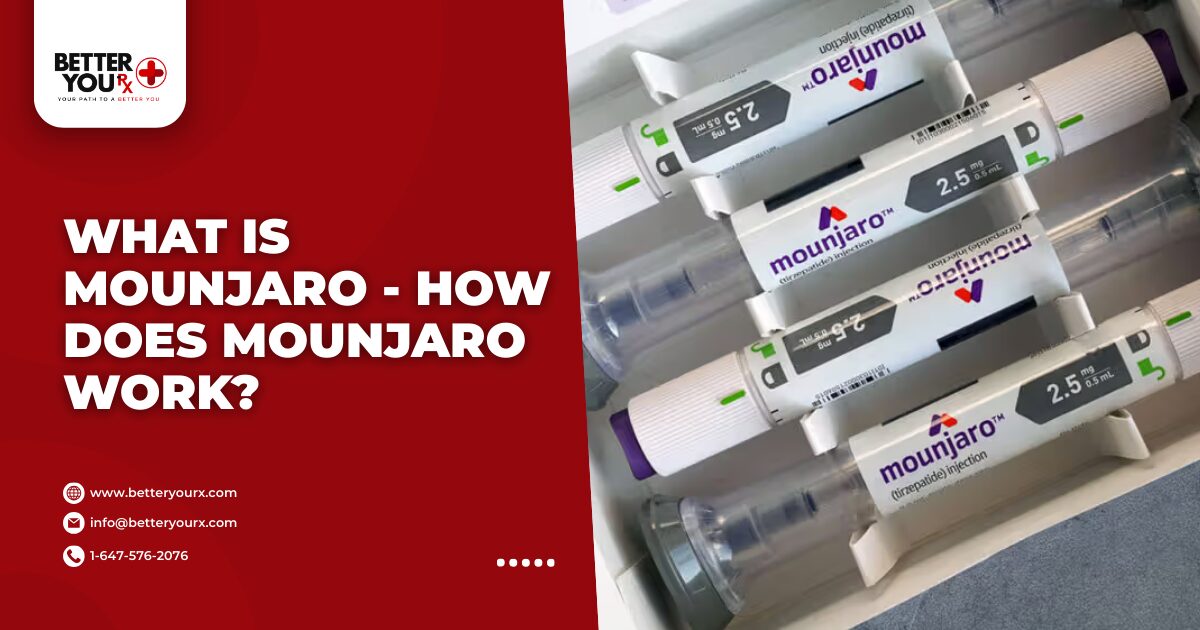
What Is Mounjaro – How Does Mounjaro Work

Mounjaro is a prescription medication that has gained attention for its ability to support blood sugar management and aid in weight loss. It is prescribed for adults with type 2 diabetes who require help controlling their glucose levels. Beyond managing diabetes, many patients explore the medication as part of a structured plan to reduce excess weight and improve overall health. The medication works in combination with diet and exercise to optimize results.

For individuals considering Mounjaro, it is important to know how it functions in the body and what to expect from treatment. The effectiveness of Mounjaro is linked to its impact on appetite, blood sugar regulation, and metabolic processes. Understanding these mechanisms helps patients and healthcare providers determine the right dosage and approach for individual needs. With proper guidance, it can be an effective part of a comprehensive health plan.


What Is Mounjaro

Mounjaro is an injectable medication designed to manage blood sugar levels in adults with type 2 diabetes. It belongs to a class of drugs that influence hormones involved in regulating glucose and appetite. By targeting specific receptors in the body, Mounjaro helps the pancreas produce insulin more effectively while reducing the amount of glucose released from the liver.

The medication is available in different dosages to suit various patient needs. Each dose is prescribed by a healthcare provider based on the individual’s medical history, weight, and response to treatment. Mounjaro is intended to be used alongside a healthy diet and regular exercise. Consistent use ensures that patients experience steady improvements in blood sugar control and weight management.

How Does Mounjaro Work

Mounjaro works by activating certain hormone receptors that regulate blood sugar and appetite. Specifically, it targets receptors in the pancreas and digestive system to increase insulin secretion when blood sugar is high. At the same time, it decreases the production of glucose from the liver, helping to maintain balanced blood sugar levels throughout the day.

Additionally, Mounjaro slows gastric emptying, which helps patients feel full for longer periods after meals. This effect reduces overall food intake and supports gradual, sustainable weight loss. By combining these mechanisms, Mounjaro addresses both the hormonal and behavioral aspects of managing type 2 diabetes and weight-related concerns.


How Does Mounjaro Help You Lose Weight

Mounjaro (Tirzepatide) is a medication designed to help manage type 2 diabetes, but it has also shown significant benefits for weight loss. It works by activating two hormones in the body called GLP-1 and GIP, which play key roles in regulating blood sugar and appetite. By stimulating these hormones, Mounjaro slows down digestion and makes you feel fuller for longer, reducing overall calorie intake without forcing strict dieting.

In addition to appetite control, it can improve how your body handles blood sugar, which helps stabilize energy levels and reduces cravings for high-sugar foods. People using Mounjaro often notice gradual and sustained weight loss when it is combined with a balanced diet and regular physical activity. The medication’s dual action on hunger signals and metabolism makes it particularly effective for individuals struggling with obesity or overweight issues.

It’s important to understand that while Mounjaro can support weight loss, it is not a magic solution. Successful and long-term results usually require a combination of medication, lifestyle changes, and consistent monitoring by a healthcare provider. Side effects may occur, including nausea, digestive discomfort, or mild fatigue, which generally improve over time as the body adjusts to the medication.

How Much Weight Can You Lose on Mounjaro in a Month

The amount of weight a person can lose on Mounjaro (Tirzepatide) in a month varies depending on factors such as starting weight, diet, exercise habits, and individual response to the medication. On average, studies and real-world experiences suggest that many users can expect to lose 4 to 8 pounds (about 2 to 4 kilograms) in the first month when following a healthy lifestyle alongside the medication. Some individuals may experience slightly higher or lower results depending on their metabolism and adherence to dietary changes.

It works by targeting hormones that regulate appetite and digestion, which helps reduce calorie intake naturally. Because weight loss is gradual, the first month often serves as an adjustment period, allowing the body to adapt to lower appetite levels and slower digestion. During this time, some users may notice early improvements in energy levels and cravings, which can help maintain consistent weight loss in subsequent months.

It’s important to remember that results vary, and it is most effective when paired with balanced nutrition, regular physical activity, and ongoing medical guidance. Rapid weight loss is uncommon and may not be safe, so patients are encouraged to focus on steady, sustainable progress rather than extreme results in the first month.

Is Mounjaro Safe for Weight Loss?

It is generally considered safe for weight loss when used under the supervision of a healthcare provider. It is designed to help manage type 2 diabetes, but its ability to reduce appetite and support weight loss has made it a valuable tool for individuals struggling with obesity or overweight. Clinical experiences and patient reports suggest that most people tolerate Mounjaro well, especially when starting at lower doses and gradually increasing as recommended by their doctor.

Like any medication, Mounjaro can have side effects. The most common include nausea, vomiting, diarrhea, constipation, and mild fatigue. These symptoms often occur during the first few weeks of treatment and tend to decrease as the body adjusts to the medication. More serious side effects are rare but can include pancreatitis, gallbladder issues, or severe allergic reactions. For this reason, it is important to follow a healthcare provider’s guidance, attend regular check-ups, and report any unusual symptoms promptly.

Safety also depends on individual health conditions. People with certain medical histories, such as severe gastrointestinal disorders or a personal or family history of thyroid cancer, may need to avoid Mounjaro. It should be combined with healthy lifestyle habits, including balanced nutrition and physical activity, to maximize benefits and reduce potential risks.


Does Mounjaro Target Belly Fat?

It does not directly target belly fat, but it can play an important role in reducing it as part of overall weight loss. The medication works by activating two key hormones, GLP-1 and GIP, which help control appetite, slow down how quickly food leaves the stomach, and improve how the body uses insulin. These effects lead to a lower calorie intake and better blood sugar control, both of which support gradual fat loss across the body.

Belly fat, also known as visceral fat, is often more stubborn because it is linked to insulin resistance and hormonal imbalances. Since it improves insulin sensitivity, many people using it may notice a reduction in abdominal fat over time. However, the medication does not single out belly fat—it reduces body fat overall. The degree to which belly fat decreases depends on individual factors such as genetics, diet, physical activity, and how consistently the treatment is used.

Final Thoughts

It is an effective option for adults with type 2 diabetes seeking better blood sugar control and weight management. Its mechanisms of action, including appetite suppression and enhanced metabolic function, support gradual and sustainable weight loss. Patients considering Mounjaro should work closely with their healthcare provider to determine the appropriate dosage and monitor progress.

For those looking to access Mounjaro safely and reliably, it is recommended to buy Mounjaro online from Canada through Better You RX. Their service ensures prescriptions are verified by licensed professionals and delivered directly to your residence. Consistent use, combined with a healthy lifestyle, allows patients to achieve improved health outcomes and maintain long-term results.


Sign Up For Newsletter

Please enable JavaScript in your browser to complete this form.

Join 60.000+ Subscribers and get a new discount coupon on every Saturday.

Address

PO Box 29631, Mississauga RPO Central Parkway, ON L5A 4H2

Phone Number

1-647-576-2076

better you rx big letter logo

Discover convenience with Better You Rx, your trusted pharmacy-affiliated partner. We work with leading pharmacies to deliver prescriptions and over-the-counter medications right to your doorstep. Enjoy cost-effective solutions on a platform that’s easy to use. We focus on safety and efficacy in all products. Our dedicated team ensures a smooth experience. From ordering to delivery, we simplify your healthcare needs. Choose Better You Rx for reliable service and expert support. Trust us for all your medication requirements. Experience the ease of modern pharmacy care.

Categories

Operating Hours: 
10:00AM – 6:00PM CST
Monday – Friday

Our Payment Partners :

Copyright © 2026 BetteryouRX. All Rights Reserved.
Join The Waitlist Be among the first to know when becomes available.
Add to cart