
Written by Ava Bennett, Health Content Writer | Medically Reviewed by Dr. Lauren Mitchell, MD | Updated: September 2026
Last Updated: September 1, 2026
Retatrutide and birth control do not cancel each other out directly, but Retatrutide’s effect on digestion can change how consistently an oral pill is absorbed, especially during the first few weeks of treatment or during episodes of nausea and vomiting. Women using hormonal birth control alongside Retatrutide are generally advised to add a backup method or consider switching to a non-oral option, such as an IUD, implant, or patch, until digestive side effects settle down.
Retatrutide is a triple-agonist medication used for weight management, and the same mechanism that slows digestion and supports appetite control is also the reason it can interfere with how reliably a pill is absorbed. Because pregnancy has not been studied in women taking Retatrutide, avoiding conception during active treatment is part of standard clinical guidance. The sections ahead explain why this interaction happens, which birth control methods hold up best during treatment, and what steps to take if a pregnancy occurs while taking Retatrutide.
Key Takeaways
- Retatrutide and birth control can interact indirectly because Retatrutide slows stomach emptying, which may change how quickly an oral pill is absorbed
- Non-oral methods, such as the IUD, implant, patch, or injection, are generally considered more dependable while adjusting to Retatrutide
- Vomiting or severe diarrhea during the first weeks of Retatrutide treatment can reduce how well a birth control pill works, raising pregnancy risk
- Retatrutide has not been studied in pregnant women, so avoiding pregnancy during treatment is typically part of standard guidance
- Women with a personal or family history of certain thyroid conditions or pancreatitis are usually advised to avoid Retatrutide altogether
- A conversation with a licensed healthcare provider remains the most reliable way to choose contraception that fits an individual treatment plan
What Is Retatrutide?
Retatrutide is a weight-management medication that acts on three separate hormone receptors: GLP-1, GIP, and glucagon. This triple-receptor activity is part of why prescribing physicians have taken interest in its effects on appetite, blood sugar, and body weight. Like other medications in this drug class, Retatrutide slows the rate at which food leaves the stomach, which supports the feeling of fullness that helps with weight management. For women considering this treatment, this same digestive slowdown is the central reason Retatrutide and birth control deserve a closer look together. Women weighing their options often review Retatrutide benefits before deciding whether this medication fits their treatment plan.
Retatrutide and Birth Control: How They Interact
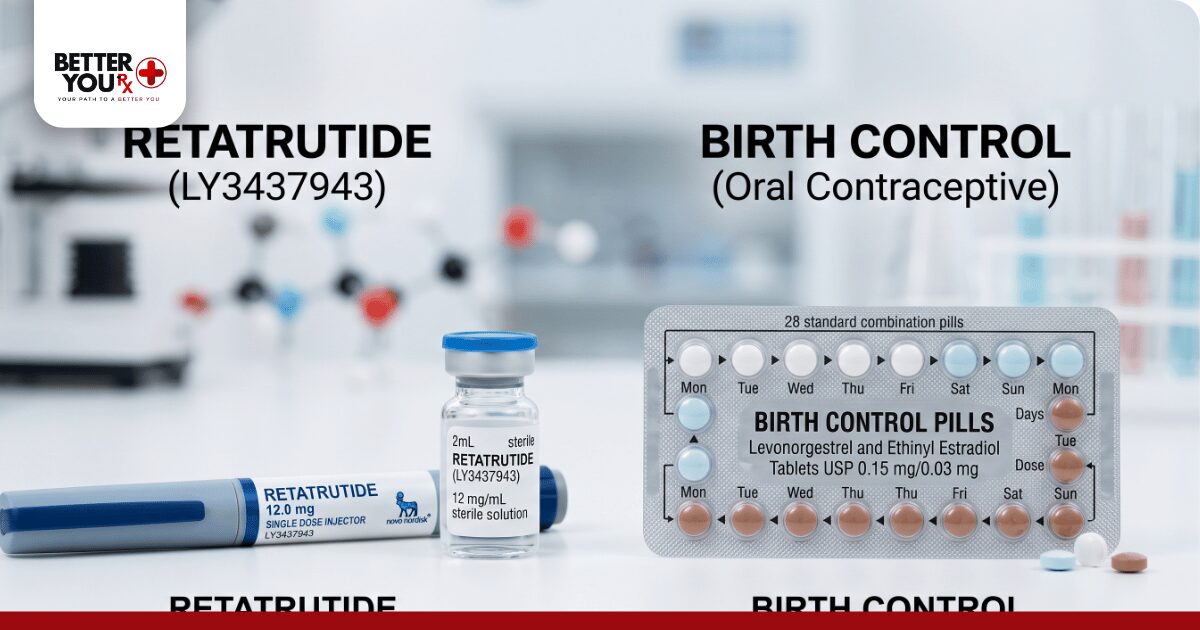
There is no direct chemical interaction between Retatrutide and hormonal birth control the way there might be with certain enzyme-affecting medications. Instead, the concern is mechanical. Retatrutide slows gastric emptying, meaning food and anything swallowed alongside it, including a birth control pill, stays in the stomach longer before moving into the small intestine where absorption happens. When absorption is delayed or reduced, hormone levels from the pill can dip below what is needed for consistent contraceptive protection.
This effect tends to be most noticeable during the first several weeks of Retatrutide treatment, when the body is still adjusting and gastrointestinal side effects like nausea, vomiting, or diarrhea are more common. If a pill is vomited within a few hours of taking it, or if diarrhea moves it through the digestive system too quickly, its effectiveness can drop the same way it would with any illness that disrupts absorption.
| Birth Control Method | Interaction Risk With Retatrutide | Recommended Approach |
| Combined oral pill | Moderate, especially during nausea | Use backup method for the first 4 weeks or during GI symptoms |
| Progestin-only pill | Moderate | Same precaution, timing sensitivity is higher |
| IUD (hormonal or copper) | Low | Not affected by digestion, considered reliable during treatment |
| Contraceptive implant | Low | Not affected by digestion |
| Contraceptive patch | Low | Absorbed through skin, generally unaffected |
| Contraceptive injection | Low | Not affected by digestion |
| Vaginal ring | Low to moderate | Generally reliable, monitor during adjustment period |
Why Slowed Digestion Matters for Oral Contraception
Delayed gastric emptying is not unique to Retatrutide. It is a known effect across GLP-1 and multi-agonist medications, and it is part of how these drugs support weight loss by extending the sense of fullness after eating. For most oral medications, a slower stomach simply means a slower start to absorption rather than a lost dose. For a birth control pill, however, timing and consistency matter more than for many other medications, since contraceptive hormone levels need to stay within a fairly narrow range to reliably prevent ovulation.
Patients starting Retatrutide commonly report that nausea peaks during the first two to four weeks of treatment, which is also the window prescribing physicians watch most closely for contraception concerns. Once the digestive system adjusts and side effects ease, absorption of oral medications, including birth control pills, tends to normalize. Most healthcare providers follow established clinical protocols when prescribing Retatrutide alongside hormonal contraception, which typically includes a recommendation for backup protection during this adjustment period. For general background on how digestion and medication timing intersect with hormonal contraception, Cleveland Clinic’s overview of birth control pills offers additional reading on what can reduce reliability.
Things To Know
- Retatrutide slows gastric emptying, and this same mechanism is what can affect oral pill absorption
- Backup contraception, such as condoms, is commonly recommended during the first month of treatment or during any vomiting or diarrhea episode
- Switching to a non-oral method does not require pausing or stopping Retatrutide
- Every woman’s digestive response to Retatrutide is different, so individual monitoring matters more than a fixed timeline
- Noticing signs of reduced pill effectiveness, like unexpected breakthrough bleeding, is worth reporting to a healthcare provider promptly
Which Birth Control Option Works Best With Retatrutide?
Not every contraception method carries the same level of concern while taking Retatrutide. When it comes to Retatrutide and birth control, methods that do not rely on the digestive system for absorption are generally the most dependable choice during treatment, which is why many prescribing physicians discuss long-acting or non-oral options with patients before starting a triple-agonist medication.
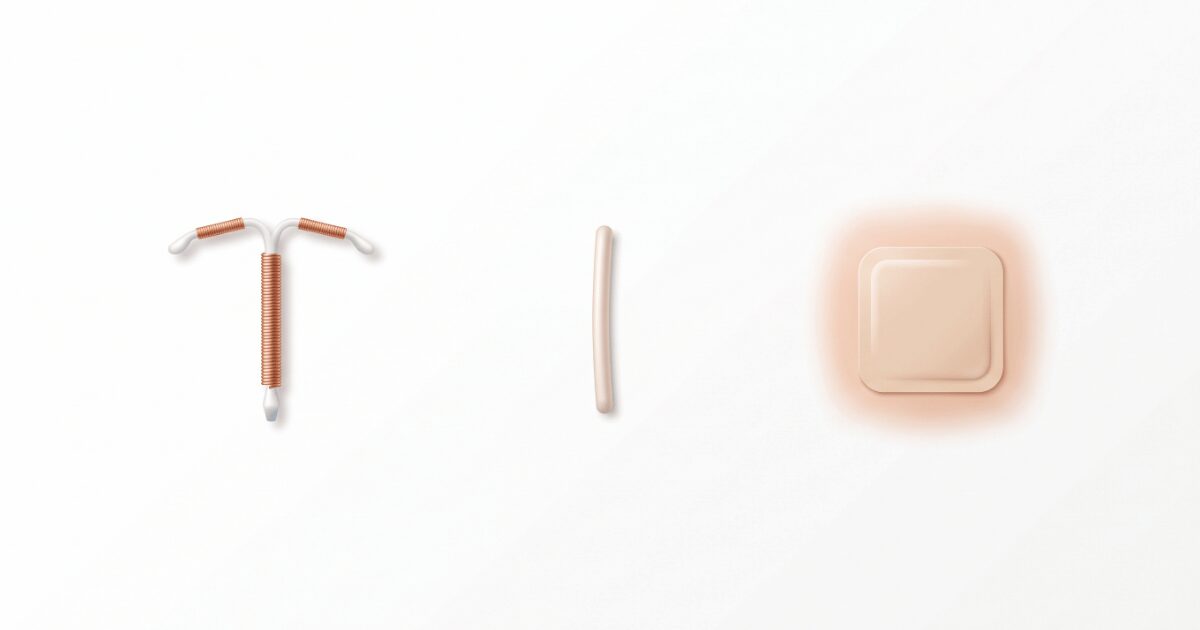
The intrauterine device (IUD) and the contraceptive implant are usually considered the strongest options because they work independently of digestion entirely, delivering hormones directly through the uterus or under the skin. The patch and the injection are also generally reliable, since they bypass the stomach and small intestine altogether. Oral options, including the combined pill and the progestin-only pill, can still work well once digestive side effects settle, but they carry more day-to-day variability during the adjustment period.
| Method | Effectiveness With Retatrutide | Convenience |
| IUD | Highest reliability | Long-term, low maintenance |
| Implant | Highest reliability | Long-term, low maintenance |
| Patch | High reliability | Weekly application |
| Injection | High reliability | Every few months |
| Combined pill | Reliable once GI symptoms stabilize | Daily, timing sensitive |
| Progestin-only pill | Reliable once stabilized | Daily, strict timing required |
Women who are already using Mounjaro Kwikpen or Zepbound Kwikpen for weight management sometimes ask similar questions, since both belong to the same broader category of appetite-regulating medications that can slow digestion. The same general precautions that apply to Retatrutide and birth control apply to these medications as well. For women exploring other options in this category, Saxenda works through a different receptor pathway but shares some of the same digestive considerations worth discussing with a healthcare provider.
What Happens If You Get Pregnant While Taking Retatrutide
Retatrutide has not been studied in pregnant women, and its effects on a developing fetus are not established. Because of this, the standard recommendation across this medication class is to avoid pregnancy during active treatment and to stop the medication as soon as pregnancy is confirmed. If a pregnancy occurs while taking Retatrutide, the most important step is contacting a licensed healthcare provider promptly rather than waiting for a scheduled appointment. A provider can discuss discontinuing the medication, review the timeline of any exposure, and coordinate prenatal care going forward.
This recommendation is consistent with how most weight-management medications in this class are handled clinically. There is no established evidence that a past dose of Retatrutide causes harm once discontinued, but ongoing exposure during pregnancy is what clinical guidance aims to avoid. Women planning a pregnancy in the near future are typically advised to discuss a timeline for stopping Retatrutide with their prescribing physician well in advance.
Who Should Avoid Taking Retatrutide
Retatrutide is not appropriate for everyone, and certain health histories call for avoiding it altogether rather than managing around it. Women with a personal or family history of medullary thyroid carcinoma or Multiple Endocrine Neoplasia syndrome type 2 are generally advised against this medication, along with anyone with a history of pancreatitis. Pregnant women, women actively trying to conceive, and women who are breastfeeding are also typically advised to avoid Retatrutide until those circumstances change.
Anyone with a known hypersensitivity to Retatrutide or its components should avoid the medication as well. Because Retatrutide can affect the absorption of other oral medications beyond birth control, women managing other health conditions with daily pills are encouraged to review their full medication list with a prescribing physician before starting treatment.
Practical Tips for Managing Contraception During Treatment
Managing Retatrutide and birth control together comes down to timing and backup protection during the adjustment period. A few habits make this easier to keep track of:
- Use a backup method, such as condoms, for at least the first four weeks of Retatrutide treatment
- Track any nausea, vomiting, or diarrhea episodes and use backup protection on those days regardless of how far into treatment you are
- Take an oral birth control pill at a consistent time each day, separate from when digestive symptoms are typically strongest
- Discuss switching to a non-oral method, such as an IUD or implant, with a prescribing physician before starting Retatrutide if contraception reliability is a priority
- Never stop birth control without a replacement plan already in place
Women exploring Retatrutide alongside other GLP-1 or multi-agonist medications may also find it useful to compare Retatrutide vs Tirzepatide before starting treatment, since both carry similar digestive considerations that affect medication timing. Reviewing Retatrutide side effects ahead of time can also help set expectations for the first few weeks.
Better You Rx connects patients across the United States with a prescription referral service and a licensed contracted dispensing department, helping women access the medications their prescribing physician has determined are appropriate for their treatment plan.
Buy Wegovy from Canada
Original price was: $609.99.$596.99Current price is: $596.99.



Wrapping Up
Retatrutide and birth control can work together safely with the right precautions in place, particularly during the early weeks of treatment when digestive side effects are most likely to affect pill absorption. Choosing a non-oral method, tracking digestive symptoms, and staying in close contact with a prescribing physician are the most reliable ways to avoid an unintended pregnancy while adjusting to this medication. Reviewing is Trulicity a GLP-1 or comparing similar medications beforehand can help set realistic expectations for what the first weeks of treatment typically involve.
Frequently Asked Questions
Does Retatrutide affect the pill?
Yes, indirectly. Retatrutide slows digestion, which can reduce how consistently an oral birth control pill is absorbed, especially during the first weeks of treatment or during nausea and vomiting.
Does Reta mess up birth control?
It can, temporarily. The concern is not a direct drug interaction but delayed gastric emptying, which may lower how reliably a pill’s hormones reach the bloodstream during the adjustment period.
What happens if you get pregnant on Retatrutide?
Contact a healthcare provider right away. Retatrutide has not been studied in pregnancy, so the standard step is to stop the medication and begin prenatal care as soon as possible.
What not to take with Retatrutide?
Be cautious with oral medications that need precise timing. Because Retatrutide slows digestion, any oral medication with a narrow effective window, including certain birth control pills, may need backup protection or provider guidance.
Who should avoid taking Retatrutide?
Women who are pregnant, breastfeeding, or have a history of pancreatitis or certain thyroid cancers. A full medical history review with a prescribing physician determines individual eligibility.
Sources
- Cleveland Clinic: Overview of hormonal contraception methods and factors that can reduce their reliability.
- Mayo Clinic: Information on GLP-1 and multi-receptor agonist medications used for weight management.
- Journal of Clinical Endocrinology & Metabolism: Research on incretin-based therapies and their effects on gastrointestinal motility.
- Endocrine Society: Clinical guidance on multi-agonist peptide therapies and hormone-based treatment considerations.
This content is intended for general informational purposes only and does not constitute medical advice. It is not a substitute for professional diagnosis, treatment, or guidance from a licensed healthcare provider. Always consult a qualified medical professional before starting, stopping, or combining any medication, including Retatrutide or hormonal birth control.