
Written by Zas Editorial Team, Health Content Specialist | Medically Reviewed by Dr. Aiden Cross, MD | Last Updated: July 2026
Retatrutide for prediabetes is being investigated because of how the compound interacts with three separate metabolic receptors rather than just one. Early trial data shows meaningful reductions in body weight and improvements in blood sugar markers, but Retatrutide has not completed the research pathway that Semaglutide and Tirzepatide have already gone through for blood sugar management. That distinction matters for anyone trying to understand where this compound actually stands right now.
Prediabetes affects a large share of adults, and many only find out after a routine blood panel flags an elevated A1C or fasting glucose result. The condition sits in a gray zone: blood sugar is higher than normal, but not high enough to be classified as Type 2 diabetes. This is exactly the window where early intervention tends to matter most, and it is also why newer compounds like Retatrutide are being watched closely by researchers and clinicians alike.
Key Takeaways
- Retatrutide for prediabetes is an active area of clinical research, not an approved standard treatment, and any use requires oversight from a licensed provider
- Retatrutide works on three metabolic pathways at once (GLP-1, GIP, and glucagon receptors), which is why researchers are interested in its effect on blood sugar
- Tirzepatide and Semaglutide have more established research behind them for prediabetes and early blood sugar concerns compared to Retatrutide
- Dosing figures discussed in trials are research reference points only and are not a guide for self-administration
- A1C improvement and weight reduction are the two outcomes most often measured in current Retatrutide researchWhy Retatrutide Is Being Studied for Prediabetes
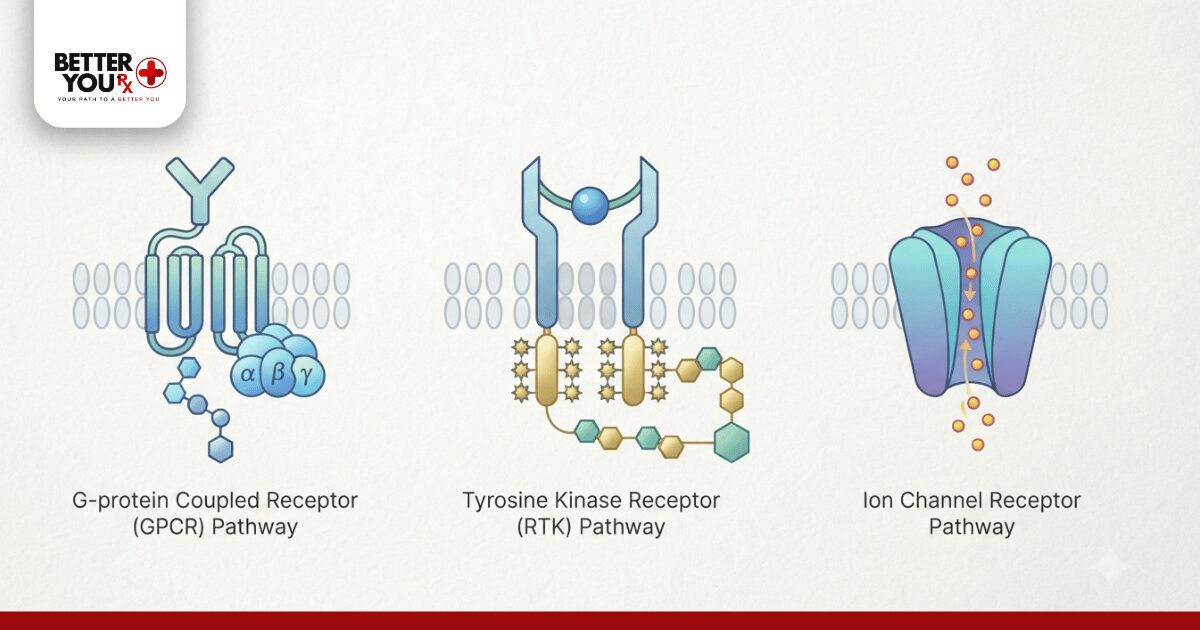
Retatrutide belongs to a newer class of compounds sometimes called triple agonists. Instead of activating a single hormone receptor, it targets GLP-1, GIP, and glucagon receptors together. This combination is why early researchers became interested in Retatrutide for prediabetes specifically, since each of these pathways plays a distinct role in how the body regulates insulin sensitivity, appetite, and fat metabolism.
GLP-1 activation slows digestion and increases insulin release when blood sugar rises. GIP activation appears to improve how fat tissue processes energy. Glucagon receptor activity, the newest addition compared to older medications, is thought to increase energy expenditure. Combined, these three actions are the reason researchers have reported both weight loss and glycemic improvement in trial participants, which is a big part of why Retatrutide for prediabetes discussions keep appearing in clinical literature and patient forums alike.
Healthcare providers who follow current clinical research generally note that the interest in Retatrutide is proportional to the strength of its early trial results, not to any approval for prediabetes treatment specifically. Most providers still rely on Metformin and lifestyle intervention as the established starting point for prediabetes, while newer agents remain under closer evaluation.
How Retatrutide Compares to Other Options Studied for Blood Sugar
Retatrutide is not the only compound researchers are looking at for early blood sugar concerns. Tirzepatide, which activates two of the same three receptors, has a longer research and prescribing history. Semaglutide, a single GLP-1 agonist, has the most established track record of the three.
| Compound | Receptors Targeted | Research Status for Blood Sugar |
| Retatrutide | GLP-1, GIP, Glucagon | Investigational, ongoing trials |
| Tirzepatide | GLP-1, GIP | Established prescribing history |
| Semaglutide | GLP-1 | Established prescribing history |
| Metformin | Insulin sensitivity pathway | Long-standing first-line option |
This is where the “which option” question usually comes up. Retatrutide’s triple-receptor approach may eventually show advantages in trial data, but Tirzepatide and Semaglutide currently have more real-world prescribing experience behind their use for blood sugar related concerns. A person newly diagnosed with prediabetes is far more likely to be started on Metformin or a GLP-1 medication with an established track record, with Retatrutide remaining a research-stage option that a provider would only discuss in the context of clinical trial participation or emerging off-label interest.
Patients who ask about Retatrutide for prediabetes during a consultation are often redirected toward Semaglutide or Tirzepatide first, simply because those options have more data supporting long-term safety monitoring. This is a pattern most prescribers report seeing consistently, and it reflects how clinical decision-making tends to favor established evidence over newer compounds still under investigation. Things To Know About Retatrutide and Prediabetes
- Retatrutide has not gone through the same review process as Semaglutide or Tirzepatide for blood sugar related use
- Trial dosing figures such as 2mg, 4mg, 8mg, and 12mg are research reference points, not instructions for personal use
- Weight loss and A1C changes are usually reported together in trial data because the two outcomes tend to move in parallel
- A prediabetes diagnosis alone does not automatically qualify someone for GLP-1 based treatment, since providers typically consider A1C level, weight, and other risk factors together
- Anyone interested in emerging options like Retatrutide should raise the topic directly with a licensed provider rather than attempting to source or dose it independently
What the Dosing Research Actually Looks Like
Clinical trials studying Retatrutide have used a titration structure, meaning the dose is increased gradually over a period of weeks rather than starting at a high amount immediately. The table below reflects publicly discussed research reference points only and is not a treatment or self-administration guide of any kind.
| Trial Phase Reference Point | Purpose in Research |
| 2mg | Initial titration phase studied for tolerability |
| 4mg | Mid-range titration point observed in trial data |
| 8mg | Higher dose range studied for metabolic response |
| 12mg | Upper dose range explored in later trial phases |
These figures come from published trial structures and are included here purely for context. Determining whether any dose range is appropriate, along with how titration should proceed, is a decision that belongs entirely to a licensed provider working directly with a patient’s full medical history.
Why A1C and Weight Are the Two Numbers That Matter Most
Most Retatrutide research measures success using two data points: change in A1C and change in body weight. This mirrors how prediabetes itself is typically assessed and monitored over time. An A1C between 5.7 and 6.4 percent generally falls into the prediabetes range, and providers often recheck this number every three to six months to track whether it is improving, staying flat, or moving toward a Type 2 diabetes diagnosis.
Weight matters because excess body fat, particularly around the abdomen, is strongly linked to insulin resistance. This is part of why compounds like Retatrutide, which affect both appetite regulation and fat metabolism, draw so much research interest for metabolic conditions broadly, even though prediabetes specific approval has not been established.
For more detail on how Retatrutide performs across broader metabolic outcomes, Retatrutide benefits covers what current research shows beyond blood sugar alone, and Retatrutide vs Tirzepatide breaks down how the two compounds compare directly.
Which Option Is Actually the Right Starting Point
For most people newly diagnosed with prediabetes, the honest answer is that Retatrutide is not typically the starting point at all. Lifestyle changes, Metformin, and in some cases established GLP-1 options remain the more commonly used approach. Retatrutide’s role, for now, sits closer to ongoing research and early clinical interest rather than routine prescribing for prediabetes specifically.
That said, some patients ask their providers about Retatrutide after reading about its multi-receptor mechanism, particularly if weight has been a significant factor alongside blood sugar concerns. A provider evaluating this request will typically weigh current A1C level, weight history, other health conditions, and how established the alternative options are before considering anything outside of standard first-line treatment. This is consistent with how most healthcare providers approach any newer compound: established options are considered first, and newer research-stage compounds are discussed only when there is a clear clinical reason to do so.
To review the broader mechanism behind how Retatrutide functions in the body, what does Retatrutide do walks through the receptor activity in more detail.
Talking to a Provider About Retatrutide for Prediabetes
Bringing up Retatrutide for prediabetes during an appointment tends to go more smoothly when the conversation includes actual lab history. Providers generally want to see recent A1C results, fasting glucose numbers, and any prior attempts at lifestyle intervention before discussing whether a newer compound is even worth exploring. A patient who arrives with this information tends to have a more productive conversation than one who only mentions having read about the medication online.
Because Retatrutide remains investigational, prescribing patterns for it are still developing, and providers may take a more conservative approach compared to established options like Ozempic or Metformin. For general background on established GLP-1 options that are more commonly discussed in early blood sugar management, Ozempic, Rybelsus, and Metformin remain the more frequently prescribed starting points that a provider may bring up first.

Buy Ozempic Semaglutide from Canada
$327.99
Select options
This product has multiple variants. The options may be chosen on the product page
Buy Wegovy from Canada
Original price was: $609.99.$596.99Current price is: $596.99.
Select options
This product has multiple variants. The options may be chosen on the product page
According to a general overview published by the Mayo Clinic on prediabetes, lifestyle changes combined with regular monitoring remain the foundation of most treatment plans, regardless of which medication option is eventually considered.
Final Thoughts on Retatrutide for Prediabetes
Retatrutide for prediabetes represents an active research direction rather than a finished, provider-ready treatment option. The triple-receptor mechanism has produced encouraging early data on both weight and blood sugar, but Semaglutide, Tirzepatide, and Metformin remain the more established starting points that most providers reach for first. Anyone curious about where Retatrutide fits into their own health picture should bring lab results and questions directly to a licensed provider rather than drawing conclusions from trial headlines alone.
For a closer look at how Retatrutide’s side effect profile has been documented in research so far, Retatrutide side effects covers what current trial data has reported.
Frequently Asked Questions
Can retatrutide be used for diabetes?
Retatrutide is still investigational and is not an established treatment for diabetes. Current research is exploring its effect on blood sugar and weight, but it has not gone through the same review process as Semaglutide or Tirzepatide. Anyone with diabetes or prediabetes should discuss treatment options directly with a licensed provider.
Which GLP-1 is best for prediabetes?
Semaglutide and Tirzepatide currently have the most established research behind them for blood sugar related concerns. Both have a longer prescribing history compared to newer compounds like Retatrutide. The right option ultimately depends on individual lab results and health history, which is why provider guidance matters.
Can I use tirzepatide if I have prediabetes?
Tirzepatide is sometimes discussed by providers for patients with elevated blood sugar and weight concerns. Whether it is appropriate depends on A1C level, weight history, and other individual health factors. A licensed provider is the only one who can determine if it fits a specific case.
Does retatrutide damage kidneys?
Current research has not established a direct link between Retatrutide and kidney damage. Long-term safety data is still being collected since the compound remains in clinical trial phases. Anyone with existing kidney concerns should raise this directly with their provider before considering any GLP-1 based option.
Does reta lower A1C?
Early trial data shows Retatrutide is associated with A1C reductions in study participants. This is one of the primary outcomes researchers track alongside weight change. These results come from clinical trials rather than routine prescribing data, so individual outcomes can vary.
Medical Disclaimer: This article is for informational purposes only and is not a substitute for professional medical advice, diagnosis, or treatment. Always consult a licensed healthcare provider before starting, stopping, or changing any medication or treatment plan.
Sources
- The New England Journal of Medicine — Clinical trial data on triple hormone receptor agonists and glycemic outcomes.
- The Lancet — Phase 2 trial results examining Retatrutide’s effect on weight and metabolic markers.
- Diabetes Care (American Diabetes Association journal) — Clinical guidance on prediabetes screening and management approaches.
- Mayo Clinic — Patient-facing overview of prediabetes causes, risk factors, and treatment approaches.