
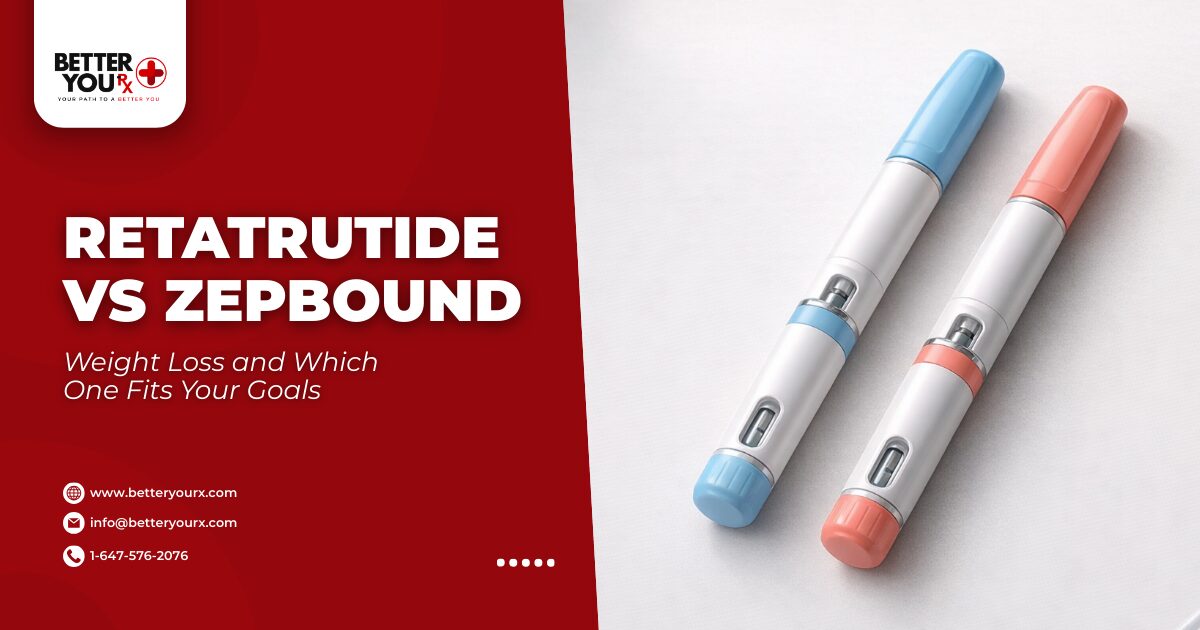
Retatrutide vs Zepbound is a comparison many people are looking into as newer weight loss medications continue to gain attention. Retatrutide is a triple-hormone receptor agonist targeting GLP-1, GIP, and glucagon receptors, while Zepbound (Tirzepatide) is a dual-agonist working on GLP-1 and GIP. Both medications show promising results for weight management, but they differ in mechanism, clinical progress, and availability. Retatrutide has demonstrated up to 24% body weight reduction in clinical research, while Zepbound has shown around 20% in similar settings. Choosing between Retatrutide vs Zepbound depends on your health profile, weight loss targets, and what your doctor recommends.
-
-
Buy Wegovy from Canada
Original price was: $609.99.$596.99Current price is: $596.99.
What Is Retatrutide
Retatrutide is an investigational medication that works on three hormone receptors at once: GLP-1, GIP, and glucagon. This triple-agonist approach sets it apart from other weight loss treatments currently available. By activating all three pathways, Retatrutide helps reduce appetite, increase energy expenditure, and improve how the body processes fat and sugar. Clinical research has shown participants losing up to 24% of their body weight over 48 weeks. While Retatrutide is not yet widely approved for public use, it has generated significant interest due to its strong performance in research settings.
If you are exploring options like Mounjaro KwikPen or similar treatments, Retatrutide may eventually become another option worth discussing with your doctor. As you weigh the Retatrutide vs Zepbound decision, knowing what Retatrutide brings to the table is the first step.
What Is Zepbound (Tirzepatide)
Zepbound is the brand name for Tirzepatide when prescribed specifically for weight management. It is a dual-agonist that targets GLP-1 and GIP receptors. These two hormones help regulate appetite, blood sugar, and how the body stores fat. Zepbound has been shown to produce around 20% body weight loss in clinical settings. It is currently available by prescription and is administered as a weekly injection. Many people already familiar with Zepbound KwikPen appreciate its structured dosing schedule and consistent results. Zepbound works well for individuals who need significant support with weight reduction alongside lifestyle changes. Understanding Zepbound’s strengths is just as important as knowing Retatrutide’s when evaluating the Retatrutide vs Zepbound comparison.

Retatrutide vs Zepbound Side by Side Comparison
When comparing Retatrutide vs Zepbound, the most notable difference is their mechanism of action. Retatrutide activates three receptors (GLP-1, GIP, and glucagon), while Zepbound activates two (GLP-1 and GIP). That extra glucagon receptor activation in Retatrutide may contribute to higher energy expenditure and potentially greater fat loss. In terms of weight loss results, Retatrutide has shown slightly higher percentages in clinical research compared to Zepbound. However, Zepbound has the advantage of being currently available by prescription, while Retatrutide is still in later stages of clinical development. Both are administered as weekly injections and share similar side effect profiles, mostly gastrointestinal. The table below highlights the key differences between Retatrutide vs Zepbound.
| Feature | Retatrutide | Zepbound (Tirzepatide) |
| Mechanism | Triple agonist (GLP-1, GIP, Glucagon) | Dual agonist (GLP-1, GIP) |
| Weight Loss (clinical) | Up to 24% | Up to 20% |
| Administration | Weekly injection | Weekly injection |
| Current Status | Investigational | Available by prescription |
| Primary Side Effects | Nausea, diarrhea, vomiting | Nausea, diarrhea, constipation |
| Dosing Range | 1 mg to 12 mg weekly | 2.5 mg to 15 mg weekly |
How Retatrutide and Zepbound Work Differently in the Body
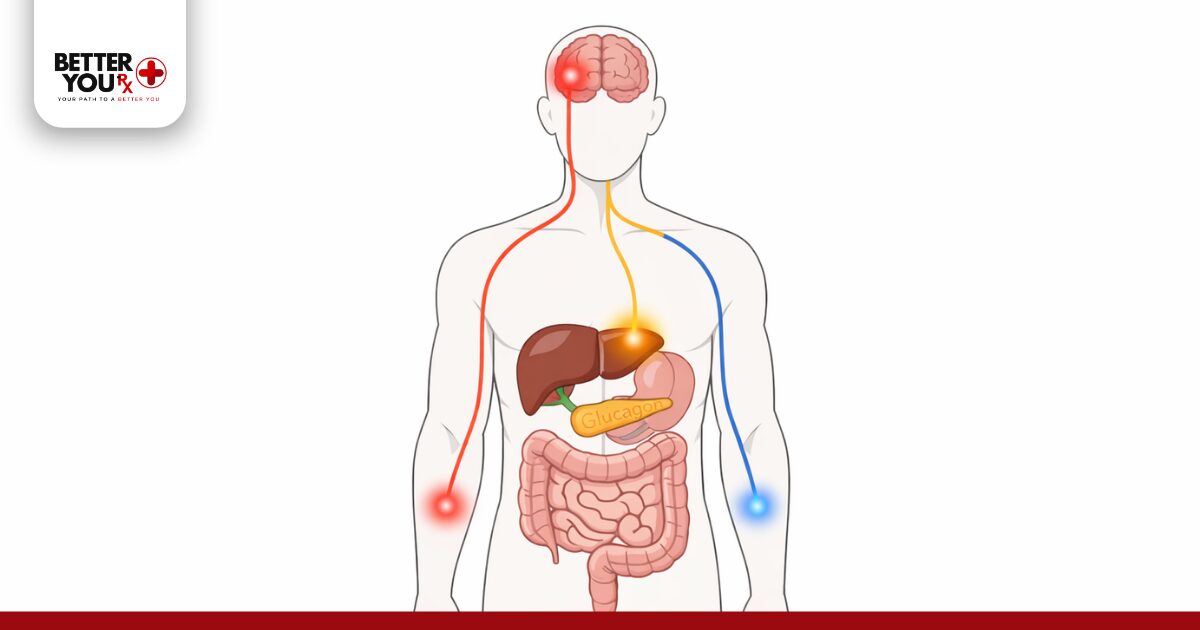
The core difference in the Retatrutide vs Zepbound comparison comes down to receptor activation. Zepbound targets GLP-1 and GIP, both of which play roles in appetite suppression and insulin regulation. These two pathways help slow gastric emptying, reduce hunger signals, and improve blood sugar control. Retatrutide does all of that, but it also activates the glucagon receptor. Glucagon is a hormone that encourages the body to break down stored fat for energy and increases overall metabolic rate.
This additional pathway could explain why Retatrutide has shown higher weight loss percentages in research settings. The mechanism difference is the foundation of the Retatrutide vs Zepbound discussion. For people comparing these medications, the practical takeaway is that Retatrutide may offer a more aggressive approach to fat reduction, while Zepbound provides a well-established and effective dual pathway. If you want to learn more about how similar medications compare, check out the comparison of Retatrutide vs Tirzepatide for additional context.
Expected Weight Loss Results With Retatrutide vs Zepbound

Weight loss outcomes are a major factor when evaluating Retatrutide vs Zepbound. In clinical research, participants taking the highest dose of Retatrutide lost an average of 24.2% of their body weight over 48 weeks. Zepbound users in similar settings achieved around 20.9% body weight reduction over 72 weeks. While both numbers are impressive, Retatrutide appears to deliver results in a shorter time frame. Keep in mind that individual results vary based on factors like starting weight, diet, exercise habits, and overall health. Neither medication is a standalone solution. They work best when combined with healthier eating patterns and regular physical activity. If you are interested in learning about Retatrutide benefits, that resource covers additional advantages beyond weight loss alone.
Side Effects of Retatrutide vs Zepbound
Both Retatrutide and Zepbound share a similar side effect profile, which is common across GLP-1 based medications. When reviewing Retatrutide vs Zepbound side effects, the most frequently reported ones are gastrointestinal, and they tend to be more noticeable during the early weeks of treatment as the body adjusts. Gradual dose escalation helps manage these symptoms for most people. Serious side effects are rare but should always be discussed with a healthcare provider before starting treatment. Staying hydrated, eating smaller meals, and avoiding high-fat foods can reduce the severity of digestive discomfort during the adjustment period.
| Side Effect | Retatrutide | Zepbound |
| Nausea | Common | Common |
| Diarrhea | Common | Common |
| Vomiting | Moderate | Less common |
| Constipation | Less common | Common |
| Decreased appetite | Common | Common |
| Injection site reactions | Mild | Mild |
Dosing for Retatrutide vs Zepbound
Both Retatrutide and Zepbound follow a gradual dose escalation model. Understanding the dosing differences in Retatrutide vs Zepbound helps set proper expectations. You start at a lower dose and increase it over several weeks. This approach helps your body adjust and reduces the likelihood of strong side effects early on.
Retatrutide dosing in clinical research started at 1 mg per week and increased up to 12 mg per week. Zepbound starts at 2.5 mg per week and can go up to 15 mg per week. Your prescribing doctor will determine the right schedule based on your tolerance and response. Never adjust your dose without medical guidance. If you want a closer look at how another similar medication is dosed, the Trulicity dosage guide offers a helpful reference point for understanding GLP-1 dosing structures.
Things To Know Before Choosing Retatrutide or Zepbound
Before deciding between Retatrutide vs Zepbound, there are a few practical points to consider. These tips can help you navigate the Retatrutide vs Zepbound choice and set realistic expectations for your weight loss journey.
Talk to your doctor first. Both medications require a prescription from a licensed medical doctor practicing within the USA. Your doctor can evaluate your health history and determine which option fits your situation.
Retatrutide is still investigational. It is not yet widely available for general prescriptions, though you may be able to join a waitlist or consultation process through a prescription referral service.
Zepbound is currently accessible. If you and your doctor agree it is appropriate, Zepbound can be prescribed now and obtained through a referral service like Better You Rx.
Lifestyle changes matter. No medication replaces the need for balanced nutrition and regular physical activity. These treatments work best as part of a broader health plan.
Side effects are manageable. Most gastrointestinal side effects improve within the first few weeks. Eating smaller portions and staying hydrated helps.
Monitor your progress. Keep track of your weight, energy levels, and how you feel overall. Share this information with your healthcare provider at follow-up appointments.
Do not share medications. These are prescribed for personal use only. Each person’s dose and treatment plan is tailored to their individual needs.
Which Is Better for You Between Retatrutide vs Zepbound
There is no single answer to which is better when looking at Retatrutide vs Zepbound. The right choice depends on your individual health goals, medical history, and what is currently available to you. If you want the most aggressive triple-receptor approach and are open to joining a waitlist for access, Retatrutide may appeal to you. If you prefer a medication that is already available and has a strong track record of results, Zepbound is a solid option.
Some people may also benefit from exploring how these compare to other treatments. For example, the comparison of Saxenda vs Zepbound provides additional perspective on how different weight loss medications stack up. Regardless of which direction you go in the Retatrutide vs Zepbound decision, working closely with your healthcare provider ensures you make the safest and most effective choice.
-
-
Buy Wegovy from Canada
Original price was: $609.99.$596.99Current price is: $596.99.
Getting Started With Retatrutide Through Better You Rx
At Better You Rx, we know that beginning a new medication can feel like a big step. Whether you have been exploring the Retatrutide vs Zepbound comparison or just starting your research, we are here to help. As a prescription referral service, we help connect you with access to Retatrutide through our network of licensed contracted providers.
You can sign up for the Retatrutide waitlist and complete the consultation form on our website. This process helps figure out whether Retatrutide is a good fit for you and makes sure you get the right guidance on dosing and how to use it. Our service simplifies access to these treatments, so you can move forward toward your health goals with confidence and the support you need.
Prescriptions must be issued by a primary care physician or licensed medical doctor practicing within the USA, and medications are mailed directly to your residence. For questions about our process, you can reach us at 1-647-576-2076.
Final Takeaway on Retatrutide vs Zepbound
The Retatrutide vs Zepbound comparison comes down to a triple-agonist versus a dual-agonist approach to weight management. Both medications offer meaningful support for people working toward significant weight loss. Retatrutide brings the added benefit of glucagon receptor activation, which may lead to greater fat reduction and metabolic improvements. Zepbound offers proven results and is readily available today. Whichever path you explore, always do so under the guidance of a licensed healthcare provider who understands your full medical picture. Taking the time to research Retatrutide vs Zepbound, ask questions, and connect with the right support system puts you in the best position to reach your goals safely and effectively.
Frequently Asked Questions
What is better than Retatrutide?
Currently, no widely available medication has outperformed Retatrutide in clinical weight loss results. Its triple-agonist design targeting GLP-1, GIP, and glucagon receptors produced up to 24% body weight loss in research settings. Zepbound and other GLP-1 medications remain strong alternatives, but in the Retatrutide vs Zepbound matchup, Retatrutide’s three-receptor approach is considered the most advanced in development right now.
How long does it take for Retatrutide to start working?
Most participants in clinical research began noticing appetite changes and early weight loss within the first 4 to 8 weeks. Results continued to improve over the full treatment period of 48 weeks. The gradual dose escalation schedule means effects build over time as the dose increases.
What is the strongest GLP-1 for weight loss?
Retatrutide is currently showing the highest weight loss percentages among GLP-1 based treatments in clinical research. Its triple-receptor mechanism gives it an edge over dual-agonists like Zepbound and single-agonists like Ozempic. However, individual responses vary, and when weighing Retatrutide vs Zepbound or other options, the best choice depends on your specific health needs.
How much Retatrutide per week?
Retatrutide is administered once per week, with doses ranging from 1 mg to 12 mg depending on the treatment phase. The dose starts low and gradually increases over several weeks. Your healthcare provider determines the exact schedule based on your tolerance and progress.
Is Retatrutide worth it?
Retatrutide may be worth it for weight loss because clinical trials show people lost about 23–24% of their body weight in around a year, which is more than many current weight-loss medications. However, it is still in clinical trials and not widely approved yet, so long-term safety and availability are still being studied. It can also cause side effects like nausea, vomiting, diarrhea, and constipation, so it should only be used under medical supervision.