Written by Amanda Cole, RD, Clinical Content Writer | Medically Reviewed by Dr. Priya Nandakumar, MD | Updated: July 2026
Last Updated: July 28, 2026
Retatrutide hydration needs typically increase during dose titration because the medication’s effect on appetite and digestion slows gastric emptying and frequently triggers nausea, vomiting, or diarrhea. Because Retatrutide remains an investigational triple agonist studied for weight management, every fluid and electrolyte recommendation here is a research reference point that should be reviewed with a supervising physician, not a self-directed protocol.
Key Takeaways
- Retatrutide hydration needs often rise during the first few weeks after a dose increase, when gastrointestinal side effects are most pronounced
- Slowed gastric emptying is the main reason thirst cues can feel unreliable during titration phases
- Plain water, electrolyte solutions, and broth-based fluids each serve a different hydration purpose
- Persistent vomiting, dark urine, dizziness, or a rapid heartbeat are signs that fluid loss needs medical attention
- All dosing figures referenced in Retatrutide research are provider-supervised checkpoints, not self-administration guidance
Why Retatrutide Hydration Needs Increase During Titration
Retatrutide belongs to a newer class of investigational therapies that act on GLP-1, GIP, and glucagon receptors simultaneously. This triple mechanism is part of why appetite suppression and gastric slowing are more pronounced than with single-receptor medications. When the stomach empties more slowly, nausea becomes more likely, and nausea often reduces how much fluid a person voluntarily drinks at exactly the point when the body needs more of it.
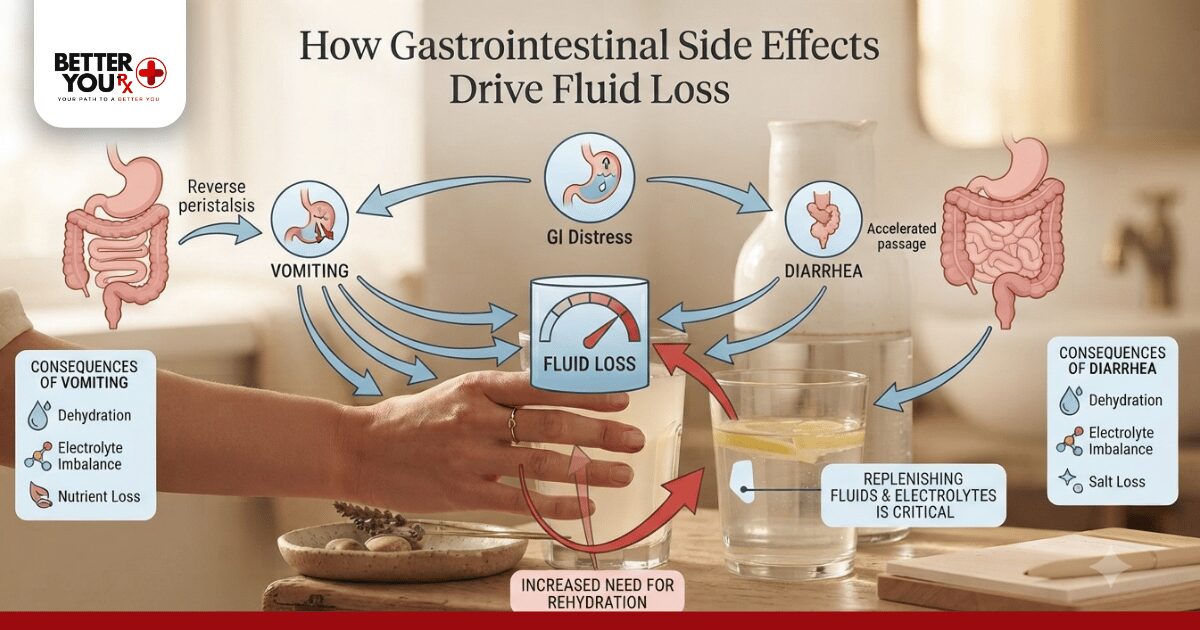
Diarrhea and vomiting, when they occur, compound the problem by removing fluid and electrolytes directly rather than simply reducing intake. This combination, reduced drinking plus increased fluid loss, is the core reason Retatrutide hydration needs shift upward during active titration phases rather than staying constant throughout a research protocol.
Patients enrolled in GLP-1 and GIP receptor agonist research programs frequently report that the first ten to fourteen days after a dose increase are when thirst signals feel muted or delayed, and supervising providers often note this pattern during routine check-ins. Most healthcare providers overseeing investigational GLP-1 based therapies follow established clinical protocols for monitoring hydration status and electrolyte balance throughout titration, rather than waiting for symptoms to appear.
Things To Know
- Thirst is not a reliable early warning sign during dose titration; scheduled sipping works better than waiting to feel thirsty
- Fluid needs are typically highest in the 48 to 72 hours following a dose adjustment, based on general GLP-1 and GIP research patterns
- Caffeinated and alcoholic beverages do not count toward hydration goals and can worsen nausea
- Cold or room-temperature water is often better tolerated than warm liquids when nausea is present
- Any specific fluid target should come from a supervising physician, since individual tolerance during Retatrutide research varies considerably
How Gastrointestinal Side Effects Drive Fluid Loss
| Common Side Effect | Why It Raises Fluid Needs | Practical Response |
| Nausea | Reduces voluntary fluid intake even though the body still needs water | Small, frequent sips rather than large glasses at once |
| Vomiting | Removes fluid and electrolytes directly from the body | Clear fluids first, then broth or an electrolyte solution once tolerated |
| Diarrhea | Rapid loss of water, sodium, and potassium | Oral rehydration solutions or electrolyte-enhanced water |
| Reduced appetite | Less fluid consumed through food, since food itself contains water | Water-rich foods like broth, melon, or cucumber when eating resumes |
| Slowed gastric emptying | Can create a false sense of fullness that discourages drinking | Spacing fluids apart from meals rather than with them |
Patients who have previously used medications such as Mounjaro Kwikpen or Zepbound Kwikpen often recognize this pattern, since GLP-1 and GIP receptor agonists share a similar gastrointestinal side effect profile even though Retatrutide’s triple mechanism is still under investigation.
Which Hydration Strategy Works Best
Choosing the right fluid depends on what symptom is driving the loss. Plain water restores volume but does not replace electrolytes lost through vomiting or diarrhea. Electrolyte solutions replace sodium and potassium but are not meant to be a person’s only fluid source throughout the day. Broth-based fluids offer sodium and a small amount of nutrition when solid food is difficult to tolerate.
| Hydration Method | Best For | Why It Helps |
| Plain water | General daily fluid maintenance | Simple, calorie-free volume replacement |
| Oral electrolyte solution | Active vomiting or diarrhea | Replaces sodium and potassium alongside water |
| Broth or bouillon | Low appetite with nausea | Provides sodium and mild nutritional support |
| Water-rich fruit or vegetables | Reduced fluid intake without acute GI symptoms | Adds fluid volume through food when drinking feels difficult |
The most applicable option is rarely just one of these on its own. Most providers recommend layering plain water as the baseline and adding an electrolyte solution specifically during flare-ups of vomiting or diarrhea, rather than relying on electrolyte drinks continuously.

Recognizing When Fluid Loss Needs Medical Attention
Mild dehydration can usually be managed at home with deliberate fluid intake. According to the Mayo Clinic’s overview of dehydration symptoms, warning signs such as dark urine, dizziness, confusion, or a rapid heartbeat indicate that fluid loss has progressed beyond what home measures can safely address. Anyone experiencing these symptoms during Retatrutide research participation should contact their supervising physician rather than waiting to see if symptoms resolve on their own.
Persistent vomiting that prevents keeping any fluids down for more than a few hours is another signal that professional evaluation is needed. This is consistent with general clinical guidance for any medication that affects gastric emptying, not unique to Retatrutide specifically.
For readers weighing Retatrutide against other investigational options, the comparison in Retatrutide vs Tirzepatide covers how side effect timing differs between the two, while Retatrutide side effects outlines the broader symptom picture beyond hydration alone.
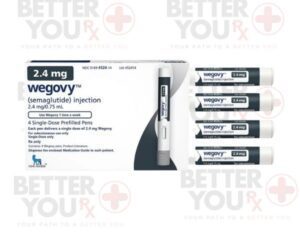
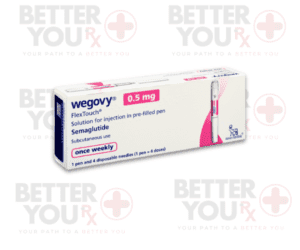
Buy Wegovy from Canada
Original price was: $609.99.$596.99Current price is: $596.99.

Building a Daily Fluid Routine
A steady routine works better than reactive drinking. Spacing eight to ten small servings of fluid throughout the day, rather than two or three large ones, tends to sit better with a slowed digestive system. Keeping a water bottle visible as a passive reminder, setting phone alerts during the first week after a dose change, and pairing fluid intake with existing habits like waking up or finishing a meal are simple structural changes that make a measurable difference for many patients.
Patients transitioning between weight management options sometimes ask their provider whether alternatives such as Wegovy carry the same hydration considerations. The general answer is yes, since gastric slowing is a shared mechanism across this medication class, though individual tolerance still varies. Reviewing Retatrutide benefits alongside these practical fluid strategies gives a fuller picture of what a titration period may involve.
Things To Know During Dose Changes
- Fluid needs typically peak shortly after a dose increase, then taper as the body adjusts
- Reintroducing food slowly after a vomiting episode helps avoid re-triggering nausea before hydration is restored
- Sports drinks marketed for athletic performance often contain more sugar than needed for simple rehydration
- A supervising physician can adjust the pace of any research protocol if hydration challenges become difficult to manage
Staying Ahead of Retatrutide Hydration Needs
Fluid management during Retatrutide research participation comes down to anticipating symptoms rather than reacting to them. Understanding why gastric slowing affects thirst, layering the right fluid type for the right symptom, and knowing which warning signs require a call to a supervising physician all make titration periods more manageable. Anyone participating in a Retatrutide research protocol should treat these hydration strategies as a starting conversation with their provider rather than a fixed set of rules to follow alone.
Frequently Asked Questions
Does Retatrutide cause dehydration directly?
Retatrutide does not cause dehydration on its own; the risk comes from associated nausea, vomiting, or diarrhea. These gastrointestinal effects reduce fluid intake or increase fluid loss, which is what actually drives dehydration risk during titration.
How much water should I drink during Retatrutide research participation?
There is no universal number, since fluid needs depend on symptoms and body size. A supervising physician can set an individualized target based on tolerance and any gastrointestinal side effects experienced.
What are early signs that hydration needs attention?
Dark yellow urine, dry mouth, and unusual fatigue are early indicators. These typically appear before more serious symptoms like dizziness or a rapid heartbeat develop.
Do electrolyte drinks help with hydration during titration?
Yes, particularly during active vomiting or diarrhea episodes. Outside of those episodes, plain water is usually sufficient for daily maintenance.
Why does thirst feel unreliable during a dose increase?
Slowed gastric emptying and appetite suppression can dull normal thirst signals. This is why scheduled sipping is often recommended over waiting to feel thirsty during the first weeks after a dose change.
Sources
- Mayo Clinic — Overview of dehydration symptoms, causes, and when fluid loss requires medical evaluation.
- National Institute of Diabetes and Digestive and Kidney Diseases — Information on gastrointestinal symptoms, including diarrhea-related fluid and electrolyte loss.
- Nutrients (peer-reviewed journal) — Research on rehydration strategies and fluid replacement physiology.
- Cleveland Clinic — Patient-facing overview of dehydration recognition and general fluid replacement guidance.
Medical Disclaimer: This article is for informational purposes only and is not a substitute for professional medical advice, diagnosis, or treatment. Retatrutide remains an investigational medication, and any dosing, titration, or hydration guidance referenced here should be discussed with and supervised by a licensed healthcare provider. Always consult a physician before starting, adjusting, or discontinuing any treatment.