
Compounded tirzepatide is no longer widely available for general use, because the national supply shortage that once permitted large-scale pharmacy compounding was resolved in late 2024. Today, a state-licensed pharmacy can only prepare it when a prescriber documents a specific clinical reason, such as an allergy to an inactive ingredient in the brand-name product or a dose strength that isn’t sold commercially. For most patients, brand-name Tirzepatide, sold as Mounjaro for type 2 diabetes and Zepbound for weight management, is now the practical, widely stocked path forward, dispensed through a licensed contracted dispensing department once a valid prescription is on file.
Key Takeaways
- Compounded tirzepatide is no longer available for cost or convenience reasons alone; access now requires documented medical necessity through a state-licensed pharmacy.
- Brand-name Tirzepatide, sold as Mounjaro and Zepbound, is broadly available now that the supply shortage that once allowed wide-scale compounding has been resolved.
- A valid, English-language prescription from a primary care physician or licensed medical doctor practicing in the United States is required before either option can move forward.
- Tirzepatide’s dual GIP/GLP-1 mechanism gives it a modest edge over single-action GLP-1 medications like Ozempic in head-to-head comparisons.
- A starting 2.5 mg dose of Tirzepatide is meant as the first step of titration, not a standalone long-term weight-loss dose.
What Is Compounded Tirzepatide?
Tirzepatide is the active ingredient behind Mounjaro and Zepbound, two once-weekly injectable medications built to activate both the GIP and GLP-1 hormone receptors at once. A compounded version refers to that same active ingredient prepared by a pharmacy rather than manufactured and packaged by the original drug maker. During a multi-year shortage between 2022 and late 2024, state-licensed compounding pharmacies stepped in to prepare custom vials of Tirzepatide, often combined with additives like vitamin B12 or niacinamide, to fill a gap that standard manufacturing could not close fast enough.
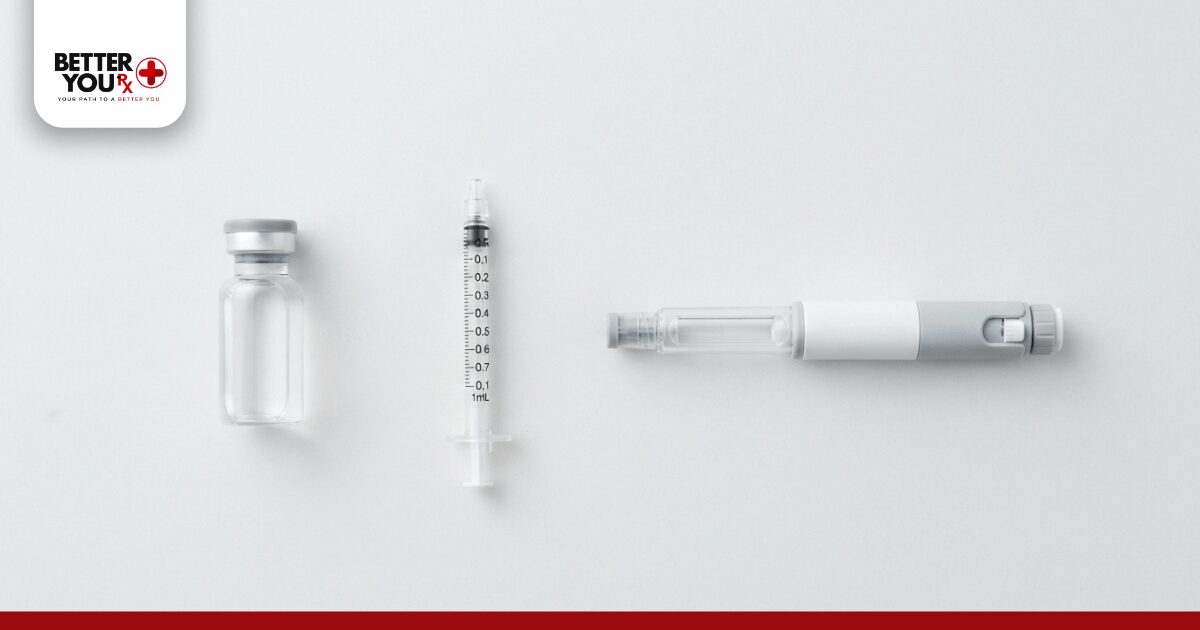
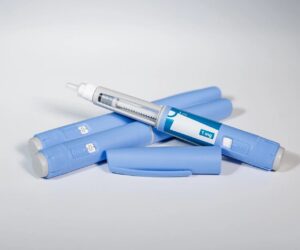
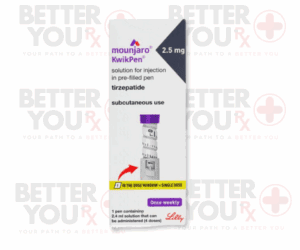
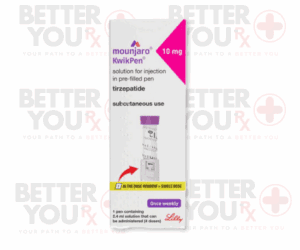
Those vials typically arrived as multi-dose liquid, paired with insulin-style syringes, rather than the prefilled pen most patients recognize from Mounjaro or Zepbound. That distinction matters, because measuring an individual dose from a vial adds a manual step that a prefilled pen removes entirely.
Why It Became So Popular During the Shortage Years
When demand for Tirzepatide outpaced what manufacturers could produce, waitlists stretched for months and self-pay pricing for brand-name pens climbed well past what many households could absorb. A compounded version filled that gap at a noticeably lower monthly cost, and telehealth platforms built entire businesses around fast access to it.
Providers who worked through that period often describe the same pattern: patients arriving after weeks of searching for any pharmacy with brand-name product in stock, relieved to find an alternative that let them start treatment without more delay. That real-world urgency is part of why the compounding market grew as quickly as it did between 2022 and 2024.
Most healthcare providers now follow established clinical protocols when deciding whether this kind of pharmacy-prepared option is appropriate for a given patient, since the circumstances that once justified broad compounding have changed substantially.
The Current Landscape for Tirzepatide Access
The national supply shortage that once permitted large-scale compounding was formally resolved in late 2024, and the wind-down period for large-scale compounding operations closed through the first half of 2025. That shift changed the rules significantly. A state-licensed pharmacy can still prepare an individually customized formulation, but only when a prescriber documents a specific clinical reason, such as a verified allergy to an inactive ingredient in the brand-name product, or a dose strength that isn’t sold commercially.
Cost alone, convenience, or a general preference for a lower price point no longer qualifies as a basis for pharmacy compounding. Mounjaro and Zepbound, by contrast, are widely stocked through standard retail and specialty pharmacies, with no special exception required to fill a prescription.
Patients who were previously using a compounded protocol are generally encouraged to discuss next steps with their prescriber rather than continuing without a documented reason on file. In many cases, transitioning to brand-name Mounjaro or Zepbound through a standard prescription referral turns out to be simpler and more predictable than trying to qualify for a narrow compounding exception.
Brand-Name Tirzepatide vs. Compounded Formulas: A Side-by-Side Look
| Factor | Brand-Name Tirzepatide | Pharmacy-Compounded Version |
|---|---|---|
| Current access | Any patient with a valid prescription | Documented medical necessity only |
| Delivery format | Prefilled, pre-measured injection pen | Typically a multi-dose vial, manually measured |
| Added ingredients | Single active ingredient only | May include additives such as B12 or niacinamide |
| Dose consistency | Standardized in every pen | Depends on individual pharmacy practices |
| Typical pricing | Set pricing through a licensed dispensing department | Historically lower, now less predictable |
Quality assurance is where the two paths diverge most. Brand-name pens undergo identical testing and sterility checks in every batch that leaves the manufacturer, while a compounded vial’s quality depends on the sourcing and technique used by that specific pharmacy. Patients who followed a compounded protocol during the shortage years sometimes noticed variation in how consistently a dose felt from one vial to the next, something rarely reported with prefilled brand-name pens.
Things To Know About Tirzepatide Access Today
- A prescription for compounded tirzepatide must include documented clinical justification; a general request for a lower-cost option does not meet that standard.
- Measuring a dose from a compounded vial relies on the patient or caregiver drawing up the correct amount, which introduces more room for error than a prefilled pen.
- Mounjaro is approved specifically for type 2 diabetes management, while Zepbound targets weight management, though both share the same active ingredient.
- A prescription must come from a primary care physician or licensed medical doctor practicing in the United States and be written in English before a referral can move forward.
- Shipping applies to a patient’s residence for personal use only; prescriptions cannot be sent to a doctor’s office, clinic, or hospital.
Choosing What’s Right for You: Why, How, and Which Option Makes Sense
Why does this distinction matter? Because the active ingredient is the same, but the oversight behind it is not. Brand-name Tirzepatide goes through standardized manufacturing and quality checks on every batch. A pharmacy-compounded version is prepared individually, so consistency depends heavily on the specific pharmacy doing the work.
How should someone decide? Start with the reason a compounded formulation would even be considered. If it is a genuine allergy to an inactive ingredient, or a dose strength that Mounjaro and Zepbound do not offer, a documented conversation with a prescriber is the appropriate next step. If the interest is purely about lowering the monthly cost, brand-name Tirzepatide accessed through a straightforward prescription referral is the more stable, currently compliant path.
Which option applies depends almost entirely on individual clinical circumstances rather than preference. For the overwhelming majority of patients today, brand-name Mounjaro or Zepbound is the practical, widely available choice, dispensed through a licensed contracted dispensing department once a valid prescription is received.
Tirzepatide Dosage Tiers at a Glance
| Dose | Typical Purpose | Notes |
|---|---|---|
| 2.5 mg | Starting dose for the first 4 weeks | Allows the body to adjust; not intended as a standalone long-term dose |
| 5 mg | First maintenance step | Common early plateau for tolerability |
| 7.5 mg | Mid-range titration step | Often introduced if additional effect is needed |
| 10 mg | Higher maintenance range | Associated with more pronounced appetite and glucose effects |
| 12.5 mg | Upper titration step | Reserved for patients tolerating lower doses well |
| 15 mg | Maximum studied dose | Used when maximum effect is clinically appropriate |
Doses in this range are identical across Mounjaro and Zepbound, and the titration schedule that pharmacy-compounded protocols historically followed generally mirrored this same structure, since it reflects the pharmacology of the active ingredient itself rather than the brand behind it.
Most healthcare providers space each increase about four weeks apart, giving the digestive system time to adjust before moving to the next tier. Skipping ahead in the schedule tends to increase nausea and other digestive side effects without necessarily speeding up results, which is why a gradual, provider-guided titration remains the standard approach regardless of which formulation a patient starts with.
For patients comparing GLP-1 options broadly, Mounjaro and Zepbound remain the two brand-name pathways carrying the tirzepatide molecule, while Ozempic represents the semaglutide-based alternative many patients ask about when weighing GLP-1 medications side by side.
According to Cleveland Clinic’s comparison of tirzepatide and semaglutide, the dual-hormone mechanism behind Tirzepatide has shown a modest edge over semaglutide in head-to-head weight and blood sugar outcomes, which is part of why interest in the medication, brand-name or otherwise, has stayed so high.
For readers weighing next-generation options, how Retatrutide stacks up against Tirzepatide is a useful next read, along with how Mounjaro compares to Trulicity for patients weighing older GLP-1 medications against newer dual-agonist options. Readers curious about the investigational compound behind some of the recent buzz can also review Retatrutide’s reported benefits.
Buy Acetazolamide from Canada
Original price was: $60.00.$30.95Current price is: $30.95.
Buy Activelle from Canada
Original price was: $100.00.$90.95Current price is: $90.95.
Buy Acular Ls Ophthalmic Solution from Canada
Original price was: $70.00.$30.95Current price is: $30.95.
Buy Aczone from Canada
Original price was: $123.00.$110.95Current price is: $110.95.
Buy Addyi (Flibanserin) from Canada
Original price was: $566.00.$374.99Current price is: $374.99.
Buy Aerius (Desloratadine) from Canada
Original price was: $77.99.$51.99Current price is: $51.99.
Buy Afinitor (Everolimus) from Canada
Original price was: $16,417.00.$2,559.00Current price is: $2,559.00.
Buy Airomir Inhaler from Canada
Original price was: $70.00.$6.33Current price is: $6.33.
Buy Alecensa (Alectinib) from Canada
Original price was: $21,522.10.$21,512.10Current price is: $21,512.10.
Buy Aleve Caplets from Canada
Original price was: $60.00.$14.63Current price is: $14.63.
Buy Alfuzosin from Canada
Original price was: $50.00.$27.32Current price is: $27.32.
Buy Alunbrig (Brigatinib) from Canada
Original price was: $22,959.06.$22,949.06Current price is: $22,949.06.
Buy Anandron from Canada
Original price was: $563.00.$332.99Current price is: $332.99.
Buy Anoro Ellipta Inhaler from Canada
Original price was: $256.00.$155.99Current price is: $155.99.
Buy Anusol from Canada
Original price was: $67.00.$54.95Current price is: $54.95.
Buy Anusol HC Suppositories from Canada
Original price was: $78.00.$54.95Current price is: $54.95.
Buy Anusol Plus Suppositories from Canada
Original price was: $23.00.$17.25Current price is: $17.25.
Buy Apidra Cartridge from Canada
Original price was: $319.00.$309.00Current price is: $309.00.
Buy Apidra Vial from Canada
Original price was: $79.00.$65.99Current price is: $65.99.
Buy Aptivus (Tipranavir) from Canada
Original price was: $3,444.00.$786.99Current price is: $786.99.
Buy Atazor (Atazanavir) from Canada
Original price was: $99.99.$88.99Current price is: $88.99.
Buy Atazor-R (Atazanavir/Ritonavir) from Canada
Original price was: $200.00.$71.99Current price is: $71.99.
Buy Atrovent Inhaler from Canada
Original price was: $62.00.$52.99Current price is: $52.99.
Buy Avodart (Dutasteride) from Canada
Original price was: $170.00.$101.99Current price is: $101.99.
Buy Azithromycin from Canada
Original price was: $56.00.$26.99Current price is: $26.99.
Buy Azopt (Brinzolamide) from Canada
Original price was: $78.00.$60.99Current price is: $60.99.
Buy Basaglar Cartridge from Canada
Original price was: $159.99.$121.99Current price is: $121.99.
Buy BD Nano Pro Pen Needles Ultrafine from Canada
Original price was: $100.00.$53.99Current price is: $53.99.
Buy Beclate HFA Inhaler from Canada
Original price was: $78.00.$37.99Current price is: $37.99.
Buy Beclomethasone Nasal Spray from Canada
Original price was: $67.00.$40.99Current price is: $40.99.
Buy Benadryl Itch Stick from Canada
Original price was: $34.00.$15.99Current price is: $15.99.
Buy Betaderm Cream from Canada
Original price was: $67.00.$52.38Current price is: $52.38.
Buy Betoptic S from Canada
Original price was: $56.00.$40.95Current price is: $40.95.
Buy Biktarvy from Canada
Original price was: $2,547.00.$1,469.99Current price is: $1,469.99.
Buy Bosulif (Bosutinib Monohydrate) from Canada
Original price was: $20,535.00.$20,525.00Current price is: $20,525.00.
Buy Breo Ellipta from Canada
Original price was: $239.99.$196.99Current price is: $196.99.
Buy Bricanyl from Canada
Original price was: $56.00.$36.99Current price is: $36.99.
Buy Brimonidine from Canada
Original price was: $34.00.$22.13Current price is: $22.13.
Buy Brimonidine P from Canada
Original price was: $56.00.$52.99Current price is: $52.99.
Buy Brukinsa (Zanubrutinib) from Canada
Original price was: $15,274.00.$15,264.00Current price is: $15,264.00.
Buy Budesonide from Canada
Original price was: $67.00.$36.61Current price is: $36.61.
Buy Cabometyx (Cabozantinib) from Canada
Original price was: $26,380.00.$26,370.00Current price is: $26,370.00.
Buy Calquence (Acalabrutinib) from Canada
Original price was: $15,731.00.$15,721.00Current price is: $15,721.00.
Buy Ceftrisol Plus (Ceftriaxone) from Canada
Original price was: $42.58.$32.58Current price is: $32.58.
Buy Cellcept from Canada
Original price was: $345.00.$309.99Current price is: $309.99.
Buy Champix (Chantix) Continue Pack from Canada
Original price was: $138.00.$128.38Current price is: $128.38.
Buy Champix (Chantix) Starter Pack from Canada
Original price was: $179.00.$169.88Current price is: $169.88.
Buy Ciprodex Otic Suspension from Canada
Original price was: $70.00.$67.99Current price is: $67.99.
Buy Clasteon from Canada
Original price was: $345.00.$282.00Current price is: $282.00.
Buy Clobetasol Ointment from Canada
Original price was: $92.00.$52.99Current price is: $52.99.
Buy Clobetasol Scalp Lotion from Canada
Original price was: $62.00.$53.99Current price is: $53.99.
Buy Clobetasol Cream from Canada
Original price was: $56.00.$52.99Current price is: $52.99.
Buy Clobex Spray from Canada
Original price was: $300.00.$256.45Current price is: $256.45.
Buy Clonate Ointment from Canada
Original price was: $56.00.$27.99Current price is: $27.99.
Buy Clonate Scalp Lotion from Canada
Original price was: $56.00.$38.99Current price is: $38.99.
Buy Clopidogrel tablets from Canada
Original price was: $45.00.$27.63Current price is: $27.63.
Buy Colchicine Tablets from Canada
Original price was: $80.00.$59.99Current price is: $59.99.
Buy Combivent Respimat from Canada
Original price was: $80.00.$53.99Current price is: $53.99.
Buy Complera from Canada
Original price was: $3,657.00.$1,966.99Current price is: $1,966.99.
Buy Cotellic (Cobimetinib Fumarate) from Canada
Original price was: $8,113.00.$8,103.00Current price is: $8,103.00.
Buy Creon from Canada
Original price was: $140.00.$132.25Current price is: $132.25.
Buy Cyclosporine Ophthalmic Emulsion from Canada
Original price was: $165.00.$162.60Current price is: $162.60.
Buy Cyproterone Acetate from Canada
Original price was: $256.00.$140.17Current price is: $140.17.
Buy Cytoxan (Cyclophosphamide) from Canada
Original price was: $140.00.$130.00Current price is: $130.00.
Buy Darzalex from Canada
Original price was: $11,000.00.$9,457.99Current price is: $9,457.99.
Buy Daxas Tablets from Canada
Original price was: $100.00.$96.99Current price is: $96.99.
Buy Dermotic Oil Ear Drops from Canada
Original price was: $67.00.$51.99Current price is: $51.99.
Buy Dermovate Cream from Canada
Original price was: $56.00.$34.99Current price is: $34.99.
Buy Dermovate Hair Lotion from Canada
Original price was: $67.00.$34.99Current price is: $34.99.
Buy Descovy from Canada
Original price was: $2,010.00.$1,172.99Current price is: $1,172.99.
Buy Desonide Cream from Canada
Original price was: $66.00.$44.95Current price is: $44.95.
Buy Dihydroergotamine (DHE) Injection from Canada
Original price was: $342.00.$143.99Current price is: $143.99.
Buy Dihydroergotamine Injection from Canada
Original price was: $86.63.$53.73Current price is: $53.73.
Buy Dilantin Infatabs Tablets from Canada
Original price was: $85.00.$36.99Current price is: $36.99.
Buy Dilantin Suspension from Canada
Original price was: $85.00.$38.88Current price is: $38.88.
Buy Dovato from Canada
Original price was: $2,978.00.$1,502.99Current price is: $1,502.99.
Buy Duolin Inhaler from Canada
Original price was: $67.00.$32.99Current price is: $32.99.
Buy Durezol Ophthalmic Eyedrops from Canada
Original price was: $75.00.$67.99Current price is: $67.99.
Buy Dutasteride Tablets from Canada
Original price was: $71.99.$47.99Current price is: $47.99.
Buy Edarbyclor Tablets from Canada
Original price was: $80.00.$76.99Current price is: $76.99.
Buy Elidel Cream from Canada
Original price was: $300.00.$272.00Current price is: $272.00.
Buy Enbrel Pre-filled SureClick Auto Injector from Canada
Original price was: $3,000.00.$2,407.99Current price is: $2,407.99.
Buy Entocort Enema Tablets from Canada
Original price was: $191.00.$138.99Current price is: $138.99.
Buy Erivedge (Vismodegib) from Canada
Original price was: $12,310.00.$12,300.00Current price is: $12,300.00.
Buy Estragyn Vaginal Cream from Canada
Original price was: $67.00.$54.00Current price is: $54.00.
Buy Estring Vaginal Ring from Canada
Original price was: $190.00.$136.99Current price is: $136.99.
Buy Evra Patches from Canada
Original price was: $78.00.$50.00Current price is: $50.00.
Buy Exemestane Tablets from Canada
Original price was: $190.00.$188.99Current price is: $188.99.
Buy Fiasp Cartridge from Canada
Original price was: $160.00.$115.99Current price is: $115.99.
Buy Fiasp Flextouch from Canada
Original price was: $134.99.$104.99Current price is: $104.99.
Buy Finacea Azelaic Acid Gel from Canada
Original price was: $90.00.$78.99Current price is: $78.99.
Buy Finasteride Gluten Free from Canada
Original price was: $123.00.$94.99Current price is: $94.99.
Buy Flarex Ophthalmic Solution from Canada
Original price was: $55.00.$33.99Current price is: $33.99.
Buy Flexitol Anti-Fungal Liquid from Canada
Original price was: $55.00.$17.99Current price is: $17.99.
Buy Florinef Acetate from Canada
Original price was: $78.00.$64.95Current price is: $64.95.
Buy Fluphenazine from Canada
Original price was: $250.00.$99.95Current price is: $99.95.
Buy Fluticasone Nasal Spray from Canada
Original price was: $78.00.$24.99Current price is: $24.99.
Buy FML Liquifilm Eye Drops from Canada
Original price was: $67.00.$27.99Current price is: $27.99.
Buy Fulvestrant from Canada
Original price was: $2,000.00.$891.99Current price is: $891.99.
Buy Genvoya from Canada
Original price was: $4,473.15.$2,011.99Current price is: $2,011.99.
Buy Gilotrif (Afatinib) from Canada
Original price was: $95.13.$85.13Current price is: $85.13.
Buy Gleevec from Canada
Original price was: $8,894.00.$4,262.99Current price is: $4,262.99.
Buy Gleostine (Lomustine) from Canada
Original price was: $568.00.$558.00Current price is: $558.00.
Buy Glucagon Emergency Kit from Canada
Original price was: $205.00.$129.00Current price is: $129.00.
Buy Glucagon HypoKit from Canada
Original price was: $326.47.$316.47Current price is: $316.47.
Buy Harvoni from Canada
Original price was: $1,010.00.$1,000.00Current price is: $1,000.00.
Buy Humalog Cartridge from Canada
Original price was: $160.00.$102.99Current price is: $102.99.
Buy Humalog from Canada
Original price was: $119.99.$109.99Current price is: $109.99.
Buy Humalog Junior Kwikpen from Canada
Original price was: $180.00.$109.99Current price is: $109.99.
Buy Humalog Kwikpen from Canada
Original price was: $199.00.$156.99Current price is: $156.99.
Buy Humalog Mix Cartridge from Canada
Original price was: $120.99.$93.02Current price is: $93.02.
Buy Humulin Cartridge from Canada
Original price was: $150.00.$83.99Current price is: $83.99.
Buy Humulin N Kwikpen from Canada
Original price was: $109.99.$87.99Current price is: $87.99.
Buy Humulin N Vial from Canada
Original price was: $85.00.$62.99Current price is: $62.99.
Buy Humulin R Vial from Canada
Original price was: $190.00.$86.99Current price is: $86.99.
Buy Humulin Vial from Canada
Original price was: $190.00.$90.99Current price is: $90.99.
Buy Hydroxychloroquine from Canada
Original price was: $79.00.$60.99Current price is: $60.99.
Buy Ibrance (Palbociclib) from Canada
Original price was: $13,010.00.$6,357.99Current price is: $6,357.99.
Buy Ilevro Ophthalmic Suspension from Canada
Original price was: $45.00.$33.34Current price is: $33.34.
Buy Imbruvica (Ibrutinib) from Canada
Original price was: $12,499.99.$11,014.99Current price is: $11,014.99.
Buy Imitrex Nasal Spray from Canada
Original price was: $89.00.$76.99Current price is: $76.99.
Buy Incruse Ellipta from Canada
Original price was: $357.14.$347.14Current price is: $347.14.
Buy Inlyta (Axitinib) from Canada
Original price was: $510.00.$500.00Current price is: $500.00.
Buy Inqovi (Cedazuridine / Decitabine) from Canada
Original price was: $122.99.$112.99Current price is: $112.99.
Buy Insulin Apidra Solostar Pens from Canada
Original price was: $130.00.$121.99Current price is: $121.99.
Buy Insulin Basaglar Kwikpen from Canada
Original price was: $159.99.$115.99Current price is: $115.99.
Buy Insulin Humalog Vial from Canada
Original price was: $74.99.$62.99Current price is: $62.99.
Buy Insulin Lantus Solostar from Canada
Original price was: $199.99.$186.99Current price is: $186.99.
Buy Insulin Levemir Flextouch from Canada
Original price was: $204.99.$200.00Current price is: $200.00.
Buy Insulin Levemir Penfill Cartridges from Canada
Original price was: $345.00.$213.99Current price is: $213.99.
Buy Insulin Novolin ge NPH PenFill from Canada
Original price was: $123.00.$94.99Current price is: $94.99.
Buy Insulin Novolin ge NPH Vial from Canada
Original price was: $79.99.$78.99Current price is: $78.99.
Buy Insulin Novolin GE Vial from Canada
Original price was: $90.00.$78.99Current price is: $78.99.
Buy Insulin Novomix Penfill from Canada
Original price was: $147.00.$143.99Current price is: $143.99.
Buy Insulin Novorapid FlexPens from Canada
Original price was: $165.99.$125.00Current price is: $125.00.
Buy Insulin Novorapid PenFill from Canada
Original price was: $165.99.$139.99Current price is: $139.99.
Buy Insulin Novorapid Vial from Canada
Original price was: $184.99.$85.99Current price is: $85.99.
Buy Insulin Tresiba Flextouch from Canada
Original price was: $356.00.$193.99Current price is: $193.99.
Buy Intelence from Canada
Original price was: $1,900.00.$1,180.99Current price is: $1,180.99.
Buy Ipravent from Canada
Original price was: $67.00.$30.99Current price is: $30.99.
Buy Iressa (Gefitinib) from Canada
Original price was: $6.97.$5.97Current price is: $5.97.
Buy Isentress (Raltegravir) from Canada
Original price was: $1,989.28.$1,258.99Current price is: $1,258.99.
Buy Isopropyl Alcohol from Canada
Original price was: $96.00.$27.99Current price is: $27.99.
Buy Isopto Carpine from Canada
Original price was: $42.00.$29.99Current price is: $29.99.
Buy Isosorbide Dinitrate from Canada
Original price was: $45.00.$35.95Current price is: $35.95.
Buy K-Citra Potassium Citrate from Canada
Original price was: $120.00.$67.99Current price is: $67.99.
Buy Kaletra from Canada
Original price was: $1,200.00.$1,056.99Current price is: $1,056.99.
Buy Kesimpta from Canada
Original price was: $3,000.00.$2,883.99Current price is: $2,883.99.
Buy Ketorolac Vial from Canada
Original price was: $70.00.$66.31Current price is: $66.31.
Buy Kivexa from Canada
Original price was: $1,350.00.$1,269.99Current price is: $1,269.99.
Buy Klisyri (Tirbanibulin) from Canada
Original price was: $4,786.50.$4,776.50Current price is: $4,776.50.
Buy Koselugo (Selumetinib Sulfate) from Canada
Original price was: $12,600.00.$12,500.00Current price is: $12,500.00.
Buy Lacrisert Ophthalmic Insert from Canada
Original price was: $456.00.$323.99Current price is: $323.99.
Buy Lantus Cartridges from Canada
Original price was: $234.00.$167.99Current price is: $167.99.
Buy Lantus Vial from Canada
Original price was: $155.00.$140.99Current price is: $140.99.
Buy Lenvima (lenvatinib) from Canada
Original price was: $134.67.$124.67Current price is: $124.67.
Buy Lonsurf (Tipiracil Hydrochloride / Trifluridine) from Canada
Original price was: $5,612.78.$5,602.78Current price is: $5,602.78.
Buy Losec Capsules from Canada
Original price was: $45.00.$33.39Current price is: $33.39.
Buy Lotemax Ophthalmic Ointment from Canada
Original price was: $123.00.$48.99Current price is: $48.99.
Buy Lucentis Prefilled Syringe from Canada
Original price was: $3,000.00.$2,584.99Current price is: $2,584.99.
Buy Lucentis Vial from Canada
Original price was: $3,000.00.$2,534.99Current price is: $2,534.99.
Buy Lumakras (Sotorasib) from Canada
Original price was: $21,196.00.$21,186.00Current price is: $21,186.00.
Buy Lumigan RC Ophthalmic Solution from Canada
Original price was: $150.00.$130.99Current price is: $130.99.
Buy Lynparza (Olaparib) from Canada
Original price was: $8,384.00.$5,008.99Current price is: $5,008.99.
Buy Megace (Megestrol) from Canada
Original price was: $52.84.$42.84Current price is: $42.84.
Buy Mekinist (Trametinib dimethyl sulfoxide) from Canada
Original price was: $12,599.99.$11,621.99Current price is: $11,621.99.
Buy Methazolamide from Canada
Original price was: $119.00.$110.99Current price is: $110.99.
Buy Methazolamide Online From Canada
Original price was: $200.00.$110.99Current price is: $110.99.
Buy Methotrexate Sodium from Canada
Original price was: $48.91.$38.91Current price is: $38.91.
Buy Mezavant ER from Canada
Original price was: $455.00.$336.90Current price is: $336.90.
Buy Migranal Nasal Spray from Canada
Original price was: $67.00.$59.95Current price is: $59.95.
Buy Mometasone Nasal Spray from Canada
Original price was: $55.00.$27.99Current price is: $27.99.
Buy Mometasone Nasal Spray from Canada
Original price was: $41.99.$13.99Current price is: $13.99.
Buy Myleran (Busulfan) from Canada
Original price was: $5,263.00.$5,253.00Current price is: $5,253.00.
Buy Nasonex Aqueous Nasal Spray from Canada
Original price was: $89.00.$40.99Current price is: $40.99.
Buy Nevanac Ophthalmic Suspension from Canada
Original price was: $89.00.$29.60Current price is: $29.60.
Buy Nicorette Cinnamongum from Canada
Original price was: $78.00.$62.95Current price is: $62.95.
Buy Nicorette Extreme Chillgum from Canada
Original price was: $70.00.$62.95Current price is: $62.95.
Buy Nicorette Fresh Fruitgum from Canada
Original price was: $78.00.$62.95Current price is: $62.95.
Buy Nicorette Inhaler from Canada
Original price was: $55.00.$45.99Current price is: $45.99.
Buy Nitrolingual Pumpspray from Canada
Original price was: $56.00.$27.95Current price is: $27.95.
Buy Nizoral Shampoo from Canada
Original price was: $45.00.$23.95Current price is: $23.95.
Buy Noritate Cream from Canada
Original price was: $67.00.$52.99Current price is: $52.99.
Buy Novolin GE Toronto Pen from Canada
Original price was: $115.00.$105.00Current price is: $105.00.
Buy Novolog Flexpens from Canada
Original price was: $140.99.$130.99Current price is: $130.99.
Buy NuvaRing Vaginal Ring from Canada
Original price was: $89.00.$50.99Current price is: $50.99.
Buy Nystatin Oral Suspension from Canada
Original price was: $56.00.$40.00Current price is: $40.00.
Buy Odefsey from Canada
Original price was: $3,460.14.$1,888.99Current price is: $1,888.99.
Buy Omnaris Nasal Spray from Canada
Original price was: $78.00.$62.99Current price is: $62.99.
Buy Otrivin Measured Dose Pump from Canada
Original price was: $55.00.$41.99Current price is: $41.99.
Buy Otrivin Nasal Spray from Canada
Original price was: $55.00.$30.99Current price is: $30.99.
Buy Ovidrel Syringe from Canada
Original price was: $111.00.$109.38Current price is: $109.38.
Buy Palladia (Toceranib) Pet Medicine from Canada
Original price was: $38.73.$28.73Current price is: $28.73.
Buy Pataday phthalmic Solution from Canada
Original price was: $89.00.$68.99Current price is: $68.99.
Buy Paxil CR Tablets from Canada
Original price was: $150.00.$124.99Current price is: $124.99.
Buy Pentasa Enema from Canada
Original price was: $129.00.$110.99Current price is: $110.99.
Buy Pentasa Suppositories from Canada
Original price was: $300.00.$133.99Current price is: $133.99.
Buy Pentasa Tablets from Canada
Original price was: $150.00.$96.99Current price is: $96.99.
Buy Pifeltro (Doravirine) from Canada
Original price was: $1,748.41.$1,738.41Current price is: $1,738.41.
Buy Potassium Chloride from Canada
Original price was: $55.00.$26.99Current price is: $26.99.
Buy Prednisolone Opthalmic Suspension from Canada
Original price was: $45.00.$29.95Current price is: $29.95.
Buy Pregnyl HCG from Canada
Original price was: $150.00.$128.99Current price is: $128.99.
Buy Premarin Vaginal Cream from Canada
Original price was: $89.00.$62.99Current price is: $62.99.
Buy Prezcobix from Canada
Original price was: $2,568.00.$1,119.99Current price is: $1,119.99.
Buy Prolia (Denosumab) from Canada
Original price was: $1,634.54.$700.99Current price is: $700.99.
Buy Prometrium (Progesterone) from Canada
Original price was: $150.00.$84.99Current price is: $84.99.
Buy Qvar Beclomethasone Nasal Spray from Canada
Original price was: $38.00.$29.95Current price is: $29.95.
Buy Restasis Ophthalmic Emulsion from Canada
Original price was: $305.00.$291.99Current price is: $291.99.
Buy Rhinaris Nasal Gel from Canada
Original price was: $55.00.$9.99Current price is: $9.99.
Buy Rhinaris Nasal Mist from Canada
Original price was: $55.00.$9.99Current price is: $9.99.
Buy Rhinaris Nozoil Nasal Spray from Canada
Original price was: $55.00.$37.99Current price is: $37.99.
Buy Rivaroxaban from Canada
Original price was: $210.00.$110.99Current price is: $110.99.
Buy Rocephin (Ceftriaxone) from Canada
Original price was: $42.58.$32.58Current price is: $32.58.
Buy Salofalk Tablets from Canada
Original price was: $150.00.$120.99Current price is: $120.99.
Buy Salofalk Suspension from Canada
Original price was: $120.00.$109.99Current price is: $109.99.
Buy Saxenda from Canada
Original price was: $614.99.$511.99Current price is: $511.99.
Buy Selzentry (Maraviroc) from Canada
Original price was: $235.68.$225.68Current price is: $225.68.
Buy Solifenacin Succinate from Canada
Original price was: $120.00.$55.99Current price is: $55.99.
Buy Soliqua Solostar from Canada
Original price was: $831.71.$305.99Current price is: $305.99.
Buy Solu-Cortef Act-O-Vial from Canada
Original price was: $90.00.$76.99Current price is: $76.99.
Buy Stelara from Canada
Original price was: $13,981.00.$6,929.99Current price is: $6,929.99.
Buy Sustiva (Efavirenz) from Canada
Original price was: $536.00.$526.00Current price is: $526.00.
Buy Symbicort Inhaler from Canada
Original price was: $693.75.$683.75Current price is: $683.75.
Buy Symtuza from Canada
Original price was: $4,856.00.$4,846.00Current price is: $4,846.00.
Buy Tivicay from Canada
Original price was: $1,100.00.$1,032.99Current price is: $1,032.99.
Buy Toujeo Doublestar/Solostar Prefilled Pen from Canada
Price range: $146.99 through $202.99
Buy Travatan Z Ophthalmic Solution from Canada
Original price was: $130.00.$109.99Current price is: $109.99.
Buy Trelegy Ellipta from Canada
Original price was: $234.00.$197.99Current price is: $197.99.
Buy Triumeq from Canada
Original price was: $3,744.00.$2,288.99Current price is: $2,288.99.
Buy Trulicity from Canada
Original price was: $394.99.$291.99Current price is: $291.99.
Buy Trulicity Pen from Canada
Original price was: $394.99.$291.99Current price is: $291.99.
Buy Truvada from Canada
Original price was: $2,000.00.$1,066.99Current price is: $1,066.99.
Buy Vaniqa Hair Growth Inhibitor Cream from Canada
Original price was: $150.00.$115.99Current price is: $115.99.
Buy Ventolin Diskus from Canada
Original price was: $60.00.$40.99Current price is: $40.99.
Buy Ventolin Evohaler from Canada
Original price was: $55.00.$42.95Current price is: $42.95.
Buy Ventolin HFA from Canada
Original price was: $300.00.$200.00Current price is: $200.00.
Buy Victoza from Canada
Original price was: $356.99.$266.99Current price is: $266.99.
Buy Victoza Prefilled Pen from Canada
Original price was: $438.99.$372.99Current price is: $372.99.
Buy Viracept from Canada
Original price was: $1,298.00.$1,288.00Current price is: $1,288.00.
Buy Viramune (Nevirapine) from Canada
Original price was: $579.99.$569.99Current price is: $569.99.
Buy Vitamin B12 Injection from Canada
Original price was: $55.00.$41.99Current price is: $41.99.
Buy Voltaren Emulgel Extra Strength from Canada
Original price was: $55.00.$43.99Current price is: $43.99.
Buy Voltaren Emulgel from Canada
Original price was: $55.00.$40.99Current price is: $40.99.
Buy Wegovy from Canada
Original price was: $609.99.$596.99Current price is: $596.99.
Buy Xtandi (Enzalutamide) from Canada
Original price was: $19,677.94.$4,181.99Current price is: $4,181.99.
Buy Xultophy Prefilled Pen from Canada
Original price was: $1,427.12.$341.99Current price is: $341.99.
Buy Ziagen (Abacavir) from Canada
Original price was: $174.00.$164.00Current price is: $164.00.
Buy Zomig Tablets from Canada
Original price was: $130.00.$128.99Current price is: $128.99.
Tesamorelin
Disclaimer: Amino Longevity is a contracted platform for this product. Both websites are separate entities







































































Final Thoughts on Your Tirzepatide Options
Compounded tirzepatide is not gone, but it is no longer the wide-open option it was during the shortage years. What remains is a narrow, medically justified pathway sitting next to a brand-name option that is now the practical default for most patients. Anyone weighing a pharmacy-compounded version against Mounjaro or Zepbound is really weighing documentation and consistency against a standardized, readily available product, and for most people, that comparison settles quickly in favor of brand-name Tirzepatide accessed through a straightforward prescription referral.
Better You Rx connects patients with a licensed contracted dispensing department once a valid, English-language prescription from a U.S.-based primary care physician or licensed medical doctor is on file, mailed directly to a patient’s residence for personal use.
Frequently Asked Questions
Can you still get compounded tirzepatide?
Short answer: Only in narrow cases. A state-licensed pharmacy can still prepare it, but only with documented medical necessity, such as an ingredient allergy or an unavailable dose strength, not for cost or convenience.
Is compounded tirzepatide better than regular tirzepatide?
Short answer: No. The active ingredient is identical, but brand-name Tirzepatide offers standardized manufacturing and a prefilled pen, while a compounded version depends on individual pharmacy practices.
Can you lose weight on 2.5 mg of tirzepatide?
Short answer: Some early appetite changes are possible, but 2.5 mg is a starting dose meant for the first month of titration, not a long-term weight-loss dose on its own.
How much longer will compounded tirzepatide be available?
Short answer: It is expected to stay limited to documented medical-necessity cases going forward, since the supply shortage that once allowed broader access has already been resolved.
Is tirzepatide stronger than Ozempic?
Short answer: Tirzepatide activates two hormone receptors instead of one, and clinical comparisons have generally shown a modest efficacy edge over Ozempic for both weight and blood sugar outcomes.
Sources
- Cleveland Clinic — Comparison of tirzepatide and semaglutide mechanisms, dosing, and clinical outcomes.
- Mayo Clinic — Patient drug information covering tirzepatide dosing, administration, and safety considerations.
- American Diabetes Association — Standards of Care in Diabetes, clinical guidance on incretin-based therapies.
- Nature Medicine — Published SURMOUNT trial data on tirzepatide’s weight-loss outcomes.
Medical Disclaimer: This content is for informational purposes only and is not a substitute for professional medical advice, diagnosis, or treatment. Always consult a licensed healthcare provider before starting, stopping, or changing any medication.