
Metformin for PCOS is one of the most commonly prescribed non-hormonal options for managing insulin resistance, irregular cycles, and weight challenges tied to Polycystic Ovary Syndrome. It lowers glucose production in the liver and improves how the body responds to insulin, which often restores ovulation within a few months of consistent use. Results vary by person, dosage, and how closely the medication is paired with diet and activity changes, so it rarely works as a standalone fix. Providers typically start patients on a low dose and increase it gradually to limit stomach upset, with noticeable hormonal changes usually appearing after eight to twelve weeks.
Key Takeaways
- Metformin primarily targets insulin resistance, a root driver of irregular ovulation and androgen excess in many women with PCOS.
- Weight loss tends to be modest, often a small single-digit percentage of body weight over six to twelve months rather than a dramatic drop.
- Cycle regularity and ovulation frequently improve before any noticeable change on the scale.
- Most people stay on the medication for months to years, depending on symptom control, reproductive goals, and how well it is tolerated.
What Is Metformin for PCOS Used For?
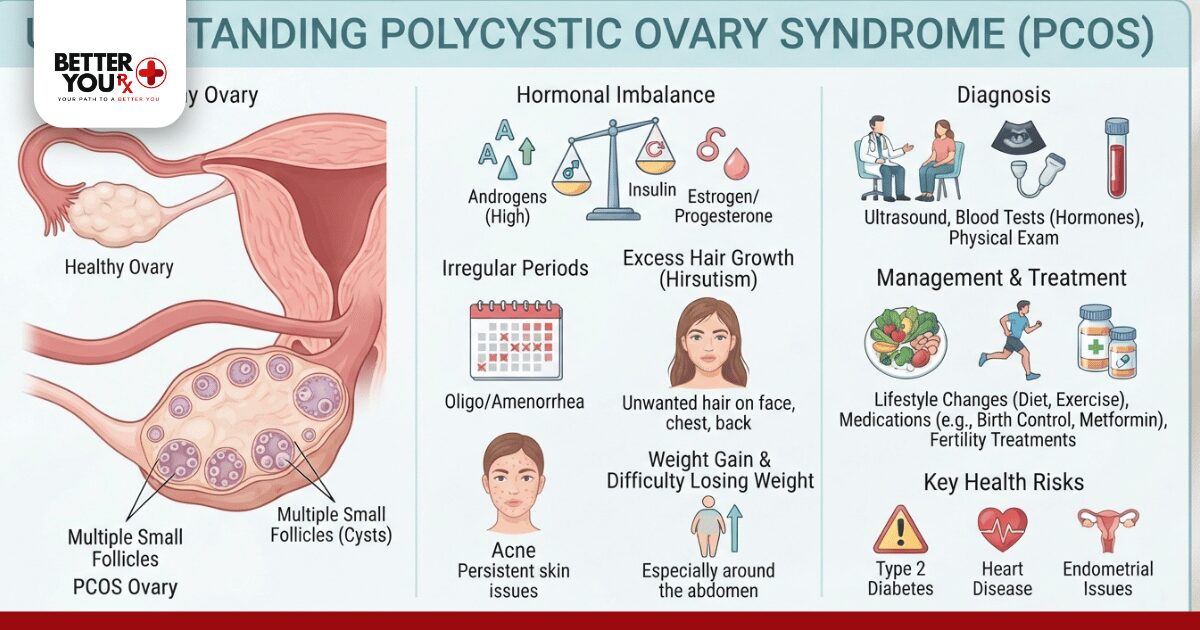
Metformin was originally developed for type 2 diabetes, but it has become a standard off-label option for Polycystic Ovary Syndrome because so many women with the condition also have some degree of insulin resistance. When insulin levels run high, the ovaries tend to produce more androgens, which can disrupt ovulation, worsen acne, and contribute to excess hair growth. Metformin addresses this chain of events at its source rather than simply masking symptoms.
Doctors most often prescribe this medication when a patient has irregular or absent periods, is trying to conceive, or shows lab markers of insulin resistance alongside elevated androgens. It is also considered for women who are not ready for hormonal birth control, or who want a treatment that supports fertility rather than suppressing it. According to the Cleveland Clinic, insulin resistance affects a large share of women with PCOS regardless of body weight, which is part of why this treatment remains relevant across different body types.
There is also a practical reason many providers reach for Metformin first: it has decades of use behind it, a well-understood side effect profile, and it does not carry the fertility-suppressing effects that hormonal birth control does. For women who are not actively trying to conceive but still want cycle regulation, this makes it a comfortable middle-ground option between doing nothing and starting hormonal contraception.

How Metformin Works to Manage PCOS Symptoms
Metformin reduces the amount of glucose the liver releases into the bloodstream and makes muscle and fat tissue more responsive to insulin. With less insulin circulating, the ovaries typically produce fewer excess androgens, which allows the normal hormonal signals for ovulation to resume. This is why many women notice their cycles becoming shorter and more predictable before they see meaningful changes in weight or acne.
Patients who start this medication often report that their cycles become more consistent within the first two to three months, even before they notice changes on the scale. Providers frequently observe this cycle-regularity effect well ahead of measurable weight change, which is part of why cycle tracking is often the first marker used to judge whether treatment is working as intended. Most healthcare providers follow established clinical protocols when prescribing Metformin, starting low and titrating upward to balance effectiveness against digestive tolerance.
It typically takes longer for androgen-related symptoms like acne or excess facial hair to respond, since skin and hair follicles react to hormonal shifts on a slower timeline than the menstrual cycle does. Many patients are told to expect three to six months before judging whether these particular symptoms are improving.
Typical Metformin Dosing Pattern for PCOS
| Stage | Common Dose | What to Expect |
|---|---|---|
| Starting Dose | 500 mg once daily with food | Mild digestive adjustment period |
| Titration | 500 mg twice daily after one to two weeks | Gradual increase to reduce stomach upset |
| Maintenance | 1,500 to 2,000 mg daily, divided doses | Ongoing insulin and cycle support |
Metformin and Weight Loss in PCOS
Weight loss is one of the most searched aspects of this treatment, but expectations matter here. Metformin is not an appetite suppressant in the way GLP-1 medications are, so weight changes tend to be gradual and modest rather than dramatic. Many patients lose somewhere in the range of a few percentage points of body weight over six months to a year, particularly when the medication is combined with consistent meal timing and regular movement.
Some women ask whether a GLP-1 option such as Ozempic might be a faster route to weight loss, and the honest answer depends on the primary goal. Metformin tends to be favored when insulin resistance and fertility are the main concern, while GLP-1 medications are generally considered when weight loss itself is the priority.
Some providers combine Trulicity or a similar GLP-1 medication with this treatment when both insulin regulation and more noticeable weight loss are goals, though this decision always depends on individual health history. For a closer look at how these medication classes differ, the comparison in Ozempic vs Trulicity breaks down the mechanisms side by side, and Is Trulicity a GLP-1? explains how that drug class functions more broadly.
It is worth noting that weight loss on Metformin often plateaus after the first year unless paired with ongoing lifestyle adjustments, since the medication’s primary job is metabolic regulation rather than active fat loss. Patients who set expectations around steady, moderate progress tend to feel more satisfied with their results than those expecting rapid change.
Metformin vs. GLP-1 Medications for PCOS
| Factor | Metformin | GLP-1 Medications (e.g., Ozempic) |
|---|---|---|
| Primary Action | Improves insulin sensitivity, lowers liver glucose output | Slows digestion, reduces appetite |
| Typical Weight Change | Modest, gradual over months | Often more pronounced |
| Administration | Oral tablet | Weekly injection |
| Best Fit For | Insulin resistance, fertility support | Weight loss as the primary goal |
| Common Timeline to Notice Effects | 8 to 12 weeks for cycle changes | Several weeks for appetite changes |
Things To Know About Metformin for PCOS
- Digestive side effects like nausea, bloating, or loose stools are common early on and usually settle within a few weeks.
- Extended-release formulations are often gentler on the stomach than immediate-release tablets.
- This medication does not directly treat acne or excess hair growth, though these can improve indirectly as androgen levels normalize.
- Alcohol in excess should generally be avoided while taking Metformin due to a rare but serious risk of lactic acidosis.
- Regular follow-up labs help a provider confirm the medication is still appropriate and well tolerated over time.
- Fertility outcomes tend to improve most when treatment is combined with lifestyle changes rather than used in isolation.
- Taking doses with meals, rather than on an empty stomach, meaningfully reduces the chance of nausea for most people.
Who Tends to Benefit Most From Metformin for PCOS
Women who show clear signs of insulin resistance, such as elevated fasting insulin or difficulty losing weight despite consistent effort, often respond best to this treatment. It is also a common first step for those hoping to conceive, since restoring regular ovulation is frequently the main obstacle to pregnancy in PCOS. Women whose symptoms are driven more by androgen excess than insulin resistance sometimes see less dramatic results and may need an additional treatment layered in.
Every treatment plan should be built around individual lab work and symptom patterns rather than a one-size-fits-all approach. A licensed provider is best positioned to determine whether Metformin alone is sufficient or whether it should be paired with another medication, such as Saxenda, based on the full clinical picture. Women managing PCOS alongside other conditions, such as elevated blood pressure or cholesterol, may also need their broader treatment plan coordinated, which is why ongoing communication with a provider matters more than any single medication decision.
The Bottom Line on Metformin for PCOS
Metformin remains a well-established starting point for women dealing with the insulin resistance side of Polycystic Ovary Syndrome, particularly when fertility and cycle regularity are priorities. Its effects build gradually, so patience through the first few months of dosing adjustments tends to pay off in more predictable cycles and better metabolic markers over time.
For those whose main goal is more significant weight loss, pairing this treatment with or substituting a GLP-1 option may be worth discussing with a provider, and resources like Saxenda vs Ozempic offer additional context on how those medications compare to each other. Whatever the path, working closely with a licensed provider ensures the treatment plan actually matches the underlying hormonal picture rather than guessing at symptoms alone.
Better You Rx is a prescription referral service connected to a licensed contracted dispensing department, helping patients access prescribed medications like Metformin and Ozempic through a straightforward referral process for personal use.
Frequently Asked Questions
Does metformin actually work for PCOS?
Yes, for many women. Metformin improves insulin sensitivity, which often restores more regular ovulation and can reduce androgen-related symptoms over several months of consistent use.
Will I lose weight if I take metformin for PCOS?
Possibly, but modestly. Weight loss is usually gradual, often a few percentage points of body weight over six months to a year, especially when paired with diet and activity changes.
Is Ozempic or metformin better for PCOS?
It depends on the goal. Metformin is often favored for insulin resistance and fertility support, while GLP-1 options like Ozempic tend to produce more noticeable weight loss.
How long should you take metformin for PCOS?
Often months to years. Duration depends on symptom control, fertility goals, and how well the medication is tolerated, and it should be reassessed periodically with a provider.
Can I lose 20 pounds on metformin?
It’s possible but not typical. Most people see modest, gradual weight changes rather than large drops, and results depend heavily on diet, activity, and individual metabolism.
Sources
- Cleveland Clinic: Overview of Polycystic Ovary Syndrome, including insulin resistance and hormonal mechanisms.
- The Journal of Clinical Endocrinology & Metabolism: Research on insulin-sensitizing agents and reproductive outcomes in PCOS.
- American College of Obstetricians and Gynecologists (ACOG): Clinical guidance on PCOS diagnosis and management approaches.
- Fertility and Sterility: Studies examining Metformin’s role in ovulation induction and fertility support for PCOS patients.
- Mayo Clinic: Patient-focused overview of PCOS treatment options, including insulin-sensitizing medications.
This content is provided for informational purposes only and is not a substitute for professional medical advice, diagnosis, or treatment. Always consult a licensed healthcare provider before starting, stopping, or changing any medication or treatment plan.