Insulin Types Chart – Complete Guide to Diabetes Insulin

Insulin types chart provides essential information for managing diabetes through different insulin medications that control blood glucose levels effectively. The main categories include rapid-acting, short-acting, intermediate-acting, and long-acting insulins, each with specific onset times, peak periods, and duration of action. Rapid-acting insulins work within 15 minutes for mealtime coverage, while long-acting options provide steady baseline control over 24 hours. Understanding these differences helps determine the right insulin regimen based on individual blood sugar patterns, daily activities, and treatment goals for optimal diabetes management.

What Are the Different Types of Insulin Available

Insulin Types Chart

The insulin types chart categorizes medications based on how quickly they start working, when they reach maximum effect, and how long they remain active in the body. Each insulin type serves specific purposes in blood glucose management.

Rapid-acting insulins include Lispro, Aspart, and Glulisine, which begin working within 10-15 minutes after injection. Short-acting or regular insulin takes 30-60 minutes to start working but provides longer coverage than rapid-acting options.

Rapid-Acting Insulin Medications

Insulin Lispro (Humalog) starts working in 15 minutes, peaks at 1-2 hours, and lasts 4-5 hours. This insulin mimics the body’s natural mealtime insulin release pattern.

Insulin Aspart (NovoLog) begins action within 10-20 minutes, reaches peak effectiveness at 1-3 hours, and continues working for 3-5 hours total.

Insulin Glulisine (Apidra) offers the fastest onset at 5-10 minutes, peaks around 1 hour, and maintains effectiveness for 2-4 hours.

Short-Acting Regular Insulin Options

Regular Human Insulin (Humulin R, Novolin R) requires 30 minutes before meals for optimal timing. Peak action occurs at 2-4 hours with total duration of 6-8 hours.

Concentrated Regular Insulin U-500 provides five times the standard concentration for patients needing large doses. This formulation reduces injection volume significantly.

Intermediate-Acting Insulin for Extended Coverage

Intermediate-acting insulin fills the gap between mealtime and basal insulin needs, providing coverage that extends beyond short-acting options but doesn’t last as long as long-acting formulations.

NPH insulin (Neutral Protamine Hagedorn) represents the primary intermediate-acting option available. This insulin starts working within 1-2 hours, reaches peak activity at 4-8 hours, and continues working for 12-16 hours.

NPH Insulin Characteristics

Humulin N and Novolin N are the main NPH insulin brands. These cloudy suspensions require proper mixing before injection by rolling the vial or pen between hands.

Timing Flexibility allows NPH insulin administration once or twice daily, depending on individual glucose patterns and lifestyle requirements.

Coverage Patterns make NPH suitable for overnight glucose control when taken at bedtime or daytime coverage when administered in the morning.

Administration Guidelines for NPH

  • Mix the insulin properly by rolling between palms 10-20 times
  • Inject at consistent times daily to maintain steady glucose control
  • Monitor for peak action periods when hypoglycemia risk increases
  • Consider splitting doses for better 24-hour coverage
  • Store opened vials at room temperature for up to 28 days

Long-Acting Basal Insulin Options

Long-acting insulin provides steady, peakless glucose control throughout the day and night, mimicking the body’s natural basal insulin production. These formulations offer consistent coverage without pronounced peaks that could cause hypoglycemia.

Modern long-acting insulins have transformed diabetes management by providing stable baseline coverage with once-daily dosing. Lantus SoloStar delivers reliable 24-hour glucose control for many patients.

Available Long-Acting Formulations

Insulin Glargine (Lantus, Basaglar, Toujeo) starts working within 1-2 hours and maintains steady levels for 20-24 hours. Toujeo contains three times the concentration of standard glargine.

Insulin Detemir (Levemir) begins working in 1-2 hours with duration of 16-24 hours. Some patients require twice-daily dosing for full coverage.

Insulin Degludec (Tresiba) offers the longest duration at 42 hours, providing flexibility in dosing times while maintaining stable glucose control.

Benefits of Long-Acting Insulin

  • Consistent glucose control without significant peaks
  • Reduced risk of nocturnal hypoglycemia
  • Flexible dosing times with some formulations
  • Once-daily administration for most patients
  • Improved fasting glucose levels

Premixed Insulin Combinations

Premixed insulin combines rapid or short-acting insulin with intermediate-acting insulin in fixed ratios, simplifying diabetes management for patients who need both mealtime and basal coverage.

These combinations reduce the number of daily injections while providing both immediate and extended glucose control. Common mixtures include 70/30, 75/25, and 50/50 ratios.

Popular Premixed Options

70/30 Mixtures contain 70% NPH and 30% regular insulin (Humulin 70/30, Novolin 70/30) or 70% protamine aspart and 30% aspart (NovoLog Mix 70/30).

75/25 Mixtures combine 75% protamine lispro with 25% lispro (Humalog Mix 75/25), offering rapid onset with extended duration.

50/50 Mixtures provide equal parts of intermediate and rapid-acting insulin (Humalog Mix 50/50) for patients needing more mealtime coverage.

Premixed Insulin Considerations

  • Administer 15-30 minutes before meals depending on the specific formulation
  • Cannot adjust individual components separately
  • Mix properly before each injection
  • Monitor blood glucose at peak times
  • Consider individual meal patterns when selecting ratios

Ultra-Long-Acting Insulin Developments

Ultra-long-acting insulins represent the newest category in diabetes management, offering extended duration beyond traditional long-acting options. These formulations provide greater flexibility and more stable glucose control.

Insulin Degludec leads this category with its 42-hour duration of action. This extended profile allows for varying injection times without compromising glucose control, beneficial for patients with irregular schedules.

Advanced Formulation Features

Steady State Achievement occurs after 3-4 days of consistent dosing, creating a stable insulin depot that releases medication continuously.

Reduced Variability in absorption and action compared to other basal insulins decreases unexpected glucose fluctuations.

Flexible Dosing Window permits administration at different times daily, maintaining effectiveness as long as doses are at least 8 hours apart.

Patient Selection Criteria

  • Individuals with variable daily schedules benefit from dosing flexibility
  • Patients experiencing nocturnal hypoglycemia with other basal insulins
  • Those requiring very stable baseline glucose control
  • People who travel frequently across time zones
  • Individuals with dawn phenomenon requiring consistent overnight coverage

Consider combining ultra-long-acting insulin with rapid-acting options like NovoRapid FlexPens for comprehensive glucose management throughout the day.

Insulin Storage and Handling Guidelines

Proper insulin storage maintains medication potency and ensures consistent glucose control. Temperature extremes, light exposure, and agitation can damage insulin molecules, reducing effectiveness.

Unopened insulin vials and pens should remain refrigerated between 36-46°F (2-8°C) until first use. Never freeze insulin, as this permanently damages the medication structure.

Room Temperature Storage Rules

Opened Vials can stay at room temperature (59-86°F or 15-30°C) for 28 days for most formulations. Mark the opening date on the vial.

Insulin Pens remain stable at room temperature for 28-42 days depending on the specific product.

Travel Considerations require insulin cooling cases for extended trips in hot climates. Avoid storing insulin in direct sunlight or hot vehicles.

Signs of Damaged Insulin

  • Clumping or crystallization in clear insulin
  • Failure to mix properly for cloudy insulin
  • Color changes or unusual particles
  • Reduced effectiveness in controlling blood glucose
  • Expiration date has passed

Insulin Injection Techniques and Site Rotation

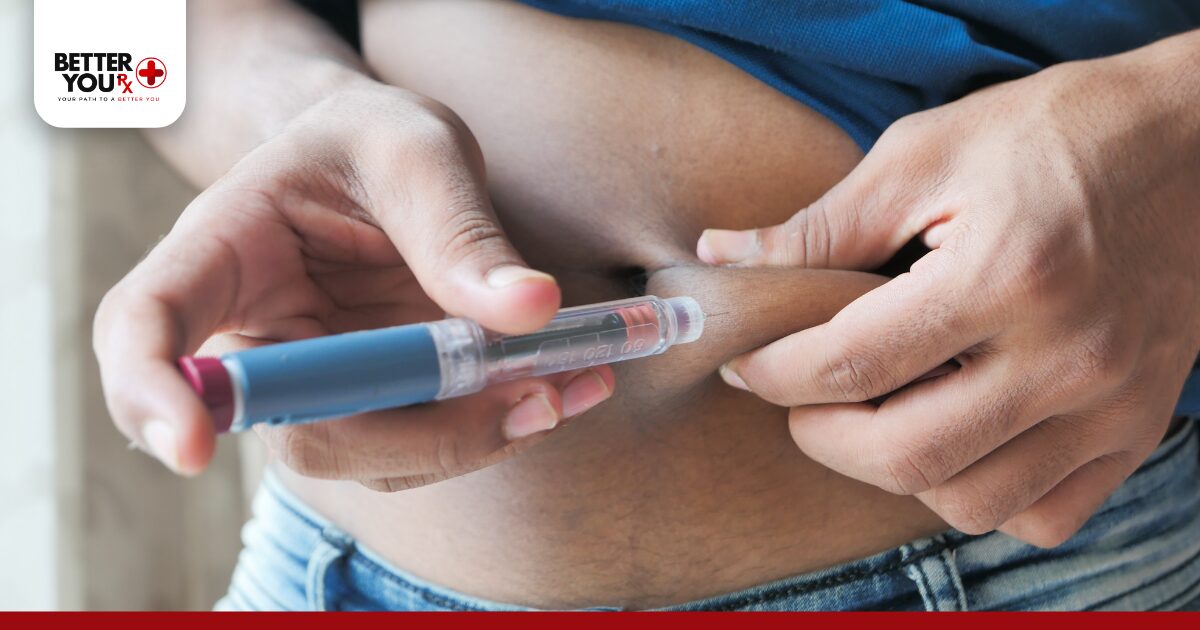
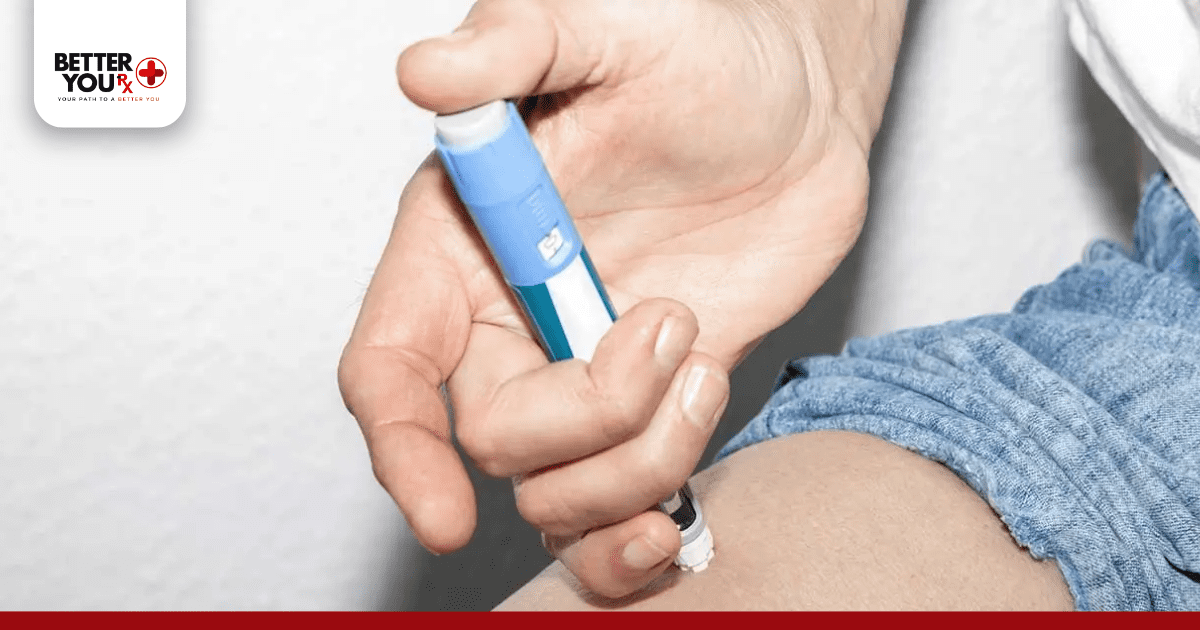
Proper injection technique ensures optimal insulin absorption and minimizes complications like lipodystrophy or injection site reactions. Rotating injection sites prevents tissue damage and maintains consistent absorption rates.

The abdomen provides the fastest and most consistent absorption, followed by the arms, thighs, and buttocks. Each area has different absorption characteristics that affect insulin action timing.

Recommended Injection Sites

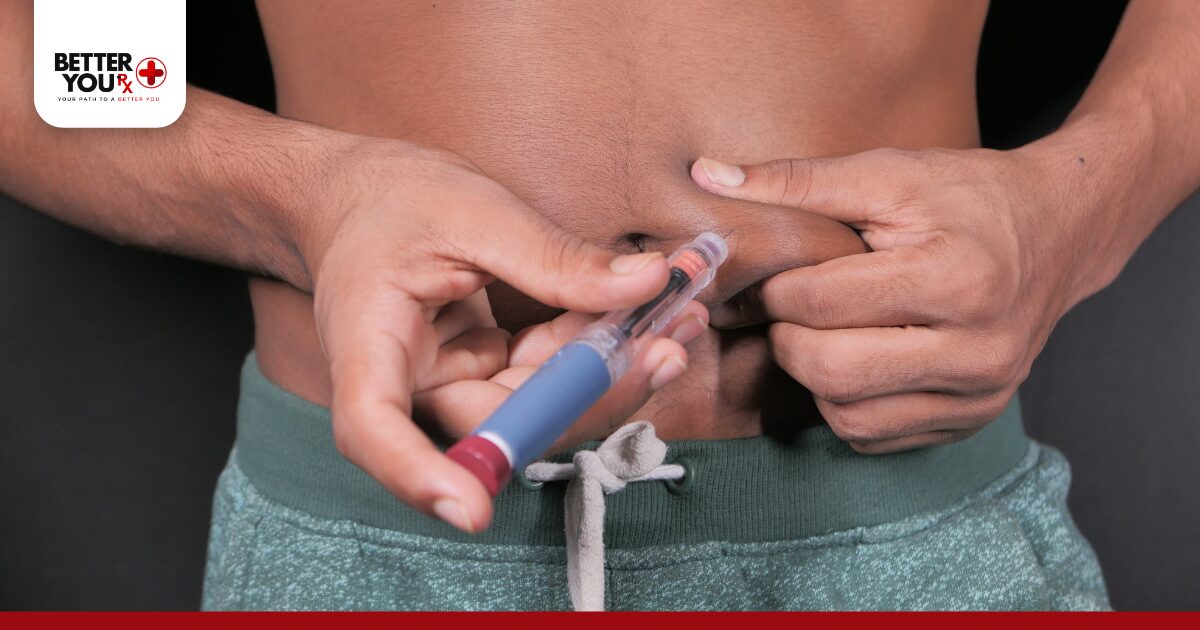
Abdomen offers the quickest absorption, ideal for rapid-acting insulin. Inject at least 2 inches from the navel, rotating within the area.

Upper Arms provide moderate absorption speed. Use the fatty tissue on the back of the arm between shoulder and elbow.

Thighs have slower absorption, suitable for longer-acting insulins. Inject into the front or outer areas, avoiding inner thigh.

Buttocks offer the slowest absorption, appropriate for insulins where delayed action is acceptable.

Rotation Patterns and Best Practices

  • Divide each injection area into sections and use different sections systematically
  • Space injections at least 1 inch apart within the same general area
  • Avoid injecting into scar tissue, moles, or areas with lipodystrophy
  • Clean injection sites with alcohol if visibly dirty
  • Insert needle at 90 degrees for most patients, 45 degrees for thin individuals
  • Leave needle in place for 5-10 seconds after injection to ensure complete dose delivery

Does Insulin Cross the Placenta During Pregnancy

Does Insulin Cross the Placenta During Pregnancy

Does insulin cross the placenta barrier when pregnant women use it for diabetes management remains a common concern among expecting mothers. Human insulin and insulin analogs do not cross the placental barrier in significant amounts due to their large molecular size, making them safe for fetal development.

The placenta acts as a selective barrier, allowing nutrients and oxygen to pass while blocking larger molecules like insulin. This protective mechanism ensures maternal insulin therapy doesn’t directly affect fetal insulin production or glucose metabolism.

Pregnancy-Safe Insulin Options

Regular Human Insulin has the longest safety record during pregnancy with decades of successful use in pregnant women with diabetes.

NPH Insulin provides intermediate-acting coverage safely throughout pregnancy, often combined with regular insulin for comprehensive control.

Certain Rapid-Acting Analogs including Aspart and Lispro have demonstrated safety in pregnancy through extensive research and clinical experience.

Glucose Management During Pregnancy

  • Target blood glucose levels are stricter during pregnancy to prevent complications
  • Insulin requirements typically increase as pregnancy progresses
  • Frequent blood glucose monitoring helps adjust insulin doses appropriately
  • Postprandial glucose control becomes particularly important
  • Insulin needs may change dramatically after delivery

Insulin Dosing Calculations and Adjustments

Calculating appropriate insulin doses requires understanding individual insulin sensitivity, carbohydrate ratios, and correction factors. These personalized parameters guide dosing decisions for optimal glucose control.

Total daily insulin requirements typically range from 0.4 to 1.0 units per kilogram of body weight, though individual needs vary significantly. Starting conservatively and adjusting based on glucose patterns prevents hypoglycemia while achieving target ranges.

Basic Dosing Components

Basal Insulin comprises 40-50% of total daily insulin, providing background coverage independent of meals. This component controls glucose production between meals and overnight.

Bolus Insulin covers meals and corrects high blood glucose, representing 50-60% of daily needs. Calculate doses using insulin-to-carbohydrate ratios and sensitivity factors.

Correction Doses address blood glucose above target using individualized sensitivity factors indicating glucose reduction per unit of insulin.

Adjustment Strategies

  • Review blood glucose patterns over 3-7 days before making changes
  • Adjust basal insulin by 10-20% when fasting glucose consistently misses targets
  • Modify mealtime ratios when 2-hour postprandial values exceed goals
  • Consider activity levels, stress, and illness when evaluating doses
  • Document changes and outcomes to identify effective adjustments

For those starting insulin therapy, medications like Metformin may continue alongside insulin to enhance glucose control and reduce insulin requirements.

Insulin Resistance and Sensitivity Factors

Insulin resistance affects how effectively the body responds to insulin, influencing dosing requirements and glucose control. Various factors impact insulin sensitivity throughout the day and over time.

Physical activity enhances insulin sensitivity for 24-48 hours post-exercise, potentially reducing insulin needs. Conversely, illness, stress, and certain medications increase resistance, requiring dose adjustments.

Factors Affecting Insulin Sensitivity

Time of Day influences sensitivity, with many people experiencing greater resistance in early morning hours due to hormonal changes.

Injection Site Condition affects absorption, with lipodystrophy or scar tissue reducing insulin effectiveness at those locations.

Temperature impacts absorption rates, with heat increasing and cold decreasing insulin absorption speed.

Hormonal Changes during menstruation, pregnancy, or menopause alter insulin requirements predictably in many individuals.

Managing Variable Sensitivity

  • Track patterns to identify times of increased or decreased sensitivity
  • Adjust insulin timing and doses based on anticipated changes
  • Maintain consistent exercise routines to stabilize sensitivity
  • Monitor more frequently during periods of change
  • Consider insulin pump therapy for precise adjustments

Special Considerations for Different Age Groups

Insulin requirements and management strategies vary significantly across age groups, from pediatric patients to elderly individuals. Each population has unique considerations affecting insulin selection and dosing.

Children and adolescents experience changing insulin needs due to growth, puberty, and variable activity levels. Elderly patients may have different goals focusing on quality of life and hypoglycemia prevention over tight control.

Pediatric Insulin Management

Infants and Toddlers require diluted insulin preparations and careful monitoring due to unpredictable eating patterns and activity levels.

School-Age Children benefit from flexible insulin regimens accommodating school schedules, sports, and social activities.

Adolescents often need increased doses during puberty due to hormonal insulin resistance, requiring frequent adjustments.

Geriatric Considerations

  • Simplified regimens reduce complexity and improve adherence
  • Relaxed glucose targets may be appropriate to prevent hypoglycemia
  • Vision and dexterity issues influence device selection
  • Cognitive function affects ability to manage complex regimens
  • Drug interactions with multiple medications require careful monitoring

Transitioning Between Insulin Types

Switching between different insulin types requires careful planning and monitoring to maintain glucose control while preventing hypoglycemia or hyperglycemia during the transition period.

Common transitions include moving from premixed to basal-bolus regimens for better flexibility or switching between insulin brands due to availability or cost considerations.

Conversion Strategies

Same Category Switches within rapid-acting or long-acting insulins typically involve unit-for-unit substitution with close monitoring.

Regimen Changes from twice-daily premixed to basal-bolus therapy require calculating total daily dose and redistributing between basal and bolus components.

Concentration Changes need careful attention to prevent dosing errors, particularly when switching between U-100 and concentrated formulations.

Monitoring During Transitions

  • Check blood glucose more frequently for 1-2 weeks after changes
  • Document timing and amounts of all doses
  • Watch for patterns indicating over or under-insulinization
  • Adjust doses gradually based on consistent patterns
  • Maintain communication with healthcare providers during transitions

Insulin Pump Therapy Versus Multiple Daily Injections

Insulin pump therapy and multiple daily injections represent two primary methods for intensive insulin management, each offering distinct advantages for different patient populations. Understanding these delivery methods helps determine the most suitable approach based on lifestyle, glucose patterns, and personal preferences.

Insulin pumps deliver rapid-acting insulin continuously through a small catheter, eliminating the need for multiple daily injections. This technology provides precise basal rates throughout the day, adjustable for varying insulin needs.

Benefits of Insulin Pump Technology

Precise Basal Adjustments allow programming different rates for various times of day, addressing dawn phenomenon and overnight glucose variations effectively.

Bolus Calculators integrate blood glucose readings, carbohydrate intake, and insulin on board to recommend accurate mealtime doses.

Temporary Basal Rates accommodate exercise, illness, or stress by adjusting baseline insulin delivery without changing overall programming.

Multiple Daily Injection Advantages

  • Lower initial cost compared to pump technology
  • No device attachment or catheter site management
  • Greater flexibility in insulin types and combinations
  • Simpler troubleshooting when glucose control issues arise
  • No risk of pump malfunction or site failures

Common Insulin Side Effects and Management

Understanding potential insulin side effects helps patients recognize and address issues promptly while maintaining effective diabetes control. Most side effects are manageable with proper techniques and adjustments.

Hypoglycemia remains the most common concern with insulin therapy, occurring when blood glucose drops below 70 mg/dL. Recognizing early symptoms and treating promptly prevents progression to severe hypoglycemia.

Managing Hypoglycemic Episodes

Mild Hypoglycemia symptoms include shakiness, sweating, hunger, and anxiety. Treatment involves consuming 15 grams of fast-acting carbohydrates, waiting 15 minutes, then rechecking blood glucose.

Moderate Symptoms add confusion, difficulty concentrating, and mood changes. These require immediate carbohydrate intake and potentially additional food once glucose normalizes.

Severe Hypoglycemia involves loss of consciousness or seizures, requiring glucagon administration by others or emergency medical assistance.

Injection Site Reactions

  • Lipodystrophy develops from repeated injections in the same area, causing fatty lumps or indentations
  • Allergic reactions manifest as redness, swelling, or itching at injection sites
  • Bruising occurs from hitting blood vessels during injection
  • Pain results from improper technique or needle reuse
  • Prevention involves proper rotation and technique

Making Informed Decisions About Insulin Therapy
Making Informed Decisions About Insulin Therapy

Selecting the right insulin regimen involves evaluating lifestyle factors, glucose patterns, and individual preferences to create an effective, sustainable treatment plan. The insulin types chart serves as a foundation for these decisions.

Success with insulin therapy requires understanding how different insulins work, proper administration techniques, and regular monitoring to optimize doses. Patient education and ongoing support improve outcomes significantly.

Working with healthcare providers ensures appropriate insulin selection and dosing strategies tailored to individual needs. Regular follow-up appointments allow for timely adjustments as requirements change over time.

Embracing insulin therapy as a tool for better health rather than a burden improves quality of life and long-term outcomes. With proper knowledge and support, insulin management becomes a manageable part of daily routine.

Frequently Asked Questions

What Are the Four Main Types of Insulin?

The four main insulin categories are rapid-acting, short-acting, intermediate-acting, and long-acting insulins. Rapid-acting insulins like Lispro and Aspart work within 15 minutes for mealtime coverage. Short-acting regular insulin takes 30-60 minutes to begin working. Intermediate-acting NPH insulin provides 12-16 hour coverage. Long-acting insulins such as Glargine and Detemir offer 20-24 hours of steady baseline control.

Can Insulin Give You Headaches?

Insulin itself rarely causes headaches directly, but blood glucose fluctuations from insulin therapy might trigger them. Hypoglycemia from too much insulin commonly causes headaches along with shakiness and sweating. Rapid blood sugar changes, even within normal ranges, can provoke headaches in sensitive individuals. Maintaining stable glucose levels through consistent insulin dosing and regular meal timing helps minimize headache occurrence.

What Is the Difference Between Humulin 70/30 and Novolin 70/30 Insulin?

Humulin 70/30 and Novolin 70/30 contain the same insulin mixture of 70% NPH and 30% regular insulin but come from different manufacturers. Both provide identical onset, peak, and duration times, starting within 30 minutes and lasting 12-16 hours. The main differences involve device options, with Humulin offering KwikPens while Novolin provides FlexPens. Cost and availability may vary between brands depending on location and coverage.

What Insulin Is Safe During Pregnancy?

Regular human insulin and NPH insulin have the longest safety records during pregnancy with decades of successful use. Insulin Aspart and Lispro are rapid-acting analogs proven safe through extensive pregnancy studies. Long-acting Detemir has growing evidence supporting pregnancy use, while Glargine data continues accumulating. Healthcare providers typically prefer insulins with established safety profiles, adjusting types and doses as pregnancy progresses.

Does Insulin Affect Babies in the Womb?

Maternal insulin does not cross the placenta due to its large molecular size, so injected insulin doesn’t directly affect the developing baby. However, maternal blood glucose levels significantly impact fetal development, with high glucose crossing the placenta freely. Proper insulin therapy maintains normal maternal glucose, preventing complications like macrosomia or neonatal hypoglycemia. Good glucose control through appropriate insulin use promotes healthy fetal development.

Does Insulin Cause Weight Gain?

Insulin therapy often leads to modest weight gain as the body begins properly storing glucose instead of losing it through urine. Initial gains of 2-4 pounds are common when starting insulin as hydration improves and glucose utilization normalizes. Intensive insulin therapy may cause additional weight gain if caloric intake exceeds needs. Balancing insulin doses with appropriate nutrition and regular physical activity helps minimize unwanted weight changes.

Is Insulin Harmful to the Kidneys?

Insulin itself does not damage kidneys and actually helps protect them by maintaining proper blood glucose control. High blood sugar levels cause kidney damage over time, making insulin therapy protective for kidney function. Insulin gets broken down by enzymes rather than being filtered by kidneys, so it doesn’t burden kidney function. Good glucose control through appropriate insulin use reduces the risk of diabetic kidney disease significantly.
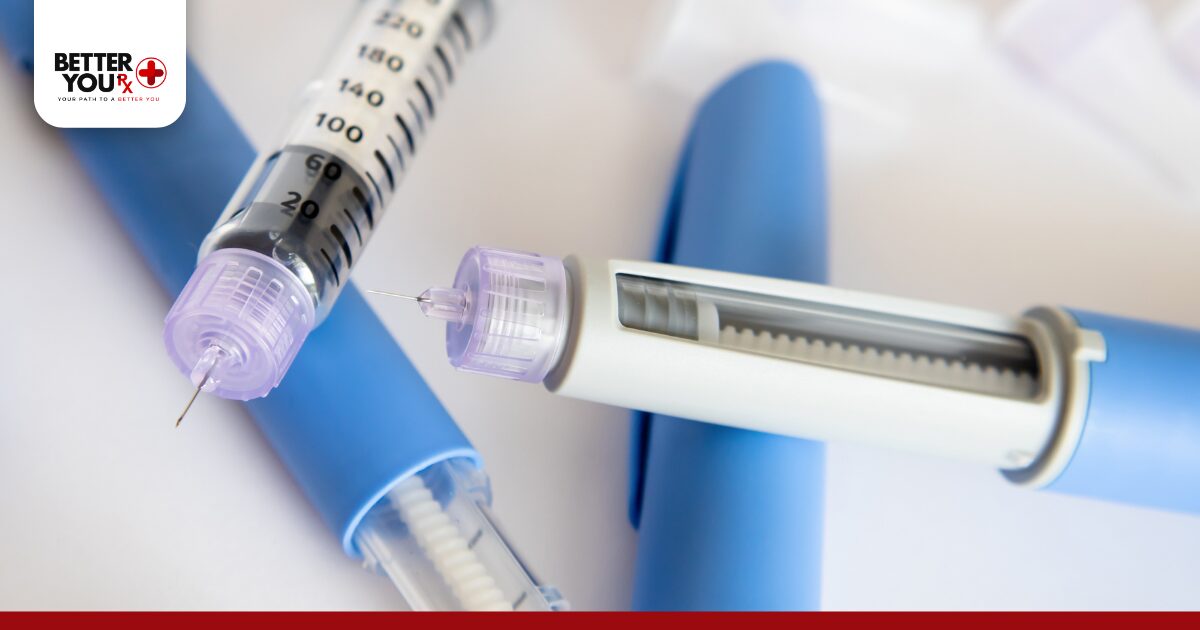
What Gauge Are Insulin Needles and Which Is Most Comfortable?

What gauge are insulin needles​ directly impacts your daily injection experience and overall comfort level. Insulin needles typically range from 28 to 32 gauge, with higher numbers indicating thinner needles that cause less discomfort. The 31 and 32 gauge needles are currently the thinnest options available and provide the most comfortable injection experience for most people. Needle gauge works on an inverse scale where larger numbers mean smaller diameters. A 32 gauge needle measures approximately 0.23mm in diameter, while a 28 gauge needle measures 0.36mm. Beyond gauge, needle length also affects comfort, ranging from 4mm to 12.7mm. Most people find that 31-32 gauge needles combined with 4-6mm lengths deliver insulin effectively while minimizing pain and tissue trauma. Your body type, injection technique, and personal sensitivity all influence which gauge feels most comfortable for you.

How Needle Gauge Numbers Work

How Needle Gauge Numbers Work

The gauge system measures needle thickness using an inverse numbering system. Higher gauge numbers indicate thinner needles, while lower gauge numbers mean thicker needles. This measurement system can seem counterintuitive at first, but understanding it helps you make informed choices about your insulin delivery supplies.

Medical needles use the Birmingham Wire Gauge system, originally developed for measuring wire thickness. When applied to needles, the gauge number corresponds to the outer diameter of the needle shaft. 

For insulin injections, the gauge range typically includes:

  • 28 gauge measuring 0.36mm in diameter
  • 29 gauge measuring 0.33mm in diameter
  • 30 gauge measuring 0.30mm in diameter
  • 31 gauge measuring 0.25mm in diameter
  • 32 gauge measuring 0.23mm in diameter

The difference between each gauge may seem minimal, but even small variations in needle diameter significantly affect injection comfort. A 32 gauge needle creates a puncture approximately 36% smaller than a 28 gauge needle, resulting in noticeably less discomfort.

When examining what gauge are insulin needles​, the thinner options have become more widely available over the past decade. Advances in needle technology now allow for ultra-thin needles that maintain structural integrity while piercing the skin. These thinner needles bend less and deliver insulin just as effectively as their thicker counterparts.

Most healthcare providers recommend starting with thinner gauge needles unless specific circumstances require otherwise. People with thicker skin or those who need to inject through clothing in emergency situations might benefit from slightly lower gauge options. However, for routine daily injections, the 31-32 gauge range provides optimal comfort.

Ready to get your insulin supplies? Order Humalog Junior KwikPen through Better You Rx, a prescription referral service connecting you with affordable options.

What Gauge Are Insulin Needles Available Today

Understanding what gauge are insulin needles​ currently on the market helps you select from the full range of available options. Today’s insulin needles span from 28 to 32 gauge, each offering distinct characteristics for different user needs and preferences.

28 Gauge Needles

The 28 gauge represents the thicker end of insulin needle options. These needles measure 0.36mm in diameter and were more commonly used in earlier decades of insulin therapy. While thicker than modern alternatives, some people still prefer them for specific situations.

Advantages of 28 gauge needles include increased structural stability and easier handling for people with reduced dexterity or vision impairments. The sturdier construction means less bending during injection, which can be beneficial when injecting at awkward angles.

However, the increased diameter means more tissue displacement and potentially more discomfort. People with lower pain tolerance or children often find 28 gauge needles less comfortable than thinner alternatives.

30 Gauge Needles

The 30 gauge needle measures 0.30mm in diameter and represents a middle ground between older thicker needles and modern ultra-thin options. These needles balance comfort with durability, making them suitable for various body types and injection sites.

Many people transitioning from thicker needles start with 30 gauge options before moving to thinner gauges. This gradual transition helps build confidence with injections while improving comfort compared to 28 gauge needles.

The 30 gauge works well for people with average skin thickness and those who inject into areas with adequate subcutaneous fat. These needles penetrate easily without requiring excessive pressure during injection.

31-32 Gauge Needles

The 31 and 32 gauge needles represent the thinnest options currently available for insulin delivery. These ultra-thin needles measure 0.25mm and 0.23mm respectively, providing maximum comfort during injections.

Research shows that thinner needles significantly reduce pain perception during injections. The smaller puncture size causes less nerve stimulation and tissue trauma, resulting in a more comfortable experience overall.

When determining what gauge are insulin needles​ best for comfort, the 31-32 gauge range consistently receives the highest satisfaction ratings. These needles work effectively for all insulin types, including rapid-acting formulations like Novorapid and long-acting options like Lantus.

The main consideration with ultra-thin needles involves injection technique. While these needles require no more force to penetrate the skin than thicker options, they do require steady hand control to prevent bending. Proper injection technique ensures the needle enters at the correct angle without flexing.

Gauge Size Diameter Comfort Level Best For
28 gauge 0.36mm Moderate Reduced dexterity, thicker skin
30 gauge 0.30mm Good General use, transitioning users
31 gauge 0.25mm Excellent Maximum comfort, routine injections
32 gauge 0.23mm Excellent Highest comfort, thin skin

Factors That Affect Needle Comfort

Factors That Affect Needle Comfort

Multiple elements beyond gauge influence how comfortable your insulin injections feel. Understanding these factors helps you optimize your injection experience and minimize discomfort.

Needle Length Considerations

Needle length works together with gauge to determine overall comfort. Shorter needles reduce the risk of intramuscular injection while maintaining effective insulin delivery. Most insulin needles range from 4mm to 12.7mm in length.

The 4-6mm length range works effectively for most adults and children. These shorter needles deliver insulin into the subcutaneous layer without reaching muscle tissue, even in leaner individuals. Studies demonstrate that shorter needles provide equivalent blood sugar control compared to longer options.

People with higher body mass may successfully use any length within the standard range. Those with lower body mass or children benefit most from 4-5mm needles. The shorter length ensures subcutaneous delivery regardless of injection site or body composition.

When considering what gauge are insulin needles​ and their corresponding lengths, thinner gauges typically pair with shorter lengths. A 32 gauge, 4mm needle represents the most comfortable combination currently available for most users.

Skin Thickness and Body Composition

Your skin thickness and subcutaneous fat layer depth influence which needle specifications work best. People with thinner skin generally prefer thinner gauge needles, as these cause less discomfort and reduce the sensation of the needle passing through tissue layers.

Areas of the body with more subcutaneous fat, such as the abdomen and thighs, accommodate various needle lengths and gauges effectively. Sites with less fat, like the arms, may feel more comfortable with thinner gauge needles.

Rotating injection sites helps maintain tissue health and ensures consistent insulin absorption. Using thinner gauge needles makes site rotation easier because they cause less tissue trauma, allowing previously used sites to heal more quickly.

Injection Technique

Proper injection technique significantly impacts comfort regardless of needle gauge. The angle of insertion, speed of injection, and skin preparation all contribute to the overall experience.

Most insulin injections should be administered at a 90-degree angle to the skin surface. This perpendicular approach ensures the needle enters the subcutaneous layer directly. People using shorter needles (4-5mm) can inject at 90 degrees without pinching the skin.

The speed at which you insert the needle affects pain perception. Quick, decisive insertion typically causes less discomfort than slow, hesitant pushing. Once the needle penetrates the skin, injecting the insulin slowly over several seconds improves comfort and reduces insulin leakage.

Room temperature insulin flows more easily and causes less discomfort than cold insulin directly from the refrigerator. Allowing your insulin pen to reach room temperature before injection improves the overall experience.

Need reliable insulin delivery? Get Lantus SoloStar from Better You Rx, offering accessible medication options.

Choosing the Right Gauge for Your Needs

Choosing the Right Gauge for Your Needs

Selecting the appropriate needle gauge involves considering your individual circumstances, preferences, and medical requirements. While thinner needles generally provide more comfort, personal factors should guide your final decision.

Starting Recommendations

People new to insulin injections often benefit from beginning with 31 or 32 gauge needles paired with 4-6mm lengths. This combination provides maximum comfort while ensuring effective insulin delivery. Starting with the most comfortable option helps build confidence and reduces anxiety around daily injections.

Children and adolescents particularly benefit from ultra-thin needles. The reduced discomfort makes the injection process less stressful and helps establish positive routines around diabetes management. Parents administering injections to children should consider what gauge are insulin needles​ that will minimize fear and discomfort.

Special Considerations

Certain situations may warrant different gauge selections. People with significant hand tremors or reduced fine motor control might find slightly thicker needles (30 gauge) easier to handle without bending. The added structural stability can improve injection accuracy.

Individuals with particularly thick or calloused skin at injection sites may require 29-30 gauge needles for reliable penetration. However, proper site rotation usually prevents excessive skin thickening, making ultra-thin needles viable for most people long-term.

Some rapid-acting insulins have slightly different viscosity characteristics. While all insulin types work effectively with any gauge in the standard range, people using concentrated insulin formulations should verify needle compatibility with their healthcare provider.

Trial and Adjustment

Finding your ideal needle gauge may require trying different options.Testing different specifications helps you identify which combination feels most comfortable for your body and injection technique.

Keep notes about your experiences with different needle gauges. Document factors like ease of insertion, pain level, bleeding frequency, and insulin leakage. This information helps you and your healthcare provider identify patterns and make informed adjustments.

Remember that your needs may change over time. Weight fluctuations, changes in injection sites, or improvements in injection technique might make different gauge options more suitable. Remaining open to adjustments ensures continued comfort as your circumstances evolve.

Needle Gauge Myths and Facts

Several misconceptions about needle gauge persist despite evidence to the contrary. Clarifying these myths helps you make decisions based on accurate information rather than unfounded concerns.

Myth – Thinner Needles Bend Too Easily

Many people worry that ultra-thin needles will bend during injection, making them ineffective or causing injury. Modern needle techniques produce thin needles with excellent structural integrity. When used with proper technique, 31-32 gauge needles penetrate the skin reliably without bending.

The key to preventing needle bending involves using quick, confident insertion and maintaining a steady hand. Hesitant, slow pushing increases bending risk regardless of gauge. Proper technique makes ultra-thin needles just as reliable as thicker options.

Myth – Thicker Needles Deliver Insulin Faster

Some people believe thicker needles allow for faster insulin delivery. In reality, insulin flow rate depends primarily on injection pressure and insulin viscosity, not needle diameter. The gauge differences in insulin needles have minimal impact on delivery speed.

All standard insulin needle gauges deliver insulin effectively within the recommended time frame of 5-10 seconds. The small variations in internal diameter between 28 and 32 gauge needles do not significantly affect practical injection time.

Myth – You Need Thicker Needles for Concentrated Insulin

Concentrated insulin formulations like U-200 or U-500 flow through ultra-thin needles just as effectively as standard U-100 insulin. The slightly increased viscosity of concentrated formulations does not require thicker needles for proper delivery.

When questioning what gauge are insulin needles​ appropriate for concentrated insulins, the same 31-32 gauge recommendations apply. Needle selection should prioritize comfort while ensuring you use the correct syringe or pen designed for your insulin concentration.

Fact – Thinner Needles Reduce Bruising

Thinner gauge needles cause less tissue trauma and typically result in less bruising compared to thicker needles. The smaller puncture size disturbs fewer blood vessels, reducing the likelihood of bleeding and subsequent bruising.

While individual factors like blood thinning medications or injection technique also affect bruising, using thinner gauge needles generally decreases bruising frequency. This benefit makes ultra-thin needles particularly valuable for people prone to easy bruising.

Fact – Gauge Affects Pain Perception

Research consistently demonstrates that thinner gauge needles reduce pain perception during injections. The correlation between needle diameter and discomfort is well-established across multiple studies. Thinner needles stimulate fewer nerve endings and cause less tissue displacement, resulting in measurably less pain.

This pain reduction is not merely psychological. Objective measurements of pain responses show significant differences between 28 gauge and 32 gauge needles. For people requiring multiple daily injections, these comfort improvements substantially impact quality of life.

Looking for fast-acting insulin? Purchase Insulin Novorapid FlexPens through Better You Rx, a prescription referral service providing convenient access to your medications.

Best Practices for Comfortable Injections

Regardless of which needle gauge you select, following best practices for injection technique maximizes comfort and effectiveness. These strategies work together with appropriate needle selection to optimize your injection experience.

Proper Site Preparation

Clean the injection site with soap and water or an alcohol wipe before each injection. Allow the area to dry completely before inserting the needle. Injecting through wet skin or alcohol residue can cause stinging sensations that increase discomfort.

Rotate injection sites systematically to prevent lipohypertrophy, a condition where repeated injections in the same area cause lumpy fat deposits. These lumps alter insulin absorption and make injections more uncomfortable. Using thinner gauge needles reduces tissue trauma and helps maintain healthy injection sites.

Temperature Matters

Always inject insulin at room temperature. Cold insulin causes more discomfort and may not absorb as predictably. Remove your insulin pen from the refrigerator at least 30 minutes before injection, or keep your current pen at room temperature according to guidelines.

Rolling the pen gently between your palms can help warm the insulin slightly. Avoid vigorous shaking, which can damage certain insulin formulations. For insulin that requires mixing, gentle rolling ensures proper suspension without introducing excessive air bubbles.

Insertion Technique

Hold the pen like a dart with your dominant hand while using your other hand to stabilize the injection site. Insert the needle quickly and smoothly in one motion. Quick insertion typically causes less discomfort than slow, gradual pushing.

Once the needle is fully inserted, pause briefly before injecting the insulin. This momentary pause allows any initial discomfort to subside before the insulin flows. Press the injection button slowly and steadily, counting to 10 before withdrawing the needle.

After injecting, hold the needle in place for 5-10 seconds before withdrawing. This pause prevents insulin leakage and ensures full dose delivery. Withdraw the needle at the same angle used for insertion using a quick, smooth motion.

Managing Anxiety

Injection anxiety can amplify pain perception and make the process more difficult. Relaxation techniques like deep breathing help reduce muscle tension and calm nerves before injections. Finding a comfortable, private space for injections reduces stress.

Understanding what gauge are insulin needles​ and knowing you are using the most comfortable option available can ease anxiety. The knowledge that you have selected optimal equipment for your comfort provides reassurance during the injection process.

Some people find distraction techniques helpful. Watching television, listening to music, or talking with family members during injections can shift focus away from the procedure. Children particularly benefit from distraction methods that make injection time less stressful.

Key Takeaways

Selecting the right insulin needle gauge significantly impacts your daily diabetes management experience. The 31-32 gauge needles offer maximum comfort for most people while delivering insulin effectively into the subcutaneous tissue. These ultra-thin needles cause minimal tissue trauma and significantly reduce pain compared to thicker alternatives.

Understanding the inverse relationship between gauge numbers and needle thickness helps you make informed choices. Higher gauge numbers mean thinner needles, with 32 gauge being the thinnest option currently available for insulin delivery.

Beyond gauge, needle length also affects comfort and effectiveness. Pairing thin gauge needles with shorter lengths (4-6mm) provides optimal results for most users. This combination ensures subcutaneous delivery while minimizing discomfort and reducing the risk of intramuscular injection.

Personal factors like skin thickness, body composition, injection technique, and individual pain sensitivity all influence which needle specifications work best for you. Starting with thinner gauge options and adjusting based on your experience helps you find the ideal combination.

Proper injection technique matters just as much as needle selection. Room temperature insulin, clean injection sites, quick insertion, and systematic site rotation all contribute to comfortable, effective insulin delivery. Combining optimal needle selection with good technique provides the best possible injection experience.

Modern insulin needles offer remarkable comfort compared to options available in previous decades. Taking advantage of these advances by selecting appropriate thin gauge needles makes daily diabetes management more comfortable and less stressful. Your healthcare provider can offer personalized guidance on needle selection based on your specific circumstances and needs.

Frequently Asked Questions

Is a 21 or 25 Gauge Needle Bigger?

A 21 gauge needle is bigger than a 25 gauge needle. The gauge system works inversely, meaning lower numbers indicate larger diameter needles. A 21 gauge needle measures approximately 0.8mm in diameter, while a 25 gauge needle measures about 0.5mm. Neither of these gauges is typically used for insulin injections. Standard insulin needles range from 28 to 32 gauge, which are much thinner than both 21 and 25 gauge options.

What Size Needles for Insulin?

Insulin needles typically range from 28 to 32 gauge in thickness and 4mm to 12.7mm in length. The most comfortable and commonly recommended options are 31-32 gauge needles paired with 4-6mm lengths. These specifications deliver insulin effectively into the subcutaneous tissue while minimizing discomfort. Your healthcare provider can help determine the optimal size based on your body type, injection sites, and personal preferences.

What Is a 28 Gauge Needle Used For?

A 28 gauge needle is used for subcutaneous injections, including insulin delivery, though it represents the thicker end of insulin needle options. These needles measure 0.36mm in diameter and were more commonly used in earlier years of insulin therapy. Some people still prefer 28 gauge needles for their increased structural stability, particularly individuals with reduced dexterity or vision impairments. However, most people find thinner gauge needles more comfortable for routine insulin injections.

Is a 27 or 30 Gauge Needle Bigger?

A 27 gauge needle is bigger than a 30 gauge needle. The 27 gauge measures approximately 0.4mm in diameter, while the 30 gauge measures 0.30mm. When considering what gauge are insulin needles​, the 27 gauge falls outside the typical range used for insulin delivery. Most insulin needles start at 28 gauge and go up to 32 gauge, with the higher numbers representing thinner, more comfortable options for daily injections.

What Is a 28 Gauge Used For?

A 28 gauge needle is used primarily for subcutaneous injections, including insulin administration and other medications delivered under the skin. These needles work effectively for various injection purposes but represent the thicker option within the insulin needle range. Medical professionals also use 28 gauge needles for certain diagnostic procedures and medication delivery where slightly more structural stability is beneficial. For insulin specifically, many people now prefer thinner 31-32 gauge needles for improved comfort.

Which Is Thinner, 28 Gauge or 30 Gauge?

A 30 gauge needle is thinner than a 28 gauge needle. The 30 gauge measures 0.30mm in diameter compared to the 28 gauge at 0.36mm. This difference, while seemingly small, noticeably affects injection comfort. When evaluating what gauge are insulin needles​ that provide optimal comfort, the 30 gauge represents an improvement over 28 gauge, though 31-32 gauge needles offer even greater comfort for most users. The thinner diameter causes less tissue displacement and typically results in less pain during injection.

What Is a 24 Gauge Used For?

A 24 gauge needle is used for procedures requiring larger needle diameters, such as blood donation, certain intravenous medication administration, and some diagnostic procedures. These needles measure approximately 0.55mm in diameter, making them significantly thicker than insulin needles. The 24 gauge is not appropriate for insulin injections or routine subcutaneous medication delivery. Insulin administration requires much thinner needles in the 28-32 gauge range to minimize discomfort and tissue trauma during daily injections.


Insulin Needle Gauge Size Chart: Choosing the Right Needle

An insulin needle gauge size chart helps patients and providers choose the right needle for safe and comfortable insulin delivery. Gauge refers to thickness; higher numbers mean thinner needles, while length typically ranges from 4mm to 12.7mm. Common gauges include 28G to 32G, each offering different balances of comfort and flow. Thinner needles, like 31G and 32G reduce pain but may require more pressure, while thicker one,s like 28G and 29G, deliver insulin faster but can cause more discomfort. Needle length is equally important, ensuring insulin reaches subcutaneous tissue without hitting muscle. Proper selection depends on body type, injection site, and dose size. Regularly reviewing needle choices improves comfort, absorption, and overall diabetes management.

How to Read an Insulin Needle Gauge Size Chart

How to Read an Insulin Needle Gauge Size Chart

The needle gauge system operates on an inverse scale where larger numbers represent thinner needles. This measurement standard originated from the Birmingham Wire Gauge system and remains the primary method for categorizing medical needles worldwide. A 32-gauge needle measures approximately 0.23mm in diameter, while a 28-gauge needle measures about 0.36mm in diameter.

Needle length represents another crucial measurement that works independently from gauge size. Standard insulin needle lengths include:

  • 4mm (5/32 inch) – shortest option available
  • 5mm (3/16 inch) – ultra-short length
  • 6mm (1/4 inch) – short length
  • 8mm (5/16 inch) – standard length
  • 12.7mm (1/2 inch) – longest common option

The combination of gauge and length determines the overall needle specification. For example, a needle labeled “31G x 6mm” indicates a 31-gauge thickness with a 6-millimeter length. These measurements directly impact injection comfort, medication delivery effectiveness, and suitability for different body types.

Thinner needles generally cause less pain during insertion but may require slightly more pressure to inject insulin. Thicker needles penetrate skin more easily but might cause increased discomfort. The insulin needle gauge size chart helps patients and healthcare providers match these specifications to individual needs and preferences.

Manufacturing tolerances ensure consistency across needle production, with variations typically staying within 0.01mm of specified diameters. This precision maintains reliable insulin delivery and predictable injection experiences across different needle batches and brands.

For those managing diabetes with medications like Metformin alongside insulin therapy, coordinating all aspects of treatment becomes essential. Better You Rx provides access to affordable diabetes management supplies and medications from Canada, helping patients maintain consistent treatment routines without financial strain.

Common Insulin Needle Sizes and Their Uses

A comprehensive insulin needle gauge size chart provides detailed specifications for making informed needle selection decisions. The following table outlines common needle options with their corresponding measurements and typical applications:

Gauge Size Outer Diameter (mm) Inner Diameter (mm) Wall Thickness Common Lengths Best For
28G 0.36 0.18 0.09mm 8mm, 12.7mm Larger insulin doses, thicker skin
29G 0.33 0.18 0.08mm 6mm, 8mm, 12.7mm Standard injections, moderate doses
30G 0.31 0.16 0.08mm 5mm, 6mm, 8mm Balanced comfort and flow rate
31G 0.26 0.13 0.06mm 4mm, 5mm, 6mm, 8mm Enhanced comfort, most body types
32G 0.23 0.11 0.06mm 4mm, 5mm, 6mm Maximum comfort, thin individuals

Each gauge size offers specific advantages based on individual requirements. The 31-gauge needle represents the most popular choice, balancing injection comfort with practical insulin flow rates. Many patients find this gauge provides optimal results when consulting their insulin needle gauge size chart for daily injections.

Needle manufacturers produce various combinations to accommodate diverse patient populations. Pediatric patients often benefit from 32G x 4mm needles, while adults with more subcutaneous tissue might prefer 29G x 8mm options. The chart serves as a starting point for discussions with healthcare providers about optimal needle selection.

Regular review of the insulin needle gauge size chart ensures patients maintain appropriate needle choices as their body composition or injection sites change over time. Weight fluctuations, aging, and injection site rotation all influence optimal needle specifications.

For those seeking affordable insulin options, you can buy cheap Lantus Solostar online from Canada through Better You Rx.

Choosing Between 31G, 30G, and 29G Needles

What Does Insulin Smell Like When Something's Wrong

The decision between 31G, 30G, and 29G needles involves balancing comfort preferences with practical injection requirements. These three gauge sizes represent the most commonly prescribed options, each offering distinct advantages for different patient populations and insulin regimens.

31-Gauge Needle Characteristics

The 31-gauge needle has become increasingly popular due to its thin profile and reduced injection discomfort. With an outer diameter of 0.26mm, this needle creates minimal tissue trauma during insertion. Patients transitioning from thicker needles often report significant comfort improvements with 31G options. Key benefits include:

  • Reduced injection site bleeding
  • Minimal bruising risk
  • Less anticipatory anxiety
  • Suitable for sensitive skin areas
  • Compatible with most insulin pen devices

However, 31G needles require slightly more injection pressure and time, particularly for concentrated insulin formulations or larger doses exceeding 40 units. Patients should maintain steady pressure throughout the injection to ensure complete dose delivery.

30-Gauge Needle Applications

The 30-gauge needle offers a middle ground between comfort and flow efficiency. Its 0.31mm diameter provides faster insulin flow than 31G options while maintaining reasonable comfort levels. This gauge works particularly well for:

  • Moderate to large insulin doses (30-60 units)
  • Patients with dexterity challenges
  • Mixed insulin preparations
  • Time-sensitive injection schedules
  • Rotational injection programs

Many experienced insulin users prefer 30G needles for their versatility across different injection scenarios. The insulin needle gauge size chart often highlights this gauge as a universal option suitable for most adult patients.

29-Gauge Needle Advantages

The 29-gauge needle, with its 0.33mm diameter, provides the fastest flow rates among these three options. While slightly less comfortable than thinner alternatives, 29G needles offer practical advantages for specific situations:

  • Large insulin doses over 60 units
  • Viscous insulin formulations
  • Limited injection time windows
  • Patients with reduced hand strength
  • Emergency insulin administration

Healthcare providers might recommend 29G needles for patients beginning insulin therapy, as the reliable flow characteristics help ensure complete dose delivery during the learning phase.

Comparing 28G vs 32G – Thickest and Thinnest Options

The extremes of the insulin needle gauge size chart – 28G and 32G – represent specialized options for specific patient needs. Understanding when these gauge sizes prove most beneficial helps optimize insulin delivery for challenging situations.

28-Gauge Needle Applications

The 28-gauge needle, measuring 0.36mm in outer diameter, remains the thickest commonly available insulin needle. Despite causing more insertion discomfort, this gauge serves important purposes:

  • Ultra-rapid insulin delivery for emergency situations
  • Patients with severe hand arthritis or tremors
  • Concentrated insulin formulations (U-200, U-300, U-500)
  • Injection through clothing in emergency scenarios
  • Backup option for pen device malfunctions

Medical professionals sometimes prescribe 28G needles for elderly patients who struggle with the pressure required for thinner needles. The larger internal diameter reduces injection resistance by approximately 60% compared to 32G options. Some patients using <a href=”https://betteryourx.com/product/humalog-junior-kwikpen/”>Humalog Junior Kwikpen</a> find 28G needles helpful when administering larger correction doses.

The primary drawbacks include increased injection site trauma, higher bleeding risk, and greater psychological discomfort. Patients using 28G needles should rotate injection sites diligently to prevent tissue damage and lipodystrophy development.

32-Gauge Needle Benefits

The 32-gauge needle represents the pinnacle of injection comfort technology, with its 0.23mm diameter barely perceptible during insertion. This ultra-thin option has revolutionized insulin therapy for needle-phobic patients and children. Advantages include:

  • Virtual elimination of injection pain
  • Reduced needle anxiety in pediatric patients
  • Minimal tissue trauma and scarring
  • Decreased risk of injection site reactions
  • Enhanced treatment compliance

However, 32G needles present certain limitations. The narrow internal diameter restricts flow rates, potentially doubling injection time for doses exceeding 30 units. Patients must maintain steady pressure throughout the injection and count to ten after depressing the plunger fully to ensure complete dose delivery.

The insulin needle gauge size chart typically recommends 32G needles for patients prioritizing comfort over injection speed. Successful use requires proper technique training and patience during administration.

Insulin Needle Length Selection Guide

Insulin Needle Length Selection Guide

Proper needle length selection ensures insulin reaches subcutaneous tissue without penetrating muscle layers. The insulin needle gauge size chart incorporates length options ranging from 4mm to 12.7mm, each suited for different body types and injection techniques.

Understanding Subcutaneous Tissue Depth

Subcutaneous tissue thickness varies considerably among individuals and injection sites. Research indicates average depths of:

  • Abdomen – 10-15mm in adults
  • Thigh – 8-12mm in adults
  • Upper arm – 6-10mm in adults
  • Buttocks – 12-20mm in adults

These measurements guide initial needle length selection, though individual assessment remains crucial for optimal results.

Short Needle Advantages (4mm-6mm)

Short needles have gained popularity due to their versatility and safety profile. The 4mm length works effectively for approximately 99% of adults when using proper injection technique. Benefits of short needles include:

  • Reduced risk of intramuscular injection
  • Less injection angle flexibility required
  • Decreased injection anxiety
  • Suitable for all injection sites
  • Minimal training requirements

Patients with BMI under 25 typically achieve optimal results with 4mm or 5mm needles across all injection sites. The 6mm length provides additional confidence for those concerned about adequate penetration while maintaining safety margins.

Medium and Long Needle Considerations (8mm-12.7mm)

Longer needles remain valuable for specific patient populations despite the trend toward shorter options. The 8mm length suits patients with BMI 25-30, particularly for abdominal injections where subcutaneous tissue runs deeper. Consider <a href=”https://betteryourx.com/product/metformin/”>Metformin</a> as an adjunct therapy while optimizing your injection technique with appropriate needle lengths.

The 12.7mm length, though rarely necessary, serves patients with significant adipose tissue or those experiencing absorption issues with shorter needles. Healthcare providers might recommend longer needles for:

  • Patients with BMI exceeding 35
  • Individuals with lipohypertrophy at injection sites
  • Specific insulin formulations requiring deeper delivery
  • Patients unable to use proper injection technique

Proper injection angle becomes critical with longer needles. The insulin needle gauge size chart should include angle recommendations: 90 degrees for short needles and 45 degrees for longer options in lean individuals.

Patients using rapid-acting insulin formulations like Humalog Junior KwikPen may find that needle gauge selection affects absorption rates and overall glycemic control. Access to various needle options through reliable suppliers ensures continuous optimization of injection techniques.

Best Practices for Using Your Insulin Needle Gauge Size Chart

Maximizing the utility of an insulin needle gauge size chart requires understanding proper implementation strategies and regular reassessment protocols. Effective chart utilization improves injection outcomes and patient satisfaction with insulin therapy.

Initial Needle Selection Process

Beginning insulin therapy involves careful needle specification selection based on multiple factors. Healthcare providers typically start with conservative choices – often 31G x 6mm for adults or 32G x 4mm for children. The selection process should consider:

  • Current body mass index and body composition
  • Planned injection sites and rotation schedule
  • Insulin types and typical dose volumes
  • Manual dexterity and visual acuity
  • Previous injection experiences and preferences
  • Cost and insurance coverage considerations

Document initial needle specifications and establish baseline comfort ratings for future comparisons. This information proves valuable when adjusting needle choices based on experience.

Monitoring and Adjustment Protocols

Regular evaluation ensures continued needle appropriateness as circumstances change. Review needle specifications every three to six months or when experiencing:

  • Unexplained blood glucose variability
  • Injection site problems (bruising, bleeding, lumps)
  • Changes in body weight exceeding 10%
  • Difficulty with current injection technique
  • New insulin formulations or devices
  • Increased injection discomfort

Track injection experiences using standardized pain scales and absorption consistency measures. Compare results against the insulin needle gauge size chart to identify potentially better options.

Creating Personalized Reference Charts

Develop customized charts incorporating personal experience with different needle specifications. Include notes about:

  • Comfort ratings for each gauge/length combination tried
  • Specific injection sites where each needle works best
  • Time required for different dose volumes
  • Any adverse reactions or complications
  • Preferred needles for different situations

This personalized insulin needle gauge size chart becomes invaluable for communicating with healthcare providers and maintaining consistent injection practices during travel or supply changes.

Troubleshooting Common Issues

When injection problems arise, systematic chart consultation helps identify solutions:

Painful injections – Consider moving to a higher gauge (thinner) needle or shorter length Incomplete dose delivery – Evaluate whether gauge size restricts flow excessively Bruising or bleeding – Assess if needle length causes unnecessary tissue trauma Variable absorption – Verify needle reaches subcutaneous tissue consistently Bent needles – Determine if gauge size lacks sufficient rigidity for injection technique

Document troubleshooting outcomes to refine future needle selections and prevent recurring issues.

Final Thoughts on Insulin Needle Selection

Mastering insulin needle selection through proper insulin needle gauge size chart utilization significantly impacts treatment success and quality of life. The relationship between gauge size, needle length, and injection comfort requires individual optimization based on personal characteristics and preferences. Regular reassessment ensures continued appropriateness as body composition, injection sites, and insulin requirements evolve.

Patient education remains fundamental to successful needle selection. Understanding gauge measurements, length requirements, and flow characteristics empowers informed decision-making. Healthcare providers should encourage questions and provide hands-on training with different needle options before finalizing selections.

Technology continues advancing needle design, with manufacturers developing increasingly comfortable options without sacrificing functionality. Staying informed about new products and consulting updated charts helps patients benefit from these innovations.

The insulin needle gauge size chart serves as a foundation for personalized injection strategies rather than rigid prescriptions. Individual variation means the “best” needle differs among patients, even those with similar physical characteristics. Patience during the optimization process and willingness to try different specifications ultimately leads to ideal needle selection.

Frequently Asked Questions

What Size Gauge Needle Is Best for Insulin Injections?

The 31-gauge needle represents the most popular choice for insulin injections, offering an optimal balance between comfort and functionality. This gauge provides sufficient thinness to minimize discomfort while maintaining practical flow rates for most insulin doses. Most patients find 31G needles work well across different injection sites and insulin types. However, the “best” gauge varies based on individual factors including pain sensitivity, dose volume, and manual dexterity. Children and needle-sensitive adults might prefer 32-gauge options for maximum comfort, while those administering large doses might benefit from 29G or 30G needles for faster delivery. Consult your insulin needle gauge size chart and healthcare provider to determine your optimal gauge based on specific needs and experiences.

Is 31 Gauge or 30 Gauge Bigger?

The 30-gauge needle is bigger (thicker) than a 31-gauge needle. In the gauge measurement system, smaller numbers indicate larger diameters – this inverse relationship often causes confusion. A 30-gauge needle measures approximately 0.31mm in outer diameter, while a 31-gauge needle measures about 0.26mm. This 0.05mm difference might seem minimal, but it noticeably affects injection comfort and flow rates. The thicker 30-gauge needle allows faster insulin flow, reducing injection time by approximately 20-30% compared to 31-gauge options. However, the thinner 31-gauge needle typically causes less insertion pain and tissue trauma.

Is a 20 or 25 Gauge Needle Bigger?

A 20-gauge needle is significantly bigger than a 25-gauge needle. The 20-gauge needle measures approximately 0.91mm in outer diameter, while a 25-gauge needle measures about 0.51mm – making the 20-gauge nearly twice as thick. Neither gauge typically appears on an insulin needle gauge size chart because both exceed comfortable thickness ranges for subcutaneous injections. These gauges serve other medical purposes such as intramuscular injections or blood draws. For insulin administration, gauges ranging from 28G to 32G provide appropriate thickness for comfortable subcutaneous delivery.

Is a 28 or 29 Gauge Needle Bigger?

The 28-gauge needle is bigger (thicker) than a 29-gauge needle. A 28-gauge measures 0.36mm in outer diameter compared to 0.33mm for 29-gauge – a difference of 0.03mm. While both gauges appear on the insulin needle gauge size chart, the 28-gauge represents the thickest option commonly used for insulin delivery. The additional thickness of 28G needles provides faster flow rates, beneficial for large doses or viscous insulin formulations. However, the 29-gauge offers improved comfort while still maintaining reasonable flow characteristics, making it a popular middle-ground option.

Which Is Thicker, 28 or 29 Gauge?

The 28-gauge needle is thicker than the 29-gauge needle. This follows the standard gauge numbering system where lower numbers indicate greater thickness. The 28-gauge’s 0.36mm diameter makes it approximately 9% thicker than the 29-gauge’s 0.33mm diameter. This thickness difference affects several injection characteristics including insertion force required, tissue trauma potential, and insulin flow rates. Patients consulting their insulin needle gauge size chart should consider these factors when choosing between these gauges.

What Is a 29 Gauge Needle Used For?

A 29-gauge needle serves multiple purposes in insulin therapy, particularly for patients requiring a balance between comfort and efficient insulin delivery. Common applications include administering moderate to large insulin doses (30-60 units), injecting mixed insulin preparations, and serving patients with limited hand strength who struggle with thinner needles. The 29-gauge specifications on the insulin needle gauge size chart show compatibility with various needle lengths from 6mm to 12.7mm, providing flexibility for different body types. Many healthcare providers recommend 29G needles as starter options for new insulin users, as the gauge provides reliable performance while patients develop injection confidence and technique.

What Gauge Needle Is Best for Injecting?

The best gauge for injecting insulin typically falls between 30G and 32G for most patients, with 31G representing the most common choice. These thinner gauges minimize injection discomfort while maintaining practical flow rates for typical insulin doses. Individual factors significantly influence optimal gauge selection, including dose volume, injection frequency, skin sensitivity, and personal preferences. Patients administering small doses (under 30 units) often prefer 32G needles for maximum comfort, while those injecting larger volumes might choose 29G or 30G for reduced injection time.


NPH Insulin vs Regular Insulin – Which is Better for Diabetes?

NPH vs regular insulin is one of the most common comparisons patients encounter when managing diabetes, as both types play important but different roles in blood sugar control. NPH insulin and regular insulin serve different roles in diabetes management, each with distinct onset times, peak effects, and duration profiles. NPH insulin provides intermediate-acting coverage lasting 12-18 hours with a peak effect at 4-12 hours, while regular insulin offers short-acting control working within 30 minutes and peaking at 2-3 hours. The choice between these insulin types depends on individual blood sugar patterns, meal schedules, and lifestyle factors.

Key Differences in NPH Insulin vs Regular Insulin

NPH Insulin vs Regular Insulin

NPH insulin and regular insulin differ fundamentally in their pharmacological profiles, affecting how they control blood sugar throughout the day. These differences in NPH insulin vs regular insulin determine their specific roles in diabetes management and influence dosing strategies for optimal glucose control.

The most significant distinction lies in their duration of action and peak times. NPH insulin’s intermediate-acting profile provides extended coverage with a pronounced peak, while regular insulin’s short-acting nature offers rapid but brief blood sugar reduction. Understanding these variations helps patients and healthcare providers select the most appropriate insulin regimen.

Onset and Duration Comparison

  • NPH insulin onset – Takes 1-2 hours to begin working after injection
  • Regular insulin onset – Starts lowering blood sugar within 30 minutes
  • NPH peak time – Reaches maximum effect between 4-12 hours post-injection
  • Regular insulin peak – Achieves peak action at 2-3 hours after administration
  • NPH duration – Continues working for 12-18 hours total
  • Regular insulin duration – Lasts approximately 5-8 hours

The appearance and preparation requirements also distinguish these insulin types. NPH insulin’s cloudy suspension requires gentle rolling or mixing before each dose to ensure uniform distribution of insulin particles. Regular insulin’s clear solution needs no preparation, simplifying the injection process for many patients.

Characteristic NPH Insulin Regular Insulin
Appearance Cloudy/milky white Clear and colorless
Onset of action 1-2 hours 30 minutes
Peak effect 4-12 hours 2-3 hours
Duration 12-18 hours 5-8 hours
Mixing required Yes No
Primary use Basal coverage Mealtime coverage
Injection timing Fixed schedule 30 minutes before meals

When to Choose NPH Insulin Over Regular Insulin

NPH insulin becomes the preferred choice when patients need sustained blood sugar control throughout extended periods rather than rapid glucose correction. Its intermediate-acting profile suits individuals requiring basal insulin coverage without the expense or complexity of newer long-acting insulin analogs.

Patients with predictable daily routines and consistent meal schedules often achieve excellent glucose control with NPH insulin. The medication’s peak action can align with periods of increased insulin needs, such as dawn phenomenon or afternoon glucose rises.

Ideal Candidates for NPH Insulin

  • Budget-conscious patients – NPH insulin costs significantly less than modern insulin analogs
  • Twice-daily dosing preference – Suitable for morning and evening administration schedules
  • Stable eating patterns – Works well with consistent meal timing and carbohydrate intake
  • Combination therapy users – Often mixed with regular insulin for comprehensive coverage
  • Pregnant women – Extensive safety data supports NPH use during pregnancy

NPH insulin particularly benefits patients experiencing overnight blood sugar elevations or dawn phenomenon. Evening NPH doses provide coverage during sleep hours, with the peak effect countering early morning glucose rises produced by hormonal changes. This timing advantage makes NPH insulin valuable for managing fasting blood sugar levels.

The cost-effectiveness of NPH insulin makes it accessible for patients without comprehensive insurance coverage or those paying out-of-pocket for diabetes medications. While newer insulin formulations offer certain advantages, NPH insulin remains highly effective when used appropriately with proper patient education and monitoring.

Healthcare providers often prescribe NPH insulin for type 2 diabetes patients beginning insulin therapy. Its intermediate duration provides substantial blood sugar reduction without the complexity of multiple daily injections initially. As diabetes progresses, treatment plans may incorporate additional insulin types or adjust to different formulations.

Looking for affordable insulin options? Buy cheap insulin medications online from Canada through Better You Rx, a trusted prescription referral service offering significant savings on diabetes medications.

When Regular Insulin Works Better Than NPH

NPH Insulin vs Regular Insulin

In the debate of NPH insulin vs regular insulin, regular insulin excels in situations requiring rapid blood sugar correction or precise mealtime glucose control. Its quick onset and shorter duration provide flexibility for managing unpredictable eating schedules or correcting unexpected blood sugar elevations without prolonged effects.

Hospitalized patients often receive regular insulin for acute blood sugar management. The predictable pharmacokinetics allow healthcare providers to make frequent adjustments based on blood glucose monitoring, ensuring tight glycemic control during illness or stress.

Optimal Situations for Regular Insulin

  • Mealtime coverage – Controls post-meal glucose spikes effectively
  • Correction doses – Rapidly lowers elevated blood sugar levels
  • Variable meal schedules – Accommodates irregular eating patterns
  • Sliding scale therapy – Allows dose adjustments based on current glucose readings
  • Hospital settings – Provides precise control during acute care situations

Regular insulin’s shorter duration reduces hypoglycemia risk between meals compared to longer-acting formulations. Patients who experience frequent low blood sugar episodes with intermediate or long-acting insulins may achieve better control with regular insulin combined with careful glucose monitoring.

The clear appearance of regular insulin eliminates mixing errors and ensures consistent dosing. Patients with vision problems or dexterity issues find regular insulin easier to prepare and administer correctly. This simplicity improves medication adherence and reduces dosing mistakes.

Athletes and physically active individuals often prefer regular insulin’s predictable action profile. The ability to time insulin doses precisely with meals and adjust for exercise helps maintain stable blood sugar during variable activity levels. Regular insulin’s shorter duration also allows greater flexibility in adjusting doses for planned physical activities.

Combination Therapy – Using NPH and Regular Insulin Together

Combining NPH and regular insulin creates comprehensive blood sugar management addressing both basal and mealtime insulin needs. This approach, commonly called mixed insulin therapy, provides the benefits of both insulin types while minimizing the number of daily injections required.

Pre-mixed formulations like 70/30 insulin contain 70% NPH and 30% regular insulin in a single vial or pen. These combinations simplify diabetes management for patients struggling with multiple daily injections while maintaining effective glucose control throughout the day.

Benefits of Combination Therapy

  • Reduced injection frequency – Fewer daily injections improve adherence
  • Comprehensive coverage – Addresses both fasting and post-meal glucose
  • Cost-effective – Less expensive than multiple insulin analogs
  • Simplified regimen – Easier for patients with cognitive or physical limitations
  • Proven effectiveness – Decades of successful use in diabetes management

The mixing technique requires specific steps to maintain insulin stability and effectiveness. When combining NPH and regular insulin in the same syringe, always draw regular insulin first to prevent contamination of the clear insulin with NPH suspension. This sequence preserves regular insulin’s rapid action profile.

Mixing Step Action Required Important Notes
Step 1 Roll NPH vial gently Ensures uniform suspension
Step 2 Inject air into NPH vial Equal to NPH dose needed
Step 3 Inject air into regular insulin vial Equal to regular dose needed
Step 4 Draw regular insulin first Prevents contamination
Step 5 Draw NPH insulin second Complete the mixed dose
Step 6 Inject immediately Prevents insulin interaction

Fixed-ratio premixed insulins suit patients with consistent carbohydrate intake and stable daily routines. However, patients requiring flexible mealtime dosing or those with variable eating patterns may need separate injections of each insulin type for optimal control.

Transform your diabetes management with quality insulin options. Explore affordable alternatives like Lantus Solostar through Better You Rx, providing access to premium diabetes medications at Canadian prices with convenient home delivery.

Side Effects and Safety Considerations

When to Choose NPH Insulin Over Regular Insulin

Both NPH and regular insulin carry similar side effect profiles, with hypoglycemia representing the most common and serious adverse effect. Understanding each insulin’s action profile helps predict and prevent low blood sugar episodes through appropriate timing of meals and glucose monitoring.

NPH insulin’s pronounced peak effect between 4-12 hours post-injection creates specific hypoglycemia risk periods. Patients must plan meals and snacks around these peak times, particularly with morning doses that peak during afternoon hours when meal timing may vary.

Managing Common Side Effects

  • Hypoglycemia symptoms – Shakiness, sweating, confusion, rapid heartbeat
  • Injection site reactions – Redness, swelling, or lipodystrophy from repeated use
  • Weight gain – Improved glucose control may increase weight initially
  • Allergic reactions – Rare but may include rash, itching, or breathing difficulties
  • Dawn phenomenon – Early morning glucose rises requiring dose adjustments

Regular insulin’s rapid onset demands careful meal timing to prevent hypoglycemia. Eating delays after regular insulin injection can cause dangerous blood sugar drops before food absorption begins. Patients should consume meals within 30-45 minutes of regular insulin administration.

Lipodystrophy, characterized by fatty lumps or indentations at injection sites, occurs with both insulin types. Rotating injection sites within the same body region prevents this complication while maintaining consistent insulin absorption. The abdomen, thighs, upper arms, and buttocks provide suitable rotation areas.

Hypoglycemia Prevention Strategies

  • Consistent meal timing – Match food intake with insulin peak times
  • Regular blood glucose monitoring – Check levels before meals and at bedtime
  • Carbohydrate counting – Adjust insulin doses based on planned food intake
  • Exercise planning – Reduce insulin or increase carbohydrates before physical activity
  • Emergency preparedness – Keep fast-acting glucose sources readily available

The risk of nocturnal hypoglycemia increases with evening NPH insulin doses. Bedtime blood glucose checks and appropriate snacks help prevent overnight low blood sugar episodes. Some patients benefit from splitting NPH doses or adjusting timing to minimize nocturnal hypoglycemia risk.

Patients transitioning between NPH and regular insulin require careful monitoring during the adjustment period. Blood glucose patterns change as the body adapts to different insulin action profiles. Healthcare providers typically recommend increased monitoring frequency during transitions to identify necessary dose modifications.

Proper Storage and Administration Techniques

Correct storage and administration techniques ensure insulin maintains potency and provides consistent blood sugar control. Both NPH and regular insulin require specific handling procedures, though storage requirements remain similar for unopened vials.

Unopened insulin vials should remain refrigerated between 36-46°F until first use. Once opened, both NPH and regular insulin can stay at room temperature below 86°F for up to 28-31 days, depending on manufacturer specifications. Room temperature storage reduces injection discomfort compared to cold insulin.

Storage Guidelines for Optimal Potency

  • Refrigeration requirements – Store unopened vials in refrigerator, never in freezer
  • Room temperature limits – Keep below 86°F once opened
  • Expiration tracking – Mark opening date and discard after 28 days
  • Travel considerations – Use insulated cases for temperature protection
  • Visual inspection – Check for clumping, frosting, or color changes before use

NPH insulin requires special preparation before each injection. Rolling the vial or pen gently between palms 10-20 times resuspends the insulin particles uniformly. Vigorous shaking creates foam that affects accurate dosing. The properly mixed NPH insulin should appear uniformly cloudy without clumps or crystals.

Administration Step NPH Insulin Regular Insulin
Preparation Roll gently to mix No mixing needed
Appearance check Uniformly cloudy Clear and colorless
Injection angle 90 degrees (45 for thin individuals) 90 degrees (45 for thin individuals)
Injection sites Rotate within same region Rotate within same region
Timing Fixed schedule 30 minutes before meals
Needle disposal Sharps container required Sharps container required

Injection technique significantly impacts insulin absorption rates. Consistent injection depth and angle ensure predictable insulin action. Most adults inject at 90-degree angles, while children and thin individuals may need 45-degree angles to avoid intramuscular injection.

Site rotation within the same anatomical region maintains consistent absorption while preventing lipodystrophy. The abdomen provides the fastest absorption, followed by arms, thighs, and buttocks. Patients should use the same region for specific injection times to maintain predictable insulin effects.

Access premium diabetes supplies at reduced costs. Discover savings on fast-acting options like Novolog Vial through Better You Rx, your reliable source for affordable prescription medications shipped directly from licensed Canadian pharmacies.

Making the Right Choice for Your Diabetes Management

Selecting between NPH insulin and regular insulin depends on individual factors including blood sugar patterns, lifestyle, budget constraints, and treatment goals. Neither insulin type proves universally superior; instead, each serves specific purposes within comprehensive diabetes management plans. NPH insulin offers economical basal coverage with proven effectiveness over decades of use, particularly benefiting patients with consistent routines and limited medication budgets. Regular insulin provides precise mealtime control and rapid correction capabilities, suiting patients with variable schedules or those requiring flexible dosing options. 

Many patients achieve optimal control combining both insulin types, leveraging NPH’s extended coverage with regular insulin’s rapid action. Healthcare providers consider multiple factors when recommending insulin regimens, including glucose monitoring results, hypoglycemia risk, patient preferences, and insurance coverage. 

Regular consultation with diabetes care teams ensures insulin regimens remain optimized as individual needs change over time. Success with either insulin type requires proper education, consistent monitoring, and adherence to prescribed dosing schedules for achieving target blood sugar levels and preventing diabetes complications.

Frequently Asked Questions

What is the difference between NPH and regular insulin?

NPH insulin acts as an intermediate-acting formulation lasting 12-18 hours with peak effects at 4-12 hours, while regular insulin provides short-acting coverage for 5-8 hours with peak action at 2-3 hours. NPH appears cloudy and requires mixing before injection, whereas regular insulin remains clear and needs no preparation. NPH typically manages baseline blood sugar throughout the day, while regular insulin controls mealtime glucose spikes and corrects high blood sugar levels quickly.

What is the difference between Novolin N and NPH insulin?

Novolin N represents a brand name for NPH insulin manufactured by Novo Nordisk. The active ingredient remains identical to generic NPH insulin, with the same onset, peak, and duration characteristics. Differences may include price, insurance coverage, and available delivery devices like vials or pens. Some patients report slight variations in effectiveness between brands, though these differences typically result from manufacturing processes rather than the insulin itself.

Is NPH and 70/30 the same?

NPH and 70/30 insulin differ significantly in composition and use. Pure NPH insulin contains only intermediate-acting insulin, while 70/30 combines 70% NPH with 30% regular insulin in a premixed formulation. The 70/30 mixture provides both basal and mealtime coverage in a single injection, simplifying diabetes management for some patients. However, the fixed ratio limits dosing flexibility compared to separate NPH and regular insulin injections.

Why would you give NPH insulin?

NPH insulin provides cost-effective basal insulin coverage for patients needing sustained blood sugar control without the expense of newer insulin analogs. Healthcare providers prescribe NPH for managing fasting glucose levels, controlling dawn phenomenon, and providing overnight insulin coverage. Patients with consistent daily routines, fixed meal schedules, and limited insurance coverage often benefit from NPH insulin’s reliable intermediate-acting profile and proven safety record.

When is the best time to give NPH insulin?

NPH insulin timing depends on individual blood sugar patterns and treatment goals. Morning doses typically occur before breakfast to provide daytime coverage, with peak effects managing afternoon glucose rises. Evening doses, usually given at bedtime or dinner, control overnight glucose production and fasting blood sugar levels. Some patients benefit from twice-daily NPH dosing, splitting the total daily dose between morning and evening for comprehensive 24-hour coverage.

What does the NPH stand for?

NPH stands for Neutral Protamine Hagedorn, named after Hans Christian Hagedorn who developed this insulin formulation in 1946. “Neutral” refers to the pH level of the insulin solution, “Protamine” identifies the protein that slows insulin absorption, and “Hagedorn” honors the scientist who created this innovative formulation. The protamine component creates the characteristic cloudy suspension that distinguishes NPH from clear insulin preparations.

Why is it called NPH insulin?

The name NPH insulin reflects its unique formulation combining human insulin with protamine protein at neutral pH. Hans Christian Hagedorn developed this combination at Nordisk Insulin Laboratory, creating an intermediate-acting insulin that revolutionized diabetes treatment. The NPH designation became standard terminology worldwide, distinguishing this specific insulin type from other formulations. This naming convention helps healthcare providers and patients identify the insulin’s action profile and ensure appropriate use in diabetes management regimens.


How to Get Zepbound for Weight Loss

Weight management is a serious health concern for many people, especially those who are struggling with obesity or weight-related conditions. While diet, exercise, and lifestyle changes remain the foundation of any weight-loss program, sometimes these steps are not enough on their own. This is where prescription medications like Zepbound play an important role. They are designed to support individuals who need additional help reaching a healthier weight.

Zepbound is a treatment option that works with the body’s natural systems to help control appetite and support long-term weight loss. It is not a substitute for healthy habits but rather an aid that can make lifestyle changes more effective. Because it is a prescription-only medication, understanding how to qualify, what it costs, and what benefits it offers is essential for anyone considering it as part of their weight management plan.

Key Takeaways

  • It cannot be purchased over the counter, and only a U.S.-licensed physician can provide a valid prescription.
  • Patients typically need a BMI of 30 or higher, or a BMI of 27+ with a weight-related health condition such as type 2 diabetes, high blood pressure, or high cholesterol.
  • Prices range from $559.99 to $799.99 per pen as of 2025, with each pen containing four doses.
  • U.S. insurance is not accepted when ordering through referral services, but patients may still access the medication safely through licensed contracted pharmacy departments.
    It supports weight management, but long-term success still relies on healthy eating, regular exercise, and medical supervision.


How to Get Zepbound Without Insurance

For individuals who do not have insurance coverage, obtaining Zepbound is still possible through prescription referral services. These services work with licensed contracted pharmacy departments that handle prescriptions safely and professionally. Since it requires a prescription, patients must first consult with a primary care physician or licensed medical doctor practicing within the United States. Only prescriptions written in English are accepted, and prescriptions issued outside the United States, such as those from Canadian doctors, are not valid.

Once the prescription is obtained, the referral service processes the order and ensures the medication is filled appropriately. Patients should know that insurance from the United States is not accepted, as the service operates outside of the country. Zepbound is shipped directly to the patient’s residence within the United States for personal use only. Deliveries typically take 7 to 10 business days from the date the medication is shipped, and prescriptions are limited to a maximum 90-day supply if the prescribing doctor authorizes it. One trusted referral option is Better You Rx, which connects patients with licensed pharmacy departments to help them access Zepbound in a safe, secure, and reliable way.

Zepbound Cost Without Insurance 2025

The price of Zepbound depends on the strength prescribed, and its cost structure closely follows that of Mounjaro, as each pen contains four doses. As of 2025, available strengths and their corresponding prices include:

  • 2.5mg/0.6mL – $559.99
  • 5mg/0.6mL – $559.99
  • 7.5mg/0.6mL – $699.99
  • 10mg/0.6mL – $699.99
  • 12.5mg/0.6mL – $799.99
  • 15mg/0.6mL – $799.99

Patients paying out of pocket should budget for these costs, as coverage is not available through U.S. insurance providers. Although Zepbound coupons may be found through some third-party platforms, patients must ensure they are purchasing only through legitimate and authorized referral services to guarantee safety and authenticity.

How to Qualify for Zepbound for Weight Loss?

To qualify for Zepbound for weight loss, an individual typically needs to meet one of these criteria:

  • Have a body mass index (BMI) of 30 or higher, which indicates obesity.
  • Have a BMI of 27 or higher (overweight range) plus at least one weight-related medical condition such as type 2 diabetes, high blood pressure (hypertension), high cholesterol, obstructive sleep apnea, or other metabolic conditions.

It is generally considered for adults aged 18 and older who have not achieved sufficient weight loss with diet and exercise alone. A comprehensive medical evaluation including review of medical history, current medications, and possibly lab tests will be done by a healthcare provider. Also, participation or verifiable effort in lifestyle changes including diet, physical activity, and behavioral changes is essential before starting the medication.

Patients with specific conditions like pregnancy, breastfeeding, history of eating disorders, or severe liver/kidney disease may not qualify. Insurance and individual health circumstances will also influence prescription decisions.

Is Zepbound Hard to Get?

Accessing the medication requires following a structured process, but it is not considered difficult as long as patients meet eligibility requirements. The main step is obtaining a prescription from a U.S.-licensed physician. Patients cannot purchase Zepbound over the counter, and prescriptions from Canada or other countries are not accepted.

Because it is a relatively new treatment, demand is growing. However, referral services work with licensed contracted pharmacy departments to ensure supply remains consistent. Patients should plan ahead for refills, since shipping takes 7 to 10 business days, and only personal-use orders are allowed.

Will Doctors Prescribe Zepbound for Weight Loss?

Yes, doctors can prescribe Zepbound for weight loss, but only under certain conditions. Zepbound, which contains Tirzepatide, is a treatment for adults who are obese or overweight and also have at least one weight-related health condition such as type 2 diabetes, high blood pressure, or high cholesterol.

Physicians will not prescribe it simply for cosmetic weight loss. Instead, they evaluate whether a patient meets the medical criteria for obesity treatment. Doctors also consider factors like medical history, other medications, and overall health before deciding if it is appropriate.

In many cases, doctors may also recommend combining Zepbound with lifestyle changes, including diet improvements and regular physical activity, to maximize safe and effective results.


How Zepbound Works

It functions by affecting the way the body processes hunger signals, digestion, and blood sugar control. It slows down the emptying of the stomach, helping patients feel full for longer periods after eating. This reduces cravings and supports portion control.

fzIn addition to controlling appetite, it also contributes to the body’s natural fat-burning abilities. By improving insulin sensitivity and regulating metabolism, it helps the body use stored fat more efficiently. This Zepbound fat burning process contributes to gradual and sustainable weight loss over time.

The Zepbound weight loss mechanism is closely tied to hormonal balance. By acting on pathways that control appetite and digestion, it reduces overall calorie intake without causing extreme hunger. This makes it easier for patients to stick with healthier eating patterns, which is essential for long-term success.

Zepbound Benefits

The benefits of Zepbound extend beyond just weight loss. Many patients notice improvements in multiple areas of health.

Weight Management Support

Zepbound helps patients achieve meaningful weight reduction when paired with lifestyle changes such as diet and exercise.

Zepbound Metabolic Benefits

One of the most important advantages is the Zepbound metabolic benefits, which include improved blood sugar regulation, better insulin sensitivity, and reduced risk of complications related to obesity.

Zepbound for Obesity Treatment

For individuals dealing with obesity, Zepbound offers structured medical support. The Zepbound for obesity treatment approach focuses not only on losing weight but also on lowering the health risks connected to excess body fat.

Better Quality of Life

Weight loss achieved through Zepbound can improve energy levels, mobility, and self-confidence. Many patients also experience reduced symptoms of conditions like high blood pressure and type 2 diabetes.

Final Thoughts

It is a valuable option for individuals who struggle with weight loss and need more than diet and exercise alone. By working with a U.S.-licensed physician, following proper prescription guidelines, and committing to healthy lifestyle changes, patients can benefit from this medication. It is not a quick fix but a tool that, when used responsibly, supports lasting results and improved health outcomes.

Buy Zepbound online from Canada through Better You Rx. This prescription referral service connects patients with a licensed contracted pharmacy department, ensuring access to safe and properly dispensed medication. Patients can begin their journey toward better health and weight management by taking the first step with their doctor’s guidance and a trusted prescription partner.

Frequently Asked Questions (FAQs)

What are the most serious side effects of Zepbound?
While many patients only experience mild stomach-related issues, some may face serious side effects that need immediate medical attention. These include pancreatitis (severe abdominal pain that may radiate to the back), gallbladder problems, kidney issues, or signs of a severe allergic reaction such as swelling of the face, lips, or throat. If any of these occur, patients should stop taking Zepbound and contact their doctor right away.

Does Zepbound cause low blood sugar?
Zepbound itself does not usually cause dangerously low blood sugar in people who are not diabetic. However, for patients who also take other diabetes medications such as insulin or sulfonylureas, the combination may increase the risk of hypoglycemia. Symptoms of low blood sugar can include shakiness, sweating, dizziness, or confusion. Doctors often adjust other medications to reduce this risk when prescribing Zepbound.

Is Zepbound safe during pregnancy or breastfeeding?
It is not recommended for women who are pregnant or planning to become pregnant, as weight loss is not considered safe during pregnancy and the effects of Tirzepatide on unborn babies are not fully known. Similarly, it is not advised while breastfeeding because it is unclear if the drug passes into breast milk. Women in these groups should speak with their healthcare provider about safer alternatives.

How long do side effects from Zepbound usually last?
For most patients, side effects such as nausea, constipation, or diarrhea improve within a few weeks as the body adjusts to the medication. Doctors often start with a lower dose and gradually increase it to help reduce these effects. However, if side effects remain severe or do not improve over time, medical guidance is necessary to evaluate whether continuing Zepbound is appropriate.


Is Ozempic Just For Diabetics

Ozempic is a medication that was created to help people with type 2 diabetes manage their blood sugar levels. It works by copying the function of a natural hormone that influences insulin release and appetite. This effect helps patients lower blood sugar while also supporting weight control. Over time, Ozempic has gained attention not just for diabetes management but also for its impact on weight loss. Because of this, many individuals who do not have diabetes are asking if they can also use it. The rising interest in this medication has made it one of the most talked about prescriptions today.

With more people wanting to know about Ozempic, questions have also grown about its safety, side effects, and overall purpose. Some wonder if it is truly only for diabetics, while others see it as a tool for weight loss. Since it is a prescription drug, it is important to understand when doctors recommend it, how it works in both diabetic and non-diabetic patients, and what risks it may bring. Having clear information helps people know what to expect and whether it might be suitable for their situation.
Can You Get Ozempic If You Don’t Have Diabetes?

Ozempic was first approved to treat type 2 diabetes, but its influence on appetite and digestion opened the door for wider use. Some doctors prescribe it to individuals who do not have diabetes but are overweight or obese. In these cases, the goal is usually weight reduction, especially when lifestyle changes such as diet and exercise alone are not enough.

People without diabetes who want to use Ozempic need to go through a proper medical evaluation. Doctors will look at their body mass index (BMI), history of medical conditions related to excess weight, and overall health profile. It is not available without a prescription, and healthcare providers will only give it if they believe the potential benefits outweigh the risks.

For those without diabetes, the effects of Ozempic still include appetite control, slower digestion, and reduced food cravings. This is why many people see results in their weight-loss journey. However, the medication is not a replacement for healthy eating and exercise. Instead, it works best as part of a complete weight management plan.

Can You Get Ozempic If You Are Diabetic?

For individuals with type 2 diabetes, Ozempic is one of the more commonly prescribed medications today. It helps lower blood sugar by enhancing insulin release when glucose levels rise. At the same time, it prevents the liver from making too much sugar, which also keeps blood sugar levels under control. Because of this, many patients are prescribed Ozempic as part of their diabetes care plan.

Diabetic patients often find that Ozempic offers two major benefits: improved blood sugar management and weight control. Weight loss in diabetes is especially helpful since excess weight can make blood sugar harder to manage. Some patients also report improved energy levels once their glucose levels stabilize. However, consistent monitoring by a doctor is needed to avoid complications.

Healthcare providers typically adjust the dose depending on the patient’s needs and response. Since diabetes is a long-term condition, many patients may use Ozempic for extended periods. Regular medical follow-ups are important to check blood sugar trends, weight changes, and any side effects that may appear.

Can Ozempic Cause Back Pain?

Some patients using Ozempic report experiencing back pain. While it is not one of the most common side effects, it has been noted in certain cases. The cause may vary and can include changes in digestion, dehydration, or muscle strain that becomes more noticeable as weight decreases. In rare situations, back pain may signal another health issue that is unrelated to the medication but appears while using it.

If someone develops back pain while on Ozempic, they should not ignore it. Speaking with a healthcare provider allows for proper evaluation. Sometimes, the discomfort can be managed with simple adjustments like better hydration, gentle exercise, or posture changes. In other cases, further investigation may be needed to rule out serious causes.

While back pain can occur, it is not considered a major or dangerous reaction for most users. Still, patients should always pay attention to new or unusual symptoms while using a prescription drug and report them to their doctor promptly.

Can Ozempic Cause A Rash?

Skin reactions are possible when taking Ozempic. Some individuals notice redness, irritation, or a mild rash at the injection site. This usually happens because the body is reacting to the injection rather than the medication itself. These reactions are generally temporary and improve with time.

In rare cases, patients may experience a rash that spreads or worsens. This could indicate an allergic reaction. While uncommon, allergic responses need immediate medical attention, especially if they come with swelling, difficulty breathing, or severe itching.

Most of the time, simple skin irritation can be managed by rotating injection sites, keeping the area clean, and applying gentle care. If the rash does not go away or becomes uncomfortable, medical advice is important to ensure it is not a sign of something more serious.
Risks And Side Effects Of Using Ozempic

Using Ozempic (semaglutide) involves some common, mild Ozempic side effects and potentially serious risks that users should be aware of. These can range from digestive issues to rare but more severe complications, and they should always be monitored closely under medical guidance.

Common Side Effects

Common Ozempic side effects include gastrointestinal issues like:

  • Nausea 
  • Vomiting 
  • Diarrhea 
  • Constipation 
  • Stomach pain or discomfort 
  • Burping, gas, and bloating 
  • Loss of appetite 
  • Headache and dizziness 

These symptoms are usually mild to moderate and tend to improve within a few weeks as the body adjusts to the medication. They are more frequent with higher doses. Some patients also notice physical changes in appearance due to rapid weight loss, which has led to the phrase Ozempic face. This term refers to sagging or hollowing of the cheeks and skin when weight is lost quickly, a cosmetic change that some users experience.

Serious Side Effects

More serious but less common risks associated with Ozempic usage are:

  • Pancreatitis (inflammation of the pancreas), with symptoms such as severe upper abdominal pain radiating to the back with nausea or vomiting 
  • Severe allergic reactions, which can cause swelling of the face, lips, tongue, throat, rash, hives, difficulty breathing, or dizziness 
  • Low blood sugar (hypoglycemia), especially when combined with other diabetes medications such as insulin or sulfonylureas 
  • Gallbladder problems, including gallstones and cholecystitis 
  • Kidney problems, which may manifest as swelling, reduced urine output, or blood in urine 
  • Thyroid tumors, with warning signs like neck swelling, difficulty swallowing, hoarseness, or shortness of breath 
  • Stomach paralysis (gastroparesis), leading to nausea, vomiting, bloating, or unstable blood sugar 
  • Vision changes and mood alterations 
  • Increased risk of food or liquid aspiration during surgery or sedation 

Any of these serious side effects require immediate medical attention and stopping the medication under a doctor’s advice.

Long-Term Risks

The long-term side effects of Ozempic may include persistent gastrointestinal disturbances, pancreatitis, thyroid tumors, gallbladder disease, diabetic retinopathy (eye blood vessel damage), and kidney injury. Because Ozempic is relatively new compared to older treatments, ongoing studies are still evaluating its long-term safety. Patients who use it for extended periods should maintain regular medical follow-ups to reduce risks and address problems early.

Is Ozempic Safe

The safety of Ozempic depends on the individual’s health profile and how it is used. For many people with type 2 diabetes, it is considered an effective and safe treatment option when prescribed and monitored by a doctor. It lowers blood sugar, supports weight management, and reduces the risk of complications related to high glucose levels.

For individuals without diabetes, the safety profile is similar, but doctors are careful about who they prescribe it to. Since it can affect digestion and metabolism, not everyone is a good candidate. People with a history of certain conditions may be advised to use a different approach to weight management.

The key to safety with Ozempic is proper medical supervision. Taking it without guidance, sharing doses, or using it for cosmetic weight loss without medical need can increase the risks. When used responsibly, many patients find it both effective and safe, but ongoing monitoring is always required.
Final Thoughts

Ozempic has transformed the way many people manage both type 2 diabetes and weight challenges. While it is not suitable for everyone, it has proven to be a valuable option for those who meet the right medical criteria. Whether used by diabetics to stabilize blood sugar or by non-diabetic patients seeking weight management under medical supervision, it offers benefits that go beyond its original purpose.

Patients considering Ozempic should always consult a trusted healthcare provider to weigh the benefits and risks. Monitoring, lifestyle changes, and open communication with a doctor are key to making the most of this medication safely.

For those exploring treatment options, you can buy Ozempic online from Canada through Better You Rx with proper guidance. Seeking medication from reliable sources ensures both safety and effectiveness. Always combine prescription treatment with healthy lifestyle habits to achieve the best long-term results.


Can You Stay on 0.6 mg of Saxenda for Weight Loss?

Saxenda’s active ingredient is Liraglutide, and starting Saxenda for weight management can bring many questions about how the medication works and what to expect. Saxenda is designed to help control appetite and support weight loss by using its active ingredient to affect the digestive system and signals in the brain related to hunger. People often notice changes in cravings, meal portions, and feelings of fullness while using Saxenda.

Many patients wonder about dosing, side effects, and how long each dose works in the body. Understanding the relationship between dose levels and weight loss outcomes can help set realistic expectations. Since Saxenda dosing often begins at a lower dose to improve tolerance, many individuals are curious about the benefits and limitations of remaining on the initial 0.6 mg dose.

Can You Stay on 0.6 Saxenda?

Yes, you can stay on 0.6 mg of Saxenda, but it’s usually not recommended as a long-term strategy for weight loss. The 0.6 mg dose is intended as the starting dose to help your body adjust to the medication and minimize side effects like nausea, vomiting, or stomach discomfort. It’s not considered a therapeutic dose for effective weight loss, which is why the usual treatment plan involves gradually increasing the dose every week or two until reaching the target dose of 3 mg if tolerated.

Staying on 0.6 mg for an extended period is generally safe, but it may lead to minimal weight loss and slower progress than expected. It also delays the benefits you would see at higher doses. Doctors usually encourage moving up to higher doses once your body adjusts, so you can achieve the full effect of Saxenda for weight management.
Does Saxenda Work at Lower Doses?

Lower doses of Saxenda can produce mild effects on appetite and fullness, which may result in modest weight loss. Starting at 0.6 mg helps reduce initial side effects, such as nausea, vomiting, or diarrhea, and prepares the digestive system for higher doses. While some patients do lose weight at lower doses, studies show that the most consistent results occur at the recommended therapeutic doses that are increased stepwise over several weeks.

Even at lower doses, the Saxenda for weight loss effect can be noticeable in individuals with strict dietary control and regular physical activity. However, the full potential of the medication is generally achieved at higher doses, and long-term reliance on 0.6 mg may limit overall effectiveness. It is important to follow medical advice regarding dose escalation for optimal results.

How Long Does Saxenda 0.6 Stay in Your System?

Saxenda is a once-daily injection, and the Saxenda active ingredient stays in the body for an extended period, maintaining steady levels in the bloodstream. The half-life of Saxenda is approximately 13 hours, meaning it takes roughly half a day for the body to eliminate half of the dose. It generally reaches steady-state concentration after a few days of continuous daily use, which allows for consistent appetite suppression and metabolic effects.

The 0.6 mg dose provides gradual exposure to the active ingredient without overwhelming the digestive system. The timing and absorption can vary slightly between individuals based on metabolism, kidney function, and other medications. Understanding how long the medication remains active helps in planning meal timing and monitoring the effects of the dose on weight management.
How Many 0.6 Doses in Saxenda Pen

A standard Saxenda pen contains 3 mL of solution, with a concentration of 6 mg/mL, which totals 18 mg per pen. When starting Saxenda, the typical dose is 0.6 mg per day. This is the initial dose prescribed to help your body adjust to the medication and minimize side effects such as nausea or stomach discomfort.

To figure out how many 0.6 mg doses are in one pen, you divide the total amount of medication in the pen by the daily dose. In this case, 18 mg ÷ 0.6 mg = 30 doses. This means that a single Saxenda pen provides 30 doses at 0.6 mg, covering approximately one month of daily injections at the starting dose. Knowing this helps patients plan their treatment schedule and ensures they have enough medication to complete the initial phase of therapy.

As the dose increases over time, fewer doses per pen are available. For example, at higher doses like 3 mg daily, each pen would only provide six days’ worth of injections. This makes it important to adjust your pen usage and refill schedule as your prescribed dose changes.
What Happens If You Stay On 0.6 mg Too Long?

When you stay on the 0.6 mg dose of Saxenda for an extended period, the main concern is that your body may not be getting the full benefit of the medication for weight loss. The 0.6 mg dose is usually considered a starting or introductory dose, designed to help your body adjust to the drug and minimize side effects like nausea, vomiting, or stomach discomfort. If you remain on this low dose for too long, you may experience minimal weight loss compared to what is expected at higher therapeutic doses. Essentially, the medication may be working, but not at its full potential.

Another issue with staying on 0.6 mg for too long is that it could delay reaching the optimal dose for effective weight loss. The recommended approach for Saxenda involves gradually increasing the dose—typically moving to 1.2 mg, 1.8 mg, 2.4 mg, and eventually 3 mg—if tolerated. Prolonged use of the introductory dose may also affect your motivation or confidence, as you might not see significant results. Additionally, while staying on a low dose is generally safe, it may still cause mild side effects such as nausea, bloating, or constipation, without offering the weight loss benefits intended for higher doses.

How Much Weight Can You Lose on Saxenda in a Month

On Saxenda, you can typically expect to lose about 2-3% of your starting body weight in the first month, which translates to roughly 2-3 kilograms (around 4-7 pounds) depending on your initial weight. Weight loss usually starts gradually because the dose is increased slowly over the first 4-5 weeks to minimize side effects. 

This dosing schedule, called dose titration, usually starts at 0.6 mg once daily and is increased by 0.6 mg each week until reaching the target and maximum dose of 3 mg per day by week 5. Significant weight loss of 5% or more of your body weight might be seen after around 8 weeks. 

Over the course of a year, the average weight loss in clinical trials was about 9% of starting weight, or around 20 pounds for someone weighing 230 pounds, especially when combined with a reduced-calorie diet and regular exercise. If no weight loss (at least 4%) is observed after 16 weeks, it is usually recommended to reassess treatment with a healthcare provider.

This gradual increase in Saxenda dosing explains why weight loss starts slower initially and becomes more pronounced as the effective dose is reached

Final Thoughts

Staying on 0.6 mg of Saxenda can be a safe starting point but is generally not sufficient for achieving substantial weight loss. Gradual dose escalation under medical supervision ensures that the body adapts, maximizes Saxenda benefits, and minimizes side effects. Each patient’s response is unique, making personalized guidance essential for successful weight management.

Buy Saxenda online from Canada through Better You Rx. Accessing a reliable source ensures quality and proper dosing guidance. Following professional recommendations helps achieve consistent results while maintaining safety and effectiveness with Saxenda.

FAQs 

  1. Can I maintain my current weight on 0.6 mg of Saxenda?
    Yes, some people may be able to maintain their current weight on 0.6 mg, especially if they already follow a balanced diet and exercise regularly. While this dose is low for significant weight loss, it may help stabilize appetite and prevent further weight gain.
  2. How long should I wait before increasing from 0.6 mg?
    Healthcare providers usually recommend staying at 0.6 mg for one week to allow your body to adjust to the medication. After that, the dose is typically increased gradually each week, provided side effects are manageable.
  3. Can 0.6 mg cause side effects?
    Even at a low starting dose, Saxenda can cause side effects such as mild nausea, bloating, constipation, or headache. These are usually temporary and decrease as your body adapts to the medication.
  4. Will staying at 0.6 mg affect my long-term results?
    Remaining on the starting dose long-term may slow down overall weight loss progress. The full therapeutic benefits of Saxenda are usually seen at higher doses, so sticking with 0.6 mg may limit the effectiveness for substantial weight reduction.
  5. Can 0.6 mg be used for people with mild obesity or overweight?
    It may provide modest appetite control and help with small lifestyle adjustments, but for meaningful weight loss in adults with obesity or overweight, higher doses are generally recommended.


How Does Ozempic Make You Lose Weight?

Ozempic is a prescription medication that contains the active ingredient Semaglutide, a compound designed to support people with type 2 diabetes and those who need help with weight management. It belongs to a class of drugs known as GLP-1 receptor agonists, which mimic a natural hormone in the body that plays a role in regulating blood sugar, appetite, and digestion. By acting on these natural processes, Ozempic can help people feel less hungry, eat smaller portions, and gradually lose excess weight when used together with lifestyle adjustments like a balanced diet and physical activity.

Weight management is often difficult, and many individuals find it challenging to achieve lasting results through diet and exercise alone. Medications like Ozempic provide an additional option for those who struggle with hunger control, overeating, or weight-related health conditions. While Ozempic was originally developed to improve blood sugar levels in people with diabetes, its ability to reduce appetite and support weight reduction has made it a valuable treatment option for people who are overweight or living with obesity. 

How Does Ozempic Make You Lose Weight Faster?

Ozempic works by targeting GLP-1 receptors in the body, which are responsible for regulating appetite, insulin release, and the rate at which the stomach empties. When Semaglutide binds to these receptors, it triggers several effects that support weight loss. One of the main effects is appetite control. People taking Ozempic often notice that they feel full after eating smaller amounts of food, which makes it easier to reduce calorie intake without feeling deprived.

Another key mechanism is delayed gastric emptying. This means food stays in the stomach longer after eating, helping patients feel full for an extended period of time. Because of this effect, cravings between meals are reduced, making it less likely for individuals to snack on high-calorie foods. In addition, Ozempic helps regulate blood sugar by stimulating insulin release in response to meals and lowering the amount of sugar produced by the liver. Stable blood sugar levels prevent sudden spikes and crashes that can trigger hunger and overeating.

Weight loss tends to be gradual with Ozempic, but many patients report losing weight faster compared to lifestyle changes alone. The medication helps create a steady reduction in calorie intake, which translates to consistent weight loss over weeks and months. Combined with healthy food choices and regular physical activity, the effects of Ozempic are enhanced, allowing patients to achieve better results in managing both weight and overall health.

Can You Still Lose Weight On Ozempic Without Dieting?

Ozempic can lead to weight loss even without strict dieting because it naturally reduces appetite and helps the body regulate hunger signals. Many people find that once they begin treatment, they automatically start eating less because they no longer feel as hungry as before. This decrease in calorie consumption alone can result in noticeable weight reduction. Patients often report that they are satisfied with smaller portions of food, and their cravings for high-sugar or high-fat snacks become less frequent.

However, while weight loss is possible without making major dietary changes, the results are usually more effective when Ozempic is combined with a balanced eating plan. Medications like Ozempic provide support, but they are not designed to replace healthy habits. Individuals who maintain poor eating patterns, such as frequent consumption of fast food or sugary beverages, may still struggle to see significant progress because the overall calorie intake remains high.

For the best results, healthcare providers recommend that patients using Ozempic follow a reduced-calorie diet that emphasizes whole foods like vegetables, lean protein, fruits, and whole grains. The medication makes it easier to stay on track with such a diet by curbing hunger and reducing the desire to overeat. When paired with lifestyle adjustments, Ozempic not only helps with weight reduction but also improves long-term health by supporting better blood sugar control and lowering the risk of weight-related complications.


Does Ozempic Break Down Belly Fat?

Ozempic can help with weight loss, which often includes a reduction in belly fat, but it does not directly “target” belly fat alone. The medicine works by copying a natural hormone in the body that helps control blood sugar and appetite. Because it makes you feel full sooner and slows down how quickly food leaves your stomach, many people eat less and naturally lose weight over time. When weight loss happens, it usually comes from different parts of the body, including the belly area.

While Ozempic may help reduce belly fat, the results can be different for each person. Some may notice a big change in their waistline, while others may see more general weight loss across their body. A healthy diet, regular exercise, and lifestyle habits play an important role in how much belly fat is lost. Ozempic supports weight management, but it works best when combined with healthy daily choices. 

The Science Behind Fat Distribution

Fat distribution depends on genetics, hormones, and lifestyle habits. While Ozempic influences appetite and energy use, the exact location of fat loss varies for each person. For many, the abdominal region is where changes become noticeable first, as it is closely connected to insulin response.


Why Does Ozempic Age Your Face?

Ozempic can sometimes make the face look older, but the medicine itself is not the cause. The effect, often called “Ozempic face,” happens because of weight loss. When people lose weight, especially quickly, they also lose fat from the face. That fat normally keeps the skin smooth and firm. Without it, the cheeks may look hollow, the skin can appear loose, and wrinkles may become easier to see, which gives the impression of aging.

This change is not unique to Ozempic—any significant weight loss can have the same effect. Ozempic just speeds up the process by helping people eat less and lose weight more effectively. To help with these changes, doctors may suggest lifestyle steps like staying hydrated, eating enough protein, and using skincare routines that support skin elasticity. In some cases, dermatology treatments such as fillers or skin-tightening procedures can also restore fullness. So, Ozempic doesn’t age your face directly, but the weight loss it causes can change facial appearance in ways that resemble aging.

Is Ozempic Safe For Weight Loss?

Ozempic has been widely studied for both diabetes management and weight reduction. While it is considered effective, safety always depends on personal health conditions and guidance from a healthcare professional. Common side effects include nausea, vomiting, and changes in digestion, which usually lessen over time as the body adjusts.

For most people, the benefits of improved blood sugar control and weight reduction outweigh these temporary discomforts. However, it is important to follow proper dosing instructions and report any unusual or severe side effects to a healthcare provider. Monitoring overall health during treatment ensures that the medication is being used safely and effectively.

Factors To Consider Before Using Ozempic

While many people benefit from it, there are important things to think about before starting. Knowing these factors helps make sure the medicine is safe and works well for you.

Medical History and Health Conditions

Before using Ozempic, it is important to talk with your doctor about your health history. People who have had thyroid cancer or a family history of thyroid tumors should not take this medicine. If you have had problems like pancreatitis (inflammation of the pancreas), kidney disease, or serious stomach issues, Ozempic may not be the best option. Your doctor will decide if it is safe for you.

Other Medicines You Take

Ozempic can affect the way your body absorbs other medicines because it slows down digestion. If you are taking insulin or medicines that lower blood sugar, using Ozempic together with them may increase the risk of low blood sugar. Always tell your doctor about all the medicines, vitamins, or supplements you are taking to avoid harmful interactions.

Possible Side Effects

Like all medicines, Ozempic can cause side effects. Common ones include nausea, vomiting, diarrhea, and constipation. These usually improve as your body adjusts. But some people may experience serious side effects like pancreatitis, gallbladder issues, kidney problems, or allergic reactions. Knowing these risks can help you watch for warning signs and get medical help if needed.

Lifestyle and Habits

Ozempic works best when combined with healthy habits. Eating a balanced diet and being physically active will help you get the best results. It is not a quick fix for weight loss. Instead, it supports long-term lifestyle changes.

Long-Term Use

Ozempic is usually meant for long-term use. If you stop taking it, your blood sugar may rise again, and you may regain weight. Before starting, you should be ready for ongoing treatment unless your doctor advises otherwise.

The Bottom Line

Ozempic has become an important option for individuals seeking medical help in managing weight. By reducing appetite, slowing stomach emptying, and improving blood sugar control, it supports consistent weight loss and better metabolic health. While the medication helps the body naturally consume fewer calories, the best results come when it is combined with balanced eating and regular exercise.

Patients should remember that Ozempic does not burn fat directly or provide instant results. Instead, it makes it easier to follow a sustainable lifestyle that leads to gradual and lasting weight reduction. From decreasing belly fat to improving blood sugar stability, Ozempic plays a powerful role in improving overall health and well-being.

Buy Ozempic online from Canada through Better You Rx to ensure reliable access to your treatment. Staying consistent with your supply helps avoid interruptions and supports ongoing progress in your weight management journey. By combining Ozempic with healthy lifestyle choices, you can maximize results and move closer to your long-term health goals.

Ozempic Foods to Avoid: What Not to Eat for Better Results

If you’re currently prescribed Ozempic for type 2 diabetes or weight loss, understanding which foods to avoid can make a noticeable difference in how well the medication works. One of the most common questions patients ask is: “What are the Ozempic foods to avoid?”

While Ozempic (semaglutide) helps regulate blood sugar and appetite, certain foods can interfere with its effectiveness—or worsen side effects like nausea and bloating. Fortunately, making a few dietary adjustments can significantly enhance your experience and results.

“What you eat while taking Ozempic can either support or sabotage your progress. Small dietary choices lead to big health wins.”

To ensure that both your medication and your diet are working in harmony, it’s essential to build an effective Ozempic diet plan—starting with what to cut out.

If you’re also looking for safe and cost-effective access to your prescriptions, Better You Rx is a trusted Canadian pharmacy affiliate offering Ozempic at affordable prices.

Why Your Diet Matters When Taking Ozempic

Ozempic, a GLP-1 receptor agonist, works by:

  • Slowing down digestion
  • Suppressing appetite
  • Improving insulin sensitivity

When combined with an unbalanced diet—especially one high in fats, sugar, or processed foods—it can reduce the drug’s effectiveness or cause uncomfortable side effects.

What Not to Eat on Ozempic: Foods That Can Disrupt Your Progress

Understanding the Ozempic foods to avoid starts with identifying how certain ingredients interact with semaglutide. The wrong foods can not only blunt the drug’s effects but also intensify side effects like nausea, bloating, and blood sugar spikes.

High-Fat Foods and Ozempic

High-Fat Foods - foods to avoid when taking Ozempic

Foods high in saturated fats—like fried foods, fatty cuts of meat, and full-fat dairy—can slow down digestion, making it harder for Ozempic to work effectively. These foods may also worsen Ozempic nausea, especially during the first few weeks of use.

Tip: Avoid fried foods and opt for grilled or baked proteins to support smoother digestion and weight loss.

Sugar Intake on Ozempic

Excessive sugar—especially from processed snacks or desserts—can counteract Ozempic’s appetite-suppressing benefits. Sugary foods cause insulin spikes and disrupt blood sugar balance, making your treatment less effective.

Instead of refined sugar, choose low-glycemic fruits like berries or apples. This simple adjustment can keep cravings in check and align with your Ozempic foods meal plan.

Sugary Alcohol and Ozempic

When it comes to Ozempic and alcohol, moderation is critical. Sugary drinks like cocktails and sweet wines can spike blood sugar, while alcohol itself can increase the risk of dehydration and gastrointestinal issues.

✔️ Healthier alternatives include sparkling water, herbal teas, or occasional dry wines in moderation.

Foods That Trigger Ozempic Nausea

girl about to puke eating foods that triggering Ozempic nausea

Ozempic nausea foods typically include greasy, spicy, or overly processed dishes. These can irritate your digestive system and heighten the likelihood of nausea, a side effect experienced by many users.

If you’re struggling with discomfort, consider avoiding:

  • Heavily seasoned dishes
  • Fried or oily foods
  • Large portion sizes

For helpful tips on managing nausea and other side effects, visit the Health Tips section at Better You Rx.

Dairy Sensitivity

Some users report that dairy—especially milk and cheese—can increase bloating or stomach upset while on Ozempic. While not universally problematic, it’s wise to monitor your reaction and switch to lactose-free or plant-based options if needed.

Best Foods to Eat on Ozempic

healthy foods that is best to eat on Ozempic

While avoiding certain foods is crucial, incorporating the right foods into your diet can enhance Ozempic’s effectiveness and support overall health. Here’s what to include in your Ozempic foods meal plan:

  • Lean Proteins: Chicken, turkey, fish, tofu, and legumes help maintain muscle mass and promote satiety.
  • Whole Grains: Brown rice, quinoa, and oats provide sustained energy and aid in blood sugar control.
  • Non-Starchy Vegetables: Leafy greens, broccoli, and bell peppers are low in calories and high in fiber.
  • Healthy Fats: Avocados, nuts, and olive oil support heart health and help you feel full.
  • Low-Sugar Fruits: Berries and apples offer essential nutrients without causing blood sugar spikes.

Incorporating these foods can help you manage side effects and achieve better results with Ozempic.

How Diet Affects Ozempic Results

Your dietary choices play a significant role in how effectively Ozempic works. A balanced Ozempic foods diet supports the medication’s ability to regulate blood sugar and promote weight loss. Conversely, poor dietary habits can hinder its effectiveness and exacerbate side effects.

If you’re also considering similar GLP-1 medications, options like Wegovy—for weight loss—or oral alternatives like Rybelsus may be discussed with your provider.

Conclusion

Making informed dietary choices is essential when taking Ozempic. By avoiding certain foods and incorporating beneficial ones, you can enhance the medication’s effectiveness and support your overall health goals.

For those seeking affordable and reliable access to Ozempic, Better You Rx is a trusted Canadian pharmacy affiliate offering competitive prices. Explore their services to support your health journey effectively.

FAQs

Q: Can I drink alcohol while taking Ozempic?

A: It’s advisable to limit alcohol consumption, as it can increase the risk of low blood sugar and gastrointestinal side effects.

Q: Are there any foods that can help reduce Ozempic-related nausea?

A: Eating bland, low-fat foods like toast, rice, or applesauce can help manage nausea. Avoiding greasy or spicy Ozempic foods is also beneficial.

Q: How important is meal timing when on Ozempic?

A: Regular meal timing can help maintain stable blood sugar levels and reduce the risk of side effects.

Key Takeaways

  • Avoid: High-fat, sugary, and processed foods to minimize side effects and enhance Ozempic’s effectiveness.
  • Include: Lean proteins, whole grains, non-starchy vegetables, healthy fats, and low-sugar fruits in your diet.
  • Limit: Alcohol intake to reduce the risk of adverse effects.
  • Consult Healthcare professionals for personalized dietary advice.

Best Injection Sites for Ozempic: Thigh, Stomach, or Arm?

Choosing the right place to inject Ozempic can make a significant difference in comfort, absorption, and treatment consistency. Whether you’re managing type 2 diabetes or using Ozempic for weight loss, one of the most common questions is: Where to inject Ozempic in the thigh, stomach, or arm—and which injection site for Ozempic delivers the best results?

This guide breaks down the best injection sites for Ozempic, offers technique tips, and provides answers based on the latest clinical insights.

“Proper injection sites for Ozempic selection isn’t just about comfort—it helps ensure your medication works as intended, with fewer side effects and better long-term outcomes.”

For trusted access to Ozempic and expert resources on administration and dosage, Better You Rx provides safe, affordable, and reliable options through their online Canadian pharmacy.
Where to Inject Ozempic in the Thigh

ozempic being injected to the thigh

The front or outer thigh is one of the recommended injection sites for Ozempic, especially for users seeking visibility and ease. To ensure correct subcutaneous delivery:

  • Pinch a fold of skin midway between the hip and knee
  • Insert the needle at a 90-degree angle
  • Avoid direct muscle contact by sticking to fatty areas

This location is favored by patients who alternate between sites for improved skin tolerance and reduced irritation.

Helpful Tip: “Use a mirror or ask for help if you’re unsure about muscle vs. fat placement—it’s better to double-check than risk misdelivery.”

For safer injection guides and lifestyle insights, check out the Health Tips section at Better You Rx.
Where to Inject Ozempic in the Stomach

ozempic being injected to the stomach

The stomach is one of the most recommended and widely used Ozempic injection sites. It’s particularly favored for its accessibility and reliable absorption rate.

To inject Ozempic in the stomach:

  • Choose a spot at least 2 inches away from your navel
  • Clean the area with an alcohol swab
  • Pinch a section of skin and inject into the fatty tissue

Clinical observations indicate that stomach injections may offer slightly faster absorption compared to other areas, though long-term effectiveness remains consistent across sites.

Helpful Tip: “Rotate injection spots within the stomach area—don’t use the exact same point repeatedly to avoid irritation or lipohypertrophy.”

Where to Inject Ozempic in the Arm

The upper arm is another approved site but may be less convenient for self-injection due to limited reach.

When using the arm:

  • Target the back of the upper arm
  • Inject into the soft, fatty layer—not muscle
  • Consider asking for assistance to ensure correct angle and depth

Although absorption is consistent, comfort and ease may vary. This site is often used in clinical settings or with caregiver help.

Understanding Subcutaneous vs. Muscle Injections

Ozempic is designed as a subcutaneous injection—it must be delivered into the layer of fat just beneath the skin.

Injecting into the muscle can:

  • Alter the absorption rate
  • Increase side effects like nausea or hypoglycemia
  • Causes unnecessary discomfort

Always verify you’re injecting into fat, not muscle. Needles used with the Ozempic pen are designed for subcutaneous delivery, but an improper angle or injection site for Ozempic can affect the outcome.

Managing Injection Discomfort

ice pack on a ozempic injection spot in the arm

Experiencing mild discomfort at the injection sites for Ozempic is common when administering Ozempic. To minimize pain and enhance your injection experience, consider the following strategies:

  • Allow the medication to reach room temperature before injection to reduce stinging sensations.
  • Use a new needle for each injection to ensure sharpness and sterility.
  • Rotate injection sites for Ozempic regularly to prevent tissue irritation and lipohypertrophy.
  • Apply a cold compress to the injection site post-injection to alleviate discomfort.

For more detailed guidance on managing injection site reactions, refer to the Centers for Disease Control and Prevention’s recommendations on diabetes care: — – Diabetes Basics.

Your Injection Sites for Ozempic Routine Matters—So Make It Count

Using Ozempic effectively isn’t just about remembering your weekly dose—it’s about doing it right. Understanding where to inject Ozempic in the thigh, stomach, or arm, and how to rotate sites properly, can directly impact how well your body absorbs the medication and how comfortable your experience is.

Whether you’re injecting for blood sugar control or weight loss, getting consistent, reliable results starts with technique and site selection. Don’t underestimate the power of the small details: a proper angle, fresh needle, and the right spot make a big difference.

If you’re ready to take the next step with expert guidance and secure access to your prescriptions, trust Better You Rx. As a trusted pharmacy partner, they not only provide medications like Ozempic at competitive prices, but also support your long-term health goals with resources tailored to your treatment journey.

Because better health starts with better habits—and better partners.

Frequently Asked Questions

Where is the best place to inject Ozempic for optimal results?

The abdomen is often recommended due to its ample subcutaneous tissue and ease of access. However, the thigh and upper arm are also suitable sites. Consistency in rotating injection sites is key to preventing skin issues.

Can I inject Ozempic into the same spot every time?

It’s advisable to rotate injection sites within the same general area to prevent skin irritation and ensure consistent absorption.

What should I do if I experience pain or discomfort at the injection sites for Ozempic?

Mild pain or discomfort is common. Applying a cold compress post-injection can help. If pain persists or worsens, consult your healthcare provider.

Is it safe to use numbing creams before injecting Ozempic?

Using a numbing cream may help reduce discomfort. However, consult your healthcare provider before using any topical anesthetics to ensure they won’t interfere with the medication’s efficacy.

Key Takeaways

  • Proper injection technique and site rotation are crucial for minimizing discomfort and ensuring effective medication absorption.
  • The abdomen, thigh, and upper arm are all viable injection sites for Ozempic.
  • Managing injection sites for Ozempic reactions involves allowing the medication to reach room temperature, using new needles, and applying cold compresses post-injection.

Consult your healthcare provider for personalized advice before making any changes to your injection routine.

Sign Up For Newsletter

Please enable JavaScript in your browser to complete this form.

Join 60.000+ Subscribers and get a new discount coupon on every Saturday.

Address

PO Box 29631, Mississauga RPO Central Parkway, ON L5A 4H2

Phone Number

1-647-576-2076

better you rx big letter logo

Discover convenience with Better You Rx, your trusted pharmacy-affiliated partner. We work with leading pharmacies to deliver prescriptions and over-the-counter medications right to your doorstep. Enjoy cost-effective solutions on a platform that’s easy to use. We focus on safety and efficacy in all products. Our dedicated team ensures a smooth experience. From ordering to delivery, we simplify your healthcare needs. Choose Better You Rx for reliable service and expert support. Trust us for all your medication requirements. Experience the ease of modern pharmacy care.

Categories

Operating Hours: 
10:00AM – 6:00PM CST
Monday – Friday

Our Payment Partners :

Copyright © 2026 BetteryouRX. All Rights Reserved.
Join The Waitlist Be among the first to know when becomes available.
Add to cart