How to Get Zepbound for Weight Loss

Weight management is a serious health concern for many people, especially those who are struggling with obesity or weight-related conditions. While diet, exercise, and lifestyle changes remain the foundation of any weight-loss program, sometimes these steps are not enough on their own. This is where prescription medications like Zepbound play an important role. They are designed to support individuals who need additional help reaching a healthier weight.

Zepbound is a treatment option that works with the body’s natural systems to help control appetite and support long-term weight loss. It is not a substitute for healthy habits but rather an aid that can make lifestyle changes more effective. Because it is a prescription-only medication, understanding how to qualify, what it costs, and what benefits it offers is essential for anyone considering it as part of their weight management plan.

Key Takeaways

  • It cannot be purchased over the counter, and only a U.S.-licensed physician can provide a valid prescription.
  • Patients typically need a BMI of 30 or higher, or a BMI of 27+ with a weight-related health condition such as type 2 diabetes, high blood pressure, or high cholesterol.
  • Prices range from $559.99 to $799.99 per pen as of 2025, with each pen containing four doses.
  • U.S. insurance is not accepted when ordering through referral services, but patients may still access the medication safely through licensed contracted pharmacy departments.
    It supports weight management, but long-term success still relies on healthy eating, regular exercise, and medical supervision.


How to Get Zepbound Without Insurance

For individuals who do not have insurance coverage, obtaining Zepbound is still possible through prescription referral services. These services work with licensed contracted pharmacy departments that handle prescriptions safely and professionally. Since it requires a prescription, patients must first consult with a primary care physician or licensed medical doctor practicing within the United States. Only prescriptions written in English are accepted, and prescriptions issued outside the United States, such as those from Canadian doctors, are not valid.

Once the prescription is obtained, the referral service processes the order and ensures the medication is filled appropriately. Patients should know that insurance from the United States is not accepted, as the service operates outside of the country. Zepbound is shipped directly to the patient’s residence within the United States for personal use only. Deliveries typically take 7 to 10 business days from the date the medication is shipped, and prescriptions are limited to a maximum 90-day supply if the prescribing doctor authorizes it. One trusted referral option is Better You Rx, which connects patients with licensed pharmacy departments to help them access Zepbound in a safe, secure, and reliable way.

Zepbound Cost Without Insurance 2025

The price of Zepbound depends on the strength prescribed, and its cost structure closely follows that of Mounjaro, as each pen contains four doses. As of 2025, available strengths and their corresponding prices include:

  • 2.5mg/0.6mL – $559.99
  • 5mg/0.6mL – $559.99
  • 7.5mg/0.6mL – $699.99
  • 10mg/0.6mL – $699.99
  • 12.5mg/0.6mL – $799.99
  • 15mg/0.6mL – $799.99

Patients paying out of pocket should budget for these costs, as coverage is not available through U.S. insurance providers. Although Zepbound coupons may be found through some third-party platforms, patients must ensure they are purchasing only through legitimate and authorized referral services to guarantee safety and authenticity.

How to Qualify for Zepbound for Weight Loss?

To qualify for Zepbound for weight loss, an individual typically needs to meet one of these criteria:

  • Have a body mass index (BMI) of 30 or higher, which indicates obesity.
  • Have a BMI of 27 or higher (overweight range) plus at least one weight-related medical condition such as type 2 diabetes, high blood pressure (hypertension), high cholesterol, obstructive sleep apnea, or other metabolic conditions.

It is generally considered for adults aged 18 and older who have not achieved sufficient weight loss with diet and exercise alone. A comprehensive medical evaluation including review of medical history, current medications, and possibly lab tests will be done by a healthcare provider. Also, participation or verifiable effort in lifestyle changes including diet, physical activity, and behavioral changes is essential before starting the medication.

Patients with specific conditions like pregnancy, breastfeeding, history of eating disorders, or severe liver/kidney disease may not qualify. Insurance and individual health circumstances will also influence prescription decisions.

Is Zepbound Hard to Get?

Accessing the medication requires following a structured process, but it is not considered difficult as long as patients meet eligibility requirements. The main step is obtaining a prescription from a U.S.-licensed physician. Patients cannot purchase Zepbound over the counter, and prescriptions from Canada or other countries are not accepted.

Because it is a relatively new treatment, demand is growing. However, referral services work with licensed contracted pharmacy departments to ensure supply remains consistent. Patients should plan ahead for refills, since shipping takes 7 to 10 business days, and only personal-use orders are allowed.

Will Doctors Prescribe Zepbound for Weight Loss?

Yes, doctors can prescribe Zepbound for weight loss, but only under certain conditions. Zepbound, which contains Tirzepatide, is a treatment for adults who are obese or overweight and also have at least one weight-related health condition such as type 2 diabetes, high blood pressure, or high cholesterol.

Physicians will not prescribe it simply for cosmetic weight loss. Instead, they evaluate whether a patient meets the medical criteria for obesity treatment. Doctors also consider factors like medical history, other medications, and overall health before deciding if it is appropriate.

In many cases, doctors may also recommend combining Zepbound with lifestyle changes, including diet improvements and regular physical activity, to maximize safe and effective results.


How Zepbound Works

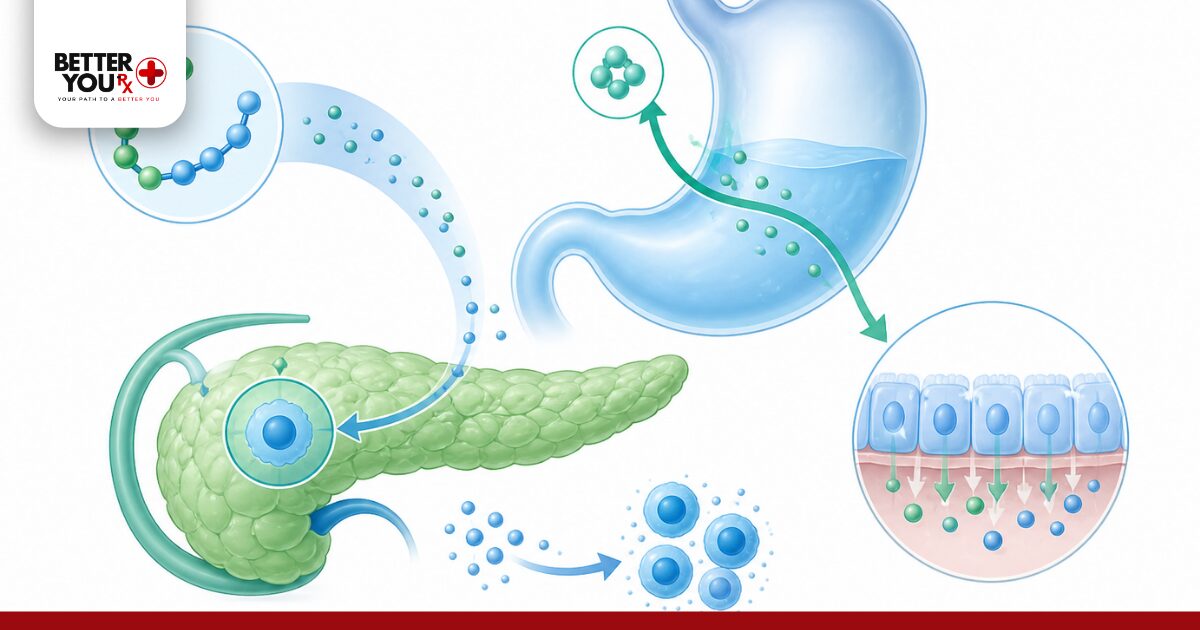
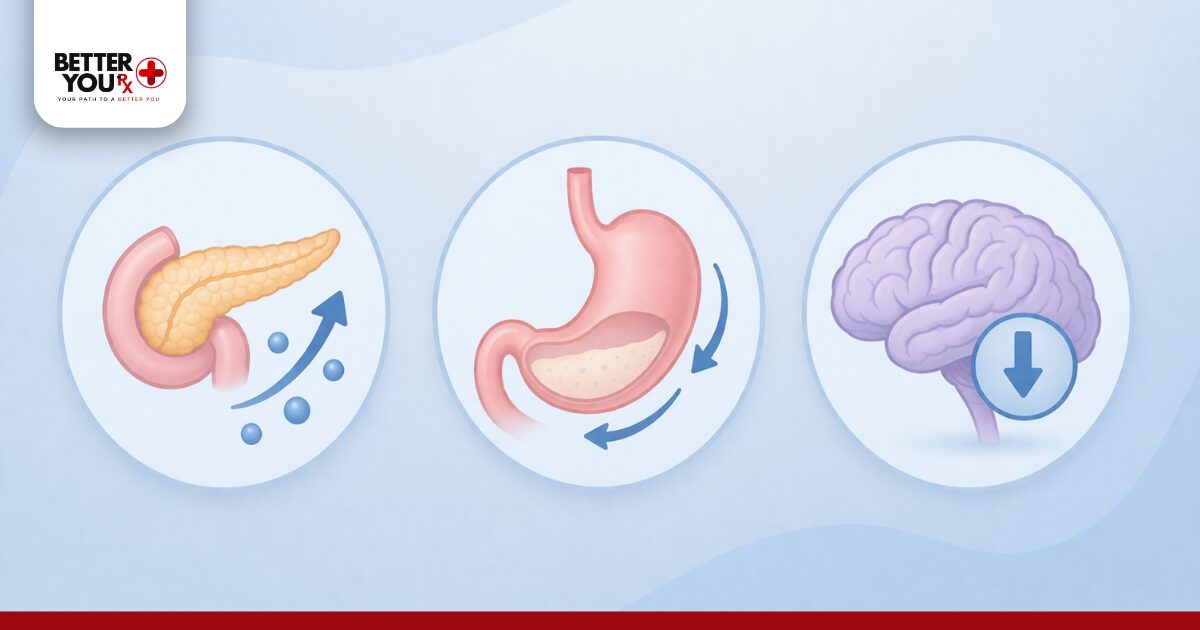
It functions by affecting the way the body processes hunger signals, digestion, and blood sugar control. It slows down the emptying of the stomach, helping patients feel full for longer periods after eating. This reduces cravings and supports portion control.

fzIn addition to controlling appetite, it also contributes to the body’s natural fat-burning abilities. By improving insulin sensitivity and regulating metabolism, it helps the body use stored fat more efficiently. This Zepbound fat burning process contributes to gradual and sustainable weight loss over time.

The Zepbound weight loss mechanism is closely tied to hormonal balance. By acting on pathways that control appetite and digestion, it reduces overall calorie intake without causing extreme hunger. This makes it easier for patients to stick with healthier eating patterns, which is essential for long-term success.

Zepbound Benefits

The benefits of Zepbound extend beyond just weight loss. Many patients notice improvements in multiple areas of health.

Weight Management Support

Zepbound helps patients achieve meaningful weight reduction when paired with lifestyle changes such as diet and exercise.

Zepbound Metabolic Benefits

One of the most important advantages is the Zepbound metabolic benefits, which include improved blood sugar regulation, better insulin sensitivity, and reduced risk of complications related to obesity.

Zepbound for Obesity Treatment

For individuals dealing with obesity, Zepbound offers structured medical support. The Zepbound for obesity treatment approach focuses not only on losing weight but also on lowering the health risks connected to excess body fat.

Better Quality of Life

Weight loss achieved through Zepbound can improve energy levels, mobility, and self-confidence. Many patients also experience reduced symptoms of conditions like high blood pressure and type 2 diabetes.

Final Thoughts

It is a valuable option for individuals who struggle with weight loss and need more than diet and exercise alone. By working with a U.S.-licensed physician, following proper prescription guidelines, and committing to healthy lifestyle changes, patients can benefit from this medication. It is not a quick fix but a tool that, when used responsibly, supports lasting results and improved health outcomes.

Buy Zepbound online from Canada through Better You Rx. This prescription referral service connects patients with a licensed contracted pharmacy department, ensuring access to safe and properly dispensed medication. Patients can begin their journey toward better health and weight management by taking the first step with their doctor’s guidance and a trusted prescription partner.

Frequently Asked Questions (FAQs)

What are the most serious side effects of Zepbound?
While many patients only experience mild stomach-related issues, some may face serious side effects that need immediate medical attention. These include pancreatitis (severe abdominal pain that may radiate to the back), gallbladder problems, kidney issues, or signs of a severe allergic reaction such as swelling of the face, lips, or throat. If any of these occur, patients should stop taking Zepbound and contact their doctor right away.

Does Zepbound cause low blood sugar?
Zepbound itself does not usually cause dangerously low blood sugar in people who are not diabetic. However, for patients who also take other diabetes medications such as insulin or sulfonylureas, the combination may increase the risk of hypoglycemia. Symptoms of low blood sugar can include shakiness, sweating, dizziness, or confusion. Doctors often adjust other medications to reduce this risk when prescribing Zepbound.

Is Zepbound safe during pregnancy or breastfeeding?
It is not recommended for women who are pregnant or planning to become pregnant, as weight loss is not considered safe during pregnancy and the effects of Tirzepatide on unborn babies are not fully known. Similarly, it is not advised while breastfeeding because it is unclear if the drug passes into breast milk. Women in these groups should speak with their healthcare provider about safer alternatives.

How long do side effects from Zepbound usually last?
For most patients, side effects such as nausea, constipation, or diarrhea improve within a few weeks as the body adjusts to the medication. Doctors often start with a lower dose and gradually increase it to help reduce these effects. However, if side effects remain severe or do not improve over time, medical guidance is necessary to evaluate whether continuing Zepbound is appropriate.


Is Ozempic Just For Diabetics

Ozempic is a medication that was created to help people with type 2 diabetes manage their blood sugar levels. It works by copying the function of a natural hormone that influences insulin release and appetite. This effect helps patients lower blood sugar while also supporting weight control. Over time, Ozempic has gained attention not just for diabetes management but also for its impact on weight loss. Because of this, many individuals who do not have diabetes are asking if they can also use it. The rising interest in this medication has made it one of the most talked about prescriptions today.

With more people wanting to know about Ozempic, questions have also grown about its safety, side effects, and overall purpose. Some wonder if it is truly only for diabetics, while others see it as a tool for weight loss. Since it is a prescription drug, it is important to understand when doctors recommend it, how it works in both diabetic and non-diabetic patients, and what risks it may bring. Having clear information helps people know what to expect and whether it might be suitable for their situation.
Can You Get Ozempic If You Don’t Have Diabetes?

Ozempic was first approved to treat type 2 diabetes, but its influence on appetite and digestion opened the door for wider use. Some doctors prescribe it to individuals who do not have diabetes but are overweight or obese. In these cases, the goal is usually weight reduction, especially when lifestyle changes such as diet and exercise alone are not enough.

People without diabetes who want to use Ozempic need to go through a proper medical evaluation. Doctors will look at their body mass index (BMI), history of medical conditions related to excess weight, and overall health profile. It is not available without a prescription, and healthcare providers will only give it if they believe the potential benefits outweigh the risks.

For those without diabetes, the effects of Ozempic still include appetite control, slower digestion, and reduced food cravings. This is why many people see results in their weight-loss journey. However, the medication is not a replacement for healthy eating and exercise. Instead, it works best as part of a complete weight management plan.

Can You Get Ozempic If You Are Diabetic?

For individuals with type 2 diabetes, Ozempic is one of the more commonly prescribed medications today. It helps lower blood sugar by enhancing insulin release when glucose levels rise. At the same time, it prevents the liver from making too much sugar, which also keeps blood sugar levels under control. Because of this, many patients are prescribed Ozempic as part of their diabetes care plan.

Diabetic patients often find that Ozempic offers two major benefits: improved blood sugar management and weight control. Weight loss in diabetes is especially helpful since excess weight can make blood sugar harder to manage. Some patients also report improved energy levels once their glucose levels stabilize. However, consistent monitoring by a doctor is needed to avoid complications.

Healthcare providers typically adjust the dose depending on the patient’s needs and response. Since diabetes is a long-term condition, many patients may use Ozempic for extended periods. Regular medical follow-ups are important to check blood sugar trends, weight changes, and any side effects that may appear.

Can Ozempic Cause Back Pain?

Some patients using Ozempic report experiencing back pain. While it is not one of the most common side effects, it has been noted in certain cases. The cause may vary and can include changes in digestion, dehydration, or muscle strain that becomes more noticeable as weight decreases. In rare situations, back pain may signal another health issue that is unrelated to the medication but appears while using it.

If someone develops back pain while on Ozempic, they should not ignore it. Speaking with a healthcare provider allows for proper evaluation. Sometimes, the discomfort can be managed with simple adjustments like better hydration, gentle exercise, or posture changes. In other cases, further investigation may be needed to rule out serious causes.

While back pain can occur, it is not considered a major or dangerous reaction for most users. Still, patients should always pay attention to new or unusual symptoms while using a prescription drug and report them to their doctor promptly.

Can Ozempic Cause A Rash?

Skin reactions are possible when taking Ozempic. Some individuals notice redness, irritation, or a mild rash at the injection site. This usually happens because the body is reacting to the injection rather than the medication itself. These reactions are generally temporary and improve with time.

In rare cases, patients may experience a rash that spreads or worsens. This could indicate an allergic reaction. While uncommon, allergic responses need immediate medical attention, especially if they come with swelling, difficulty breathing, or severe itching.

Most of the time, simple skin irritation can be managed by rotating injection sites, keeping the area clean, and applying gentle care. If the rash does not go away or becomes uncomfortable, medical advice is important to ensure it is not a sign of something more serious.
Risks And Side Effects Of Using Ozempic

Using Ozempic (semaglutide) involves some common, mild Ozempic side effects and potentially serious risks that users should be aware of. These can range from digestive issues to rare but more severe complications, and they should always be monitored closely under medical guidance.

Common Side Effects

Common Ozempic side effects include gastrointestinal issues like:

  • Nausea 
  • Vomiting 
  • Diarrhea 
  • Constipation 
  • Stomach pain or discomfort 
  • Burping, gas, and bloating 
  • Loss of appetite 
  • Headache and dizziness 

These symptoms are usually mild to moderate and tend to improve within a few weeks as the body adjusts to the medication. They are more frequent with higher doses. Some patients also notice physical changes in appearance due to rapid weight loss, which has led to the phrase Ozempic face. This term refers to sagging or hollowing of the cheeks and skin when weight is lost quickly, a cosmetic change that some users experience.

Serious Side Effects

More serious but less common risks associated with Ozempic usage are:

  • Pancreatitis (inflammation of the pancreas), with symptoms such as severe upper abdominal pain radiating to the back with nausea or vomiting 
  • Severe allergic reactions, which can cause swelling of the face, lips, tongue, throat, rash, hives, difficulty breathing, or dizziness 
  • Low blood sugar (hypoglycemia), especially when combined with other diabetes medications such as insulin or sulfonylureas 
  • Gallbladder problems, including gallstones and cholecystitis 
  • Kidney problems, which may manifest as swelling, reduced urine output, or blood in urine 
  • Thyroid tumors, with warning signs like neck swelling, difficulty swallowing, hoarseness, or shortness of breath 
  • Stomach paralysis (gastroparesis), leading to nausea, vomiting, bloating, or unstable blood sugar 
  • Vision changes and mood alterations 
  • Increased risk of food or liquid aspiration during surgery or sedation 

Any of these serious side effects require immediate medical attention and stopping the medication under a doctor’s advice.

Long-Term Risks

The long-term side effects of Ozempic may include persistent gastrointestinal disturbances, pancreatitis, thyroid tumors, gallbladder disease, diabetic retinopathy (eye blood vessel damage), and kidney injury. Because Ozempic is relatively new compared to older treatments, ongoing studies are still evaluating its long-term safety. Patients who use it for extended periods should maintain regular medical follow-ups to reduce risks and address problems early.

Is Ozempic Safe

The safety of Ozempic depends on the individual’s health profile and how it is used. For many people with type 2 diabetes, it is considered an effective and safe treatment option when prescribed and monitored by a doctor. It lowers blood sugar, supports weight management, and reduces the risk of complications related to high glucose levels.

For individuals without diabetes, the safety profile is similar, but doctors are careful about who they prescribe it to. Since it can affect digestion and metabolism, not everyone is a good candidate. People with a history of certain conditions may be advised to use a different approach to weight management.

The key to safety with Ozempic is proper medical supervision. Taking it without guidance, sharing doses, or using it for cosmetic weight loss without medical need can increase the risks. When used responsibly, many patients find it both effective and safe, but ongoing monitoring is always required.
Final Thoughts

Ozempic has transformed the way many people manage both type 2 diabetes and weight challenges. While it is not suitable for everyone, it has proven to be a valuable option for those who meet the right medical criteria. Whether used by diabetics to stabilize blood sugar or by non-diabetic patients seeking weight management under medical supervision, it offers benefits that go beyond its original purpose.

Patients considering Ozempic should always consult a trusted healthcare provider to weigh the benefits and risks. Monitoring, lifestyle changes, and open communication with a doctor are key to making the most of this medication safely.

For those exploring treatment options, you can buy Ozempic online from Canada through Better You Rx with proper guidance. Seeking medication from reliable sources ensures both safety and effectiveness. Always combine prescription treatment with healthy lifestyle habits to achieve the best long-term results.


Can You Stay on 0.6 mg of Saxenda for Weight Loss?

Saxenda’s active ingredient is Liraglutide, and starting Saxenda for weight management can bring many questions about how the medication works and what to expect. Saxenda is designed to help control appetite and support weight loss by using its active ingredient to affect the digestive system and signals in the brain related to hunger. People often notice changes in cravings, meal portions, and feelings of fullness while using Saxenda.

Many patients wonder about dosing, side effects, and how long each dose works in the body. Understanding the relationship between dose levels and weight loss outcomes can help set realistic expectations. Since Saxenda dosing often begins at a lower dose to improve tolerance, many individuals are curious about the benefits and limitations of remaining on the initial 0.6 mg dose.

Can You Stay on 0.6 Saxenda?

Yes, you can stay on 0.6 mg of Saxenda, but it’s usually not recommended as a long-term strategy for weight loss. The 0.6 mg dose is intended as the starting dose to help your body adjust to the medication and minimize side effects like nausea, vomiting, or stomach discomfort. It’s not considered a therapeutic dose for effective weight loss, which is why the usual treatment plan involves gradually increasing the dose every week or two until reaching the target dose of 3 mg if tolerated.

Staying on 0.6 mg for an extended period is generally safe, but it may lead to minimal weight loss and slower progress than expected. It also delays the benefits you would see at higher doses. Doctors usually encourage moving up to higher doses once your body adjusts, so you can achieve the full effect of Saxenda for weight management.
Does Saxenda Work at Lower Doses?

Lower doses of Saxenda can produce mild effects on appetite and fullness, which may result in modest weight loss. Starting at 0.6 mg helps reduce initial side effects, such as nausea, vomiting, or diarrhea, and prepares the digestive system for higher doses. While some patients do lose weight at lower doses, studies show that the most consistent results occur at the recommended therapeutic doses that are increased stepwise over several weeks.

Even at lower doses, the Saxenda for weight loss effect can be noticeable in individuals with strict dietary control and regular physical activity. However, the full potential of the medication is generally achieved at higher doses, and long-term reliance on 0.6 mg may limit overall effectiveness. It is important to follow medical advice regarding dose escalation for optimal results.

How Long Does Saxenda 0.6 Stay in Your System?

Saxenda is a once-daily injection, and the Saxenda active ingredient stays in the body for an extended period, maintaining steady levels in the bloodstream. The half-life of Saxenda is approximately 13 hours, meaning it takes roughly half a day for the body to eliminate half of the dose. It generally reaches steady-state concentration after a few days of continuous daily use, which allows for consistent appetite suppression and metabolic effects.

The 0.6 mg dose provides gradual exposure to the active ingredient without overwhelming the digestive system. The timing and absorption can vary slightly between individuals based on metabolism, kidney function, and other medications. Understanding how long the medication remains active helps in planning meal timing and monitoring the effects of the dose on weight management.
How Many 0.6 Doses in Saxenda Pen

A standard Saxenda pen contains 3 mL of solution, with a concentration of 6 mg/mL, which totals 18 mg per pen. When starting Saxenda, the typical dose is 0.6 mg per day. This is the initial dose prescribed to help your body adjust to the medication and minimize side effects such as nausea or stomach discomfort.

To figure out how many 0.6 mg doses are in one pen, you divide the total amount of medication in the pen by the daily dose. In this case, 18 mg ÷ 0.6 mg = 30 doses. This means that a single Saxenda pen provides 30 doses at 0.6 mg, covering approximately one month of daily injections at the starting dose. Knowing this helps patients plan their treatment schedule and ensures they have enough medication to complete the initial phase of therapy.

As the dose increases over time, fewer doses per pen are available. For example, at higher doses like 3 mg daily, each pen would only provide six days’ worth of injections. This makes it important to adjust your pen usage and refill schedule as your prescribed dose changes.
What Happens If You Stay On 0.6 mg Too Long?

When you stay on the 0.6 mg dose of Saxenda for an extended period, the main concern is that your body may not be getting the full benefit of the medication for weight loss. The 0.6 mg dose is usually considered a starting or introductory dose, designed to help your body adjust to the drug and minimize side effects like nausea, vomiting, or stomach discomfort. If you remain on this low dose for too long, you may experience minimal weight loss compared to what is expected at higher therapeutic doses. Essentially, the medication may be working, but not at its full potential.

Another issue with staying on 0.6 mg for too long is that it could delay reaching the optimal dose for effective weight loss. The recommended approach for Saxenda involves gradually increasing the dose—typically moving to 1.2 mg, 1.8 mg, 2.4 mg, and eventually 3 mg—if tolerated. Prolonged use of the introductory dose may also affect your motivation or confidence, as you might not see significant results. Additionally, while staying on a low dose is generally safe, it may still cause mild side effects such as nausea, bloating, or constipation, without offering the weight loss benefits intended for higher doses.

How Much Weight Can You Lose on Saxenda in a Month

On Saxenda, you can typically expect to lose about 2-3% of your starting body weight in the first month, which translates to roughly 2-3 kilograms (around 4-7 pounds) depending on your initial weight. Weight loss usually starts gradually because the dose is increased slowly over the first 4-5 weeks to minimize side effects. 

This dosing schedule, called dose titration, usually starts at 0.6 mg once daily and is increased by 0.6 mg each week until reaching the target and maximum dose of 3 mg per day by week 5. Significant weight loss of 5% or more of your body weight might be seen after around 8 weeks. 

Over the course of a year, the average weight loss in clinical trials was about 9% of starting weight, or around 20 pounds for someone weighing 230 pounds, especially when combined with a reduced-calorie diet and regular exercise. If no weight loss (at least 4%) is observed after 16 weeks, it is usually recommended to reassess treatment with a healthcare provider.

This gradual increase in Saxenda dosing explains why weight loss starts slower initially and becomes more pronounced as the effective dose is reached

Final Thoughts

Staying on 0.6 mg of Saxenda can be a safe starting point but is generally not sufficient for achieving substantial weight loss. Gradual dose escalation under medical supervision ensures that the body adapts, maximizes Saxenda benefits, and minimizes side effects. Each patient’s response is unique, making personalized guidance essential for successful weight management.

Buy Saxenda online from Canada through Better You Rx. Accessing a reliable source ensures quality and proper dosing guidance. Following professional recommendations helps achieve consistent results while maintaining safety and effectiveness with Saxenda.

FAQs 

  1. Can I maintain my current weight on 0.6 mg of Saxenda?
    Yes, some people may be able to maintain their current weight on 0.6 mg, especially if they already follow a balanced diet and exercise regularly. While this dose is low for significant weight loss, it may help stabilize appetite and prevent further weight gain.
  2. How long should I wait before increasing from 0.6 mg?
    Healthcare providers usually recommend staying at 0.6 mg for one week to allow your body to adjust to the medication. After that, the dose is typically increased gradually each week, provided side effects are manageable.
  3. Can 0.6 mg cause side effects?
    Even at a low starting dose, Saxenda can cause side effects such as mild nausea, bloating, constipation, or headache. These are usually temporary and decrease as your body adapts to the medication.
  4. Will staying at 0.6 mg affect my long-term results?
    Remaining on the starting dose long-term may slow down overall weight loss progress. The full therapeutic benefits of Saxenda are usually seen at higher doses, so sticking with 0.6 mg may limit the effectiveness for substantial weight reduction.
  5. Can 0.6 mg be used for people with mild obesity or overweight?
    It may provide modest appetite control and help with small lifestyle adjustments, but for meaningful weight loss in adults with obesity or overweight, higher doses are generally recommended.


How Does Ozempic Make You Lose Weight?

Ozempic is a prescription medication that contains the active ingredient Semaglutide, a compound designed to support people with type 2 diabetes and those who need help with weight management. It belongs to a class of drugs known as GLP-1 receptor agonists, which mimic a natural hormone in the body that plays a role in regulating blood sugar, appetite, and digestion. By acting on these natural processes, Ozempic can help people feel less hungry, eat smaller portions, and gradually lose excess weight when used together with lifestyle adjustments like a balanced diet and physical activity.

Weight management is often difficult, and many individuals find it challenging to achieve lasting results through diet and exercise alone. Medications like Ozempic provide an additional option for those who struggle with hunger control, overeating, or weight-related health conditions. While Ozempic was originally developed to improve blood sugar levels in people with diabetes, its ability to reduce appetite and support weight reduction has made it a valuable treatment option for people who are overweight or living with obesity. 

How Does Ozempic Make You Lose Weight Faster?

Ozempic works by targeting GLP-1 receptors in the body, which are responsible for regulating appetite, insulin release, and the rate at which the stomach empties. When Semaglutide binds to these receptors, it triggers several effects that support weight loss. One of the main effects is appetite control. People taking Ozempic often notice that they feel full after eating smaller amounts of food, which makes it easier to reduce calorie intake without feeling deprived.

Another key mechanism is delayed gastric emptying. This means food stays in the stomach longer after eating, helping patients feel full for an extended period of time. Because of this effect, cravings between meals are reduced, making it less likely for individuals to snack on high-calorie foods. In addition, Ozempic helps regulate blood sugar by stimulating insulin release in response to meals and lowering the amount of sugar produced by the liver. Stable blood sugar levels prevent sudden spikes and crashes that can trigger hunger and overeating.

Weight loss tends to be gradual with Ozempic, but many patients report losing weight faster compared to lifestyle changes alone. The medication helps create a steady reduction in calorie intake, which translates to consistent weight loss over weeks and months. Combined with healthy food choices and regular physical activity, the effects of Ozempic are enhanced, allowing patients to achieve better results in managing both weight and overall health.

Can You Still Lose Weight On Ozempic Without Dieting?

Ozempic can lead to weight loss even without strict dieting because it naturally reduces appetite and helps the body regulate hunger signals. Many people find that once they begin treatment, they automatically start eating less because they no longer feel as hungry as before. This decrease in calorie consumption alone can result in noticeable weight reduction. Patients often report that they are satisfied with smaller portions of food, and their cravings for high-sugar or high-fat snacks become less frequent.

However, while weight loss is possible without making major dietary changes, the results are usually more effective when Ozempic is combined with a balanced eating plan. Medications like Ozempic provide support, but they are not designed to replace healthy habits. Individuals who maintain poor eating patterns, such as frequent consumption of fast food or sugary beverages, may still struggle to see significant progress because the overall calorie intake remains high.

For the best results, healthcare providers recommend that patients using Ozempic follow a reduced-calorie diet that emphasizes whole foods like vegetables, lean protein, fruits, and whole grains. The medication makes it easier to stay on track with such a diet by curbing hunger and reducing the desire to overeat. When paired with lifestyle adjustments, Ozempic not only helps with weight reduction but also improves long-term health by supporting better blood sugar control and lowering the risk of weight-related complications.


Does Ozempic Break Down Belly Fat?

Ozempic can help with weight loss, which often includes a reduction in belly fat, but it does not directly “target” belly fat alone. The medicine works by copying a natural hormone in the body that helps control blood sugar and appetite. Because it makes you feel full sooner and slows down how quickly food leaves your stomach, many people eat less and naturally lose weight over time. When weight loss happens, it usually comes from different parts of the body, including the belly area.

While Ozempic may help reduce belly fat, the results can be different for each person. Some may notice a big change in their waistline, while others may see more general weight loss across their body. A healthy diet, regular exercise, and lifestyle habits play an important role in how much belly fat is lost. Ozempic supports weight management, but it works best when combined with healthy daily choices. 

The Science Behind Fat Distribution

Fat distribution depends on genetics, hormones, and lifestyle habits. While Ozempic influences appetite and energy use, the exact location of fat loss varies for each person. For many, the abdominal region is where changes become noticeable first, as it is closely connected to insulin response.


Why Does Ozempic Age Your Face?

Ozempic can sometimes make the face look older, but the medicine itself is not the cause. The effect, often called “Ozempic face,” happens because of weight loss. When people lose weight, especially quickly, they also lose fat from the face. That fat normally keeps the skin smooth and firm. Without it, the cheeks may look hollow, the skin can appear loose, and wrinkles may become easier to see, which gives the impression of aging.

This change is not unique to Ozempic—any significant weight loss can have the same effect. Ozempic just speeds up the process by helping people eat less and lose weight more effectively. To help with these changes, doctors may suggest lifestyle steps like staying hydrated, eating enough protein, and using skincare routines that support skin elasticity. In some cases, dermatology treatments such as fillers or skin-tightening procedures can also restore fullness. So, Ozempic doesn’t age your face directly, but the weight loss it causes can change facial appearance in ways that resemble aging.

Is Ozempic Safe For Weight Loss?

Ozempic has been widely studied for both diabetes management and weight reduction. While it is considered effective, safety always depends on personal health conditions and guidance from a healthcare professional. Common side effects include nausea, vomiting, and changes in digestion, which usually lessen over time as the body adjusts.

For most people, the benefits of improved blood sugar control and weight reduction outweigh these temporary discomforts. However, it is important to follow proper dosing instructions and report any unusual or severe side effects to a healthcare provider. Monitoring overall health during treatment ensures that the medication is being used safely and effectively.

Factors To Consider Before Using Ozempic

While many people benefit from it, there are important things to think about before starting. Knowing these factors helps make sure the medicine is safe and works well for you.

Medical History and Health Conditions

Before using Ozempic, it is important to talk with your doctor about your health history. People who have had thyroid cancer or a family history of thyroid tumors should not take this medicine. If you have had problems like pancreatitis (inflammation of the pancreas), kidney disease, or serious stomach issues, Ozempic may not be the best option. Your doctor will decide if it is safe for you.

Other Medicines You Take

Ozempic can affect the way your body absorbs other medicines because it slows down digestion. If you are taking insulin or medicines that lower blood sugar, using Ozempic together with them may increase the risk of low blood sugar. Always tell your doctor about all the medicines, vitamins, or supplements you are taking to avoid harmful interactions.

Possible Side Effects

Like all medicines, Ozempic can cause side effects. Common ones include nausea, vomiting, diarrhea, and constipation. These usually improve as your body adjusts. But some people may experience serious side effects like pancreatitis, gallbladder issues, kidney problems, or allergic reactions. Knowing these risks can help you watch for warning signs and get medical help if needed.

Lifestyle and Habits

Ozempic works best when combined with healthy habits. Eating a balanced diet and being physically active will help you get the best results. It is not a quick fix for weight loss. Instead, it supports long-term lifestyle changes.

Long-Term Use

Ozempic is usually meant for long-term use. If you stop taking it, your blood sugar may rise again, and you may regain weight. Before starting, you should be ready for ongoing treatment unless your doctor advises otherwise.

The Bottom Line

Ozempic has become an important option for individuals seeking medical help in managing weight. By reducing appetite, slowing stomach emptying, and improving blood sugar control, it supports consistent weight loss and better metabolic health. While the medication helps the body naturally consume fewer calories, the best results come when it is combined with balanced eating and regular exercise.

Patients should remember that Ozempic does not burn fat directly or provide instant results. Instead, it makes it easier to follow a sustainable lifestyle that leads to gradual and lasting weight reduction. From decreasing belly fat to improving blood sugar stability, Ozempic plays a powerful role in improving overall health and well-being.

Buy Ozempic online from Canada through Better You Rx to ensure reliable access to your treatment. Staying consistent with your supply helps avoid interruptions and supports ongoing progress in your weight management journey. By combining Ozempic with healthy lifestyle choices, you can maximize results and move closer to your long-term health goals.

Ozempic Foods to Avoid: What Not to Eat for Better Results

If you’re currently prescribed Ozempic for type 2 diabetes or weight loss, understanding which foods to avoid can make a noticeable difference in how well the medication works. One of the most common questions patients ask is: “What are the Ozempic foods to avoid?”

While Ozempic (semaglutide) helps regulate blood sugar and appetite, certain foods can interfere with its effectiveness—or worsen side effects like nausea and bloating. Fortunately, making a few dietary adjustments can significantly enhance your experience and results.

“What you eat while taking Ozempic can either support or sabotage your progress. Small dietary choices lead to big health wins.”

To ensure that both your medication and your diet are working in harmony, it’s essential to build an effective Ozempic diet plan—starting with what to cut out.

If you’re also looking for safe and cost-effective access to your prescriptions, Better You Rx is a trusted Canadian pharmacy affiliate offering Ozempic at affordable prices.

Why Your Diet Matters When Taking Ozempic

Ozempic, a GLP-1 receptor agonist, works by:

  • Slowing down digestion
  • Suppressing appetite
  • Improving insulin sensitivity

When combined with an unbalanced diet—especially one high in fats, sugar, or processed foods—it can reduce the drug’s effectiveness or cause uncomfortable side effects.

What Not to Eat on Ozempic: Foods That Can Disrupt Your Progress

Understanding the Ozempic foods to avoid starts with identifying how certain ingredients interact with semaglutide. The wrong foods can not only blunt the drug’s effects but also intensify side effects like nausea, bloating, and blood sugar spikes.

High-Fat Foods and Ozempic

High-Fat Foods - foods to avoid when taking Ozempic

Foods high in saturated fats—like fried foods, fatty cuts of meat, and full-fat dairy—can slow down digestion, making it harder for Ozempic to work effectively. These foods may also worsen Ozempic nausea, especially during the first few weeks of use.

Tip: Avoid fried foods and opt for grilled or baked proteins to support smoother digestion and weight loss.

Sugar Intake on Ozempic

Excessive sugar—especially from processed snacks or desserts—can counteract Ozempic’s appetite-suppressing benefits. Sugary foods cause insulin spikes and disrupt blood sugar balance, making your treatment less effective.

Instead of refined sugar, choose low-glycemic fruits like berries or apples. This simple adjustment can keep cravings in check and align with your Ozempic foods meal plan.

Sugary Alcohol and Ozempic

When it comes to Ozempic and alcohol, moderation is critical. Sugary drinks like cocktails and sweet wines can spike blood sugar, while alcohol itself can increase the risk of dehydration and gastrointestinal issues.

✔️ Healthier alternatives include sparkling water, herbal teas, or occasional dry wines in moderation.

Foods That Trigger Ozempic Nausea

girl about to puke eating foods that triggering Ozempic nausea

Ozempic nausea foods typically include greasy, spicy, or overly processed dishes. These can irritate your digestive system and heighten the likelihood of nausea, a side effect experienced by many users.

If you’re struggling with discomfort, consider avoiding:

  • Heavily seasoned dishes
  • Fried or oily foods
  • Large portion sizes

For helpful tips on managing nausea and other side effects, visit the Health Tips section at Better You Rx.

Dairy Sensitivity

Some users report that dairy—especially milk and cheese—can increase bloating or stomach upset while on Ozempic. While not universally problematic, it’s wise to monitor your reaction and switch to lactose-free or plant-based options if needed.

Best Foods to Eat on Ozempic

healthy foods that is best to eat on Ozempic

While avoiding certain foods is crucial, incorporating the right foods into your diet can enhance Ozempic’s effectiveness and support overall health. Here’s what to include in your Ozempic foods meal plan:

  • Lean Proteins: Chicken, turkey, fish, tofu, and legumes help maintain muscle mass and promote satiety.
  • Whole Grains: Brown rice, quinoa, and oats provide sustained energy and aid in blood sugar control.
  • Non-Starchy Vegetables: Leafy greens, broccoli, and bell peppers are low in calories and high in fiber.
  • Healthy Fats: Avocados, nuts, and olive oil support heart health and help you feel full.
  • Low-Sugar Fruits: Berries and apples offer essential nutrients without causing blood sugar spikes.

Incorporating these foods can help you manage side effects and achieve better results with Ozempic.

How Diet Affects Ozempic Results

Your dietary choices play a significant role in how effectively Ozempic works. A balanced Ozempic foods diet supports the medication’s ability to regulate blood sugar and promote weight loss. Conversely, poor dietary habits can hinder its effectiveness and exacerbate side effects.

If you’re also considering similar GLP-1 medications, options like Wegovy—for weight loss—or oral alternatives like Rybelsus may be discussed with your provider.

Conclusion

Making informed dietary choices is essential when taking Ozempic. By avoiding certain foods and incorporating beneficial ones, you can enhance the medication’s effectiveness and support your overall health goals.

For those seeking affordable and reliable access to Ozempic, Better You Rx is a trusted Canadian pharmacy affiliate offering competitive prices. Explore their services to support your health journey effectively.

FAQs

Q: Can I drink alcohol while taking Ozempic?

A: It’s advisable to limit alcohol consumption, as it can increase the risk of low blood sugar and gastrointestinal side effects.

Q: Are there any foods that can help reduce Ozempic-related nausea?

A: Eating bland, low-fat foods like toast, rice, or applesauce can help manage nausea. Avoiding greasy or spicy Ozempic foods is also beneficial.

Q: How important is meal timing when on Ozempic?

A: Regular meal timing can help maintain stable blood sugar levels and reduce the risk of side effects.

Key Takeaways

  • Avoid: High-fat, sugary, and processed foods to minimize side effects and enhance Ozempic’s effectiveness.
  • Include: Lean proteins, whole grains, non-starchy vegetables, healthy fats, and low-sugar fruits in your diet.
  • Limit: Alcohol intake to reduce the risk of adverse effects.
  • Consult Healthcare professionals for personalized dietary advice.

Best Injection Sites for Ozempic: Thigh, Stomach, or Arm?

Choosing the right place to inject Ozempic can make a significant difference in comfort, absorption, and treatment consistency. Whether you’re managing type 2 diabetes or using Ozempic for weight loss, one of the most common questions is: Where to inject Ozempic in the thigh, stomach, or arm—and which injection site for Ozempic delivers the best results?

This guide breaks down the best injection sites for Ozempic, offers technique tips, and provides answers based on the latest clinical insights.

“Proper injection sites for Ozempic selection isn’t just about comfort—it helps ensure your medication works as intended, with fewer side effects and better long-term outcomes.”

For trusted access to Ozempic and expert resources on administration and dosage, Better You Rx provides safe, affordable, and reliable options through their online Canadian pharmacy.
Where to Inject Ozempic in the Thigh

ozempic being injected to the thigh

The front or outer thigh is one of the recommended injection sites for Ozempic, especially for users seeking visibility and ease. To ensure correct subcutaneous delivery:

  • Pinch a fold of skin midway between the hip and knee
  • Insert the needle at a 90-degree angle
  • Avoid direct muscle contact by sticking to fatty areas

This location is favored by patients who alternate between sites for improved skin tolerance and reduced irritation.

Helpful Tip: “Use a mirror or ask for help if you’re unsure about muscle vs. fat placement—it’s better to double-check than risk misdelivery.”

For safer injection guides and lifestyle insights, check out the Health Tips section at Better You Rx.
Where to Inject Ozempic in the Stomach

ozempic being injected to the stomach

The stomach is one of the most recommended and widely used Ozempic injection sites. It’s particularly favored for its accessibility and reliable absorption rate.

To inject Ozempic in the stomach:

  • Choose a spot at least 2 inches away from your navel
  • Clean the area with an alcohol swab
  • Pinch a section of skin and inject into the fatty tissue

Clinical observations indicate that stomach injections may offer slightly faster absorption compared to other areas, though long-term effectiveness remains consistent across sites.

Helpful Tip: “Rotate injection spots within the stomach area—don’t use the exact same point repeatedly to avoid irritation or lipohypertrophy.”

Where to Inject Ozempic in the Arm

The upper arm is another approved site but may be less convenient for self-injection due to limited reach.
When using the arm:

  • Target the back of the upper arm
  • Inject into the soft, fatty layer—not muscle
  • Consider asking for assistance to ensure correct angle and depth

Although absorption is consistent, comfort and ease may vary. This site is often used in clinical settings or with caregiver help.

Understanding Subcutaneous vs. Muscle Injections

Ozempic is designed as a subcutaneous injection—it must be delivered into the layer of fat just beneath the skin.

Injecting into the muscle can:

  • Alter the absorption rate
  • Increase side effects like nausea or hypoglycemia
  • Causes unnecessary discomfort

Always verify you’re injecting into fat, not muscle. Needles used with the Ozempic pen are designed for subcutaneous delivery, but an improper angle or injection site for Ozempic can affect the outcome.

Managing Injection Discomfort

ice pack on a ozempic injection spot in the arm

Experiencing mild discomfort at the injection sites for Ozempic is common when administering Ozempic. To minimize pain and enhance your injection experience, consider the following strategies:

  • Allow the medication to reach room temperature before injection to reduce stinging sensations.
  • Use a new needle for each injection to ensure sharpness and sterility.
  • Rotate injection sites for Ozempic regularly to prevent tissue irritation and lipohypertrophy.
  • Apply a cold compress to the injection site post-injection to alleviate discomfort.

For more detailed guidance on managing injection site reactions, refer to the Centers for Disease Control and Prevention’s recommendations on diabetes care: — – Diabetes Basics.

Your Injection Sites for Ozempic Routine Matters—So Make It Count

Using Ozempic effectively isn’t just about remembering your weekly dose—it’s about doing it right. Understanding where to inject Ozempic in the thigh, stomach, or arm, and how to rotate sites properly, can directly impact how well your body absorbs the medication and how comfortable your experience is.

Whether you’re injecting for blood sugar control or weight loss, getting consistent, reliable results starts with technique and site selection. Don’t underestimate the power of the small details: a proper angle, fresh needle, and the right spot make a big difference.

If you’re ready to take the next step with expert guidance and secure access to your prescriptions, trust Better You Rx. As a trusted pharmacy partner, they not only provide medications like Ozempic at competitive prices, but also support your long-term health goals with resources tailored to your treatment journey.

Because better health starts with better habits—and better partners.

Frequently Asked Questions

Where is the best place to inject Ozempic for optimal results?

The abdomen is often recommended due to its ample subcutaneous tissue and ease of access. However, the thigh and upper arm are also suitable sites. Consistency in rotating injection sites is key to preventing skin issues.

Can I inject Ozempic into the same spot every time?

It’s advisable to rotate injection sites within the same general area to prevent skin irritation and ensure consistent absorption.

What should I do if I experience pain or discomfort at the injection sites for Ozempic?

Mild pain or discomfort is common. Applying a cold compress post-injection can help. If pain persists or worsens, consult your healthcare provider.

Is it safe to use numbing creams before injecting Ozempic?

Using a numbing cream may help reduce discomfort. However, consult your healthcare provider before using any topical anesthetics to ensure they won’t interfere with the medication’s efficacy.

Key Takeaways

  • Proper injection technique and site rotation are crucial for minimizing discomfort and ensuring effective medication absorption.
  • The abdomen, thigh, and upper arm are all viable injection sites for Ozempic.
  • Managing injection sites for Ozempic reactions involves allowing the medication to reach room temperature, using new needles, and applying cold compresses post-injection.

Consult your healthcare provider for personalized advice before making any changes to your injection routine.

Wegovy vs Ozempic: Which Semaglutide Option Is Right for You in 2025?

If you’re exploring GLP-1 medications for weight loss or type 2 diabetes, the debate between Wegovy vs Ozempic is more relevant than ever. Both drugs share the same active ingredient—semaglutide—but serve different treatment goals.

Whether you’re focused on managing your blood sugar or targeting substantial fat loss, understanding how these two medications differ in dosage, application, cost, and insurance coverage can help you make an informed decision.

“Choosing between Wegovy vs Ozempic isn’t just about weight loss—it’s about selecting the right dosage, purpose, and support system to reach your health goals safely.”

To access either medication through a trusted Canadian pharmacy affiliate, check out Better You Rx, where you’ll find semaglutide options like Wegovy and Ozempic)—delivered reliably and affordably.


Understanding Wegovy vs Ozempic: The Same Ingredient, Different Goals

doctor expalining wegocy and ozempic to a patient

Both Wegovy and Ozempic contain semaglutide, a powerful GLP-1 receptor agonist that works by:

  • Stimulating insulin release
  • Suppressing glucagon (a hormone that raises blood sugar)
  • Slowing gastric emptying to increase fullness and reduce calorie intake

But here’s the key difference:

In the next section, we’ll compare dosage strategies and effectiveness—highlighting why Ozempic weight loss vs Wegovy results vary based on intent and formulation.

Wegovy for Weight Loss: Higher Dosage, Stronger Results

torso of a woman showing her old jeans for wegovy for weight loss

Wegovy was approved by the U.S. government specifically for the treatment of obesity. It’s prescribed to adults with a BMI of 30 or higher—or 27 with weight-related conditions like high blood pressure or sleep apnea.

The semaglutide dosage in Wegovy vs to Ozempic starts low and gradually increases to a maintenance dose of 2.4 mg weekly, allowing the body to adjust while maximizing appetite suppression and fat loss.

Clinical Results

According to a government-backed STEP 1 clinical trial, adults using Wegovy (semaglutide) lost an average of 14.9% of their body weight over 68 weeks, compared to just 2.4% in the placebo group. This large, randomized study included 1,961 participants with obesity or weight-related health conditions and confirms Wegovy’s strong efficacy as a medical weight loss treatment.

If your primary goal is sustainable weight reduction, Wegovy’s higher semaglutide dosage may make it more effective than Ozempic.


Ozempic for Type 2 Diabetes (and Some Weight Loss)

Ozempic is primarily prescribed for type 2 diabetes, targeting blood sugar regulation through semaglutide’s effect on insulin and digestion.

Patients begin with a 0.25 mg weekly dose, which gradually increases—typically up to 2.0 mg. In some off-label cases for weight loss, it may reach 2.4 mg, similar to Wegovy.

While Wegovy vs Ozempic outcomes are still meaningful, the results tend to be slightly more modest due to the lower dosing structure and different treatment focus.


Wegovy vs Ozempic Side Effects: What’s the Difference?

woman having stomachache - wegovy vs ozempic side effects

Both medications share similar side effects due to their semaglutide base. These include:

  • Nausea
  • Diarrhea or constipation
  • Fatigue
  • Headaches

More serious but rare risks include:

  • Pancreatitis
  • Gallbladder issues
  • Possible thyroid complications
  • Vision-related conditions like NAION (as noted in recent government-funded studies)

There’s also the cosmetic concern commonly referred to as “Ozempic butt”—sudden weight loss leading to sagging skin. It’s not caused by the drug itself but by rapid fat reduction. Mitigation strategies include:

  • Strength training
  • Adequate protein intake
  • Hydration and gradual progress

Wegovy vs Ozempic Cost: What to Expect in 2025

As of 2025, the out-of-pocket costs for these medications vary significantly:

  • Wegovy: Approximately $1,349 per month without insurance.
  • Ozempic: Approximately $935 per month without insurance.

Insurance coverage can reduce these costs substantially, but it’s important to note that coverage for weight loss medications like Wegovy is often limited. 

For those seeking affordable options, Better You Rx offers access to semaglutide-based treatments through a trusted Canadian pharmacy affiliate.

Insurance Coverage for Wegovy and Ozempic in 2025

Insurance coverage for these medications varies:

  • Ozempic: Generally covered when prescribed for type 2 diabetes management.
  • Wegovy: Coverage is less common, especially when prescribed solely for weight loss.

Patients are advised to consult with their insurance providers to understand their specific coverage options.

Which Is Better: Ozempic or Wegovy?

The choice between Ozempic and Wegovy depends on individual health goals:

  • Wegovy: More effective for significant weight loss due to its higher semaglutide dosage.
  • Ozempic: Primarily used for type 2 diabetes management, with weight loss as a secondary benefit.

Consulting with a healthcare provider can help determine the most appropriate treatment based on personal health needs.

Making an Informed Choice Between Wegovy vs Ozempic

Choosing between Wegovy and Ozempic hinges on your specific health goals—be it significant weight loss or managing type 2 diabetes. Understanding the differences in dosage, cost, and insurance coverage is crucial.

For those seeking access to these medications through a reliable source, Better You Rx provides options via a trusted Canadian pharmacy affiliate, ensuring affordability and convenience.

FAQs: Wegovy vs Ozempic

Q: How effective is Wegovy compared to Ozempic for weight loss?
A: Wegovy has shown greater weight loss results due to its higher dosage of semaglutide.

Q: Are the side effects of Wegovy vs Ozempic different?
A: Both medications share similar side effects, including nausea and gastrointestinal discomfort.

Q: Is Wegovy covered by insurance?
A: Coverage varies; it’s often limited when prescribed solely for weight loss.

Q: Can I switch from Ozempic to Wegovy?
A: Switching should be done under medical supervision to ensure safety and efficacy.

Discover the Complexities of Type 4 Diabetes and How to Manage It Effectively

Type 4 Diabetes represents a significant advancement in our understanding of diabetes, intertwining insulin resistance, metabolic syndrome, and the pivotal role of cognitive function. While traditional classifications focus primarily on Type 1 and Type 2 Diabetes, the emergence of Type 4 Diabetes introduces unique challenges and management strategies essential for those affected. This article delves into the characteristics, causes, symptoms, and treatment options for Type 4 Diabetes, while providing actionable insights into effective lifestyle changes that can enhance overall well-being. 

Understanding Type 4 Diabetes 

Type 4 Diabetes, a relatively new classification, is characterized by the body’s inability to utilize insulin effectively, often resulting in insulin resistance. What sets Type 4 apart is its close association with cognitive impairments, which can influence how the brain regulates metabolic processes. This intricate relationship underscores the complexity of Type 4 Diabetes, necessitating a multifaceted approach to management that encompasses not only the physiological aspects but also cognitive functions that impact blood sugar regulation. 

Symptoms of Type 4 Diabetes 

symptom of type 4 diabetes

Individuals diagnosed with Type 4 Diabetes may experience a spectrum of symptoms that can significantly affect their quality of life. Identifying these symptoms is essential for prompt intervention and efficient management. Common symptoms include: 

  • Increased Thirst and Frequent Urination: Elevated blood sugar levels can lead to dehydration, prompting the body to signal thirst and resulting in increased urination as it attempts to eliminate excess glucose. 
  • Fatigue and Weakness: Insulin resistance hampers the body’s ability to convert glucose into energy, leading to persistent feelings of fatigue and weakness, often debilitating for daily activities. 
  • Blurred Vision: High glucose levels can distort the lenses of the eyes, causing temporary vision disturbances that can affect both near and distance sight. 
  • Slow-Healing Sores or Frequent Infections: Impaired circulation and elevated blood sugar can hinder the body’s healing processes, resulting in wounds that take longer to heal and increased susceptibility to infections. 
  • Darkened Skin Areas: Individuals may notice patches of darkened skin, particularly in body folds, known as acanthosis nigricans, which often indicate insulin resistance and should be taken seriously. 

Understanding these symptoms empowers individuals to seek timely medical advice, fostering early diagnosis and intervention. 

Causes of Type 4 Diabetes 

men and women with type 4 diabetes

Identifying the underlying causes of Type 4 Diabetes provides valuable insights into prevention and management strategies. Key contributors include: 

  • Genetic Predisposition: A family history of diabetes can elevate the likelihood of developing insulin resistance and related health issues, emphasizing the need for vigilance among those with a genetic background. 
  • Obesity: Excess body weight, particularly around the abdomen, is a significant risk factor for developing insulin resistance and Type 4 Diabetes, highlighting the need for effective weight management strategies. 
  • Physical Inactivity: A sedentary lifestyle often leads to weight gain and decreased insulin sensitivity, underscoring the importance of regular physical activity for overall health. 

  • Age: The risk of insulin resistance tends to increase with age, particularly for individuals over 45 years old, making it crucial for older adults to monitor their metabolic health closely. 

  • Hormonal Changes: Conditions such as polycystic ovary syndrome (PCOS) and fluctuations in hormone levels can affect insulin sensitivity, contributing to the onset of Type 4 Diabetes. 

Distinguishing Type 4 Diabetes from Type 2 Diabetes 

While Type 2 Diabetes is well-known and primarily associated with lifestyle factors, Type 4 Diabetes introduces a nuanced perspective by emphasizing the interplay of insulin resistance and cognitive function. The key differences include: 

  • Mechanisms: Type 2 Diabetes typically develops due to obesity and lifestyle choices, whereas Type 4 Diabetes acknowledges the critical role of brain health and hormonal changes in regulating insulin sensitivity. 
  • Management Strategies: Individuals with Type 4 Diabetes may require a more comprehensive approach that includes cognitive assessments alongside traditional diabetes management strategies, allowing for tailored interventions. 

Understanding these distinctions is vital for developing effective treatment plans that cater to individual needs and circumstances. 

The Role of Metabolic Syndrome 

Metabolic syndrome is a cluster of conditions that significantly increases the risk of heart disease, stroke, and Type 2 Diabetes. Many individuals diagnosed with Type 4 Diabetes frequently exhibit features of metabolic syndrome, including: 

  • Increased Waist Circumference: A larger waist circumference often indicates visceral fat accumulation, closely linked to insulin resistance and its associated risks. 
  • High Blood Pressure: Hypertension commonly coexists with metabolic syndrome and presents an additional cardiovascular risk, necessitating comprehensive health management. 
  • Elevated Triglycerides and Low HDL Cholesterol: Abnormal lipid profiles contribute to the overall risk of cardiovascular complications associated with Type 4 Diabetes, emphasizing the need for lifestyle modifications. 

Addressing metabolic syndrome is critical for managing Type 4 Diabetes and preventing long-term health complications, reinforcing the importance of a holistic approach to treatment. 

Lifestyle Changes for Managing Type 4 Diabetes 

meat vegetables and nuts for diabetic

Implementing intentional lifestyle changes can have a profound impact on the management of Type 4 Diabetes. Key strategies include: 

  • Regular Exercise: Engaging in physical activities, such as walking, swimming, or strength training, enhances insulin sensitivity, aids in weight management, and promotes overall cardiovascular health. 
  • Balanced Diet: A well-rounded diet rich in whole foods—including fruits, vegetables, lean proteins, and whole grains—can help stabilize blood sugar levels and improve overall health. 
  • Weight Management: Achieving and maintaining a healthy weight is crucial for improving insulin sensitivity and reducing the risk of complications associated with Type 4 Diabetes. 
  • Managing stress is important because chronic stress can negatively impact blood sugar levels. Integrating mindfulness techniques such as meditation, yoga, and deep-breathing exercises can significantly assist in alleviating stress and improving emotional health.

Effective Blood Sugar Management 

Managing blood sugar levels is paramount for individuals with Type 4 Diabetes. Regular monitoring of blood glucose levels can help identify patterns and inform necessary adjustments to diet and lifestyle. Collaborating with healthcare professionals to develop a personalized management plan tailored to individual needs is highly recommended. This plan may include medication adjustments, dietary modifications, and exercise regimens based on blood sugar responses, ensuring a proactive approach to health. 

Diagnosis of Type 4 Diabetes 

Diagnosing Type 4 Diabetes typically involves a combination of medical history, physical examination, and laboratory tests to assess blood sugar levels. Common diagnostic tests include: 

  • Fasting Plasma Glucose Test: This test measures blood sugar levels after fasting for at least eight hours, providing insights into insulin sensitivity and glucose regulation. 
  • Oral Glucose Tolerance Test (OGTT): This test assesses blood sugar levels before and after consuming a sugary drink, helping to determine how well the body processes glucose. 
  • A1C Test: This test provides an average blood sugar level over the past two to three months, indicating long-term glucose control and the effectiveness of management strategies. 

These tests help healthcare providers establish an accurate diagnosis and create an appropriate treatment plan tailored to individual needs. 

Diet Recommendations for Type 4 Diabetes 

A well-structured diet is crucial for managing Type 4 Diabetes effectively. Key dietary recommendations include: 

  • Incorporating High-Fiber Foods: Whole grains, legumes, vegetables, and fruits are excellent sources of fiber that can help stabilize blood sugar levels and support digestive health. 
  • Limiting Added Sugars: Reducing the intake of foods and beverages high in added sugars can prevent spikes in blood glucose levels, promoting overall health and well-being. 
  • Focusing on Healthy Fats: Including sources of healthy fats, such as avocados, nuts, seeds, and olive oil, can improve heart health and provide essential nutrients, aiding in blood sugar control. 
  • Staying Hydrated: Drinking plenty of water and limiting sugary drinks can help maintain hydration and support metabolic processes, enhancing overall well-being. 

Complications of Type 4 Diabetes 

If left unmanaged, Type 4 Diabetes can lead to serious and potentially life-threatening complications. These complications may include: 

  • Cardiovascular Disease: Individuals with Type 4 Diabetes are at increased risk of heart disease and stroke due to the effects of insulin resistance on blood vessels. 
  • Kidney Damage: Diabetic nephropathy may occur as a result of elevated blood sugar levels and poor circulation, leading to significant health concerns. 
  • Nerve Damage: Peripheral neuropathy can result in pain, tingling, or numbness in the extremities, impacting mobility and overall quality of life. 
  • Eye Damage: Diabetic retinopathy can cause vision problems, and if left untreated, may lead to blindness, underscoring the importance of regular eye examinations. 
  • Foot Complications: Poor circulation and nerve damage can lead to infections, ulcers, and even amputations in severe cases, emphasizing the necessity of foot care. 

Being proactive in managing Type 4 Diabetes can help mitigate these risks and improve overall health, highlighting the importance of regular monitoring and effective lifestyle changes. 

Conclusion 

Understanding Type 4 Diabetes is essential for effective management and prevention of serious complications. By making informed lifestyle choices, focusing on a balanced diet, and collaborating closely with healthcare professionals, individuals can take proactive steps toward better health and well-being. Emphasizing regular monitoring, proper nutrition, and physical activity can significantly influence blood sugar levels and enhance overall quality of life. 

For those seeking affordable medication options, Better You Rx offers a range of treatments, including Ozempic, to help manage diabetes effectively. By prioritizing your health through access to cheap drugs and meds from Canada, you can take control of your diabetes management journey and improve your overall quality of life. Explore the benefits of a pharmacy-affiliated website dedicated to providing you with the medications you need to thrive. 

Florida Obesity and Chronic Diseases 2024

The state of Florida is grappling with a growing health crisis: obesity. Obesity rates are rising. The state now faces more chronic diseases linked to excess weight. In 2024, it is vital to understand the link between obesity and chronic diseases. This article studies how obesity affects chronic conditions in Florida. It covers heart disease, cancer, diabetes, respiratory diseases, and epilepsy. It aims to highlight the challenges of obesity and explore solutions. This includes using healthcare resources like Better You Rx to manage these conditions.

The Burden of Obesity in Florida

Current Statistics on Obesity Rates

Obesity remains a pressing issue in Florida, with recent statistics revealing alarming trends. The Florida Department of Health says about 33% of adults in Florida are obese. This rate has risen over the past decade. Children and teens are experiencing rising obesity rates, mirroring this trend. They are causing more health problems related to obesity.

Demographic Groups Most Affected

Obesity has distinct impacts on diverse population segments. In Florida, low-income communities and some racial groups have a higher prevalence. Data shows that African Americans and Hispanics are more obese than Whites. Also, socioeconomic factors are important. Lower-income people often have limited access to healthy food and recreation.

Connection to Public Health Challenges

The rise in obesity rates is closely linked to many public health challenges. In addition to raising the risk of chronic illnesses, obesity also raises healthcare expenses and strains medical staff. Treating obesity-related conditions often requires extensive medical care. This burdens public health resources.

Cardiovascular Disease and Obesity

The Relationship Between Obesity and Cardiovascular Diseases

Obesity is a well-established risk factor for various cardiovascular diseases (CVD), including coronary heart disease, heart attack, heart failure, and stroke. Excess body weight can lead to a range of physiological changes that negatively impact heart health. These changes include increased blood pressure, elevated cholesterol levels, and the development of insulin resistance—all of which contribute to cardiovascular disease.

obesity with specific chronic diseases

Statistical Data in Florida

In Florida, the link between obesity and cardiovascular disease is particularly concerning. Recent reports indicate that nearly 40% of adults with obesity have been diagnosed with some form of cardiovascular disease. The prevalence of heart disease in obese individuals is substantially higher compared to those with a healthy weight. This statistic underscores the critical need for effective obesity management to prevent and address cardiovascular conditions.

Impact on Heart Health and Long-Term Implications

The impact of obesity on cardiovascular health is profound and long-lasting. Over time, the cumulative effects of obesity can lead to severe heart conditions, reduced quality of life, and increased mortality rates. Addressing obesity through lifestyle changes, medication, and medical interventions is essential to mitigating these risks and improving overall heart health.

Cancer and Obesity

Types of Cancer Associated with Obesity

Obesity has been linked to several types of cancer, including breast, cervical, colorectal, lung, melanoma, and prostate cancers. The mechanisms through which obesity influences cancer risk are complex and involve factors such as chronic inflammation, hormonal imbalances, and insulin resistance.

  • Breast Cancer: In postmenopausal women, obesity is associated with an increased risk of breast cancer due to elevated levels of estrogen and other hormones.
  • Cervical Cancer: Obesity can exacerbate the risk of cervical cancer, partly due to its impact on immune function and the persistence of human papillomavirus (HPV).
  • Colorectal Cancer: Increased body fat is a known risk factor for colorectal cancer, with obesity-related inflammation and insulin resistance playing significant roles.
  • Lung Cancer: Obesity can affect lung cancer risk through mechanisms such as altered metabolism and inflammation.
  • Melanoma: Excess body weight may contribute to the development of melanoma through hormonal and inflammatory pathways.
  • Prostate Cancer: Obesity is linked to a higher risk of aggressive prostate cancer, potentially due to changes in insulin and sex hormone levels.

Obesity’s Role in Cancer Risk

Obesity contributes to cancer risk through multiple pathways. The excess fat tissue produces hormones and inflammatory cytokines that can influence cancer development and progression. Additionally, obesity-related metabolic disturbances can promote cancer cell growth and survival.

Florida-Specific Cancer Statistics

In Florida, cancer remains one of the leading causes of death, and the prevalence of obesity-related cancers is a significant concern. Data indicates that approximately 40% of cancer cases in Florida are associated with obesity. This statistic highlights the urgent need for targeted interventions to address obesity as a major risk factor for cancer.

Diabetes and Obesity

Obesity as a Risk Factor for Diabetes

Obesity is a primary risk factor for Type 2 diabetes, a chronic condition characterized by insulin resistance and elevated blood sugar levels. Excess body fat, particularly visceral fat, interferes with the body’s ability to use insulin effectively, leading to the development of diabetes.

Prevalence of Diabetes in Florida

In Florida, the prevalence of Type 2 diabetes is alarmingly high, with over 12% of adults diagnosed with the condition. The correlation between diabetes and obesity is evident, as nearly 90% of individuals with Type 2 diabetes are classified as obese or overweight. This relationship underscores the critical need for effective obesity management strategies to prevent and control diabetes.

Economic and Health Consequences

The economic impact of diabetes is substantial, with significant costs associated with medical treatment, hospitalizations, and lost productivity. Additionally, diabetes can lead to severe health complications, including cardiovascular disease, kidney failure, and neuropathy. Addressing obesity is essential to reducing the incidence of diabetes and its associated economic and health burdens.

Respiratory Diseases and Obesity

Connection Between Obesity and Respiratory Conditions

Obesity is linked to several respiratory conditions, including asthma and Chronic Lower Respiratory Diseases (CLRD). Excess body weight can contribute to respiratory issues by increasing airway inflammation, reducing lung function, and impairing respiratory muscle strength.

  • Asthma: Obesity can exacerbate asthma symptoms and increase the risk of developing the condition. The inflammatory effects of excess fat tissue and the mechanical impact of additional weight on the respiratory system are contributing factors.
  • CLRD: Conditions such as chronic bronchitis and emphysema can be worsened by obesity, as excess weight can affect lung function and exacerbate respiratory symptoms.

Florida-Specific Data

In Florida, respiratory diseases are a significant public health concern, with obesity contributing to their prevalence and severity. Studies indicate that individuals with obesity are more likely to experience severe respiratory symptoms and complications, highlighting the need for targeted interventions to address both obesity and respiratory health.

Epilepsy and Obesity

Exploration of the Link Between Obesity and Epilepsy

While the connection between obesity and epilepsy is less well-known, emerging research suggests that obesity may influence the severity and management of epilepsy. Obesity can affect seizure control through mechanisms such as altered medication metabolism, increased inflammation, and changes in brain function.

Potential Mechanisms

Obesity may impact epilepsy through several potential mechanisms:

  • Medication Metabolism: Obesity can alter the way antiepileptic drugs are metabolized, potentially affecting their efficacy and increasing the risk of side effects.
  • Inflammation: Increased inflammation associated with obesity may influence seizure activity and overall seizure control.
  • Brain Function: Excess weight may impact brain function and seizure thresholds, potentially affecting epilepsy management.

Importance of Weight Management

Effective weight management is crucial for individuals with epilepsy, as it can improve seizure control and overall health. Addressing obesity through lifestyle changes and medical interventions can play a significant role in managing epilepsy and enhancing quality of life.

Chronic Disease Risk and Protective Factors

Risk Factors for Obesity-Exacerbated Chronic Diseases

Several risk factors exacerbate the impact of obesity on chronic diseases. These include:

  • Sedentary Lifestyle: Lack of physical activity contributes to obesity and increases the risk of chronic diseases.
  • Poor Diet: Diets high in processed foods and low in nutrients can lead to obesity and related health issues.
  • Genetics: Predisposition to obesity and its associated chronic illnesses may be influenced by genetic factors.

Protective Factors

Implementing protective measures can help mitigate the impact of obesity on chronic diseases. Key protective factors include:

  • Healthy Eating: A balanced diet rich in fruits, vegetables, whole grains, and lean proteins can help manage weight and reduce disease risk.
  • Regular Exercise: Physical activity plays a crucial role in maintaining a healthy weight and reducing the risk of chronic diseases.
  • Regular Health Screenings: Early detection and management of health conditions can prevent the progression of obesity-related diseases.

Family preparing food together

Addressing the Obesity Crisis in Florida

Recommendations for Public Health Interventions

Addressing the obesity crisis in Florida requires a multi-faceted approach, including:

  • Policy Changes: Implementing policies that promote healthy eating and physical activity, such as improved access to nutritious foods and safe recreational spaces.
  • Community Initiatives: Supporting community programs that encourage healthy lifestyles and provide education on obesity prevention and management.
  • Healthcare Provider Involvement: Engaging healthcare providers in the fight against obesity through patient education, screening, and intervention.

Role of Healthcare Providers, Including Better You Rx

Healthcare providers, including pharmacies like Better You Rx, play a critical role in managing obesity and related chronic diseases. Better You Rx offers resources and support for individuals seeking to manage their weight and improve their health. By providing access to medications, nutritional supplements, and lifestyle counseling, Better You Rx contributes to the broader effort to address obesity and its associated health conditions.

Comprehensive Approach

A comprehensive approach to tackling obesity involves collaboration among healthcare providers, community organizations, policymakers, and individuals. By working together, it is possible to create a healthier environment and reduce the impact of obesity on chronic diseases.

Conclusion

The relationship between obesity and chronic diseases in Florida is complex and multifaceted. As obesity rates continue to rise, addressing its impact on cardiovascular disease, cancer, diabetes, respiratory diseases, and epilepsy becomes increasingly important. Through targeted public health interventions, lifestyle changes, and support from healthcare resources like Better You Rx, it is possible to mitigate the burden of obesity and improve overall health outcomes. Addressing this crisis requires a united effort from all stakeholders to promote healthier lifestyles and prevent the escalation of obesity-related chronic diseases.

By prioritizing obesity management and focusing on preventive measures, Florida can work towards a healthier future, reducing the prevalence of chronic diseases and improving the quality of life for its residents.

Acetazolamide Versatile Uses Beyond High Altitude

Acetazolamide is widely recognized for its role in preventing and treating high-altitude sickness, which can affect mountain climbers, hikers, and travelers venturing to high elevations. However, what many people may not realize is that Acetazolamide has a broad range of medical applications beyond this well-known use. As a carbonic anhydrase inhibitor, it has therapeutic potential in various conditions, including glaucoma, epilepsy, and edema. This article delves into the diverse uses of Acetazolamide, providing a comprehensive understanding of its benefits, mechanisms, and considerations for different medical conditions.

Acetazolamide and High-Altitude Sickness

Understanding High-Altitude Sickness


High-altitude sickness, or acute mountain sickness (AMS), occurs when individuals ascend to altitudes above 8,000 feet too quickly, without allowing their bodies to acclimate to the reduced oxygen levels. Symptoms can range from mild (headaches, dizziness, nausea) to severe (cerebral or pulmonary edema), making it a potentially dangerous condition.

How Acetazolamide Works for High-Altitude Sickness

Acetazolamide is particularly effective in preventing and alleviating the symptoms of AMS by speeding up the acclimatization process. It works by inhibiting the enzyme carbonic anhydrase, which plays a key role in the body’s regulation of acid-base balance. This inhibition results in increased excretion of bicarbonate in the urine, leading to a mild metabolic acidosis. The resultant acidotic state stimulates ventilation, enhancing oxygen uptake and reducing symptoms of altitude sickness.

This mechanism not only helps individuals adjust to high altitudes more quickly but also alleviates symptoms such as headaches and nausea by reducing cerebral and pulmonary edema. Acetazolamide is typically taken a day or two before ascent and continued for 48 hours after reaching the target altitude to ensure full acclimatization.

Treating Glaucoma with Acetazolamide

What is Glaucoma?

Glaucoma refers to a group of eye disorders that cause damage to the optic nerve, often as a result of increased pressure within the eye. It is one of the leading causes of blindness worldwide, particularly in older adults. The most common form of glaucoma, primary open-angle glaucoma, develops slowly and often without noticeable symptoms until significant vision loss has occurred.

Role of Acetazolamide in Glaucoma Management

Acetazolamide is used in the management of glaucoma to reduce intraocular pressure (IOP), which is crucial in preventing further optic nerve damage. The medication decreases the production of aqueous humor, the fluid in the eye, thereby lowering IOP. While other treatments, such as topical beta-blockers and prostaglandin analogs, are often first-line therapies, Acetazolamide is typically reserved for short-term use in acute situations, such as angle-closure glaucoma, or when other medications are insufficient.

Dosage and Administration for Glaucoma

When used for glaucoma, Acetazolamide is usually administered orally in tablet or extended-release capsule form. The typical dosage ranges from 250 mg to 1000 mg per day, depending on the severity of the condition and the patient’s response to treatment. It is often combined with other medications to achieve optimal IOP control.

Acetazolamide for Epilepsy

Acetazolamide as an Anticonvulsant

Beyond its use in altitude sickness and glaucoma, Acetazolamide has proven efficacy as an anticonvulsant, particularly in the treatment of specific types of epilepsy such as absence seizures, which are characterized by brief, sudden lapses in attention and activity.

The anticonvulsant effects of Acetazolamide are believed to result from its ability to alter the ionic balance in the brain, thereby stabilizing neural activity. This makes it a valuable option for patients who do not respond well to conventional antiepileptic drugs.

Clinical Evidence Supporting Its Use

Several studies have demonstrated the effectiveness of Acetazolamide in managing epilepsy, particularly in cases where other treatments have failed. For instance, it has been shown to reduce the frequency and severity of absence seizures and is sometimes used in combination with other antiepileptic medications to enhance efficacy.

Considerations and Side Effects

While Acetazolamide can be an effective treatment for epilepsy, it is not without potential side effects. Common side effects include tingling in the fingers and toes, fatigue, and gastrointestinal disturbances. In some cases, it can cause metabolic acidosis, which requires careful monitoring by a healthcare provider. Additionally, Acetazolamide is not typically recommended for long-term use in epilepsy due to the potential for tolerance to develop, which can reduce its effectiveness over time.

Man with stomach ache

Managing Edema with Acetazolamide

Understanding Edema

Edema is the abnormal accumulation of fluid in certain tissues within the body, leading to swelling. Several factors can contribute to its development, such as heart failure, kidney disease, and the use of certain medications. Edema can be localized (such as in the legs or feet) or generalized, affecting multiple parts of the body.

Acetazolamide’s Role in Edema Treatment

Acetazolamide can be an effective treatment for edema, particularly in cases where the edema is due to heart failure or other conditions where fluid balance is disrupted. As a diuretic, Acetazolamide helps to reduce fluid retention by increasing the excretion of bicarbonate, sodium, and water in the urine. This reduction in fluid helps alleviate the swelling associated with edema.

Clinical Applications and Effectiveness

Acetazolamide is often used in combination with other diuretics to enhance its effectiveness. For instance, it may be prescribed along with loop diuretics or thiazides to achieve a more significant reduction in fluid retention. Its effectiveness in treating edema has been supported by various clinical studies, particularly in patients with chronic heart failure and other conditions where fluid overload is a concern.

Other Medical Applications of Acetazolamide

Acetazolamide for Respiratory Acidosis

Respiratory acidosis is a condition characterized by an excess of carbon dioxide in the blood, typically due to impaired lung function. Acetazolamide can be used to manage this condition by stimulating respiration, which helps to expel more carbon dioxide and correct the acid-base imbalance. This application is particularly useful in patients with chronic obstructive pulmonary disease (COPD) or other respiratory disorders that affect gas exchange.

Usage in Treating Periodic Paralysis

Periodic paralysis is a group of rare genetic disorders that cause episodes of muscle weakness or paralysis. Acetazolamide has been found to be effective in preventing these episodes by altering the ionic balance in muscle cells, making them less susceptible to the triggers that cause paralysis.

Other Off-Label Uses

In addition to the conditions mentioned above, Acetazolamide is sometimes used off-label for other medical conditions, such as certain types of kidney stones, to help reduce the risk of stone formation. It may also be used in specific cases of metabolic alkalosis, where it helps to correct the imbalance of acid and base in the body.

Dosage, Side Effects, and Precautions

General Dosage Guidelines

The dosage of Acetazolamide varies depending on the condition being treated. For high-altitude sickness, it is typically taken at a dose of 250 mg to 500 mg per day, starting one to two days before ascent. For glaucoma, the dosage can range from 250 mg to 1000 mg per day, depending on the patient’s needs. In epilepsy, doses are generally lower, starting at 250 mg per day. It is crucial to follow a healthcare provider’s guidance on dosage to minimize the risk of side effects.

Common Side Effects

Acetazolamide is generally well-tolerated, but like all medications, it can cause side effects. Common side effects include tingling in the extremities, loss of appetite, nausea, vomiting, and frequent urination. More serious side effects, such as severe allergic reactions, liver or kidney problems, or blood disorders, are rare but require immediate medical attention.

Precautions and Contraindications

Acetazolamide should be used with caution in patients with certain medical conditions, such as liver disease, severe kidney problems, or a history of sulfa allergies. It is also contraindicated in patients with a history of severe allergic reactions to sulfonamide medications, as Acetazolamide is a sulfonamide derivative. Pregnant or breastfeeding women should consult their healthcare provider before using Acetazolamide, as its safety in these populations has not been fully established.

Accessing Acetazolamide Through Better You Rx

Acetazolamide Availability

Acetazolamide is widely available through Better You Rx, a trusted Canadian Pharmacy Affiliate that offers a range of medications at competitive prices. By purchasing through Better You Rx, patients can access Acetazolamide and other essential medications more affordably, especially for those living in the United States where drug prices can be significantly higher.

Benefits of Buying from Better You Rx

Buying from Better You Rx not only offers cost savings but also provides the assurance of quality medications sourced from licensed pharmacies. The process is convenient, with the ability to order online and have the medication delivered directly to your door. Better You Rx also offers excellent customer support to assist with any questions or concerns regarding your purchase.

How to Purchase

To purchase Acetazolamide from Better You Rx, simply visit their website, select the medication, and complete the online ordering process. A valid prescription from your healthcare provider is required. Better You Rx also provides information on dosage and usage guidelines to ensure that you take your medication correctly and safely.

man browsing online to buy acetazolamide

Comparative Analysis with Other Medications

Acetazolamide vs. Other Diuretics

When comparing Acetazolamide with other diuretics, it’s important to consider its unique mechanism and applications. While diuretics like furosemide (a loop diuretic) and hydrochlorothiazide (a thiazide diuretic) are commonly used to manage fluid retention and hypertension, Acetazolamide’s role as a carbonic anhydrase inhibitor provides a distinct advantage in certain conditions.

Acetazolamide’s diuretic effect is less potent compared to loop diuretics but can be effective in cases where other diuretics are contraindicated or ineffective. Its ability to alter blood pH and influence acid-base balance makes it particularly useful in conditions like metabolic alkalosis, where other diuretics may not be as effective.

Acetazolamide vs. Topical Treatments for Glaucoma

In the treatment of glaucoma, Acetazolamide is often used in combination with topical medications like prostaglandin analogs or beta-blockers. These topical treatments are typically the first line of therapy due to their direct application to the eye and fewer systemic side effects. However, Acetazolamide remains a valuable option, especially in acute situations or when immediate reduction of intraocular pressure is needed.

Role of Acetazolamide in Emergency Medicine

Management of Acute Mountain Sickness

In emergency situations involving high-altitude sickness, Acetazolamide provides rapid relief by facilitating quicker acclimatization. This is critical in preventing progression to more severe forms of altitude sickness, such as high-altitude cerebral edema (HACE) or high-altitude pulmonary edema (HAPE).

Treatment of Acute Glaucoma Attacks

For acute glaucoma attacks, Acetazolamide can be used alongside other treatments to quickly lower intraocular pressure. This rapid intervention is crucial in preventing permanent vision loss and alleviating symptoms such as severe eye pain and blurred vision.

Long-Term Use and Monitoring

Chronic Conditions and Acetazolamide

For chronic conditions like epilepsy and glaucoma, long-term use of Acetazolamide requires regular monitoring to assess effectiveness and detect potential side effects. Regular blood tests may be necessary to monitor electrolyte levels and kidney function, especially when using Acetazolamide as a long-term treatment.

Patient Education and Compliance

Patient education is vital for ensuring adherence to prescribed treatment regimens and understanding potential side effects. Providing clear instructions on how to take Acetazolamide, recognizing symptoms of side effects, and knowing when to seek medical advice can significantly enhance treatment outcomes.

Acetazolamide in Research and Future Directions

Ongoing Research

Research into Acetazolamide continues to explore its potential benefits in various medical conditions. Current studies are investigating its efficacy in treating conditions such as chronic migraine and certain types of cancer. These studies aim to expand the understanding of Acetazolamide’s therapeutic applications and refine its use in clinical practice.

Future Directions

Future research may focus on optimizing dosing regimens, exploring combination therapies, and assessing the long-term safety of Acetazolamide in different patient populations. Advances in pharmaceutical research could also lead to the development of new formulations or related compounds with enhanced efficacy and reduced side effects.

Embracing Acetazolamide’s Potential

Acetazolamide’s diverse medical applications underscore its importance as a therapeutic agent. From managing high-altitude sickness to treating glaucoma, epilepsy, and edema, its versatility offers significant benefits in various clinical settings. Understanding the full scope of Acetazolamide’s uses helps healthcare providers and patients make informed decisions about treatment options.

Better You Rx: Accessing Acetazolamide

For patients seeking affordable access to Acetazolamide, Better You Rx provides a reliable source for obtaining this essential medication. With its commitment to quality and customer service, Better You Rx offers a valuable resource for managing various health conditions effectively. To explore Acetazolamide and other medications, visit Better You Rx online, where you can find detailed information and access affordable options for your pharmaceutical needs.

Contact Better You Rx

For more information about purchasing Acetazolamide or other medications, contact Better You Rx’s customer support team. They are available to assist with any questions regarding orders, prescriptions, and medication-related concerns. By leveraging Better You Rx’s services, you can ensure that you receive high-quality medications at competitive prices, supporting better health outcomes.


Sign Up For Newsletter

Please enable JavaScript in your browser to complete this form.

Join 60.000+ Subscribers and get a new discount coupon on every Saturday.

Address

PO Box 29631, Mississauga RPO Central Parkway, ON L5A 4H2

Phone Number

1-647-576-2076

better you rx big letter logo

Discover convenience with Better You Rx, your trusted pharmacy-affiliated partner. We work with leading pharmacies to deliver prescriptions and over-the-counter medications right to your doorstep. Enjoy cost-effective solutions on a platform that’s easy to use. We focus on safety and efficacy in all products. Our dedicated team ensures a smooth experience. From ordering to delivery, we simplify your healthcare needs. Choose Better You Rx for reliable service and expert support. Trust us for all your medication requirements. Experience the ease of modern pharmacy care.

Categories

Operating Hours: 
10:00AM – 6:00PM CST
Monday – Friday

Our Payment Partners :

Copyright © 2026 BetteryouRX. All Rights Reserved.
Join The Waitlist Be among the first to know when becomes available.
Add to cart