What Are Normal Insulin Levels – Fasting vs. Post-Meal Ranges

Normal insulin levels vary throughout the day based on food intake and individual metabolic factors. Fasting insulin typically ranges from 2 to 25 microunits per milliliter (mcIU/mL), while levels rise significantly after eating, reaching 18 to 276 mcIU/mL within two hours. These measurements help healthcare providers assess pancreatic function and identify potential metabolic disorders. Insulin regulates blood sugar by enabling cells to absorb glucose for energy. Understanding your insulin levels provides valuable insights into metabolic health, particularly for detecting insulin resistance early. Various factors influence insulin production including diet, physical activity, stress levels, and genetics. Regular monitoring becomes especially important for individuals with family histories of diabetes or those experiencing unexplained weight changes.

What Are Normal Insulin Levels? Fasting and After Meals

what are normal insulin levels​

The normal range for insulin levels depends significantly on when the test is performed and individual circumstances. Healthcare providers typically measure insulin levels through blood tests taken either during fasting periods or after meals. Understanding these ranges helps identify potential metabolic issues before they develop into serious conditions.

Fasting Insulin Ranges

Fasting insulin tests require avoiding food and beverages except water for 8 to 12 hours before blood collection. Normal fasting insulin levels generally fall between 2 to 25 mcIU/mL for adults. Values below 2 mcIU/mL might indicate insufficient insulin production, while readings above 25 mcIU/mL often suggest insulin resistance. Children typically have lower baseline levels, ranging from 2 to 20 mcIU/mL.

Post-Meal Insulin Ranges

After eating, insulin levels naturally rise to help process glucose from food. Normal post-meal insulin levels typically peak between 18 to 276 mcIU/mL within 30 to 90 minutes after eating. These levels should return to baseline within 2 to 3 hours. The actual peak depends on meal composition, with carbohydrate-rich foods causing higher insulin responses than protein or fat-based meals.

Factors Affecting Normal Ranges

Several variables influence what constitutes normal insulin levels for each person:

  • Age and developmental stage
  • Body composition and muscle mass
  • Physical activity levels
  • Stress and sleep patterns
  • Medications and supplements
  • Hormonal fluctuations
  • Time of day tested

Laboratory reference ranges may vary slightly between testing facilities due to different measurement techniques and equipment calibration. Your healthcare provider interprets results within the context of your overall health profile and symptoms.

What Is a High Insulin Level

High insulin levels, medically termed hyperinsulinemia, occur when the pancreas produces excessive amounts of insulin. This condition often develops gradually as cells become less responsive to insulin’s effects, forcing the pancreas to compensate by increasing production.

Defining Elevated Insulin Levels

Insulin levels exceeding 25 mcIU/mL during fasting or failing to return to baseline within three hours after eating indicate hyperinsulinemia. Some laboratories consider fasting levels above 20 mcIU/mL as elevated, particularly when accompanied by other metabolic markers. Post-meal levels consistently exceeding 300 mcIU/mL or remaining elevated beyond four hours suggest significant insulin resistance.

Common Causes of High Insulin

Multiple factors contribute to elevated insulin levels. Insulin resistance remains the primary cause, where cells require more insulin to maintain normal blood sugar levels. This resistance develops through various mechanisms:

  • Chronic overconsumption of refined carbohydrates
  • Sedentary lifestyle patterns
  • Excessive visceral fat accumulation
  • Chronic inflammation
  • Genetic predisposition
  • Polycystic ovary syndrome (PCOS)
  • Metabolic syndrome
  • Certain medications like corticosteroids

Health Implications

Persistently high insulin levels create numerous health challenges beyond blood sugar regulation. Hyperinsulinemia promotes fat storage, particularly around the midsection, making weight loss difficult. It increases hunger and cravings, creating a cycle of overeating and further insulin elevation. Long-term complications include increased cardiovascular disease risk, fatty liver disease, certain cancers, and eventual progression to type 2 diabetes.

Looking for affordable insulin options? Buy cheap Lantus Solostar online from Canada through Better You Rx for significant savings on your diabetes management needs.

Understanding Insulin Function in Your Body

what are normal insulin levels​

Insulin serves as the primary hormone regulating glucose metabolism and energy storage. The pancreatic beta cells produce and release insulin in response to blood sugar changes, maintaining metabolic balance throughout the day.

How Insulin Works

When you consume food, particularly carbohydrates, your digestive system breaks it down into glucose. This glucose enters the bloodstream, triggering insulin release. Insulin acts like a key, unlocking cells to allow glucose entry for energy production or storage. Without adequate insulin function, glucose accumulates in the blood while cells lack necessary fuel.

The Insulin-Glucose Relationship

The relationship between insulin and glucose follows a precise feedback loop:

  • Blood glucose rises after eating
  • Beta cells detect increased glucose
  • Insulin releases into circulation
  • Cells absorb glucose for energy
  • Blood glucose levels decrease
  • Insulin production reduces

This cycle repeats throughout the day, with healthy individuals maintaining blood glucose between 70 to 140 mg/dL regardless of food intake timing or composition.

Insulin’s Additional Roles

Beyond glucose regulation, insulin influences numerous metabolic processes:

  • Protein synthesis – Promotes muscle building and repair
  • Fat metabolism – Regulates lipid storage and breakdown
  • Electrolyte balance – Controls sodium and potassium levels
  • Cell growth – Stimulates cellular reproduction and differentiation
  • Appetite regulation – Signals satiety to the brain
  • Inflammatory response – Modulates immune system activity

Testing Methods for Measuring Insulin Levels

Accurate insulin measurement requires specific testing protocols and proper preparation. Healthcare providers select testing methods based on suspected conditions and diagnostic goals.

Types of Insulin Tests

Different insulin tests serve various diagnostic purposes. Each test provides unique insights into pancreatic function and metabolic health:

Fasting Insulin Test The most common assessment requires overnight fasting before blood collection. This baseline measurement reveals how much insulin your body produces without food stimulation. Results help identify insulin resistance before blood sugar abnormalities appear.

Insulin Tolerance Test This supervised test involves insulin injection followed by blood glucose monitoring. Healthcare providers use this method to assess pituitary and adrenal gland function rather than diabetes diagnosis. The test requires careful medical supervision due to induced hypoglycemia risks.

C-Peptide Test C-peptide, released alongside insulin, provides indirect insulin measurement. This test distinguishes between endogenous insulin production and injected insulin, particularly useful for individuals taking insulin medications. C-peptide levels remain stable longer than insulin, offering more consistent results.

Preparing for Insulin Testing

Proper preparation ensures accurate test results:

  • Fast for 8-12 hours before testing
  • Avoid strenuous exercise 24 hours prior
  • Maintain regular sleep schedule
  • Continue prescribed medications unless instructed otherwise
  • Inform providers about supplements and recent illnesses
  • Schedule morning appointments for consistency

Interpreting Test Results

Understanding test results requires considering multiple factors beyond numerical values:

Test Type Normal Range Borderline Abnormal
Fasting Insulin 2-25 mcIU/mL 25-30 mcIU/mL >30 mcIU/mL
2-Hour Post-Meal 18-276 mcIU/mL 276-350 mcIU/mL >350 mcIU/mL
C-Peptide (Fasting) 0.5-2.0 ng/mL 2.0-2.5 ng/mL >2.5 ng/mL
Insulin-to-Glucose Ratio <0.3 0.3-0.4 >0.4

Save on quality insulin products – explore affordable Novolog Vial options at Better You Rx for reliable diabetes management solutions delivered from Canada.

Signs Your Insulin Levels May Be Abnormal

Recognizing symptoms of insulin imbalance enables early intervention and prevents progression to serious metabolic conditions. Both high and low insulin levels produce distinct warning signs requiring medical attention.

Symptoms of High Insulin Levels

Hyperinsulinemia often develops gradually, with symptoms intensifying over time:

Physical Symptoms

  • Difficulty losing weight despite calorie restriction
  • Intense carbohydrate and sugar cravings
  • Frequent hunger shortly after meals
  • Dark, velvety skin patches (acanthosis nigricans)
  • Skin tags in body folds
  • Excessive fatigue after eating
  • Abdominal weight gain
  • Irregular menstrual cycles

Metabolic Indicators

  • Elevated triglycerides
  • Low HDL cholesterol
  • High blood pressure
  • Fatty liver deposits
  • Increased uric acid levels

Symptoms of Low Insulin Levels

Insufficient insulin production creates different challenges:

Immediate Symptoms

  • Excessive thirst and urination
  • Unexplained weight loss
  • Blurred vision
  • Slow wound healing
  • Frequent infections
  • Tingling in extremities
  • Fruity breath odor

Progressive Signs

  • Severe dehydration
  • Rapid heartbeat
  • Confusion or difficulty concentrating
  • Nausea and vomiting
  • Extreme weakness

When to Seek Medical Evaluation

Certain situations warrant immediate insulin testing:

  • Family history of diabetes or metabolic disorders
  • Gestational diabetes during pregnancy
  • Unexplained weight changes exceeding 10 pounds
  • Persistent fatigue affecting daily activities
  • Multiple symptoms occurring simultaneously
  • Abnormal glucose readings on home monitors

Factors That Influence Your Insulin Levels

what are normal insulin levels​

Multiple variables affect insulin production and sensitivity throughout life. Understanding these factors helps optimize metabolic health through targeted lifestyle modifications.

Dietary Impact on Insulin

Food choices directly influence insulin secretion patterns. Different macronutrients trigger varying insulin responses:

Carbohydrate Effects Simple carbohydrates cause rapid insulin spikes, while complex carbohydrates produce gradual increases. Fiber content moderates insulin response by slowing glucose absorption. Glycemic index and glycemic load predict food’s impact on insulin levels.

Protein Influence Protein stimulates moderate insulin release without corresponding glucose elevation. Different protein sources vary in insulinogenic effect, with whey protein causing higher responses than casein or plant proteins. Combining protein with carbohydrates enhances overall insulin secretion.

Fat’s Role Dietary fat minimally affects insulin directly but influences absorption rates of other nutrients. High-fat meals slow gastric emptying, delaying and prolonging insulin response. Omega-3 fatty acids may improve insulin sensitivity over time.

Lifestyle Factors

Daily habits significantly impact insulin regulation:

  • Physical Activity – Exercise increases insulin sensitivity for 24-48 hours post-workout
  • Sleep Quality – Poor sleep disrupts insulin signaling within days
  • Stress Management – Chronic stress elevates cortisol, promoting insulin resistance
  • Meal Timing – Irregular eating patterns disrupt circadian insulin rhythms
  • Hydration Status – Dehydration concentrates blood glucose, triggering higher insulin
  • Alcohol Consumption – Moderate intake may improve sensitivity, excess worsens resistance

Medical Conditions Affecting Insulin

Several health conditions alter insulin dynamics:

Condition Effect on Insulin Mechanism
PCOS Increases levels Hormonal imbalance drives resistance
Thyroid Disorders Variable effects Metabolic rate changes alter sensitivity
Cushing’s Syndrome Elevates levels Excess cortisol opposes insulin action
Liver Disease Impairs clearance Reduced hepatic insulin degradation
Kidney Disease Prolongs elevation Decreased renal insulin clearance
Pregnancy Increases resistance Placental hormones reduce sensitivity

Managing and Optimizing Insulin Levels Naturally

Natural approaches effectively improve insulin sensitivity and reduce excessive insulin production. Sustainable lifestyle changes often produce results comparable to medical interventions.

Dietary Strategies

Strategic eating patterns optimize insulin function without extreme restrictions:

Macronutrient Balance Prioritizing whole foods with balanced macronutrients prevents insulin spikes. Combining proteins, healthy fats, and complex carbohydrates at meals moderates glucose absorption. A plate composition of 40% non-starchy vegetables, 30% lean protein, 20% whole grains, and 10% healthy fats supports stable insulin levels.

Meal Timing Approaches

  • Time-restricted eating within 8-10 hour windows
  • Avoiding late-night snacking after 7 PM
  • Spacing meals 4-5 hours apart
  • Front-loading calories earlier in the day
  • Implementing occasional 24-hour fasts monthly

Specific Foods That Help

  • Cinnamon – 1-2 teaspoons daily improves sensitivity
  • Apple cider vinegar – 2 tablespoons before meals reduces response
  • Chromium-rich foods – Broccoli, whole grains enhance function
  • Magnesium sources – Leafy greens, nuts support insulin signaling
  • Resistant starch – Cooled potatoes, green bananas feed beneficial bacteria

Exercise Recommendations

Physical activity remains the most powerful natural insulin sensitizer:

Resistance Training Benefits Strength training builds metabolically active muscle tissue, increasing glucose disposal capacity. Two to three weekly sessions targeting major muscle groups improve insulin sensitivity within four weeks. Progressive overload ensures continued metabolic adaptations.

Cardiovascular Exercise Moderate-intensity cardio for 150 minutes weekly enhances insulin function. High-intensity interval training provides superior benefits in less time. Post-meal walks for 10-15 minutes significantly reduce insulin requirements.

Movement Throughout the Day Breaking prolonged sitting every 30 minutes with light activity prevents insulin resistance. Standing desks, walking meetings, and active commuting contribute to daily movement goals. Even fidgeting improves glucose metabolism compared to complete stillness.

Stress Reduction Techniques

Managing psychological stress directly impacts insulin regulation:

  • Daily meditation or breathing exercises for 10-15 minutes
  • Regular yoga practice combining movement with mindfulness
  • Adequate sleep prioritization (7-9 hours nightly)
  • Social connection and community involvement
  • Nature exposure and outdoor activities
  • Creative hobbies providing mental relaxation

Access convenient insulin delivery systems – find competitive prices on various insulin products through Better Your Rx’s Canadian prescription referral service.

Long-Term Health Implications of Abnormal Insulin Levels

Chronic insulin imbalances create cascading health effects extending far beyond blood sugar control. Early recognition and intervention prevent irreversible complications.

Progression to Diabetes

Insulin resistance typically precedes type 2 diabetes by 10-15 years. During this period, pancreatic beta cells work overtime compensating for reduced cellular sensitivity. Eventually, beta cells exhaust their capacity, leading to inadequate insulin production. This progression follows predictable stages:

Stage 1 – Compensation Phase Beta cells increase insulin output maintaining normal glucose levels. Fasting insulin rises while blood sugar remains stable. This stage may persist for years without symptoms. Regular monitoring during this phase enables preventive interventions.

Stage 2 – Decompensation Beginning Post-meal glucose elevations occur as beta cells struggle meeting demand. Fasting glucose remains normal initially. Hemoglobin A1c creeps toward prediabetic range. Intervention at this stage often reverses progression.

Stage 3 – Beta Cell Failure Fasting glucose rises as overnight insulin production falters. Both fasting and post-meal insulin levels may paradoxically decrease. Diabetes diagnosis becomes inevitable without aggressive lifestyle changes.

Cardiovascular Consequences

Hyperinsulinemia independently increases cardiovascular disease risk through multiple mechanisms:

  • Promotes arterial stiffness and hypertension
  • Increases LDL particle number and density
  • Reduces HDL cholesterol production
  • Enhances platelet aggregation and clotting
  • Stimulates smooth muscle proliferation in vessels
  • Triggers inflammatory cascade activation

These effects compound over decades, explaining why cardiovascular disease remains the leading cause of death in insulin-resistant individuals.

Metabolic Syndrome Development

Insulin resistance forms the cornerstone of metabolic syndrome, a cluster of conditions including:

Central Obesity Insulin promotes abdominal fat storage while preventing lipolysis. Visceral adiposity further worsens insulin resistance, creating a self-perpetuating cycle. Waist circumference becomes a reliable insulin resistance marker.

Dyslipidemia Pattern The characteristic lipid triad includes elevated triglycerides, reduced HDL cholesterol, and increased small, dense LDL particles. This atherogenic profile dramatically accelerates atherosclerosis development.

Hypertension Insulin affects blood pressure through sodium retention, sympathetic nervous system activation, and endothelial dysfunction. Nearly 50% of hypertensive individuals have underlying insulin resistance.

Other Associated Conditions

Abnormal insulin levels contribute to numerous additional health problems:

Condition Connection to Insulin Risk Increase
Non-alcoholic fatty liver Direct fat deposition 3-5 fold
Sleep apnea Weight gain and inflammation 2-3 fold
Certain cancers Growth factor properties 1.5-2 fold
Cognitive decline Brain insulin resistance 2 fold
Kidney disease Glomerular damage 2-3 fold
Reproductive issues Hormonal disruption Variable

Frequently Asked Questions

What Is a Normal Insulin Level for a Non-Diabetic Person

A non-diabetic person typically maintains fasting insulin levels between 2 to 25 mcIU/mL. These levels reflect healthy pancreatic function and cellular insulin sensitivity. After meals, insulin may rise to 18-276 mcIU/mL but returns to baseline within 2-3 hours. Non-diabetic individuals rarely experience insulin levels exceeding 100 mcIU/mL even after large meals. Age affects these ranges slightly, with children having lower baseline levels and elderly individuals sometimes showing mild elevations. Athletes and highly active individuals often display insulin levels at the lower end of normal ranges due to enhanced muscle insulin sensitivity. Body composition also influences normal values, as individuals with higher muscle mass typically require less insulin for glucose disposal.

What Insulin Level Is Prediabetes

Prediabetes typically presents with fasting insulin levels between 25 to 40 mcIU/mL, indicating developing insulin resistance. These elevated levels occur as the pancreas compensates for reduced cellular sensitivity. During prediabetes, post-meal insulin levels often exceed normal ranges significantly, sometimes reaching 300-400 mcIU/mL. The insulin-to-glucose ratio becomes particularly telling, with values above 0.4 suggesting prediabetic changes. Many individuals with prediabetes maintain normal blood glucose levels initially due to hyperinsulinemia compensation. This stage represents a critical intervention window where lifestyle modifications can prevent diabetes progression. Healthcare providers increasingly recognize fasting insulin above 15 mcIU/mL as an early warning sign warranting closer monitoring and preventive measures.

What Are the Warning Signs of Prediabetes

Prediabetes warning signs often develop subtly over years. Increased waist circumference, particularly exceeding 40 inches in men or 35 inches in women, signals insulin resistance. Skin changes including dark patches on the neck, armpits, or groin (acanthosis nigricans) indicate hyperinsulinemia. Energy crashes after meals, especially carbohydrate-rich foods, suggest impaired glucose metabolism. Difficulty losing weight despite calorie restriction reflects metabolic dysfunction. Increased thirst and urination frequency, though less pronounced than in diabetes, may occur. Blood pressure creeping above 130/80 mmHg often accompanies prediabetes. Irregular menstrual cycles in women and erectile dysfunction in men can signal hormonal disruptions from insulin resistance. Annual blood work showing rising triglycerides and falling HDL cholesterol provides objective evidence.

What Blood Sugar Level Is Insulin Diabetes

Insulin-dependent diabetes diagnosis occurs when fasting blood glucose exceeds 126 mg/dL or random glucose surpasses 200 mg/dL with symptoms. At these levels, pancreatic insulin production becomes insufficient for maintaining normal glucose. Type 1 diabetes involves complete insulin deficiency, requiring immediate insulin replacement. Type 2 diabetes may initially involve high insulin levels with severe resistance, but often progresses to requiring insulin therapy. Hemoglobin A1c above 6.5% confirms diabetes diagnosis. Post-meal glucose exceeding 180 mg/dL indicates inadequate insulin response. Some individuals with type 2 diabetes produce insulin levels 2-3 times normal but still cannot control blood glucose due to severe resistance.

What Insulin Level Is Considered Type 2 Diabetes

Type 2 diabetes insulin levels vary dramatically depending on disease stage. Early type 2 diabetes often features fasting insulin exceeding 30-40 mcIU/mL as beta cells desperately compensate. Post-meal insulin may reach 400-500 mcIU/mL yet fail to normalize blood glucose. As diabetes progresses, insulin levels may paradoxically decrease due to beta cell exhaustion. Some individuals with longstanding type 2 diabetes produce minimal insulin, resembling type 1 diabetes. C-peptide testing helps distinguish remaining beta cell function. The wide insulin level variation in type 2 diabetes reflects the heterogeneous nature of the condition. 

What Are 20 Warning Signs of Diabetes

Diabetes manifests through numerous warning signs affecting multiple body systems. Excessive thirst and frequent urination occur as kidneys attempt eliminating excess glucose. Unexplained weight loss develops despite normal or increased appetite. Blurred vision results from fluid shifts in eye lenses. Slow-healing wounds and frequent infections indicate impaired immune function. Tingling or numbness in extremities suggests nerve damage beginning. Persistent fatigue reflects cellular energy deprivation. Dark skin patches signal severe insulin resistance. Frequent yeast infections in women and urinary tract infections become common. Erectile dysfunction in men occurs from vascular and nerve damage. Hearing impairment develops from inner ear damage. 

What Is a Healthy A1c Level

A healthy A1c level for non-diabetic individuals ranges from 4.0% to 5.6%, reflecting average blood glucose of 70-126 mg/dL over three months. Values between 5.7% to 6.4% indicate prediabetes, warranting lifestyle interventions. A1c below 5.0% in non-diabetic individuals may suggest hypoglycemia episodes requiring evaluation. For diagnosed diabetics, target A1c typically remains below 7.0%, though individualization based on age, complications, and hypoglycemia risk is essential. Achieving A1c below 6.5% without medications indicates excellent metabolic control. Athletes and highly active individuals often maintain A1c levels between 4.5% to 5.0% naturally. Pregnancy requires stricter control with A1c below 6.0% for optimal outcomes.

 

NPH Insulin vs Regular Insulin – Which is Better for Diabetes?

NPH vs regular insulin is one of the most common comparisons patients encounter when managing diabetes, as both types play important but different roles in blood sugar control. NPH insulin and regular insulin serve different roles in diabetes management, each with distinct onset times, peak effects, and duration profiles. NPH insulin provides intermediate-acting coverage lasting 12-18 hours with a peak effect at 4-12 hours, while regular insulin offers short-acting control working within 30 minutes and peaking at 2-3 hours. The choice between these insulin types depends on individual blood sugar patterns, meal schedules, and lifestyle factors.

Key Differences in NPH Insulin vs Regular Insulin

NPH Insulin vs Regular Insulin

NPH insulin and regular insulin differ fundamentally in their pharmacological profiles, affecting how they control blood sugar throughout the day. These differences in NPH insulin vs regular insulin determine their specific roles in diabetes management and influence dosing strategies for optimal glucose control.

The most significant distinction lies in their duration of action and peak times. NPH insulin’s intermediate-acting profile provides extended coverage with a pronounced peak, while regular insulin’s short-acting nature offers rapid but brief blood sugar reduction. Understanding these variations helps patients and healthcare providers select the most appropriate insulin regimen.

Onset and Duration Comparison

  • NPH insulin onset – Takes 1-2 hours to begin working after injection
  • Regular insulin onset – Starts lowering blood sugar within 30 minutes
  • NPH peak time – Reaches maximum effect between 4-12 hours post-injection
  • Regular insulin peak – Achieves peak action at 2-3 hours after administration
  • NPH duration – Continues working for 12-18 hours total
  • Regular insulin duration – Lasts approximately 5-8 hours

The appearance and preparation requirements also distinguish these insulin types. NPH insulin’s cloudy suspension requires gentle rolling or mixing before each dose to ensure uniform distribution of insulin particles. Regular insulin’s clear solution needs no preparation, simplifying the injection process for many patients.

Characteristic NPH Insulin Regular Insulin
Appearance Cloudy/milky white Clear and colorless
Onset of action 1-2 hours 30 minutes
Peak effect 4-12 hours 2-3 hours
Duration 12-18 hours 5-8 hours
Mixing required Yes No
Primary use Basal coverage Mealtime coverage
Injection timing Fixed schedule 30 minutes before meals

When to Choose NPH Insulin Over Regular Insulin

NPH insulin becomes the preferred choice when patients need sustained blood sugar control throughout extended periods rather than rapid glucose correction. Its intermediate-acting profile suits individuals requiring basal insulin coverage without the expense or complexity of newer long-acting insulin analogs.

Patients with predictable daily routines and consistent meal schedules often achieve excellent glucose control with NPH insulin. The medication’s peak action can align with periods of increased insulin needs, such as dawn phenomenon or afternoon glucose rises.

Ideal Candidates for NPH Insulin

  • Budget-conscious patients – NPH insulin costs significantly less than modern insulin analogs
  • Twice-daily dosing preference – Suitable for morning and evening administration schedules
  • Stable eating patterns – Works well with consistent meal timing and carbohydrate intake
  • Combination therapy users – Often mixed with regular insulin for comprehensive coverage
  • Pregnant women – Extensive safety data supports NPH use during pregnancy

NPH insulin particularly benefits patients experiencing overnight blood sugar elevations or dawn phenomenon. Evening NPH doses provide coverage during sleep hours, with the peak effect countering early morning glucose rises produced by hormonal changes. This timing advantage makes NPH insulin valuable for managing fasting blood sugar levels.

The cost-effectiveness of NPH insulin makes it accessible for patients without comprehensive insurance coverage or those paying out-of-pocket for diabetes medications. While newer insulin formulations offer certain advantages, NPH insulin remains highly effective when used appropriately with proper patient education and monitoring.

Healthcare providers often prescribe NPH insulin for type 2 diabetes patients beginning insulin therapy. Its intermediate duration provides substantial blood sugar reduction without the complexity of multiple daily injections initially. As diabetes progresses, treatment plans may incorporate additional insulin types or adjust to different formulations.

Looking for affordable insulin options? Buy cheap insulin medications online from Canada through Better You Rx, a trusted prescription referral service offering significant savings on diabetes medications.

When Regular Insulin Works Better Than NPH

NPH Insulin vs Regular Insulin

In the debate of NPH insulin vs regular insulin, regular insulin excels in situations requiring rapid blood sugar correction or precise mealtime glucose control. Its quick onset and shorter duration provide flexibility for managing unpredictable eating schedules or correcting unexpected blood sugar elevations without prolonged effects.

Hospitalized patients often receive regular insulin for acute blood sugar management. The predictable pharmacokinetics allow healthcare providers to make frequent adjustments based on blood glucose monitoring, ensuring tight glycemic control during illness or stress.

Optimal Situations for Regular Insulin

  • Mealtime coverage – Controls post-meal glucose spikes effectively
  • Correction doses – Rapidly lowers elevated blood sugar levels
  • Variable meal schedules – Accommodates irregular eating patterns
  • Sliding scale therapy – Allows dose adjustments based on current glucose readings
  • Hospital settings – Provides precise control during acute care situations

Regular insulin’s shorter duration reduces hypoglycemia risk between meals compared to longer-acting formulations. Patients who experience frequent low blood sugar episodes with intermediate or long-acting insulins may achieve better control with regular insulin combined with careful glucose monitoring.

The clear appearance of regular insulin eliminates mixing errors and ensures consistent dosing. Patients with vision problems or dexterity issues find regular insulin easier to prepare and administer correctly. This simplicity improves medication adherence and reduces dosing mistakes.

Athletes and physically active individuals often prefer regular insulin’s predictable action profile. The ability to time insulin doses precisely with meals and adjust for exercise helps maintain stable blood sugar during variable activity levels. Regular insulin’s shorter duration also allows greater flexibility in adjusting doses for planned physical activities.

Combination Therapy – Using NPH and Regular Insulin Together

Combining NPH and regular insulin creates comprehensive blood sugar management addressing both basal and mealtime insulin needs. This approach, commonly called mixed insulin therapy, provides the benefits of both insulin types while minimizing the number of daily injections required.

Pre-mixed formulations like 70/30 insulin contain 70% NPH and 30% regular insulin in a single vial or pen. These combinations simplify diabetes management for patients struggling with multiple daily injections while maintaining effective glucose control throughout the day.

Benefits of Combination Therapy

  • Reduced injection frequency – Fewer daily injections improve adherence
  • Comprehensive coverage – Addresses both fasting and post-meal glucose
  • Cost-effective – Less expensive than multiple insulin analogs
  • Simplified regimen – Easier for patients with cognitive or physical limitations
  • Proven effectiveness – Decades of successful use in diabetes management

The mixing technique requires specific steps to maintain insulin stability and effectiveness. When combining NPH and regular insulin in the same syringe, always draw regular insulin first to prevent contamination of the clear insulin with NPH suspension. This sequence preserves regular insulin’s rapid action profile.

Mixing Step Action Required Important Notes
Step 1 Roll NPH vial gently Ensures uniform suspension
Step 2 Inject air into NPH vial Equal to NPH dose needed
Step 3 Inject air into regular insulin vial Equal to regular dose needed
Step 4 Draw regular insulin first Prevents contamination
Step 5 Draw NPH insulin second Complete the mixed dose
Step 6 Inject immediately Prevents insulin interaction

Fixed-ratio premixed insulins suit patients with consistent carbohydrate intake and stable daily routines. However, patients requiring flexible mealtime dosing or those with variable eating patterns may need separate injections of each insulin type for optimal control.

Transform your diabetes management with quality insulin options. Explore affordable alternatives like Lantus Solostar through Better You Rx, providing access to premium diabetes medications at Canadian prices with convenient home delivery.

Side Effects and Safety Considerations

When to Choose NPH Insulin Over Regular Insulin

Both NPH and regular insulin carry similar side effect profiles, with hypoglycemia representing the most common and serious adverse effect. Understanding each insulin’s action profile helps predict and prevent low blood sugar episodes through appropriate timing of meals and glucose monitoring.

NPH insulin’s pronounced peak effect between 4-12 hours post-injection creates specific hypoglycemia risk periods. Patients must plan meals and snacks around these peak times, particularly with morning doses that peak during afternoon hours when meal timing may vary.

Managing Common Side Effects

  • Hypoglycemia symptoms – Shakiness, sweating, confusion, rapid heartbeat
  • Injection site reactions – Redness, swelling, or lipodystrophy from repeated use
  • Weight gain – Improved glucose control may increase weight initially
  • Allergic reactions – Rare but may include rash, itching, or breathing difficulties
  • Dawn phenomenon – Early morning glucose rises requiring dose adjustments

Regular insulin’s rapid onset demands careful meal timing to prevent hypoglycemia. Eating delays after regular insulin injection can cause dangerous blood sugar drops before food absorption begins. Patients should consume meals within 30-45 minutes of regular insulin administration.

Lipodystrophy, characterized by fatty lumps or indentations at injection sites, occurs with both insulin types. Rotating injection sites within the same body region prevents this complication while maintaining consistent insulin absorption. The abdomen, thighs, upper arms, and buttocks provide suitable rotation areas.

Hypoglycemia Prevention Strategies

  • Consistent meal timing – Match food intake with insulin peak times
  • Regular blood glucose monitoring – Check levels before meals and at bedtime
  • Carbohydrate counting – Adjust insulin doses based on planned food intake
  • Exercise planning – Reduce insulin or increase carbohydrates before physical activity
  • Emergency preparedness – Keep fast-acting glucose sources readily available

The risk of nocturnal hypoglycemia increases with evening NPH insulin doses. Bedtime blood glucose checks and appropriate snacks help prevent overnight low blood sugar episodes. Some patients benefit from splitting NPH doses or adjusting timing to minimize nocturnal hypoglycemia risk.

Patients transitioning between NPH and regular insulin require careful monitoring during the adjustment period. Blood glucose patterns change as the body adapts to different insulin action profiles. Healthcare providers typically recommend increased monitoring frequency during transitions to identify necessary dose modifications.

Proper Storage and Administration Techniques

Correct storage and administration techniques ensure insulin maintains potency and provides consistent blood sugar control. Both NPH and regular insulin require specific handling procedures, though storage requirements remain similar for unopened vials.

Unopened insulin vials should remain refrigerated between 36-46°F until first use. Once opened, both NPH and regular insulin can stay at room temperature below 86°F for up to 28-31 days, depending on manufacturer specifications. Room temperature storage reduces injection discomfort compared to cold insulin.

Storage Guidelines for Optimal Potency

  • Refrigeration requirements – Store unopened vials in refrigerator, never in freezer
  • Room temperature limits – Keep below 86°F once opened
  • Expiration tracking – Mark opening date and discard after 28 days
  • Travel considerations – Use insulated cases for temperature protection
  • Visual inspection – Check for clumping, frosting, or color changes before use

NPH insulin requires special preparation before each injection. Rolling the vial or pen gently between palms 10-20 times resuspends the insulin particles uniformly. Vigorous shaking creates foam that affects accurate dosing. The properly mixed NPH insulin should appear uniformly cloudy without clumps or crystals.

Administration Step NPH Insulin Regular Insulin
Preparation Roll gently to mix No mixing needed
Appearance check Uniformly cloudy Clear and colorless
Injection angle 90 degrees (45 for thin individuals) 90 degrees (45 for thin individuals)
Injection sites Rotate within same region Rotate within same region
Timing Fixed schedule 30 minutes before meals
Needle disposal Sharps container required Sharps container required

Injection technique significantly impacts insulin absorption rates. Consistent injection depth and angle ensure predictable insulin action. Most adults inject at 90-degree angles, while children and thin individuals may need 45-degree angles to avoid intramuscular injection.

Site rotation within the same anatomical region maintains consistent absorption while preventing lipodystrophy. The abdomen provides the fastest absorption, followed by arms, thighs, and buttocks. Patients should use the same region for specific injection times to maintain predictable insulin effects.

Access premium diabetes supplies at reduced costs. Discover savings on fast-acting options like Novolog Vial through Better You Rx, your reliable source for affordable prescription medications shipped directly from licensed Canadian pharmacies.

Making the Right Choice for Your Diabetes Management

Selecting between NPH insulin and regular insulin depends on individual factors including blood sugar patterns, lifestyle, budget constraints, and treatment goals. Neither insulin type proves universally superior; instead, each serves specific purposes within comprehensive diabetes management plans. NPH insulin offers economical basal coverage with proven effectiveness over decades of use, particularly benefiting patients with consistent routines and limited medication budgets. Regular insulin provides precise mealtime control and rapid correction capabilities, suiting patients with variable schedules or those requiring flexible dosing options. 

Many patients achieve optimal control combining both insulin types, leveraging NPH’s extended coverage with regular insulin’s rapid action. Healthcare providers consider multiple factors when recommending insulin regimens, including glucose monitoring results, hypoglycemia risk, patient preferences, and insurance coverage. 

Regular consultation with diabetes care teams ensures insulin regimens remain optimized as individual needs change over time. Success with either insulin type requires proper education, consistent monitoring, and adherence to prescribed dosing schedules for achieving target blood sugar levels and preventing diabetes complications.

Frequently Asked Questions

What is the difference between NPH and regular insulin?

NPH insulin acts as an intermediate-acting formulation lasting 12-18 hours with peak effects at 4-12 hours, while regular insulin provides short-acting coverage for 5-8 hours with peak action at 2-3 hours. NPH appears cloudy and requires mixing before injection, whereas regular insulin remains clear and needs no preparation. NPH typically manages baseline blood sugar throughout the day, while regular insulin controls mealtime glucose spikes and corrects high blood sugar levels quickly.

What is the difference between Novolin N and NPH insulin?

Novolin N represents a brand name for NPH insulin manufactured by Novo Nordisk. The active ingredient remains identical to generic NPH insulin, with the same onset, peak, and duration characteristics. Differences may include price, insurance coverage, and available delivery devices like vials or pens. Some patients report slight variations in effectiveness between brands, though these differences typically result from manufacturing processes rather than the insulin itself.

Is NPH and 70/30 the same?

NPH and 70/30 insulin differ significantly in composition and use. Pure NPH insulin contains only intermediate-acting insulin, while 70/30 combines 70% NPH with 30% regular insulin in a premixed formulation. The 70/30 mixture provides both basal and mealtime coverage in a single injection, simplifying diabetes management for some patients. However, the fixed ratio limits dosing flexibility compared to separate NPH and regular insulin injections.

Why would you give NPH insulin?

NPH insulin provides cost-effective basal insulin coverage for patients needing sustained blood sugar control without the expense of newer insulin analogs. Healthcare providers prescribe NPH for managing fasting glucose levels, controlling dawn phenomenon, and providing overnight insulin coverage. Patients with consistent daily routines, fixed meal schedules, and limited insurance coverage often benefit from NPH insulin’s reliable intermediate-acting profile and proven safety record.

When is the best time to give NPH insulin?

NPH insulin timing depends on individual blood sugar patterns and treatment goals. Morning doses typically occur before breakfast to provide daytime coverage, with peak effects managing afternoon glucose rises. Evening doses, usually given at bedtime or dinner, control overnight glucose production and fasting blood sugar levels. Some patients benefit from twice-daily NPH dosing, splitting the total daily dose between morning and evening for comprehensive 24-hour coverage.

What does the NPH stand for?

NPH stands for Neutral Protamine Hagedorn, named after Hans Christian Hagedorn who developed this insulin formulation in 1946. “Neutral” refers to the pH level of the insulin solution, “Protamine” identifies the protein that slows insulin absorption, and “Hagedorn” honors the scientist who created this innovative formulation. The protamine component creates the characteristic cloudy suspension that distinguishes NPH from clear insulin preparations.

Why is it called NPH insulin?

The name NPH insulin reflects its unique formulation combining human insulin with protamine protein at neutral pH. Hans Christian Hagedorn developed this combination at Nordisk Insulin Laboratory, creating an intermediate-acting insulin that revolutionized diabetes treatment. The NPH designation became standard terminology worldwide, distinguishing this specific insulin type from other formulations. This naming convention helps healthcare providers and patients identify the insulin’s action profile and ensure appropriate use in diabetes management regimens.


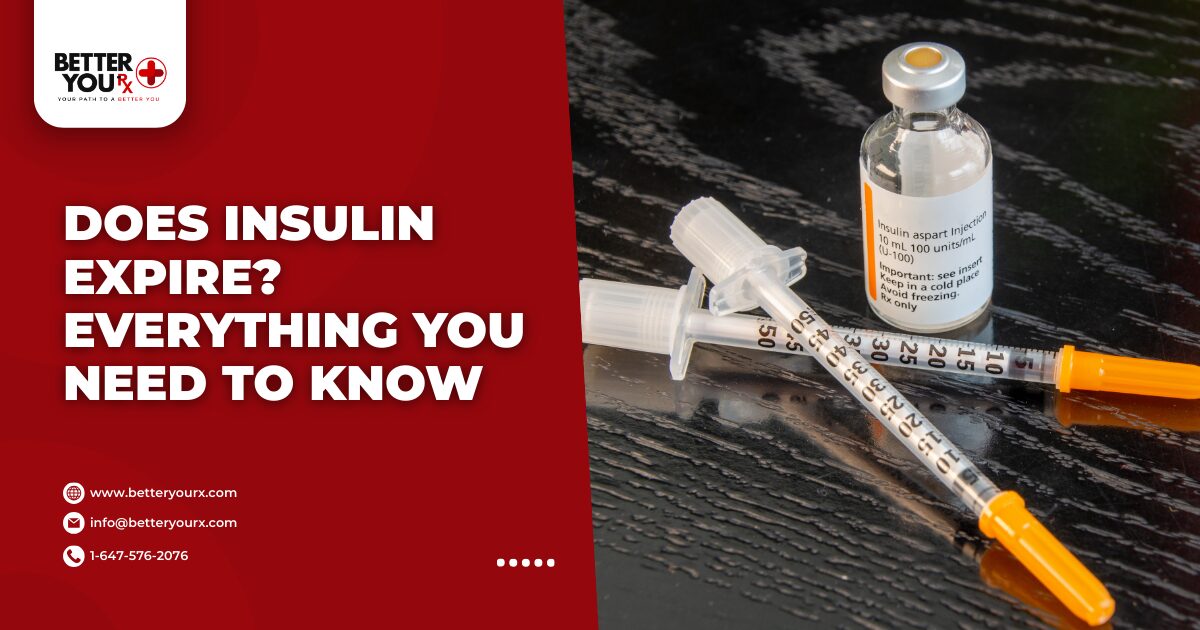
Does Insulin Expire? Everything You Need to Know

Insulin expires in two ways: the printed expiration date on unopened vials and 28 days after you first use a vial or pen. So, does insulin expire quickly once opened? Yes, using expired insulin reduces its effectiveness, which can lead to unpredictable blood sugar levels and complications. Proper storage, including refrigerating unopened insulin, keeping opened insulin at room temperature, and avoiding heat or freezing, is crucial for maintaining potency. Signs of bad insulin include clumping, cloudiness, unusual color, or floating particles. Never use expired insulin and dispose of it safely. Consistent timing of insulin doses, working closely with your healthcare provider, and monitoring blood sugar help ensure safe and effective diabetes management.

Does Insulin Expire? Understanding Shelf Life and Safety

Does Insulin Expire

Yes, Insulin has two important expiration dates you need to track. The first is the manufacturer’s expiration date printed on the package, which applies to unopened insulin stored in the refrigerator. The second “expiration” happens once you start using it.

Here’s the breakdown:

  • Unopened insulin: Lasts until the printed expiration date (usually 2-3 years from manufacture)
  • Opened insulin: Good for 28 days at room temperature, regardless of the printed date
  • Insulin pens: Same 28-day rule once you insert the first needle

The reason insulin expires is that it’s a protein-based hormone that breaks down over time, especially when exposed to heat, light, or temperature fluctuations. This breakdown makes it less effective at controlling your blood sugar levels.

Read more about proper insulin storage techniques and tips to extend your medication’s lifespan.

Is It Okay to Use Expired Insulin?


No, it’s not safe to use expired insulin. While it may not harm you immediately like spoiled food, expired insulin becomes unreliable, which can be dangerous for diabetes management.

When it has expired, its effectiveness becomes unpredictable. Even if you administer your usual dose, reduced potency may cause unexpected increases in blood glucose levels. This unpredictability can lead to:

  • Sudden high blood sugar episodes
  • Increased risk of diabetic complications
  • Difficulty maintaining your regular diabetes routine
  • Potential emergency situations

Some individuals may believe that using expired insulin is preferable to taking none, but this can lead to a false sense of safety. If you only have expired insulin available, consult your healthcare provider immediately for guidance instead of self-administering a potentially ineffective medication.

You can check out our insulin medications to ensure you always have fresh, effective insulin on hand.

Does Insulin Lose Its Effectiveness?

Yes, insulin gradually loses its effectiveness over time, and this process accelerates once the vial or pen is opened. The potency doesn’t disappear overnight – it’s more like a slow fade.

Storage Condition Effectiveness Timeline
Refrigerated, unopened Maintains full potency until expiration date
Room temperature, opened Begins losing potency after 28 days
Exposed to heat/sunlight Rapid potency loss within hours
Frozen (accidentally) Immediate and permanent potency loss

The effectiveness loss isn’t linear either. In the first few weeks after opening, you might not notice much difference. But as you approach that 28-day mark, it becomes increasingly unreliable. Some doses might work fine, while others might leave you with higher blood sugar than expected.

Temperature plays a huge role in this process. If it is stored in a hot car, left in direct sunlight, or exposed to freezing temperatures, it can lose effectiveness much faster than the standard timeline suggests.

Buy affordable Humalog KwikPen online through Better You Rx to maintain a reliable supply of effective insulin.

What Happens If You Inject Bad Insulin?

What Are the Symptoms of Bad Insulin

Injecting bad or expired insulin typically does not cause immediate physical harm like an allergic reaction, but can create serious blood sugar management issues.

Immediate effects:

  • Higher than expected blood glucose readings
  • Increased thirst or hunger
  • Increased urination
  • Fatigue or sluggishness

Longer-term concerns:

  • Difficulty maintaining target blood sugar ranges
  • Increased risk of diabetic complications
  • Potential for diabetic ketoacidosis in severe cases
  • Disruption of established diabetes management routines

Bad insulin may not fail completely, sometimes working partially, making it difficult to recognize the medication as the problem. Patients may attribute poor control to other factors when the insulin itself is compromised.

If patients suspect they have been using bad insulin, they should check blood sugar more frequently and contact their healthcare provider to discuss temporary treatment plan adjustments.

What to Do With Old Insulin?

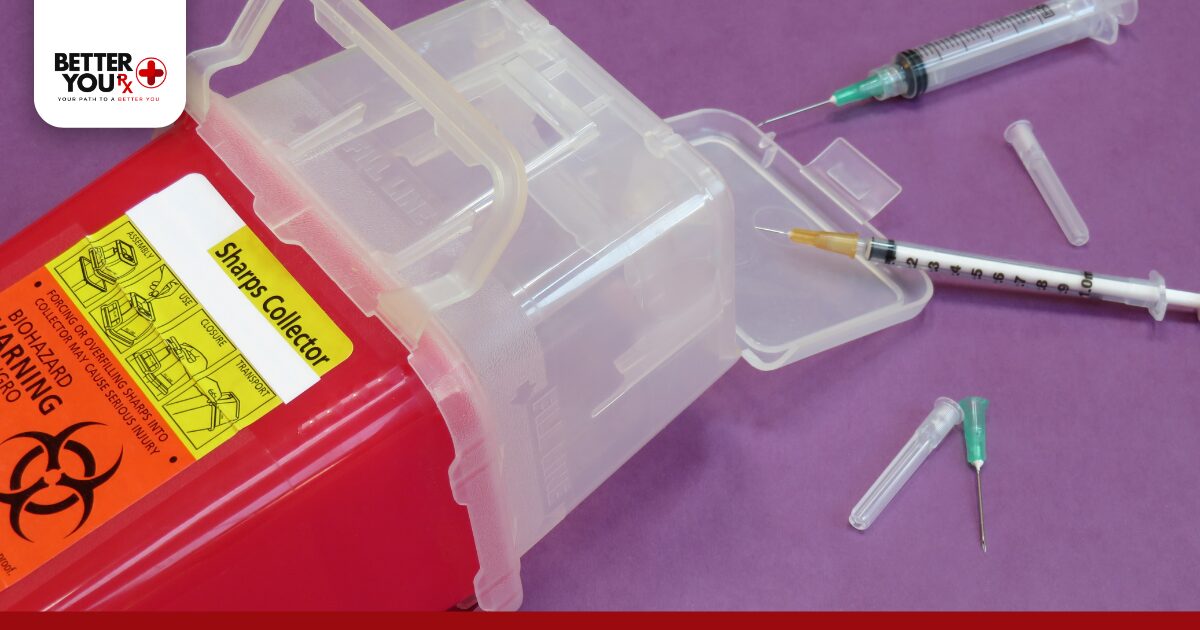
Insulin should never be thrown in regular trash or flushed down the toilet. Proper disposal is required to protect the environment and prevent accidental exposure.

Proper disposal steps:

  • Remove needles and dispose of them in a sharps container
  • Keep insulin in its original packaging when possible
  • Use community medication disposal events
  • Utilize special medical waste disposal sites where available

Patients should not keep expired insulin “just in case” to save money. The risk of unreliable blood sugar control outweighs potential savings. Instead, work with healthcare providers and insurance to ensure a steady supply of fresh insulin.

What Are the Symptoms of Bad Insulin?

Recognizing bad insulin isn’t always straightforward since the symptoms mimic general blood sugar management issues. However, there are some signs to watch for:

Physical signs in the insulin itself:

  • Clumping or crystallization in clear insulin
  • Cloudiness in rapid-acting insulin (which should be clear)
  • Changes in color or consistency
  • Floating particles or residue
  • Unusual odor

Symptoms in your body:

  • Consistently higher blood sugar readings despite normal routine
  • Increased thirst and urination
  • Unexplained fatigue
  • Difficulty achieving target glucose levels
  • Blood sugar spikes that don’t respond to your usual correction doses

Pattern recognition:

  • Good control suddenly becomes erratic
  • Need for higher insulin doses without lifestyle changes
  • Morning blood sugars consistently higher than usual

If you notice any of these signs, don’t wait to see if things improve. Switch to a fresh vial or pen if you have one available, and monitor your blood sugar closely. Keep detailed records to share with your healthcare provider.

When Is the Best Time to Take Insulin for Type 2 Diabetes?

The timing of insulin administration depends on the type of insulin you’re using and your individual diabetes management plan. However, there are some general guidelines that work for most people with type 2 diabetes.

Long-acting insulin:

  • Take at the same time every day (many prefer bedtime)
  • Provides baseline insulin coverage for 24 hours
  • Timing consistency is more important than the specific time chosen

Rapid-acting insulin:

  • Take 15-20 minutes before meals
  • Helps manage blood sugar spikes from food
  • Timing should align with your eating schedule

Factors that affect timing:

  • Your work schedule and meal times
  • Exercise routine
  • Sleep patterns
  • Other medications you’re taking

The key is consistency. Your body responds best when insulin administration follows a predictable pattern. Work with your healthcare provider to establish a schedule that fits your lifestyle while maintaining good blood sugar control.

Remember, these are general guidelines – your specific insulin regimen should always be based on your healthcare provider’s recommendations and your individual needs.

Wrapping Up

Managing insulin expiration dates is a crucial part of diabetes care that many people overlook. The bottom line is simple: insulin does expire, and using expired insulin can put your health at risk through unpredictable blood sugar control.

Here’s what you need to remember: unopened insulin lasts until its printed expiration date when refrigerated, but once opened, you have just 28 days regardless of what the package says. Never ignore the warning signs of bad insulin like clumping, cloudiness, or consistently high blood sugar readings.

The key to successful diabetes management is consistency and reliability. This means using fresh, effective insulin and taking it at the same time each day based on your healthcare provider’s guidance. Don’t risk your health trying to stretch expired insulin – work with your insurance and healthcare team to maintain a steady supply of fresh medication.

By staying on top of expiration dates and recognizing the signs of compromised insulin, you’re taking an important step toward better diabetes management and overall health. When in doubt, always consult with your healthcare provider rather than guessing about insulin safety.

Frequently Asked Questions

What Not to Do When Injecting Insulin?

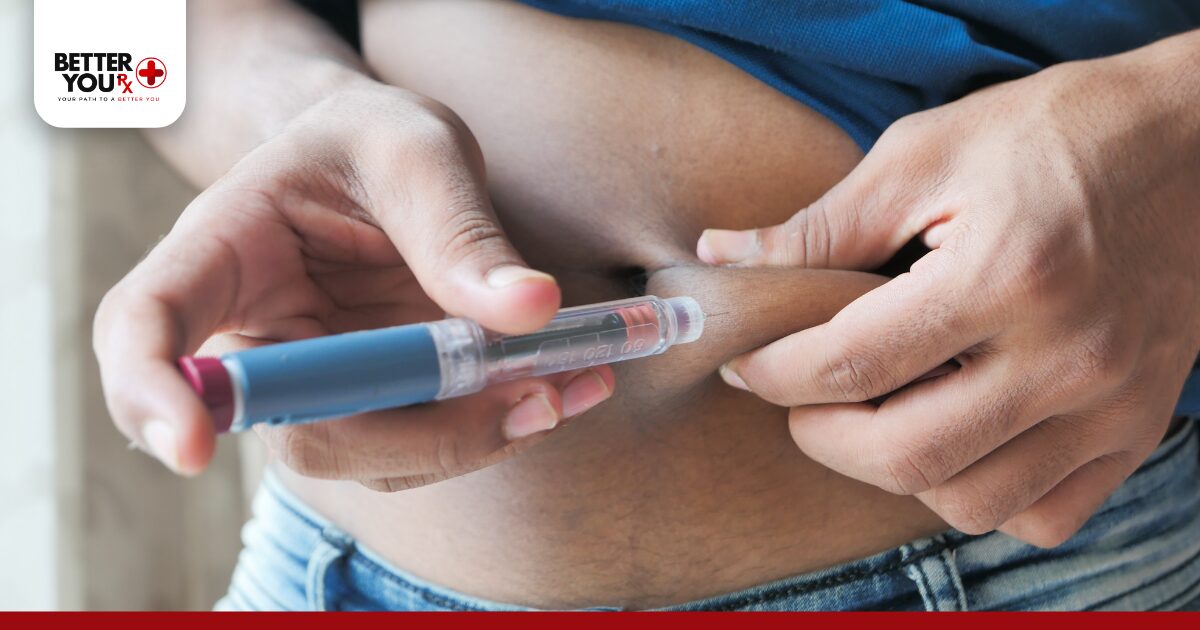
Avoid injecting insulin into the same exact spot repeatedly, as this can cause lumps under the skin. Don’t inject into areas that are bruised, scarred, or irritated. Also, never reuse needles, and always make sure your hands and injection site are clean.

Is 20 Units of Insulin a Lot?

Whether 20 units is a lot depends on the individual, their condition, and their doctor’s instructions. For some people, it may be a normal dose, while for others it may be too much or too little. Always follow the guidance of your healthcare provider.

How Much Insulin Should I Take If My Blood Sugar Is 250?

Insulin needs vary from person to person. There is no one-size-fits-all dose for high blood sugar levels like 250. The correct adjustment should be based on your doctor’s instructions, your insulin sensitivity, and your prescribed correction factor.

How Do I Know If My Insulin Is Good?

Check the expiration date and look at the insulin itself. It should be clear (if it’s rapid-acting or long-acting clear insulin) or evenly cloudy (for NPH). If you see clumps, discoloration, or crystals, do not use it.

When Should You Throw Away Insulin?

Insulin should be thrown away once it expires or 28–56 days after opening, depending on the type and storage conditions. Always check the manufacturer’s instructions for the exact time frame.

Can Too Much Insulin Raise Blood Sugar?

No, too much insulin does not raise blood sugar. Instead, it lowers blood sugar, sometimes to dangerous levels. However, frequent low blood sugar can trigger your body to release stress hormones, which may later cause rebound high blood sugar.

Is Expired Insulin Still Effective?

Expired insulin is less effective and may not control blood sugar properly. Using it could lead to dangerously high blood sugar levels. It’s always safest to use insulin that is within its expiration date.


Insulin Vs Glucagon: How These Hormones Regulate Blood Sugar Levels

Glucose, a simple sugar from the food we eat, serves as one of the main energy sources. It fuels vital organs like the brain, heart, and muscles. But glucose levels can’t be left unregulated. Too much or too little in the bloodstream can disrupt balance and affect overall health. This is where hormones step in to keep things steady.

Two of the most important hormones in this process are insulin and glucagon. These chemical messengers act like a team, keeping blood sugar from going too high or too low. Think of them as partners on opposite sides of a seesaw—when one rises, the other adjusts to restore balance. Together, they play a vital role in helping the body stay stable and energized.

Insulin vs Glucagon: Key Differences in Blood Sugar Control

Insulin and glucagon work as a pair to control how much sugar stays in the blood. Insulin lowers blood sugar by helping cells absorb glucose for energy or storage, while glucagon raises blood sugar by releasing stored glucose when levels drop too low.

Without this teamwork, blood sugar would swing wildly, leading to serious problems. Insulin acts after meals to prevent sugar spikes, while glucagon steps in between meals or during exercise to prevent dangerous lows. Together, they maintain balance so the body has the fuel it needs at the right time.

The Role of Insulin

Insulin vs Glucagon

Insulin is produced by the pancreas, specifically in beta cells. After you eat, glucose from food enters the bloodstream. Insulin’s job is to open the “doors” of cells, letting glucose move inside to be used for energy. If cells don’t need it right away, insulin helps store it in the liver and muscles as glycogen.

This process is vital because high blood sugar over long periods can damage blood vessels, nerves, and organs. Insulin keeps these levels in check. Without it, glucose builds up in the bloodstream, which is what happens in diabetes.

A good way to picture insulin is as a key. Imagine every cell has a locked door, and insulin is the key that unlocks it so glucose can enter. Without the key, glucose stays outside, unused. That’s why people with type 1 diabetes, who can’t make insulin, need to inject it.

Discover more about insulin medications online and how they support people managing diabetes every day.

The Role of Glucagon

While insulin brings sugar down, glucagon does the opposite. It’s made by alpha cells in the pancreas and acts mainly on the liver. When blood sugar drops—like during fasting, intense exercise, or long gaps between meals—glucagon signals the liver to release stored glucose into the bloodstream.

This ensures that the brain and muscles don’t run out of fuel. Unlike fat, glucose is the body’s quickest and easiest source of energy, so having backup supplies is critical. Glucagon prevents dangerous dips in blood sugar that can cause weakness, confusion, or even fainting.

Think of glucagon as a safety net. When sugar gets too low, glucagon catches the fall and pushes levels back up. This makes it the perfect counterpart to insulin’s lowering effect.

Comparing Insulin and Glucagon

Although both hormones come from the pancreas, they play opposite roles. Insulin prevents sugar levels from getting too high, while glucagon stops them from falling too low. Both are essential for survival.

Here’s a quick comparison:

Aspect Insulin Glucagon
Main Role Lowers blood sugar Raises blood sugar
Produced By Beta cells in pancreas Alpha cells in pancreas
Trigger High blood sugar (after eating) Low blood sugar (fasting/exercise)
Action Moves glucose into cells, stores as glycogen Breaks down glycogen, releases glucose
Effect on Liver Stores sugar Releases sugar
Without It High blood sugar (hyperglycemia, diabetes) Low blood sugar (hypoglycemia)

This table shows why balance matters. Too much insulin without enough glucagon, or the other way around, can put the body in danger.

Looking into treatment options? You can buy cheap Apidra Solostar Pen online through Better You Rx, a trusted prescription referral service.

What Happens When Balance Is Lost

Insulin vs Glucagon - The Role of Glucagon

When it comes to Insulin Vs Glucagon, balance is everything. When these two hormones aren’t working right, managing blood sugar can become a real challenge. Think of insulin as the “key” that helps sugar enter your cells so they can use it for energy. In type 1 diabetes, your pancreas stops making insulin, so sugar builds up in your blood instead of getting into your cells. This leads to symptoms like feeling really thirsty, tired, or losing weight without trying.

In type 2 diabetes, your body still makes insulin, but your cells don’t listen very well, they become resistant. To keep up, your pancreas makes even more insulin, but eventually, it can get tired and slow down. On top of that, glucagon, another hormone that usually helps raise blood sugar when it’s too low, can go into overdrive and dump too much sugar into the bloodstream, throwing things further out of balance.

Normally, insulin and glucagon work like a team to keep your blood sugar steady. When you eat, your blood sugar goes up, and insulin tells your cells to grab that sugar for energy or storage. Later, when your blood sugar drops, glucagon tells your liver to release stored sugar back into the blood so your body doesn’t run out of fuel. It’s like a dance that keeps your energy levels just right throughout the day and night.

Want to know more? Explore different blood sugar medication options available to help balance insulin and glucagon effectively.

What Is Blood Sugar Regulation?

Insulin vs Glucagon: The Role of Insulin

Blood sugar regulation is the body’s way of keeping glucose at safe levels. The normal range is usually between 70 and 140 mg/dL, depending on meals and activity. Insulin and glucagon are the main players, but other hormones like cortisol and adrenaline can step in during stress.

The liver acts like a warehouse, storing sugar when there’s too much and releasing it when there’s too little. This system works smoothly in most people, but health conditions, poor diet, or stress can throw it off. Keeping this system healthy is one reason doctors stress balanced eating and regular exercise.

In simple terms, blood sugar regulation is about balance. Too much or too little glucose affects how every cell in the body functions. Insulin and glucagon make sure the balance is maintained.

How to Choose the Right Approach for Blood Sugar Health

Managing blood sugar isn’t just about the body’s natural hormones—it’s also about lifestyle choices. People with healthy hormone function can usually stay balanced with good nutrition, exercise, and rest. But those with diabetes or prediabetes may need extra support, including medications or insulin therapy.

Choosing the right approach depends on many factors:

  • Personal health condition (type 1 vs. type 2 diabetes, or none at all) 
  • Lifestyle habits (diet, activity level, sleep quality) 
  • Treatment goals (weight control, energy, long-term health) 
  • Doctor’s advice (based on blood tests and monitoring) 

Some people may need insulin therapy, while others benefit from medications that improve insulin sensitivity or reduce excess glucagon activity. There’s no one-size-fits-all solution, and working closely with a healthcare provider ensures safety and effectiveness.

Learn more about affordable diabetes medications that support long-term health without breaking the budget.

The Bottom Line

Insulin and glucagon may seem like opposites, but they actually work together in harmony. One lowers blood sugar after meals, the other raises it when food is scarce. This balance keeps the body fueled without causing harm from highs or lows.

When the system works well, we hardly notice it. But when things go wrong, as in diabetes, the effects can be serious. Supporting the body with healthy habits and proper treatment helps restore that balance.

By knowing how insulin and glucagon operate, you can better understand your own health and the importance of regular checkups, balanced eating, and staying active. If you ever face challenges with blood sugar, your doctor can guide you to the right steps for long-term stability.

Frequently Asked Questions

What is the difference between insulin and glucagon function?

Insulin and glucagon are both hormones that help control blood sugar, but they work in opposite ways. Insulin lowers blood sugar by helping cells absorb glucose for energy or storage. Glucagon, on the other hand, raises blood sugar by signaling the liver to release stored glucose when levels are low. Together, they keep blood sugar balanced.

When to give glucagon vs insulin?

Insulin is given to lower high blood sugar, usually in people with diabetes. Glucagon is used when blood sugar drops too low, such as in cases of severe hypoglycemia. Glucagon acts quickly to bring blood sugar back to a safe level.

What is the difference between insulin and glucose?

Glucose is a type of sugar that provides energy for the body’s cells. Insulin is a hormone that helps move glucose from the blood into the cells. In simple terms, glucose is the fuel, and insulin is the key that lets the fuel into the cells.

Are glycogen and insulin the same thing?

No, they are different. Glycogen is a form of stored glucose, mostly found in the liver and muscles. Insulin is the hormone that helps store glucose as glycogen after meals. Glycogen is the storage form, while insulin is the messenger that tells the body to store it.

Which hormone does sugar raise?

Eating sugar causes blood glucose levels to rise, which signals the pancreas to release insulin. Insulin helps lower blood sugar by moving glucose into the cells for energy or storage.

Which organs make insulin?

Insulin is made by the pancreas, specifically by clusters of cells called the islets of Langerhans. These cells detect blood sugar levels and release insulin as needed to keep glucose balanced.

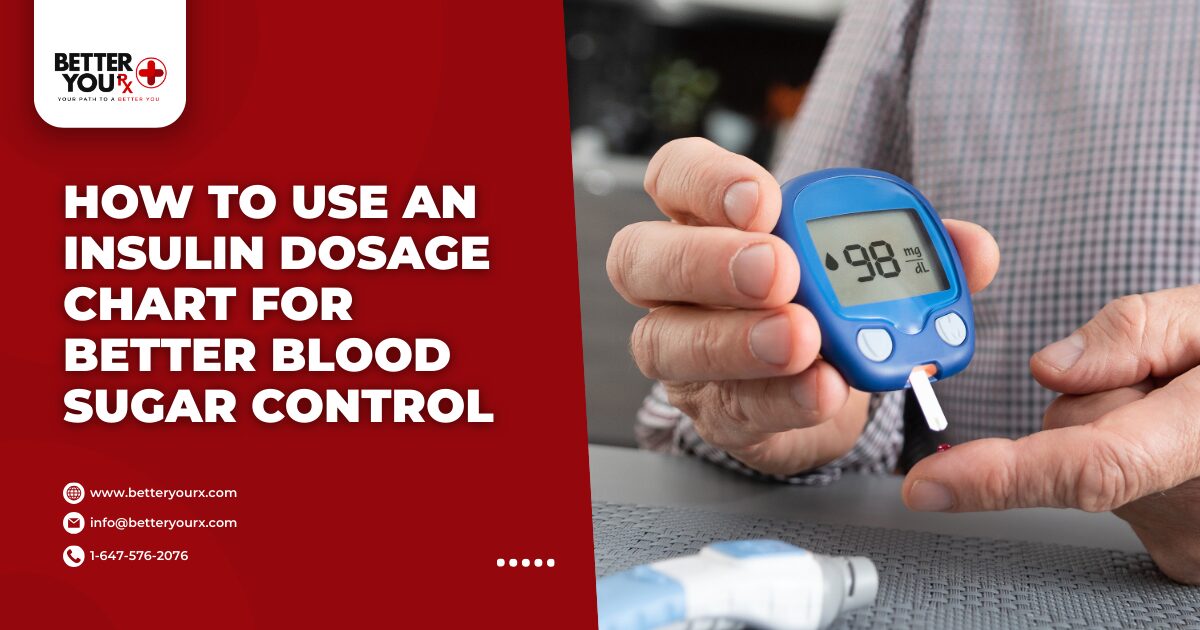
How to Use an Insulin Dosage Chart for Better Blood Sugar Control

An insulin dosage chart is a valuable tool for people managing diabetes because it takes away the guesswork of calculating insulin needs. The chart provides clear instructions on how much insulin to take based on your blood sugar readings and the amount of carbohydrates you plan to eat. By following these guidelines, you can make mealtime insulin dosing and correction doses more accurate and consistent. This helps improve blood sugar control while lowering the risk of both high and low blood sugar events.

The chart usually includes key details like your insulin-to-carb ratio, correction factor, and target blood sugar range. Having this information in one place makes it easier to track patterns, avoid mistakes, and adjust your doses when needed. With proper use, an insulin dosage chart supports safer, more confident diabetes management and allows you to work more effectively with your healthcare team.

What Is an Insulin Dosage Chart?

Common Mistakes When Using Insulin Dosage Charts

An insulin dosage chart is a personalized reference tool that helps people with diabetes determine how much insulin to take in different situations. Think of it as your diabetes management roadmap that removes the uncertainty from insulin dosing decisions.

These charts are created by your healthcare provider based on your individual needs, lifestyle, and how your body responds to insulin. They typically include two main components: your insulin-to-carbohydrate ratio (how much insulin you need per gram of carbs you eat) and your correction factor (how much insulin you need to bring high blood sugar back to target range).

Most insulin dosage charts are presented in a simple table format that you can easily reference throughout the day. Some people prefer digital versions on their phones, while others like printed charts they can keep handy. The key is having a system that’s easy to use and always accessible when you need to make dosing decisions.

Find affordable insulin options like cheap Apidra SoloStar online through Better You Rx for precise dosing.

Different Types of Insulin Dosage Charts

There are several types of insulin dosage charts, each designed for different insulin regimens and lifestyles. The most common is the sliding scale chart, which adjusts your insulin dose based on your current blood sugar reading. This type works well for people who eat consistent meals but need flexibility for blood sugar corrections.

Carbohydrate counting charts are more advanced and allow for greater meal flexibility. These charts help you calculate insulin doses based on the exact amount of carbs you plan to eat, making them ideal for people who want freedom in their food choices. They require more education upfront but offer better long-term blood sugar control.

Fixed dose charts are simpler and work well for people who prefer routine and consistency. These charts specify exact insulin amounts for standard meals and correction doses for different blood sugar ranges. While less flexible, they’re easier to follow and reduce the chance of calculation errors.

Some people use combination charts that incorporate elements from multiple types. Your healthcare provider will help determine which type of chart works best for your lifestyle, comfort level with calculations, and diabetes management goals.

How to Read Your Insulin Dosage Chart

Reading your insulin dosage chart correctly is essential for safe and effective diabetes management. Most charts start with your current blood sugar level, which determines if you need any correction insulin. You’ll find your blood sugar reading in the left column and follow it across to see how many units of correction insulin you need.

The next step involves calculating your mealtime insulin based on the carbohydrates you’re planning to eat. Your chart will show your insulin-to-carb ratio, such as 1 unit of insulin for every 10 grams of carbs (written as 1:10). If you’re eating 60 grams of carbs and your ratio is 1:10, you’ll need 6 units of insulin for that meal.

Blood Sugar Level Correction Dose Carb Ratio Example Sample Meal Dose
80-120 mg/dL 0 units 1:10 6 units for 60g carbs
121-150 mg/dL 1 unit 1:10 7 units total
151-200 mg/dL 2 units 1:10 8 units total
201-250 mg/dL 3 units 1:10 9 units total

Your total insulin dose is the combination of correction insulin plus mealtime insulin. Always double-check your math and don’t hesitate to ask your healthcare provider if any part of your chart seems unclear.

Ensure accurate dosing with quality insulin like Apidra SoloStar from Better You Rx.

Key Components of an Effective Insulin Dosage Chart

Common Mistakes When Using Insulin Dosage Charts

Every effective insulin dosage chart contains several essential components that work together to help you manage your blood sugar successfully. Your target blood sugar range is the foundation of your chart, typically between 80-120 mg/dL before meals, though your provider may set different targets based on your individual needs.

Your insulin-to-carbohydrate ratio is arguably the most important component for mealtime dosing. This ratio tells you exactly how much rapid-acting insulin you need for the carbs you eat. Some people have the same ratio for all meals, while others need different ratios for breakfast, lunch, and dinner due to varying insulin sensitivity throughout the day.

The correction factor, also called your insulin sensitivity factor, determines how much one unit of insulin will lower your blood sugar. A correction factor of 1:50 means one unit of insulin drops your blood sugar by approximately 50 mg/dL. This component is crucial for bringing high blood sugar readings back into your target range.

Additional components might include timing instructions (when to take insulin relative to meals), adjustments for exercise or illness, and special instructions for high or low blood sugar situations. Some charts also include contact information for your healthcare team and emergency procedures.

Common Mistakes When Using Insulin Dosage Charts

What Is an Insulin Dosage Chart

Even with a well-designed insulin dosage chart, certain mistakes can derail your blood sugar control. One of the most frequent errors is inaccurate carbohydrate counting, which throws off your entire mealtime insulin calculation. Many people underestimate portion sizes or forget to count carbs in drinks, sauces, and condiments.

Insulin stacking is another dangerous mistake where people take additional correction doses before their previous insulin has finished working. Rapid-acting insulin takes 3-4 hours to complete its action, so taking correction doses too frequently can lead to severe low blood sugar episodes hours later.

Timing errors are also common and problematic. Taking your mealtime insulin too early can cause low blood sugar before your food is digested, while taking it too late results in high blood sugar spikes after eating. Your chart should include specific timing guidelines based on your current blood sugar level.

Here are key mistakes to avoid: 

  • Not accounting for physical activity that increases insulin sensitivity 
  • Using expired or improperly stored insulin that has lost potency 
  • Forgetting to adjust doses during illness or stress when insulin needs increase 
  • Not keeping detailed records to identify patterns and needed adjustments 
  • Making large dose changes without consulting your healthcare provider

Take control of your diabetes. Order fresh Novolog insulin pens from Better You Rx today for reliable, consistent blood sugar management.

Working with Your Healthcare Team to Optimize Your Chart

Your insulin dosage chart isn’t a set-it-and-forget-it tool. It requires ongoing collaboration with your healthcare team to ensure it continues meeting your needs as your life and health evolve. Regular appointments allow your provider to review your blood sugar logs, identify patterns, and make necessary adjustments to your chart.

Bring detailed records to your appointments, including blood sugar readings, insulin doses, carb counts, exercise activities, and any unusual circumstances like illness or stress. This information helps your healthcare team spot trends you might miss and make informed decisions about chart modifications.

Don’t wait for scheduled appointments if you’re experiencing consistent problems with your current chart. Frequent high or low blood sugar episodes, major lifestyle changes, or starting new medications are all reasons to contact your provider sooner. They can help you make safe adjustments and prevent dangerous blood sugar swings.

Ensure you have reliable insulin supplies like Apidra SoloStar available through Better You Rx.

Final Words

Mastering your insulin dosage chart is one of the most empowering steps you can take in managing your diabetes effectively. Remember that these charts are personalized tools designed specifically for your unique needs, and using them correctly can dramatically improve your blood sugar control and overall quality of life.

The key to success lies in understanding each component of your chart, from insulin-to-carb ratios to correction factors, and applying them consistently in your daily routine. Don’t get discouraged if it takes time to feel completely comfortable with calculations and timing. Most people find that using their chart becomes second nature within a few weeks of consistent practice.

Stay committed to accurate carb counting, proper insulin timing, and detailed record-keeping. These habits, combined with regular communication with your healthcare team, will help you optimize your chart over time and achieve the stable blood sugar levels you’re working toward. With patience, practice, and the right tools, your insulin dosage chart will become an invaluable partner in your diabetes management journey.

Frequently Asked Questions

What Are Insulin-to-Carb Ratios and Correction Factors?

An insulin-to-carb ratio tells you how many grams of carbs one unit of insulin will cover. A correction factor shows how much one unit of insulin will lower your blood sugar when it is too high.

Can Insulin Dosage Charts Be Adjusted?

Yes, charts should be personalized and adjusted over time. Changes in weight, diet, activity, or health can affect insulin needs, so updates are often required.

Who Needs an Insulin Dosage Chart?

People with type 1 diabetes and some with type 2 diabetes who use insulin benefit most from a dosage chart. It helps them track doses and stay consistent.

How Often Should You Update an Insulin Dosage Chart?

It depends on your health and lifestyle changes. Most people review their chart with their doctor every few months, or sooner if blood sugar patterns shift.

Is an Insulin Dosage Chart the Same for Everyone?

No, each chart is personalized. It’s based on your insulin sensitivity, diet, activity level, and overall health. What works for one person may not work for another.

Can Technology Replace a Paper Insulin Dosage Chart?

Yes, many apps and glucose monitors now include digital dosage calculators. However, some people still prefer a paper chart for quick reference and backup.


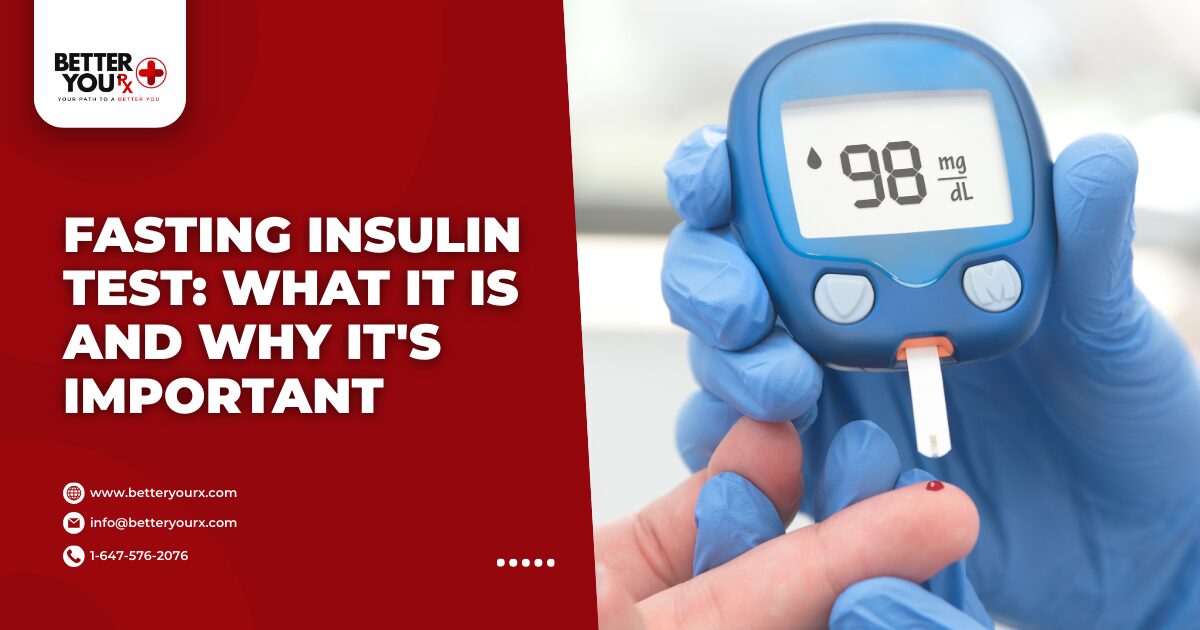
Fasting Insulin Test: What It Is and Why It’s Important

A fasting insulin test is one of the simplest yet most powerful tools for spotting early signs of insulin resistance. Taken after 8–12 hours without food, it measures how much insulin your body is producing to keep blood sugar in check. While most doctors rely on blood sugar tests like fasting glucose or HbA1c, these often miss the early stages of metabolic problems. In fact, your insulin levels can show issues years before diabetes develops. 

A normal fasting insulin range is 2–20 µU/mL, but keeping it below 10 is considered optimal. High levels often go hand in hand with fatigue, constant sugar cravings, stubborn weight around the belly, and even dark patches of skin. This test is especially valuable if you have symptoms of metabolic syndrome, a family history of diabetes, or unexplained weight gain. Knowing your insulin levels can help you take control before serious health issues begin.

What Is a Fasting Insulin Test?

A fasting insulin test is a simple blood test that measures the amount of insulin in your body after you have not eaten for 8 to 12 hours. Insulin is a hormone made by the pancreas that helps move sugar from your blood into your cells for energy. By testing insulin levels while fasting, doctors can get a clearer picture of how your body is managing blood sugar without the influence of recent meals.

This test is especially helpful because it can detect early signs of insulin resistance, which happens when the body’s cells stop responding well to insulin. Even if your blood sugar levels look normal, high fasting insulin may suggest that your body is working harder than it should to control blood sugar. Catching these changes early allows for lifestyle adjustments or treatments that may help prevent more serious conditions like type 2 diabetes or metabolic syndrome.

What makes this test particularly valuable is its timing. Unlike random insulin tests taken throughout the day, the fasting measurement gives you a clear picture of your body’s baseline insulin needs. When this baseline is elevated, it indicates your pancreas is working overtime to maintain normal blood sugar levels – essentially compensating for cells that aren’t listening to insulin’s signals anymore.

Manage your diabetes with ease – get your Tresiba FlexTouch Pens from Better You Rx now and enjoy reliable, long-lasting insulin support.

What Is a Normal Fasting Insulin Level?
What Is a Fasting Insulin Test


Understanding what constitutes a normal fasting insulin level isn’t as straightforward as you might expect, because “normal” and “optimal” are two different things when it comes to metabolic health.

Most laboratories consider fasting insulin levels between 2-20 µU/mL (microunits per milliliter) to be within the normal range. However, functional medicine practitioners and researchers who specialize in metabolic health often use more stringent criteria for optimal health.

For optimal metabolic function, many experts prefer to see fasting insulin levels below 10 µU/mL, with the ideal range being 2-6 µU/mL. This tighter range reflects what we see in people with excellent insulin sensitivity and metabolic health.

Here’s a practical breakdown of fasting insulin levels:

Fasting Insulin Level (µU/mL) Interpretation Health Implications
2-6 Optimal Excellent insulin sensitivity, low diabetes risk
7-10 Good Generally healthy, monitor lifestyle factors
11-15 Borderline elevated Early insulin resistance, lifestyle changes recommended
16-20 Elevated but “normal” Significant insulin resistance, intervention needed
Above 20 Clearly abnormal Advanced insulin resistance, high diabetes risk

It’s important to understand that you can have insulin resistance with fasting insulin levels that are technically “normal” by lab standards. If your levels are consistently above 10 µU/mL, especially if you have symptoms like fatigue, cravings, or difficulty losing weight, it’s worth discussing insulin resistance with your healthcare provider.

Age can influence these numbers slightly, with older adults sometimes having naturally higher baseline insulin levels. However, this doesn’t mean elevated insulin is healthy or inevitable with aging – it often reflects years of metabolic stress that can be addressed with appropriate interventions.

Women may also see variations related to menstrual cycles, pregnancy, or menopause, as hormonal changes can affect insulin sensitivity. PCOS (polycystic ovary syndrome) is particularly associated with elevated fasting insulin levels.

Take control of your diabetes today – order your Lantus insulin pen from Better You Rx and manage your insulin therapy conveniently and reliably.

Is Fasting Insulin Test Better Than HbA1c?

While HbA1c gets all the attention in diabetes screening, the fasting insulin test often provides more valuable early warning information.

HbA1c measures your average blood sugar over the past 2-3 months. It’s excellent for diagnosing and monitoring diabetes, but it has a significant limitation: it only becomes abnormal after your body has already lost the ability to control blood sugar effectively. By the time your HbA1c is elevated, you’ve likely had insulin resistance for years.

The fasting insulin test, on the other hand, catches problems much earlier. Your insulin levels start rising years before your blood sugar becomes abnormal. Think of it this way: insulin resistance is like a dam that’s developing cracks. The fasting insulin test shows you the cracks (elevated insulin), while HbA1c only becomes abnormal when the dam breaks (blood sugar control fails).

Here’s why the fasting insulin test can be superior for early detection:

  • Earlier detection – Insulin levels rise 5-10 years before blood sugar becomes abnormal
  • Better prevention tool – Allows intervention before permanent damage occurs
  • More sensitive to lifestyle changes – Shows improvement within weeks of dietary changes
  • Reveals metabolic dysfunction – Can be abnormal even when glucose and HbA1c are normal
  • Predicts cardiovascular risk – Elevated insulin is linked to heart disease risk independent of blood sugar

However, each test has its place. HbA1c is better for:

  • Diagnosing established diabetes
  • Monitoring long-term blood sugar control in diabetics
  • Assessing diabetes complications risk
  • Insurance and medical record purposes

Fasting insulin is better for:

  • Early detection of insulin resistance
  • Assessing metabolic health in “healthy” individuals
  • Monitoring response to lifestyle interventions
  • Identifying hidden metabolic dysfunction

The ideal approach uses both tests together. If you have normal HbA1c but elevated fasting insulin, you have a window of opportunity to prevent diabetes through lifestyle changes. If both are abnormal, you need more aggressive intervention.

Buy cheap Basaglar KwikPen online through Better You Rx today and manage your diabetes effectively with convenient, reliable insulin therapy.

How Important Is a Fasting Insulin Test?


The importance of fasting insulin testing extends far beyond just diabetes prevention – it’s a window into your overall metabolic health that can influence virtually every aspect of your wellbeing.

For Early Disease Prevention, the fasting insulin test is arguably one of the most valuable screening tools available. Insulin resistance doesn’t just lead to diabetes; it’s connected to a web of health problems including heart disease, high blood pressure, fatty liver disease, and even certain cancers. Catching elevated insulin early gives you years to intervene before these conditions develop.

For Weight Management, understanding your insulin levels can explain why traditional dieting approaches might not be working. If your fasting insulin is elevated, your body is essentially stuck in fat storage mode, making weight loss extremely difficult regardless of how little you eat or how much you exercise. This test can reveal why some people struggle with weight despite their best efforts.

For Energy and Mood Stability, insulin resistance often shows up as energy crashes, brain fog, irritability, and mood swings long before blood sugar becomes abnormal. If you experience that 3 PM energy crash or feel tired after meals, your fasting insulin levels might explain why. Many people report dramatic improvements in energy and mental clarity once they address elevated insulin levels.

For Cardiovascular Health, elevated insulin is an independent risk factor for heart disease, separate from blood sugar levels. Your fasting insulin level can predict your heart attack risk more accurately than cholesterol levels in some cases. This makes the test crucial for anyone with a family history of heart disease or other cardiovascular risk factors.

For Women’s Health, insulin resistance plays a major role in PCOS, fertility issues, and difficult menopause symptoms. Many women struggling with irregular periods, difficulty getting pregnant, or severe menopausal symptoms find that addressing insulin resistance makes a significant difference.

For Longevity and Aging, there’s growing evidence that insulin levels affect how we age. Lower insulin levels are associated with longer lifespan, better cognitive function as we age, and reduced risk of age-related diseases. Think of managing insulin as an investment in your future self.

The test becomes even more important if you have risk factors like:

  • Family history of diabetes or metabolic syndrome
  • Excess weight, especially around the waist
  • High blood pressure or abnormal cholesterol
  • History of gestational diabetes
  • PCOS or irregular menstrual cycles
  • Chronic fatigue or energy fluctuations
  • Difficulty losing weight despite diet and exercise

What makes this test particularly valuable is that it’s actionable. Unlike genetic tests that tell you about risks you can’t change, fasting insulin levels respond dramatically to lifestyle modifications. You can literally watch your numbers improve within weeks of making dietary changes.

What Are Early Signs of Insulin Resistance?
Fasting Insulin Test

Recognizing the early signs of insulin resistance can be tricky because they often develop gradually and can easily be attributed to other causes like stress, aging, or being “out of shape.” However, your body does send clear signals if you know what to look for.

  • Appetite & Craving Changes 
    • Increased thoughts about food, especially sweets or starchy foods 
    • Intense, urgent cravings 
    • Temporary relief after sugary foods, followed by wanting more 
    • Feeling unsatisfied or not full after meals 
  • Physical Changes 
    • Gradual weight gain, especially around the midsection (“apple shape”) 
    • Increasing difficulty losing weight, even with past diet and exercise methods 
  • Skin Changes 
    • Acanthosis nigricans — dark, velvety skin patches (neck, armpits, groin) 
    • Multiple skin tags, especially around the neck or armpits 
    • Skin more prone to infections or slow-healing cuts 
  • Sleep & Recovery Issues 
    • Trouble falling asleep or staying asleep
    • Waking up unrefreshed despite enough sleep
    • Restless leg syndrome
    • Sleep apnea 
  • Digestive & Hormonal Symptoms 
    • Women: irregular menstrual cycles, worsening PMS, difficulty getting pregnant
    • Belly bloating, especially after meals
    • Changes in bowel habits 
  • Cardiovascular Symptoms 
    • Gradually rising blood pressure
    • Heart palpitations or irregular heartbeat, especially after large or sugary meals

The tricky part about these symptoms is that they’re often subtle and can be attributed to many other causes. However, if you’re experiencing several of these symptoms together, especially if they’ve developed gradually over months or years, it’s worth getting your fasting insulin tested even if your regular blood sugar tests are normal.

When to Order a Fasting Insulin Test?

Based on Symptoms, you should consider requesting this test if you’re experiencing any combination of the symptoms we discussed earlier. Don’t wait for multiple symptoms to appear – even one persistent symptom like chronic fatigue, intense sugar cravings, or unexplained weight gain around the middle warrants testing.

Family History Factors make this test particularly important. If you have parents, siblings, or grandparents with type 2 diabetes, metabolic syndrome, heart disease, or even Alzheimer’s disease (which some researchers call “type 3 diabetes”), you should get baseline insulin testing, ideally in your 20s or 30s before problems develop.

Age-Related Recommendations suggest that everyone should have at least one fasting insulin test by age 35, even without symptoms or risk factors. Insulin resistance often begins developing in your 20s and 30s but doesn’t cause obvious symptoms until later. Early baseline testing allows you to track changes over time.

Weight and Body Composition Indicators that suggest testing include carrying excess weight around your midsection (waist circumference over 35 inches for women or 40 inches for men), having a high waist-to-hip ratio, or struggling to lose weight despite reasonable diet and exercise efforts.

Other Medical Conditions that warrant fasting insulin testing include:

  • High blood pressure, especially if it developed at a young age
  • Abnormal cholesterol levels, particularly high triglycerides or low HDL
  • PCOS or irregular menstrual cycles
  • History of gestational diabetes
  • Fatty liver disease
  • Sleep apnea
  • Frequent infections or slow wound healing

Medication considerations also play a role. If you’re taking medications that can affect insulin sensitivity, such as steroids, certain antidepressants, or some blood pressure medications, regular monitoring of insulin levels can help catch problems early.

Preventive Health Approach suggests that anyone serious about optimal health should include fasting insulin in their regular health monitoring, alongside cholesterol panels and other routine tests. This is particularly important if you’re following specific dietary approaches like ketogenic diets or intermittent fasting, where monitoring insulin levels can help you gauge the effectiveness of your approach.

Frequency of Testing depends on your initial results and risk factors. If your first test shows optimal levels (under 6 µU/mL) and you have no risk factors, retesting every 2-3 years is reasonable. If your levels are elevated but still in the “normal” range (10-20 µU/mL), annual testing is wise. If your levels are clearly elevated (above 20 µU/mL), you might want to retest every 3-6 months as you implement interventions.

How to Request the Test can sometimes be challenging since not all doctors routinely order it. Be prepared to explain why you want the test, mentioning any symptoms you’re experiencing and your interest in preventive health. If your doctor is hesitant, you can often order the test yourself through direct-pay lab services, though it’s always better to work with a healthcare provider who can help interpret results and recommend appropriate interventions.

Remember, this test is relatively inexpensive and could provide information that dramatically impacts your long-term health trajectory. The small cost and inconvenience of testing pale in comparison to the potential benefits of early detection and intervention.


Take control of your blood sugar – get your Novolog insulin pen from Better You Rx now and simplify your diabetes management.

The Bottom Line

The fasting insulin test is an important yet often overlooked way to check your metabolic health. Unlike standard diabetes tests that usually show issues only after years of hidden problems, fasting insulin levels can uncover risks much earlier, when they are easier to treat and manage.

What makes this test particularly valuable is that insulin resistance is largely reversible when caught early. Unlike many chronic conditions that require lifelong management, addressing elevated insulin through targeted lifestyle changes can often restore normal metabolic function completely. The key is recognizing the warning signs and getting tested before irreversible damage occurs.

Your metabolic health affects virtually every aspect of your wellbeing, from your energy levels and mood to your long-term risk of serious diseases. Taking charge of this aspect of your health through appropriate testing and early intervention is one of the most impactful investments you can make in your future quality of life. The information you gain from a simple fasting insulin test could be the key to preventing diabetes, heart disease, and many other chronic conditions that are reaching epidemic proportions in our society.

Frequently Asked Questions

How To Tell If You Have Insulin Resistance in PCOS?

Women with PCOS may notice belly weight gain, irregular periods, sugar cravings, and constant tiredness if they have insulin resistance. Dark, velvety skin patches on the neck or armpits can also be a sign. To confirm, doctors usually recommend blood tests like fasting insulin, fasting glucose, or HOMA-IR.

What Vitamin Deficiency Causes Insulin Resistance?

Vitamin D deficiency is the most common one linked to insulin resistance. Low levels of vitamin D reduce how well the body responds to insulin. Other deficiencies, such as magnesium and vitamin B12, may also affect insulin sensitivity.

What Is a Normal Insulin Level for a Woman With PCOS?

Normal fasting insulin levels range from 2–20 µU/mL, but under 10 is considered more optimal. Many women with PCOS have higher insulin levels even if their blood sugar looks normal. Keeping insulin on the lower end of the range may improve hormone balance and reduce risks.

What Is the Fastest Way To Cure Insulin Resistance?

There’s no quick cure, but insulin resistance can improve with lifestyle changes. Exercising regularly, eating fewer processed carbs and sugars, focusing on whole foods, and losing even a small amount of weight can help. Some people may also need medicines like metformin as prescribed by a doctor.

Does Sleep Affect Insulin Resistance Levels?

Yes, poor sleep raises stress hormones, which makes insulin work less effectively. Getting 7–9 hours of quality sleep each night supports better blood sugar control and helps reduce insulin resistance.


What Is Insulin Resistance? Causes, Symptoms, and Treatment

Insulin resistance occurs when your cells fail to respond properly to insulin, resulting in symptoms such as fatigue, increased sugar cravings, weight gain, and mood swings. It’s primarily caused by excess belly fat, chronic inflammation, poor diet, and lifestyle factors. It’s highly reversible through dietary changes, exercise, stress management, and quality sleep. Unlike diabetes, insulin resistance can often be completely reversed with the right approach. This guide covers everything you need to know about recognizing, understanding, and fixing insulin resistance before it progresses to more serious health issues.

If you’ve been feeling constantly tired despite getting enough sleep, craving sweets more frequently than usual, or noticing your pants getting tighter around the waist, you may be experiencing insulin resistance. It’s one of those health issues that sneaks up on you, affecting millions of people who don’t even realize they have it. The frustrating part is that many doctors don’t test for it until it’s already progressed to prediabetes or type 2 diabetes. But here’s what most people don’t know: insulin resistance is not only preventable but often completely reversible when you catch it early and know what to do about it.

What Is the Main Cause of Insulin Resistance?

What is insulin resistance

The primary reason behind insulin resistance is excess body fat, particularly around your midsection. When you carry extra weight, especially visceral fat (the fat around your organs), it releases inflammatory substances that interfere with insulin’s ability to do its job effectively. Think of it as static on a radio – the signal is there, but it’s getting scrambled.

Chronic inflammation plays a huge role too. When your body is constantly fighting low-level inflammation from poor diet, stress, or lack of sleep, it creates an environment where insulin struggles to work properly. 

Your lifestyle choices significantly impact your risk as well. A diet high in processed foods, refined sugars, and unhealthy fats creates repeated spikes in blood sugar, forcing your pancreas to pump out more and more insulin. Over time, your cells essentially become “tired” of receiving these constant insulin signals and start ignoring them.

Genetics also play a role, and having a family history of diabetes or insulin resistance doesn’t guarantee you’ll develop it, it just means you need to be more mindful of the other risk factors you can control.

Need support with your treatment? Learn more and buy cheap Insulin Tresiba Flextouch online from Better You Rx for trusted diabetes care.

How Do You Know You Are Insulin Resistant?

What is insulin resistance

The most reliable way to know if you’re insulin resistant is through specific blood tests. Your doctor might order a fasting glucose test, an oral glucose tolerance test, or check your HbA1c levels. The HOMA-IR (Homeostatic Model Assessment of Insulin Resistance) is considered one of the most accurate tests, as it measures both your fasting glucose and insulin levels to calculate how resistant your cells have become.

Physical signs can also give you important clues. One of the most visible indicators is acanthosis nigricans – dark, velvety patches of skin that typically appear around your neck, armpits, or groin area. These patches aren’t dirt that won’t wash off; they’re actually a sign that your insulin levels are chronically elevated.

Your waist measurement is another telling indicator. If you’re carrying excess weight around your middle (apple-shaped rather than pear-shaped), this suggests you might have insulin resistance. For men, a waist circumference over 40 inches is concerning, while for women, it’s over 35 inches.

Energy patterns throughout your day can also reveal insulin resistance. Do you experience energy crashes a few hours after meals? Do you feel tired even after eating? These could be signs that your body isn’t processing glucose efficiently.

Sleep quality often suffers when you’re insulin resistant. Many people notice they have trouble falling asleep or staying asleep, particularly if they’ve eaten late in the evening.

Take control of your health journey today. Get affordable insulin medications through our prescription referral service at Better You Rx and save on the medications you need.

What Are the Symptoms of High Insulin Resistance?

When insulin resistance progresses, your body starts sending out more obvious distress signals that become harder to ignore. Understanding these symptoms can help you catch the condition before it develops into type 2 diabetes.

Persistent fatigue is often the first symptom people notice. You might feel tired even after a full night’s sleep, or experience that “brain fog” feeling where concentrating becomes difficult. This happens because your cells aren’t getting the glucose they need for energy, even though there’s plenty of sugar circulating in your blood.

Intense sugar cravings become a daily battle. Your brain, sensing that cells aren’t getting enough glucose, sends out urgent hunger signals, particularly for sweet or starchy foods. You might find yourself reaching for snacks constantly, especially in the afternoon, only to feel hungry again shortly after eating.

Weight gain, particularly around the middle, becomes increasingly difficult to control. Even if you’re eating the same amount as before, the pounds seem to creep on, especially around your waistline. This belly fat is both a symptom and a contributor to worsening insulin resistance, creating a frustrating cycle.

Skin changes become more pronounced as insulin resistance worsens. Besides the dark patches mentioned earlier, you might notice skin tags appearing around your neck, armpits, or eyelids. Some people also experience more frequent skin infections or slower wound healing.

Blood pressure issues often accompany insulin resistance. High insulin levels can cause your kidneys to retain sodium and your blood vessels to become less flexible, leading to elevated blood pressure readings.

Mood swings and irritability are common, especially when blood sugar levels fluctuate throughout the day. You might notice you become “hangry” (hungry and angry) more easily, or feel anxious or jittery between meals.

Sleep disturbances worsen as insulin resistance progresses. You might experience restless leg syndrome, sleep apnea, or frequent wake-ups during the night, all of which can be related to poor glucose metabolism and inflammation.

Continue reading to learn if you need a prescription for Canadian insulin.

How Do You Fix Insulin Resistance?

What is insulin resistance

The most effective approach to reversing insulin resistance involves several key strategies working together:

  • Dietary changes – Focus on eating whole, unprocessed foods that don’t cause dramatic spikes in blood sugar. This means choosing complex carbohydrates like vegetables, legumes, and whole grains over refined sugars and processed foods. The Mediterranean diet has shown particular promise for improving insulin sensitivity.
  • Intermittent fasting – This powerful tool gives your body regular breaks from processing food, allowing your insulin levels to drop and your cells to become more sensitive to insulin again. Even simple approaches like eating within a 12-hour window can make a significant difference.
  • Regular exercise – Perhaps the most effective single intervention for improving insulin sensitivity. Both aerobic exercise and resistance training help your muscles use glucose more efficiently, reducing the burden on your insulin system. You don’t need to become a marathon runner – even a 30-minute walk after meals can significantly improve your glucose metabolism.
  • Stress management – This crucial factor is often overlooked. Chronic stress elevates cortisol levels, which directly contributes to insulin resistance. Practices like meditation, yoga, deep breathing, or even regular hobbies that help you relax can have measurable effects on your insulin sensitivity.
  • Quality sleep – Non-negotiable for reversing insulin resistance. Poor sleep directly impairs glucose metabolism and increases insulin resistance. Aim for 7-9 hours of consistent, quality sleep each night, and establish a regular sleep schedule.
  • Strategic supplementation – Can provide additional support. Supplements like chromium, magnesium, alpha-lipoic acid, and berberine have shown promise in improving insulin sensitivity. However, always consult with a healthcare provider before starting any supplement regimen.
  • Weight loss – Even modest amounts can dramatically improve insulin sensitivity. Losing just 5-10% of your body weight can lead to significant improvements in how your cells respond to insulin.

What Is the Difference Between Diabetes and Insulin Resistance?

It’s important to know how insulin resistance and diabetes are connected, but they are not the same. Insulin resistance is like an early warning sign that diabetes could happen later if changes aren’t made.

Aspect Insulin Resistance Type 2 Diabetes
Blood Sugar Levels Often normal or slightly elevated Consistently elevated (≥126 mg/dL fasting)
Insulin Production Usually normal or elevated May be normal, elevated, or declining over time
Cell Response to Insulin Significantly impaired Severely impaired
Symptoms Often subtle or absent More noticeable (frequent urination, excessive thirst, blurred vision)
Diagnosis Requires specific insulin resistance tests Diagnosed with standard glucose tests
Reversibility Highly reversible with lifestyle changes Can be managed and sometimes reversed, but more challenging
Complications Primarily metabolic syndrome symptoms Risk of serious complications (nerve damage, kidney disease, eye problems)
Treatment Approach Primarily lifestyle modifications May require medications along with lifestyle changes
Timeline Can develop over years without detection Represents a more advanced stage of metabolic dysfunction

Insulin resistance is essentially the stage where your cells are becoming resistant to insulin’s signals, but your pancreas can still produce enough insulin to keep your blood sugar in a relatively normal range. You might not even know you have it unless you’re specifically tested for it.

Type 2 diabetes, on the other hand, represents what happens when insulin resistance has progressed to the point where your pancreas can no longer keep up with the demand for insulin, or your cells have become so resistant that even high levels of insulin can’t maintain normal blood sugar levels.

The key difference is in blood sugar control. With insulin resistance alone, your blood sugar might be normal most of the time, though you might notice some fluctuations. With diabetes, your blood sugar levels are consistently elevated, which is when serious health complications can begin to develop.

Prediabetes sits somewhere in the middle – it’s more advanced than simple insulin resistance but hasn’t quite reached the diabetes threshold yet. This is actually an ideal time to intervene, as the progression to diabetes isn’t inevitable with the right changes.

The progression typically follows this pattern: normal insulin sensitivity → insulin resistance → prediabetes → type 2 diabetes. However, this progression can be slowed, stopped, or even reversed at any stage with appropriate interventions.


Final Words

Insulin resistance may sound complicated, but it’s really your body’s way of warning you that something needs to change. Left unchecked, it can slowly lead to prediabetes, type 2 diabetes, and other serious health issues. The good news is that you have the power to turn things around. With the right food choices, regular movement, better sleep, and stress control, your cells can regain their sensitivity to insulin and restore balance.

Catching insulin resistance early is the key. Paying attention to symptoms like constant fatigue, sugar cravings, or stubborn belly fat can help you act before it progresses. Remember—this condition is not a life sentence. With simple, consistent changes, you can protect your health, boost your energy, and prevent diabetes from taking hold. Taking steps today will set you up for a healthier tomorrow

Frequently Asked Questions

What Is Insulin Resistance (PCOS)?

Insulin resistance means your body does not use insulin properly. In PCOS, this makes it harder to control blood sugar. Over time, this can cause weight gain, irregular periods, and higher risk of type 2 diabetes.

How I Cured My Insulin Resistance in PCOS?

There is no quick cure, but many women improve insulin resistance with lifestyle changes. Eating balanced meals, exercising, losing extra weight, and sometimes taking medicine like metformin can help. These steps can make the body respond better to insulin.

What Are the Four Stages of PCOS?

PCOS does not have official “stages,” but doctors often look at symptoms. These include irregular periods, high androgens (male hormones), insulin resistance, and problems with fertility. Some people may have only mild signs, while others have more severe health issues.

What Is the Biggest Symptom of PCOS?

One of the most common symptoms is irregular or missed periods. Many women also notice weight gain, acne, or excess hair growth. The biggest sign depends on the person, but irregular cycles are often the first red flag.

What Is the Life Expectancy of a Person With PCOS?

PCOS itself does not shorten life expectancy. But if not managed, it raises the risk of diabetes, heart disease, and other long-term health problems. With healthy habits and treatment, women with PCOS can live a normal, full life.

Can You Reverse PCOS?

PCOS cannot be fully reversed because it is a lifelong condition. However, the symptoms can be managed very well. Many women control their periods, lower insulin resistance, and improve fertility with lifestyle changes, medicine, and regular care.


Sign Up For Newsletter

Please enable JavaScript in your browser to complete this form.

Join 60.000+ Subscribers and get a new discount coupon on every Saturday.

Address

PO Box 29631, Mississauga RPO Central Parkway, ON L5A 4H2

Phone Number

1-647-576-2076

better you rx big letter logo

Discover convenience with Better You Rx, your trusted pharmacy-affiliated partner. We work with leading pharmacies to deliver prescriptions and over-the-counter medications right to your doorstep. Enjoy cost-effective solutions on a platform that’s easy to use. We focus on safety and efficacy in all products. Our dedicated team ensures a smooth experience. From ordering to delivery, we simplify your healthcare needs. Choose Better You Rx for reliable service and expert support. Trust us for all your medication requirements. Experience the ease of modern pharmacy care.

Categories

Operating Hours: 
10:00AM – 6:00PM CST
Monday – Friday

Our Payment Partners :

Copyright © 2026 BetteryouRX. All Rights Reserved.
Join The Waitlist Be among the first to know when becomes available.
Add to cart