Can I Donate Blood on Ozempic?

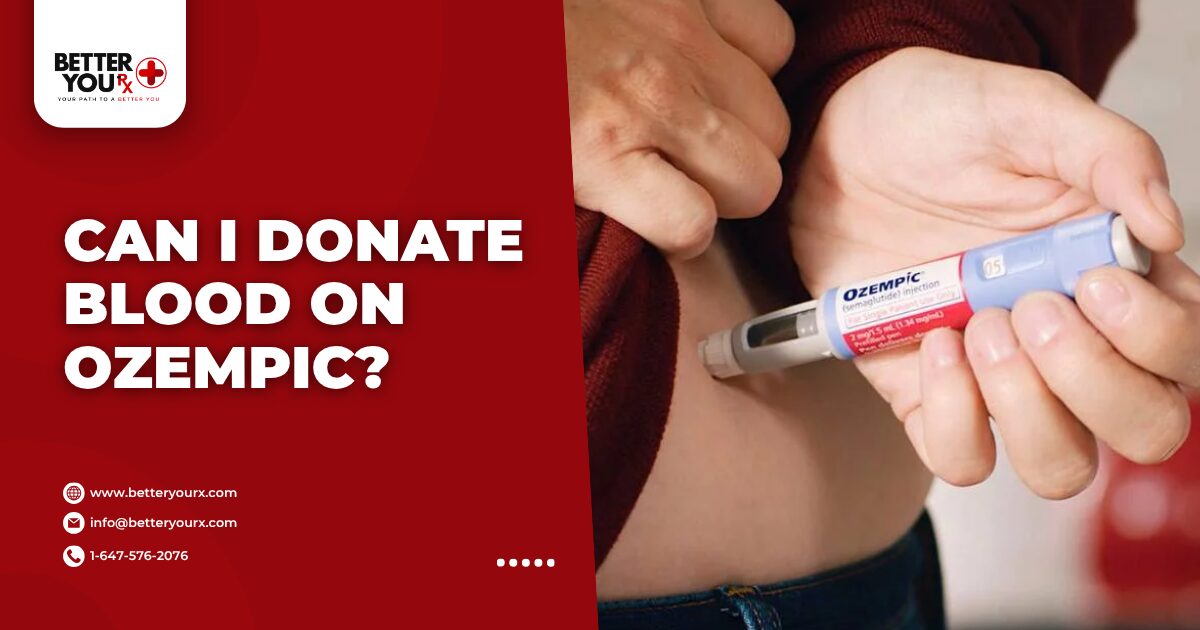
If you’ve ever wondered can I donate blood on Ozempic, the short answer is yes — it’s usually safe when your blood sugar and overall health are well-managed. Donating blood while on Ozempic requires stability, hydration, and preparation to prevent dizziness or fatigue. Understanding how Ozempic affects your body helps you plan around dosage days, maintain energy, and meet eligibility guidelines. Most users can safely give blood once they feel steady and side effects have settled. By managing your medication, eating well, and staying hydrated, you can donate confidently while supporting your health and helping others.

Ozempic, a popular medication for diabetes and weight management, works by regulating insulin and appetite. While it doesn’t directly affect your blood quality, timing and medical supervision are key. Understanding the connection between medications like Ozempic and blood donation helps you give safely and responsibly. People searching for information about donating blood while on Ozempic often want to know if the medication influences their ability to give blood safely.

Why Your Medication Matters When Donating Blood

How to Prepare for Blood Donation While Taking Ozempic

When you take any medication — including Ozempic — your body chemistry changes. Blood donation centers need to ensure that nothing in your blood could pose a risk to the recipient. This is why they carefully review your medications before approving you for donation. Each medication affects the body differently, so disclosure ensures that your donation meets medical standards. It also helps determine if you should wait a few days or if you can donate immediately. Open communication between donors and staff is vital for safety and proper screening.

Blood donation centers screen donors carefully to protect both donors and recipients. Medications such as Ozempic (semaglutide) may raise questions because they influence metabolism, glucose levels, and digestion. But the good news is: taking Ozempic typically doesn’t disqualify you from donating blood. Understanding Ozempic and blood donation rules can help you make better decisions about when and how to give blood safely.

Why Blood Donation Rules Exist

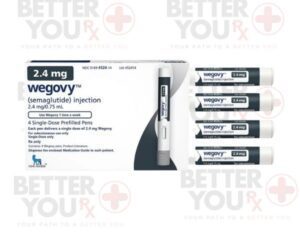
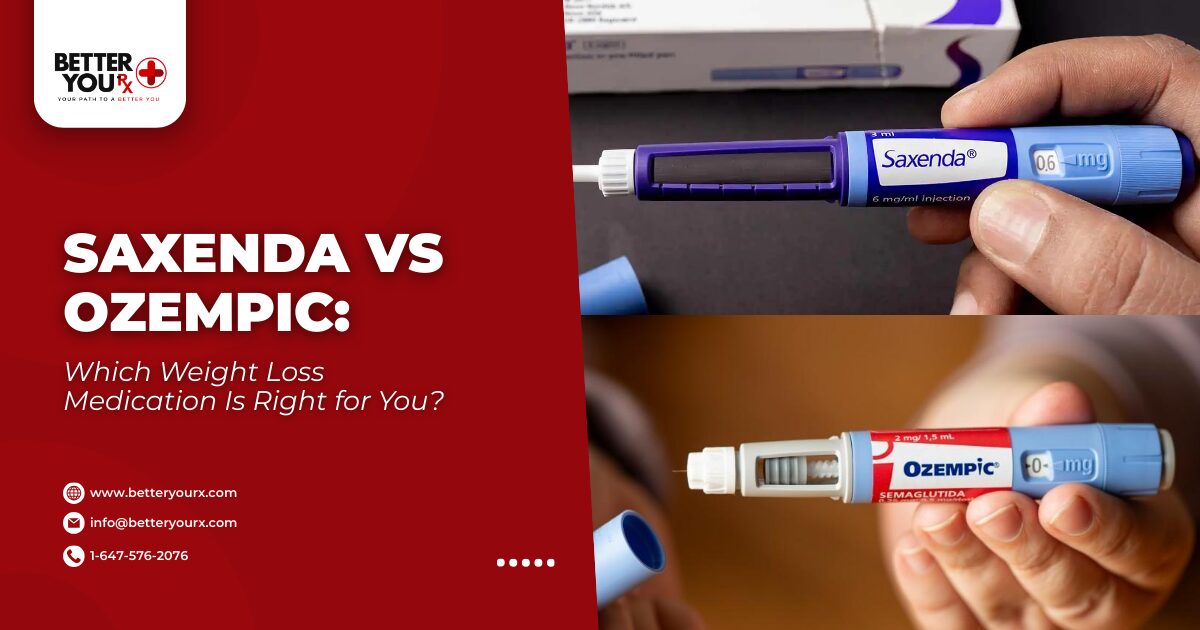
Donation rules exist to guarantee that the blood supply remains safe and beneficial for recipients. Some medications can alter the composition of your blood or remain active in plasma. With Ozempic, there’s no known risk of transmission or toxicity, but it’s important that your blood sugar and hydration levels remain steady before donation. If you’re on other medications for diabetes or weight control — such as Wegovy, Mounjaro KwikPen, or Saxenda — you should discuss your treatment schedule with your healthcare provider before donating.

How Ozempic Affects Your Body Before Blood Donation

Ozempic slows digestion, reduces appetite, and improves blood sugar stability. While these effects are beneficial for weight management, they can influence how your body reacts to donating blood. For example, if Ozempic suppresses your appetite, you might not eat enough before your donation, which could lead to dizziness or fatigue. It’s essential to understand these effects before visiting a blood center. Additionally, everyone’s reaction to Ozempic varies depending on how long they’ve been taking it. Understanding your body’s tolerance can help you plan for a smoother donation experience. Always consult your physician before donating if you’re unsure about your body’s response or Ozempic side effects and eligibility.

Here’s what happens when you donate blood while using Ozempic:

Effect Description Recommendation
Blood Sugar Fluctuations Ozempic helps regulate glucose, but fasting or stress from donation may cause dips. Eat a balanced meal before donating.
Dehydration Risk Nausea or reduced appetite can lower hydration. Drink plenty of fluids 24 hours prior.
Dizziness or Fatigue Common after donation, more likely if you’ve eaten little. Rest afterward, avoid heavy exercise.
Digestive Delay Food absorption may be slower. Avoid donating on an empty stomach.

If your blood sugar has been unpredictable, your healthcare provider may recommend delaying donation. Stable control is essential for safe donation and recovery. Anyone considering can I give blood on semaglutide should assess their energy levels and hydration before donating.

Eligibility Requirements for Donating Blood on Ozempic

When you’re taking Ozempic, these rules ensure your blood is safe for recipients and that you won’t experience any health issues during or after the donation. Following these guidelines helps maintain your well-being while ensuring safe blood supply for others. Being transparent about your medication history makes the process smoother for everyone. Moreover, meeting these eligibility requirements helps protect the integrity of donated blood and ensures it benefits those in need. It’s always best to review your local donation center’s updated policies before arriving, especially if you’re taking Ozempic or similar medications.

Here are the general eligibility factors:

Eligibility Factor Requirement Notes
Age 17+ years (16 with parental consent) Must meet local requirements.
Weight Minimum 110 lbs (50 kg) Ensures safe blood volume withdrawal.
Blood Sugar Stable readings, no recent hypoglycemia Essential for diabetic donors.
Medication Use Ozempic use is acceptable if prescribed and stable Avoid if recently started or experiencing side effects.
General Health Feeling well on donation day No active nausea, dizziness, or fatigue.

These requirements emphasize overall wellness rather than medication use. Most people taking Ozempic for diabetes or weight management can donate if they’re feeling stable and healthy. If you’re taking insulin alongside Ozempic, it’s important to understand how both medications work together. Review our guide on Insulin 70/30 Dosage Calculation to manage your glucose levels effectively before donation.

How to Prepare for Blood Donation While Taking Ozempic

Proper preparation helps your body handle the stress of blood donation. Since Ozempic affects your digestion and appetite, it’s crucial to prepare your body in advance to reduce the risk of dizziness, low energy, or nausea. Taking small steps before donating can help you recover faster. Preparation also makes the process more comfortable. Plan your donation for a day when you’re feeling your best, as Ozempic users can experience varying energy levels. A few days of good rest, hydration, and healthy meals make a noticeable difference. Always give yourself time to recover properly afterward and follow any Ozempic and blood donation safety recommendations.

1. Eat a Balanced Meal

Avoid donating on an empty stomach. Choose protein-rich foods like eggs, yogurt, or chicken, paired with complex carbs such as oats or whole grains. This helps maintain stable blood sugar throughout the process. A balanced meal reduces weakness and improves recovery.

2. Stay Hydrated

Drink plenty of water or electrolyte drinks before and after donation. Dehydration increases the risk of dizziness, especially if Ozempic has reduced your thirst. Staying hydrated ensures healthy blood flow. It also supports faster healing after donation.

3. Monitor Blood Sugar Levels

If you manage diabetes with insulin, check your glucose before your appointment. Learn more about how insulin works with Basal vs. Bolus Insulin strategies to ensure safe levels. Keeping your readings stable prevents sudden drops. Always carry a small snack to avoid hypoglycemia.

4. Rest and Recover

Plan for light activity after donating. Your energy might dip due to lower blood volume, so it’s best to avoid workouts or fasting that day. Resting helps your body replenish red blood cells. Take it easy for at least 24 hours.

5. Schedule Around Injection Days

If possible, donate blood on a day you haven’t recently taken your Ozempic injection. This minimizes the chance of nausea or appetite loss during recovery. It also gives your body time to stabilize. Try to donate midway between doses for best comfort.

When You Should Avoid Donating Blood

Why Your Medication Matters When Donating Blood

Even though can I donate blood on Ozempic typically has a yes answer, there are certain scenarios where you should wait. Your body must be in a stable state before donating blood to prevent adverse effects. Postponing donation is a smart choice if you’re feeling unwell. Taking extra time ensures a better experience for both you and the recipient. Waiting a few weeks often allows side effects to subside. This patience can help you avoid fatigue or nausea during recovery. Always check in with your doctor before rescheduling your donation, especially if you’re managing multiple medications or Ozempic weight loss and blood donation safety concerns.

You should postpone donation if:

  • You recently started Ozempic or changed your dosage.
  • You’ve experienced strong side effects like vomiting or fatigue.
  • You’re recovering from surgery, infection, or low iron.
  • Your blood sugar readings are unstable.

If you fall into these categories, delay donation until your body adjusts. Always inform the donation center about any recent medication changes. For further clarity on insulin management during medical routines, read Lispro vs. Regular Insulin, which outlines how different insulin types affect your system, especially if combined with Ozempic.

What to Expect During and After Donation

Knowing what to expect can make the process smoother and more comfortable. The donation itself usually takes 8–10 minutes, but preparation and recovery can add another 30 minutes. You’ll rest briefly after donation to ensure your body adjusts safely. Following post-donation tips can help prevent dizziness or fatigue. After donating, your body begins restoring plasma within hours. Staying hydrated and eating iron-rich foods will help this recovery. A calm, steady approach after donation ensures you’ll be ready for your next session sooner.

Quick Recovery Tips

  • Monitor Glucose: Check your levels post-donation. Keeping track helps detect low readings early.
  • Avoid Alcohol: It can dehydrate and lower your blood pressure. Stick to water or juice for 24 hours.
  • Pause Exercise: Wait 24 hours before strenuous activity. Giving your body rest time supports recovery.

Learn more about insulin balance through our resource on Insulin Dosing by Weight, especially if you use both insulin and GLP-1 medications.

Which Option is Best for You: Donate or Wait?

Deciding whether to donate or wait depends on your current health stability. If your blood sugar, hydration, and energy are consistent, it’s safe to proceed. However, if you’ve recently adjusted your Ozempic dosage or are feeling unwell, postponing your donation is the better choice. Listening to your body ensures a safer experience. Some people find that skipping a donation during medication adjustments helps prevent fatigue. Always prioritize your health before helping others. When you’re ready, your contribution will make an even greater difference. This advice applies to anyone wondering about Ozempic and blood donation rules.

If unsure, consult your doctor or diabetes educator. They can help you plan your donation around your medication cycle for maximum safety. Their advice helps you stay confident about when to donate. Proper timing benefits both you and recipients.

Other Medications to Watch When Donating Blood

Can I Donate Blood on Ozempic?

Not all medications have the same effect on eligibility. While Ozempic is generally safe, some medications make you temporarily or permanently ineligible. These include antibiotics, acne treatments, and blood thinners. Disclosing your prescriptions helps blood centers protect everyone involved. Reviewing your medication list with staff takes only minutes but ensures complete safety. In some cases, you may only need to wait a few days after finishing treatment. Always clarify these details during your screening, as it directly affects medications that disqualify blood donors.

Common disqualifying medications include:

  • Antibiotics (if treating active infections)
  • Blood thinners like warfarin
  • Certain acne medications (e.g., isotretinoin)
  • Antimalarials within the past year

Always disclose your current prescriptions to the donation center. Transparency keeps both you and recipients safe. For a better understanding of medication management, explore our guide on Insulin 70/30 Dosage Calculation or learn more about how basal and bolus insulin dosing works.

Final Thoughts

So, can I donate blood on Ozempic? Yes — as long as you’re feeling well, staying hydrated, and maintaining balanced blood sugar levels. Taking Ozempic doesn’t automatically disqualify you, but preparation, diet, and overall stability are key before donating. Always communicate honestly with your healthcare provider and the blood donation staff about your medication use.

Giving blood is not just about generosity — it’s also about responsibility and awareness. By understanding how your medication impacts your health, you help ensure that every donation is safe and effective. Donating blood while on Ozempic can be a meaningful way to give back while still managing your health goals.

If you’re uncertain about timing, check with your doctor or diabetes educator before donating. They can help you plan your donation day for the best results and ensure your body is ready. Remember, your health always comes first, and a well-timed donation benefits both you and those in need.


Ultimately, giving blood while on Ozempic is safe for most people when approached thoughtfully. Stay hydrated, plan ahead, and listen to your body — these small steps make a big difference in both your comfort and the quality of your donation.

If you’re managing diabetes or weight loss with GLP-1 medications, check out these medications:

Frequently Asked Questions

What medicines disqualify you from donating blood?

Certain medications like isotretinoin (for acne), blood thinners, and some antibiotics can temporarily disqualify you. The concern is whether the medicine might affect the safety of your blood or the health of the recipient. Donation centers assess each case individually. Always provide your medication list to ensure eligibility.

Can you donate blood while taking weight loss injections?

Most people can safely donate blood while on injections like Ozempic or Wegovy. These medications do not contaminate your blood or pose a risk to recipients. However, side effects like nausea or dizziness may make donating uncomfortable. It’s best to wait until you feel stable before scheduling a donation.

Can you donate blood if you take diabetes medication?

Yes, donating blood while on diabetes medication is allowed if your condition is under control. Insulin users can donate as long as glucose levels remain steady and there are no recent changes in dosage. Always check with your doctor first to ensure it’s safe for you. Stable blood sugar helps prevent fainting or dizziness.

What disqualifies me from being a blood donor?

Temporary disqualifications include recent surgeries, infections, or certain medications. Permanent restrictions may apply to those with chronic illnesses like hepatitis or heart conditions. Always review your eligibility with the donation center before visiting. Staying transparent helps them ensure donor and recipient safety.

Who is not allowed to donate blood?

People with chronic infections, uncontrolled hypertension, or anemia are typically ineligible. Those recently vaccinated or who received a transfusion may also need to wait. Every center follows its own health criteria to maintain safe blood supplies. Always double-check the guidelines before booking an appointment.

Which blood type is the rarest?

AB negative (AB-) is the rarest blood type, found in less than 1% of people worldwide. Despite being uncommon, AB plasma is universally compatible and highly valuable. Blood banks often prioritize donations from AB- donors. No matter your type, every donation helps save lives.


Does Ozempic Cause Blood Clots? Risks Explained

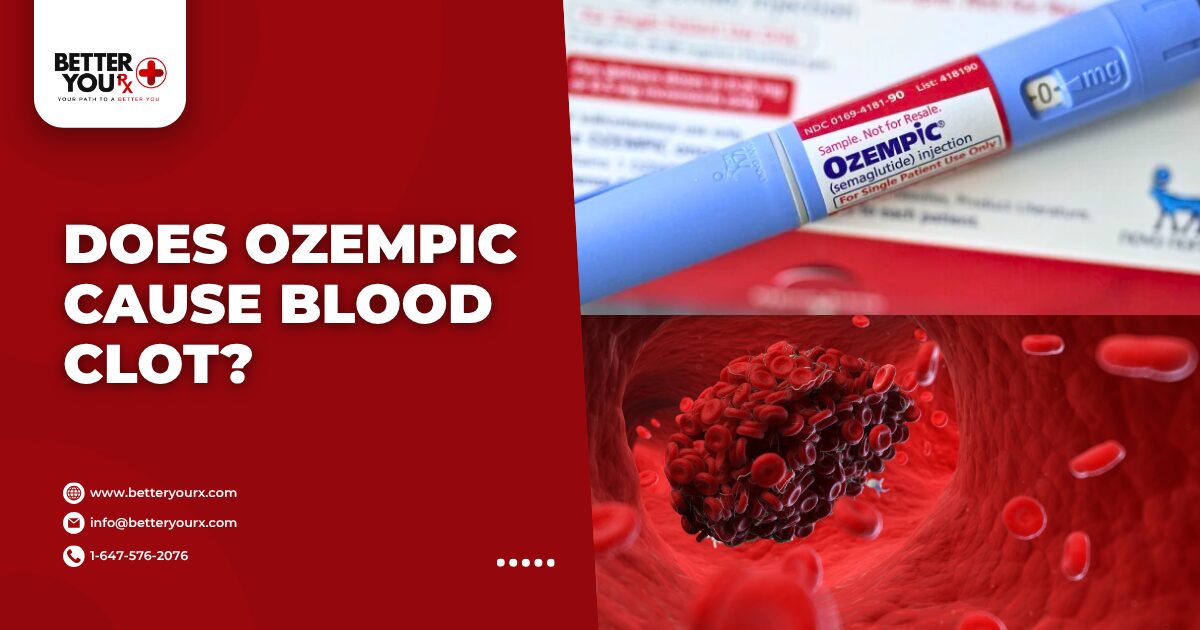
Does Ozempic cause blood clots? Research shows that Ozempic does not directly cause blood clots. In fact, its ability to stabilize blood sugar, improve circulation, and reduce inflammation helps lower the overall risk of vascular issues. However, factors like dehydration, inactivity, and existing health conditions can still influence an individual’s clotting risk. Understanding how Ozempic works within your body provides better control and peace of mind.

Ozempic, known by its generic name Semaglutide, is a GLP-1 receptor agonist used to manage type 2 diabetes and support healthy weight loss. It improves insulin performance, regulates appetite, and reduces cardiovascular stress. Since diabetes and obesity naturally increase the risk of clots, patients often ask whether this medication makes matters worse. Studies indicate that it actually does the opposite by improving vascular health.

Can Ozempic Cause Blood Clots?

Can Ozempic Cause Blood Clots

There is no strong evidence linking Ozempic to blood clot formation. Research shows that people taking Ozempic have a lower rate of heart attacks and strokes than those taking other diabetes medications. It works by improving how the body manages glucose and insulin, which reduces vascular inflammation and prevents the thickening of blood vessel walls.

Blood clots usually form when circulation slows down or when the blood becomes thicker due to dehydration, smoking, hormonal changes, or lack of movement. It counteracts these issues by promoting better blood flow and supporting cardiovascular efficiency.

Factor Effect on Circulation Clot Risk
Ozempic (Semaglutide) Improves vessel flexibility, reduces inflammation Low
Sedentary Lifestyle Slows blood movement, increases pooling Moderate to High
Dehydration Thickens blood consistency Moderate
Smoking Damages vessels, increases platelet activity High

As shown above, it supports overall blood vessel health rather than promoting conditions that lead to clots.

Learn more about how your body naturally regulates insulin and glucose in our guide on how the liver produces insulin.

Why Some People Think Ozempic May Cause Blood Clots

Some individuals associate Ozempic with symptoms that can resemble clotting, such as swelling or mild leg discomfort. These effects are typically short-lived and related to dehydration or early adjustments to treatment, not to blood clot formation.

Dehydration is one possible factor. When starting Ozempic, people may experience nausea or vomiting, which can reduce fluid intake. A lack of hydration thickens the blood slightly, creating conditions where clots can develop in extreme cases. Drinking plenty of water helps keep circulation steady.

Physical inactivity can also contribute. Some users experience fatigue or reduced appetite early in treatment, which may lead to less movement. Staying active through simple habits like walking or stretching each hour supports blood flow and prevents venous pooling.

Existing conditions, such as diabetes, obesity, or cardiovascular disease, already raise the baseline risk of clot formation. It helps counter these by stabilizing blood sugar and supporting vessel health. Rapid weight loss may also cause hormonal fluctuations that affect clotting temporarily, though evidence shows this is rare.

Explore the process behind how body cells respond to insulin and why this plays an essential role in circulation and metabolism.

Cardiovascular Benefits of Ozempic

While concerns about clotting occasionally surface, Ozempic is proven to benefit cardiovascular health. The medication reduces artery inflammation, lowers bad cholesterol, and stabilizes plaque buildup in blood vessels. It supports heart efficiency by helping arteries stay open and flexible, allowing smoother oxygen and nutrient delivery.

The drug’s impact extends to multiple metabolic areas. It reduces oxidative stress, lowers triglycerides, and minimizes fat accumulation in the liver, all of which improve blood quality. With continuous use, it contributes to a steady reduction in risk factors for heart disease and stroke.

Studies highlight its long-term protective benefits for people with type 2 diabetes and obesity. Rather than triggering circulation issues, it often becomes part of a broader heart-healthy treatment strategy recommended by medical professionals.

See how Ozempic supports your body beyond blood sugar control, improving circulation and long-term cardiovascular strength.

Comparing Ozempic With Other GLP-1 Medications

Cardiovascular Benefits of Ozempic

Ozempic belongs to a class of medications known as GLP-1 receptor agonists, which includes Rybelsus, Mounjaro, and Zepbound. Each medication works similarly to balance glucose and promote weight management. None have been proven to increase the risk of blood clots.

Medication Key Ingredient Primary Benefit Effect on Blood Health
Ozempic Semaglutide (Injectable) Controls appetite and glucose Improves vascular elasticity
Rybelsus Semaglutide (Oral) Convenient daily tablet Supports circulation health
Mounjaro KwikPen Tirzepatide Dual GLP-1 and GIP function Reduces inflammatory stress
Zepbound KwikPen Tirzepatide Focused on weight management Helps regulate blood viscosity

These medications share the same core objective: improving overall metabolic and vascular wellness. For most users, the benefits far outweigh any theoretical risk.

Discover how Rybelsus can provide similar heart and blood health benefits in an easy-to-take oral form.

How Ozempic Improves Circulation

It improves circulation by enhancing insulin sensitivity and reducing vascular inflammation. When insulin works efficiently, the inner lining of blood vessels remains healthy, preventing plaque buildup. It also reduces the chances of vessel narrowing that can obstruct blood flow.

This positive effect extends to smaller blood vessels, supporting healthy oxygen delivery throughout the body. Over time, regular Ozempic use contributes to reduced swelling, better blood flow, and more stable energy levels.

Dietary support plays an additional role. Consuming balanced meals rich in omega-3 fats, leafy vegetables, and hydration complements Ozempic’s effect. Physical activity, even light daily walking, ensures circulation remains optimal.

Read our helpful discussion on how long Zepbound side effects last to better understand medication adjustments and timing.

Preventing Blood Clots While Using Ozempic

While it is not a cause of blood clots, maintaining certain habits enhances its benefits. Keeping your body active and hydrated ensures blood stays fluid and circulates efficiently. Aim to drink enough water daily, and take breaks to stand or move during long sitting periods.

Monitor for any persistent pain or swelling in one leg, as well as unexplained shortness of breath or chest discomfort. These signs, while rare, should be evaluated by a healthcare provider.

Avoid smoking, as nicotine damages arteries and increases platelet stickiness. Eat foods that naturally improve blood health, such as berries, olive oil, and whole grains. Combined with Ozempic, these habits offer comprehensive protection for your cardiovascular system.

Experience improved metabolic support and insulin balance with Mounjaro KwikPen, designed for advanced GLP-1 and GIP action.

How Ozempic Works Within the Insulin System

Why Some People Think Ozempic May Cause Blood Clots

Ozempic helps the pancreas release insulin when needed and tells the liver to produce less glucose. This coordinated system keeps blood sugar levels steady and prevents excess strain on the arteries. By maintaining a balanced insulin response, the medication helps protect the vascular lining from damage.

For individuals planning pregnancy or exploring insulin therapy, understanding hormonal regulation is crucial. Learn more about does insulin cross the placenta to understand its effects in different metabolic conditions.

This regulation also influences weight loss by reducing appetite and slowing digestion, which lowers the frequency of sugar spikes. The result is smoother energy levels, better vessel health, and less inflammation in the bloodstream.

Explore the metabolism-enhancing benefits of Zepbound KwikPen, another advanced treatment supporting insulin regulation and cardiovascular health.

When to Consult a Healthcare Professional

Although Ozempic does not cause clots, consultation with a healthcare professional is important if you notice unusual swelling, leg pain, or chest discomfort. Persistent fatigue, dehydration, or dizziness should also be evaluated. Your provider may adjust your dosage or suggest additional lifestyle steps.

People with a prior history of DVT, vascular conditions, or clotting disorders benefit from regular medical checkups. Proper monitoring helps maintain safe use while maximizing the medication’s heart and metabolic benefits.

Buy cheap Saxenda online from Canada through Better You Rx, a prescription referral service that connects users to trusted medications supporting long-term weight management.

Continue learning about metabolic health and circulation by reading our article on how the liver produces insulin.

Final Thoughts

So, does Ozempic cause blood clot? The evidence says no. It works to protect the body’s circulatory system by improving glucose metabolism, reducing inflammation, and promoting blood vessel flexibility. Used with healthy habits, it strengthens overall cardiovascular wellness.

For safe access to trusted medications that enhance your metabolic health, Buy cheap Saxenda online from Canada through Better You Rx, a prescription referral service designed to support your long-term wellness goals.

Frequently Asked Questions

What does Ozempic do to blood vessels?

It improves blood vessel function by reducing inflammation and promoting flexible arteries. It keeps vessel walls strong and supports steady oxygen transport throughout the body.

Does Ozempic affect the blood?

Yes, it positively affects blood flow and quality by stabilizing glucose, lowering lipid levels, and preventing vascular stress. This helps reduce the formation of harmful plaques.

Is Ozempic hard on your heart?

No, Ozempic supports heart health. Research shows it reduces the risk of major cardiovascular events such as heart attack and stroke while improving circulation.

What causes blood clots?

Blood clots occur when flow slows or vessels are damaged. Common causes include prolonged sitting, dehydration, obesity, smoking, and genetic clotting disorders.

What do cardiologists think of Ozempic?

Cardiologists view Ozempic as heart-protective due to its proven benefits in lowering cholesterol, stabilizing blood sugar, and improving arterial elasticity.

What organ does Ozempic affect?

It primarily targets the pancreas and liver, improving insulin efficiency and blood sugar control while supporting the cardiovascular system and brain signaling for appetite.


Sign Up For Newsletter

Please enable JavaScript in your browser to complete this form.

Join 60.000+ Subscribers and get a new discount coupon on every Saturday.

Address

PO Box 29631, Mississauga RPO Central Parkway, ON L5A 4H2

Phone Number

1-647-576-2076

better you rx big letter logo

Discover convenience with Better You Rx, your trusted pharmacy-affiliated partner. We work with leading pharmacies to deliver prescriptions and over-the-counter medications right to your doorstep. Enjoy cost-effective solutions on a platform that’s easy to use. We focus on safety and efficacy in all products. Our dedicated team ensures a smooth experience. From ordering to delivery, we simplify your healthcare needs. Choose Better You Rx for reliable service and expert support. Trust us for all your medication requirements. Experience the ease of modern pharmacy care.

Categories

Operating Hours: 
10:00AM – 6:00PM CST
Monday – Friday

Our Payment Partners :

Copyright © 2026 BetteryouRX. All Rights Reserved.
Join The Waitlist Be among the first to know when becomes available.
Add to cart