Is Retatrutide Natural? What You Need To Know About This Triple-Action Peptide

Is Retatrutide natural? No, Retatrutide is not a natural compound. It is a synthetic peptide developed in a laboratory to target three specific hormone receptors involved in appetite, metabolism, and blood sugar control. Unlike herbal supplements or plant-based remedies, Retatrutide was designed through advanced biochemistry to mimic and enhance signals your body already uses. It activates GLP-1, GIP, and glucagon receptors at the same time, which separates it from older single-receptor treatments like Semaglutide. While some people look for natural alternatives to support weight management, Retatrutide offers a precision-based approach that natural options cannot replicate. Knowing whether is Retatrutide natural or synthetic helps you set realistic expectations and make informed decisions about your health journey. 

Is Retatrutide Natural?

Retatrutide Natural

Retatrutide is not natural. It is a synthetic peptide, meaning scientists created it in a controlled laboratory environment. The molecule was built to interact with three hormone receptors in the human body: GLP-1 (glucagon-like peptide-1), GIP (glucose-dependent insulinotropic polypeptide), and glucagon. These receptors naturally exist in your body and play roles in hunger regulation, insulin release, and fat metabolism.

Because Retatrutide activates all three pathways simultaneously, researchers sometimes call it a “triple agonist.” No natural food, herb, or supplement can trigger these three receptors in the targeted way that Retatrutide does. The peptide was specifically engineered to maximize results for weight loss and blood sugar management. People who wonder is Retatrutide natural often assume it comes from a plant or animal source, but that is not the case.

So when people ask is Retatrutide natural, the short answer is no. But its design is inspired by hormones your body already produces, which is why it integrates well with your natural metabolic processes.

How Does Retatrutide Work in the Body?

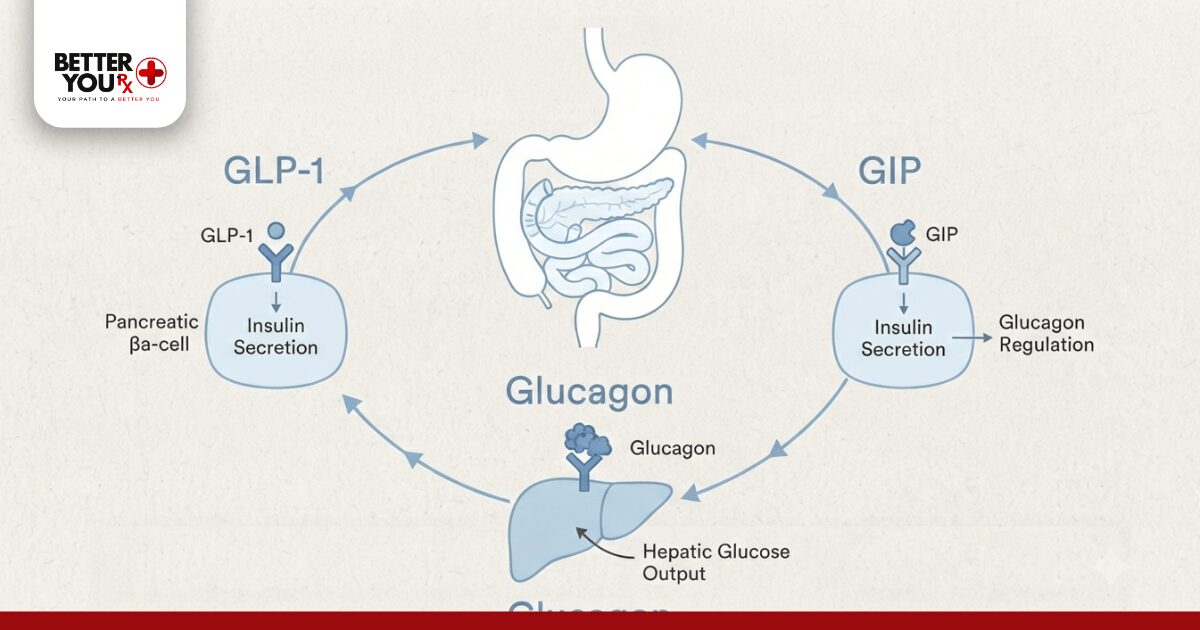
Once you know the answer to is Retatrutide natural, the next logical question is how it works. Retatrutide sends signals through three different hormonal pathways at once. Each receptor it targets plays a distinct role in how your body manages energy and hunger.

The GLP-1 receptor helps slow down how fast your stomach empties food, which makes you feel full longer after meals. It also tells the pancreas to release insulin when blood sugar rises. The GIP receptor supports insulin sensitivity and helps your body process nutrients more efficiently. The glucagon receptor encourages the liver to convert stored fat into energy, boosting your overall calorie burn.

By hitting all three targets, Retatrutide creates a combined effect that single-receptor treatments cannot match. People managing conditions like type 2 diabetes or obesity may benefit from this broader mechanism. If you are exploring options like Mounjaro KwikPen, which targets two receptors (GLP-1 and GIP), Retatrutide goes one step further by adding glucagon activation. This multi-receptor design is part of why asking is Retatrutide natural is so common, since the concept sounds almost too advanced to be real.

Retatrutide vs. Other Peptide Treatments

To better see where Retatrutide fits among available treatments, here is a comparison:

Feature Retatrutide Semaglutide (Ozempic) Tirzepatide (Mounjaro)
Receptor Targets GLP-1, GIP, Glucagon GLP-1 only GLP-1 and GIP
Origin Synthetic peptide Synthetic peptide Synthetic peptide
Natural? No No No
Primary Use Weight loss, blood sugar Blood sugar, weight loss Blood sugar, weight loss
Mechanism Triple agonist Single agonist Dual agonist

None of these treatments are natural. They are all lab-created peptides. However, the question is Retatrutide natural comes up more often because it is newer and less familiar to many people. If you want to explore how Semaglutide-based treatments compare, you can read more about Ozempic vs Trulicity for a detailed side-by-side look.

Why Do People Ask Is Retatrutide Natural?

The growing interest in natural health products has led many people to question every new treatment that enters the market. When a medication gains attention for impressive results, a common first reaction is to ask whether it comes from a plant, mineral, or other natural source.

Retatrutide has attracted this question because of the strong buzz around its triple-receptor approach. Some individuals prefer to avoid synthetic medications whenever possible, while others simply want to know exactly what they are putting into their bodies. Both are valid reasons to ask is Retatrutide natural. Social media posts and online forums have fueled this curiosity further, with many users sharing their own experiences and opinions on whether synthetic peptides are worth trying.

The truth is, most modern peptide-based treatments for weight management and blood sugar control are synthetic. Even treatments like Trulicity and Victoza fall into this category. Synthetic does not mean harmful. It means the compound was carefully designed to perform a specific function in the body with consistency and reliability.

What Is Retatrutide Made Of?

Retatrutide is made of amino acids arranged in a specific sequence to form a peptide chain. Amino acids are the building blocks of proteins, and they do occur naturally in the human body and in foods. However, the particular arrangement in Retatrutide does not exist in nature. This is a key reason why the answer to is Retatrutide natural remains no, even though its individual components are found in everyday foods.

Scientists designed this peptide sequence to bind precisely to GLP-1, GIP, and glucagon receptors. The manufacturing process involves chemical synthesis in a controlled lab, where each amino acid is added one at a time to build the final molecule. This level of precision is what allows Retatrutide to deliver its triple-action effect.

So while the raw ingredients (amino acids) are found in nature, the finished product is entirely synthetic. Asking is Retatrutide natural is similar to asking if a custom-built machine is natural just because its parts come from the earth. The components may have natural origins, but the final assembly is human-made.

Are There Natural Alternatives to Retatrutide?

Some people search for natural alternatives when they learn that the answer to is Retatrutide natural is no. Several supplements and foods claim to support weight loss or blood sugar management, but none of them can replicate what Retatrutide does at the receptor level.

Common natural options include:

  • Berberine, a plant compound that may improve insulin sensitivity
  • Fiber supplements that slow digestion and reduce appetite
  • Apple cider vinegar, which some believe helps with blood sugar spikes
  • Green tea extract, often promoted for its metabolism-boosting properties
  • Chromium, a mineral linked to improved glucose metabolism

While these options have some evidence behind them, their effects are much milder compared to a targeted peptide like Retatrutide. For example, Berberine has shown modest blood sugar improvements in some people, but it does not reduce appetite or boost fat burning the way a triple agonist can. If you are managing a serious health condition, natural supplements alone may not provide the results you need. This is exactly why is Retatrutide natural matters as a question, because the synthetic design is what gives it such powerful effects. Always talk to your doctor before combining supplements with any prescription treatment.

For those considering related medications, learning about Retatrutide benefits can help you weigh synthetic treatments against natural approaches. The question is Retatrutide natural may matter less once you see the full picture of how it supports metabolic health.

Retatrutide vs. Other Peptide Treatments

Things To Know About Retatrutide

Topic Key Detail
Is Retatrutide natural? No, it is a lab-created synthetic peptide
How is it taken? Administered as a subcutaneous injection, typically once weekly
Who may benefit? Adults dealing with obesity or type 2 diabetes who have not seen results with other methods
Side effects to watch Nausea, reduced appetite, digestive discomfort (usually mild and temporary)
How long to see results? Many individuals report changes within the first several weeks of treatment
Can it replace diet and exercise? No. Best results come when combined with healthy eating and regular physical activity

Knowing these details helps you have more productive conversations with your healthcare provider. Since the answer to is Retatrutide natural is no, some people may have concerns about side effects or long-term use. A practical tip is to keep a journal of how you feel during the first few weeks of treatment, noting any changes in appetite, energy levels, or digestion. This kind of record gives your doctor valuable information to fine-tune your approach. Discussing these points openly with a licensed doctor is the best way to get personalized answers.

How Is Retatrutide Different From Ozempic?

Ozempic (Semaglutide) targets only the GLP-1 receptor. Retatrutide targets GLP-1, GIP, and glucagon receptors. This triple-action approach is the most significant difference between the two.

Because Retatrutide activates more pathways, early data suggests it may produce greater weight loss results than Semaglutide alone. Ozempic has been available longer and has a more established track record, while Retatrutide is newer and still building its evidence base. For many people, knowing is Retatrutide natural or not is less important than understanding what kind of results it can deliver compared to existing options.

Both are synthetic peptides, so neither is natural. If you are currently using Semaglutide-based treatments and curious about newer options, comparing Retatrutide vs Tirzepatide can offer useful perspective on how these newer multi-receptor treatments stack up.

Getting Started With Retatrutide Through Better You Rx

At Better You Rx, we know that beginning a new treatment can feel like a big step. If you have been asking is Retatrutide natural and want to learn more, we can help. As a prescription referral service, we connect you with access to Retatrutide through our trusted network. You can join the waitlist for Retatrutide and complete the consultation form on our website. This process helps figure out if Retatrutide fits your needs and makes sure you get the right guidance on dosing and how to use it. Our service simplifies access to these treatments, so you can move toward your health goals with confidence and support.

Whether you have been searching is Retatrutide natural or comparing it to treatments like Wegovy, our team is here to help. Reach out to us at 1-647-576-2076 for more information.

Is Retatrutide Natural

The Bottom Line on Whether Is Retatrutide Natural

Is Retatrutide natural? No. It is a carefully engineered synthetic peptide designed to activate three hormone receptors that control appetite, metabolism, and blood sugar. While its building blocks (amino acids) exist in nature, the finished molecule does not. Natural supplements like Berberine, fiber, and green tea extract may offer mild support, but they cannot match the targeted, multi-receptor action of Retatrutide.

Understanding that Retatrutide is not natural should not discourage you from exploring it. Many of the most effective treatments in modern medicine are synthetic, and “synthetic” simply means precision-built for a specific purpose. Talk to your doctor, review the latest information on what Retatrutide does, and decide what approach best fits your health goals. Now that you know the answer to is Retatrutide natural, you can focus on whether it is the right choice for you.

Frequently Asked Questions

What is Retatrutide made of?

Retatrutide is made of a specific sequence of amino acids arranged into a synthetic peptide chain. These amino acids are bonded together through chemical synthesis in a laboratory. The resulting molecule binds to GLP-1, GIP, and glucagon receptors in the body. While amino acids themselves are found in nature, the particular peptide structure of Retatrutide does not occur naturally.

What is Retatrutide natural?

No, Retatrutide is not natural. It is a synthetic compound created through advanced biochemistry. The peptide was engineered to target three hormone receptors simultaneously, something no natural substance can do. The answer to is Retatrutide natural will always be no, because its molecular structure was designed and assembled in a lab.

Is there a natural alternative to Semaglutide?

There is no natural substance that works the same way as Semaglutide. Some natural compounds like Berberine and Chromium may support blood sugar regulation, and fiber-rich foods can help with appetite control. However, these options produce much weaker effects. They are not direct replacements for prescription peptide treatments.

How is Retatrutide different from Ozempic?

Retatrutide targets three receptors (GLP-1, GIP, and glucagon), while Ozempic targets only GLP-1. This gives Retatrutide a broader mechanism of action. Early data suggests it may lead to more significant weight reduction. Both are synthetic peptides and neither is natural.

What 3 ingredients mimic Ozempic?

Berberine, Chromium, and fiber supplements are the three ingredients most commonly said to mimic some effects of Ozempic. Berberine may help with insulin sensitivity. Chromium supports glucose metabolism. Fiber slows digestion and can reduce appetite. However, these ingredients produce much milder results than Ozempic (Semaglutide) and should not be treated as substitutes without medical guidance.


Where to Buy Retatrutide Your Complete Guide to Accessing This Triple-Action Medication

Where to buy Retatrutide? Currently, Retatrutide is not widely available as it remains in the development phase. However, individuals interested in accessing this promising triple-action medication can explore prescription referral services like Better You Rx, where you can join a waitlist and fill up a consultation form to stay informed about availability.

Retatrutide has captured significant attention in the health and wellness community due to its unique mechanism of action. Unlike single-target medications, this compound works on three different receptors simultaneously, making it a potentially powerful option for those managing metabolic health concerns. 

What Is Retatrutide and How Does It Work

Retatrutide is a triple-action agonist that targets three key receptors in the body: GLP-1 (glucagon-like peptide-1), GIP (glucose-dependent insulinotropic polypeptide), and glucagon receptors. This triple mechanism sets it apart from other medications currently available on the market.

The GLP-1 receptor activation helps regulate appetite and promotes feelings of fullness after meals. When you consider where to buy Retatrutide, understanding this mechanism helps you appreciate why this medication has generated so much interest.

The GIP receptor activation works alongside GLP-1 to enhance metabolic function. This dual action on incretin hormones provides a more comprehensive approach to metabolic health management.

The glucagon receptor activation adds another layer of benefit by potentially supporting energy expenditure. This third mechanism is what makes Retatrutide unique compared to dual-action medications.

For individuals managing blood sugar levels, medications like Lantus Solostar have been traditional options, but newer compounds like Retatrutide represent an evolution in metabolic health management.

Why Retatrutide Is Generating Interest

Research has shown promising results in studies, with participants experiencing notable improvements in various health markers. The triple-action approach addresses multiple pathways simultaneously, which may offer advantages over single or dual-target options.

Many people searching for where to buy Retatrutide are drawn to its comprehensive approach. Rather than targeting just one pathway, this medication aims to provide support through multiple mechanisms working together.

Current Availability Status of Retatrutide

Understanding the current availability is crucial when researching where to buy Retatrutide. As of now, Retatrutide is not commercially available through standard channels. The medication continues through development phases, which means widespread access is limited.

What This Means for Consumers

People interested in where to buy Retatrutide should understand that patience is required. The development process involves multiple stages of testing and review before any medication becomes widely accessible.

During this waiting period, individuals can explore prescription referral services that may offer waitlist options. At Better You Rx, you can join the waitlist for Retatrutide and fill up the consultation form to express your interest and receive updates on availability.

Staying Informed About Updates

The landscape for metabolic health medications continues to evolve rapidly. Those wondering where to buy Retatrutide should establish connections with reputable prescription referral services that can provide timely updates.

Keeping informed about insulin resistance and related metabolic conditions can help you make better decisions about your health management journey while waiting for newer options to become available.

Status Description
Development Phase Retatrutide continues through testing stages
Commercial Availability Not currently available through standard retail
Waitlist Options Available through select prescription referral services
Consultation Services Better You Rx offers consultation forms for interested individuals

How to Safely Explore Access Options

When researching where to buy Retatrutide, safety should be your top priority. The internet contains many sources claiming to offer medications, but not all are legitimate or safe.

At Better You Rx, you can join the waitlist for Retatrutide and fill up the consultation form. This process allows healthcare professionals to review your situation and provide guidance based on your individual health profile.

Red Flags to Watch For

When searching for where to buy Retatrutide, be cautious of sources that:

  • Claim immediate availability without proper verification
  • Do not require any health consultation or assessment
  • Offer prices that seem unusually low
  • Cannot provide clear information about their sourcing

Legitimate prescription referral services will always prioritize your safety and work within proper healthcare frameworks.

Comparing Retatrutide to Other Metabolic Health Options

Where to Buy Retatrutide Your Complete Guide to Accessing This Triple-Action Medication

While waiting to find where to buy Retatrutide, understanding how it compares to existing options can help you make informed decisions about your health management.

Single-Action vs. Multi-Action Approaches

Traditional medications often target single pathways. For example, Metformin has been a longstanding option for blood sugar management through different mechanisms than receptor agonists.

Dual-action medications represent the next evolution, targeting two receptors simultaneously. Options like Trulicity work on GLP-1 pathways and have shown benefits for many users.

Retatrutide takes this further with its triple-action approach. This is why many people actively seek where to buy Retatrutide, hoping for enhanced results from the multi-pathway approach.

Making Informed Decisions

While waiting to access Retatrutide, consulting with healthcare providers about currently available options is wise. Understanding your insulin dosage requirements and overall metabolic health profile helps you prepare for any new medication.

Medication Type Receptors Targeted Current Availability
Single-Action One receptor pathway Widely available
Dual-Action Two receptor pathways Available with prescription
Retatrutide Three receptor pathways Development phase

What to Expect When Retatrutide Becomes Available

How to Safely Explore Access Options

For those patiently waiting to find where to buy Retatrutide, understanding what to expect when availability improves can help you prepare.

The Consultation Process

When Retatrutide becomes more accessible, the process will likely involve a thorough health consultation. Healthcare providers will review your medical history, current medications, and overall health goals.

At Better You Rx, the consultation form process helps gather this information in advance. By joining the waitlist for Retatrutide now, you position yourself to move forward quickly when availability expands.

Ongoing Monitoring Requirements

Any new medication requires proper monitoring. For those exploring where to buy Retatrutide, healthcare providers will want to track your response and adjust approaches as needed. Understanding fasting insulin tests and other monitoring methods helps you participate actively in your health management.

Potential Benefits to Discuss

When consulting with healthcare providers about where to buy Retatrutide, be prepared to discuss:

  • Your current metabolic health status
  • Previous experiences with similar medications
  • Your health management goals
  • Any concerns about side effects

This information helps providers determine if Retatrutide might be appropriate for your situation once it becomes available.

Steps to Take Now While Waiting

If you are actively searching for where to buy Retatrutide, there are productive steps you can take during the waiting period.

Join a Waitlist

For those asking where to buy Retatrutide, Better You Rx offers a practical solution. You can join the waitlist for Retatrutide and fill up the consultation form. This proactive step ensures you receive updates as availability changes and positions you for faster access when the medication becomes available.

Optimize Your Current Health

While waiting to access Retatrutide, focus on foundational health practices:

  • Maintain consistent eating patterns
  • Stay physically active within your abilities
  • Keep regular appointments with healthcare providers
  • Track relevant health markers

Understanding your body and establishing good habits now will complement any medication you might use in the future.

Stay Educated

Continue learning about metabolic health and medication options while exploring where to buy Retatrutide. Reading about topics like how insulin and glucagon work helps you understand the mechanisms that Retatrutide targets.

The Role of Prescription Referral Services

Understanding how prescription referral services work helps when researching where to buy Retatrutide through legitimate channels.

What Prescription Referral Services Offer

Services like Better You Rx connect individuals wondering where to buy Retatrutide. This model provides several advantages:

  • Access to healthcare consultations
  • Connection with verified medication sources
  • Support throughout the prescription process
  • Updates on medication availability

Why Choose a Prescription Referral Service

When searching for where to buy Retatrutide, working with a prescription referral service offers peace of mind. You can trust that the process follows proper protocols and prioritizes your safety.

Better You Rx provides a straightforward path for those interested in Retatrutide. Join the waitlist and complete the consultation form to begin your journey toward accessing this medication when it becomes available.

Important Considerations Before Seeking Retatrutide

Current Availability Status of Retatrutide

Before you finalize your search for where to buy Retatrutide, consider these important factors.

Individual Health Variations

Every person responds differently to medications. When considering where to buy Retatrutide, remember that what works well for one individual may not be the best choice for another. This is why consultation with healthcare providers is essential.

Realistic Expectations

While Retatrutide shows promise, approaching any medication with realistic expectations is important. Those asking where to buy Retatrutide should know that results vary among individuals, and medication is most effective as part of a comprehensive health approach.

Commitment to the Process

Finding where to buy Retatrutide is just the first step. Using any medication effectively requires commitment to regular monitoring, following provider guidance, and maintaining healthy lifestyle practices.

Your Next Steps for Accessing Retatrutide

Where to buy Retatrutide remains a question many people are asking as interest in this triple-action medication continues to grow. While widespread availability is not yet a reality, taking proactive steps now positions you well for the future.

At Better You Rx, you can join the waitlist for Retatrutide and fill up the consultation form to express your interest and stay informed about availability updates. This prescription referral service provides a safe and legitimate pathway for those interested in accessing this medication.

Remember that patience and safety should guide your approach when seeking where to buy Retatrutide. Working with reputable services, staying informed about your metabolic health, and maintaining open communication with healthcare providers will serve you well.

The development of triple-action medications like Retatrutide represents an exciting advancement in metabolic health management. By preparing now and working through proper channels, you position yourself to access these innovations safely when they become available.

Frequently Asked Questions

Will I lose weight on Retatrutide?

Research suggests Retatrutide may support metabolic health improvements, but individual results vary. The triple-action mechanism targets pathways associated with appetite regulation and energy expenditure. However, outcomes depend on many factors including overall health, lifestyle habits, and individual response to the medication. Consultation with healthcare providers helps set realistic expectations.

Is Retatrutide safe for humans?

Retatrutide has undergone testing in human studies with monitored safety profiles. As with any medication, potential side effects exist and individual responses vary. Working with healthcare providers through prescription referral services ensures proper monitoring. Those searching for where to buy Retatrutide should prioritize safety by using legitimate channels.

Is Retatrutide available yet?

Retatrutide is not yet widely commercially available. The medication continues through development phases. Individuals interested in accessing Retatrutide can join waitlists through prescription referral services like Better You Rx. Filling up the consultation form helps you stay informed about availability updates.

How are people getting Retatrutide?

Most individuals interested in Retatrutide are joining waitlists through prescription referral services. At Better You Rx, you can join the waitlist for Retatrutide and fill up the consultation form. This approach ensures access through legitimate healthcare channels when the medication becomes more widely available.

What makes Retatrutide different from other medications?

Retatrutide is unique because it targets three receptor pathways simultaneously. While other medications may target one or two receptors, Retatrutide works on GLP-1, GIP, and glucagon receptors together. This triple-action approach is what drives much of the interest in where to buy Retatrutide among those managing metabolic health concerns.


Does Retatrutide Cause Hair Loss ? Understanding This Common Concern

Does Retatrutide cause hair loss? While hair thinning has been reported by some individuals using weight loss medications in the same class, Retatrutide itself has not shown hair loss as a widely confirmed side effect. Rapid weight loss, nutritional gaps, and hormonal shifts during treatment are more likely contributors to hair shedding than the medication itself.

If you are considering Retatrutide or already using it, concerns about hair loss are completely valid. Many people starting a new weight loss medication want to know exactly what changes to expect, including effects on their hair. The connection between weight loss treatments and hair thinning is more nuanced than a simple yes or no, and several factors play a role in whether you might experience shedding.

Does Retatrutide Cause Hair Loss? Here Is the Answer

Does Retatrutide cause hair loss directly? The short answer is no. Retatrutide has not been identified as a direct trigger for hair shedding. However, the significant weight loss it promotes can lead to a temporary condition called telogen effluvium, which is responsible for most hair thinning users report.

Retatrutide is a triple-action receptor agonist that targets GIP, GLP-1, and glucagon receptors. It works by reducing appetite, improving blood sugar regulation, and increasing energy expenditure. Because it can lead to substantial weight reduction in a relatively short period, the body sometimes reacts by pushing hair follicles from the growth phase into the resting phase all at once.

Telogen effluvium can happen after major surgery, illness, emotional stress, or rapid weight loss. So while the question does Retatrutide cause hair loss keeps coming up, the weight loss process itself is the more likely culprit.

Not everyone who takes Retatrutide will experience hair thinning. Individual factors like genetics, baseline nutrition, and overall health all play a role. If you are worried about whether does Retatrutide cause hair loss in your specific case, speaking with your prescribing doctor is always the best first step.

How Retatrutide Works in the Body

Does Retatrutide Cause Hair Loss

Understanding how Retatrutide functions helps explain why hair changes might occur during treatment. Unlike single-action medications, Retatrutide activates three different hormone receptors simultaneously.

The GLP-1 receptor activation slows gastric emptying and reduces hunger signals. The GIP receptor helps regulate insulin and fat metabolism. The glucagon receptor boosts energy use and supports fat breakdown. Together, these three pathways create a powerful effect on body composition.

Because Retatrutide can reduce appetite significantly, some users may unintentionally consume fewer calories and nutrients than their body needs. Proteins, iron, zinc, biotin, and B vitamins are all essential for healthy hair growth. When intake drops too low, the body prioritizes vital organs and diverts resources away from hair follicles.

This nutritional component is a key reason some users ask does Retatrutide cause hair loss. The medication is doing its job by promoting weight loss, but maintaining proper nutrition during that process is critical for keeping hair healthy.

Side Effects of Retatrutide

Like any medication, Retatrutide comes with a range of potential side effects. Knowing the full picture helps you prepare for treatment and recognize when something needs medical attention. Below are the side effects grouped by how frequently they occur.

Common Side Effects

Most side effects associated with Retatrutide are gastrointestinal and tend to improve as the body adjusts over the first few weeks.

  • Nausea
  • Diarrhea
  • Vomiting
  • Decreased appetite
  • Constipation
  • Mild stomach discomfort
  • Heartburn

These reactions are similar to what users of other GLP-1 based treatments experience. If you want to compare, you can read about Retatrutide side effects in more detail.

Less Common Side Effects

Some people report effects that are less frequent but still worth monitoring.

  • Dizziness
  • Fatigue
  • Injection site reactions such as redness or mild swelling
  • Hair thinning, typically related to rapid weight loss rather than the drug directly
  • Changes in taste

Serious Side Effects

While rare, some reactions require immediate medical attention.

  • Severe abdominal pain that does not go away
  • Signs of pancreatitis such as persistent nausea with intense stomach pain
  • Allergic reactions including swelling of the face, lips, or throat
  • Rapid heart rate or difficulty breathing

If any side effects persist or worsen, contact your healthcare provider right away.

Why Does Retatrutide Cause Hair Loss in Some Users?

Key Takeaways About Retatrutide and Hair Health

The question does Retatrutide cause hair loss often comes down to the weight loss process itself rather than the specific medication. Here is a closer look at the key factors.

Caloric Deficit and Nutrient Gaps

When you eat significantly less food, your body may not receive enough of the vitamins and minerals that support hair health. The hair growth cycle depends on adequate levels of iron, ferritin, zinc, vitamin D, and protein. A prolonged caloric deficit can deplete these stores quickly.

Hormonal Changes

Losing weight affects hormone levels, including thyroid hormones and estrogen. These hormonal fluctuations can push hair follicles into the resting phase prematurely, leading to increased shedding several weeks or months after the weight loss begins.

Physical Stress Response

The body interprets rapid weight loss as a form of stress. When under stress, non-essential functions like hair growth slow down. This is temporary, and hair typically returns to normal once the body stabilizes at its new weight.

Things To Know About Retatrutide and Hair Loss

Before starting or continuing Retatrutide, there are several important points to keep in mind regarding hair health. Understanding these factors helps you answer the question does Retatrutide cause hair loss with more confidence and context.

Factor What You Should Know
Telogen Effluvium Temporary hair shedding caused by rapid weight loss; hair usually regrows within 6 to 12 months
Nutritional Deficiency Low protein, iron, or biotin intake during caloric restriction can worsen hair thinning
Timeline Hair shedding often starts 2 to 4 months after significant weight loss begins
Reversibility In most cases, hair loss related to weight loss medications is reversible once the body adjusts
Genetics People with a family history of thinning hair may be more susceptible during treatment

Does Retatrutide cause hair loss in every user? No. But being proactive about nutrition and monitoring your body can make a significant difference.

How To Prevent Hair Loss While Taking Retatrutide

If you are taking Retatrutide and want to minimize the risk of hair thinning, there are practical steps you can follow. Many users who ask does Retatrutide cause hair loss find that prevention strategies make all the difference.

Prioritize Protein Intake

Aim for at least 60 to 80 grams of protein per day, even if your appetite is reduced. Protein provides the building blocks your hair follicles need. Lean meats, eggs, Greek yogurt, and legumes are excellent sources. If eating enough feels difficult due to reduced appetite from Retatrutide, consider adding a protein shake to your routine.

Take a Quality Multivitamin

A daily multivitamin that includes biotin, iron, zinc, and vitamin D can help cover nutritional gaps. Talk to your doctor about whether additional supplementation is appropriate based on your blood work.

Lose Weight Gradually

While Retatrutide can produce rapid results, a slower and steadier approach to weight loss puts less stress on the body. Work with your prescribing physician to find a dosing schedule that promotes sustainable progress. You can learn more about what Retatrutide does to plan your treatment timeline.

Stay Hydrated

Dehydration affects circulation, including blood flow to the scalp. Drinking enough water each day supports overall health and keeps hair follicles nourished.

Manage Stress

Mental and emotional stress compounds the physical stress of weight loss. Incorporating relaxation techniques like deep breathing, light exercise, or meditation can help reduce the overall burden on your body.

Does Retatrutide Cause Hair Loss Compared To Other Medications?

How Common Is Hair Loss with Retatrutide

People considering Retatrutide often compare it to other treatments on the market. Here is a quick comparison of how hair loss concerns stack up across similar medications.

Medication Mechanism Hair Loss Reports Primary Use
Retatrutide Triple receptor agonist (GIP, GLP-1, Glucagon) Uncommon; linked to rapid weight loss Weight management, blood sugar control
Tirzepatide Dual receptor agonist (GIP, GLP-1) Some reports of thinning during treatment Weight management, Type 2 diabetes
Semaglutide GLP-1 receptor agonist Occasional reports, similar pattern Weight management, Type 2 diabetes
Liraglutide GLP-1 receptor agonist Rare reports Weight management, Type 2 diabetes

Across the board, hair thinning with these medications is linked to the speed and degree of weight loss rather than the drug itself. Does Retatrutide cause hair loss more than Tirzepatide or Semaglutide? Current data does not suggest a meaningful difference.

If you are weighing your options, the Retatrutide vs Tirzepatide comparison can help you make an informed decision. You may also explore options such as Mounjaro KwikPen or Ozempic through our prescription referral service.

When To See a Doctor About Hair Loss on Retatrutide

Not all hair shedding during Retatrutide treatment is harmless. Many people wondering does Retatrutide cause hair loss also want to know when thinning crosses the line from normal to concerning.

You should contact your healthcare provider if you notice any of the following:

  • Sudden or patchy hair loss that appears quickly
  • Hair falling out in clumps rather than gradual thinning
  • Hair loss accompanied by other symptoms like extreme fatigue, skin changes, or unexplained weight gain
  • Shedding that continues beyond 6 months without improvement
  • Scalp irritation, redness, or pain

Your doctor can run blood tests to check for iron deficiency, thyroid issues, or other underlying conditions that may contribute to hair loss beyond what is expected from weight changes.

Does Retatrutide cause hair loss severe enough to require medical intervention? In most cases, no. But it is always better to get checked early than to wait and hope it resolves on its own.

Getting Started With Retatrutide Through Better You Rx

At Better You Rx, we know that beginning a new medication can feel overwhelming. As a prescription referral service, we help connect you with access to Retatrutide through our licensed, contracted pharmacy network. You can join the waitlist for Retatrutide and complete the consultation form on our website. This process helps determine if Retatrutide is the right fit for you and ensures you receive proper guidance on dosing and how to use it. Our service simplifies access to these treatments, helping you take the first step toward your health goals with confidence.

Prescriptions must be issued by a primary care physician or licensed medical doctor practicing within the USA. Better You Rx is a Canadian prescription referral service, and medications are mailed directly to your residence. It typically takes 7 to 10 business days to receive your medication from the date it is shipped. We can supply up to a 90-day supply as your prescription allows. For questions, contact us at 1-647-576-2076.

You can also browse treatments like Trulicity through our platform for additional options your doctor may recommend.

Wrapping Up

Does Retatrutide cause hair loss? For most people, Retatrutide does not directly cause hair loss. The hair thinning some users experience is more closely tied to rapid weight reduction, nutritional deficiencies, and the body’s natural stress response during significant physical change.

By maintaining a balanced diet rich in protein and essential vitamins, staying hydrated, and working closely with your doctor, you can greatly reduce the chances of noticeable shedding. Hair changes during weight loss treatment are typically temporary and reversible. Focus on supporting your overall health throughout the process, and give your body the time and nutrients it needs to adjust.

Your weight loss journey should not come at the cost of feeling confident about your appearance. With the right preparation and support, you can pursue your goals with Retatrutide while keeping your hair healthy and strong. For more on what to expect, check out the benefits of Retatrutide to see the full picture of how this treatment can support your well-being.

Frequently Asked Questions About Does Retatrutide Cause Hair Loss

What are the side effects of Retatrutide?

The most common side effects of Retatrutide are gastrointestinal, including nausea, diarrhea, vomiting, decreased appetite, and constipation. Some users also report mild dizziness, fatigue, and injection site reactions. These effects tend to improve as the body adapts over the first several weeks.

How to stop hair loss on Tirzepatide?

Focus on eating enough protein, taking a daily multivitamin with biotin and iron, and losing weight at a gradual pace. These same strategies apply to other weight loss medications in the same category. Staying hydrated and managing stress also support healthy hair during treatment.

What to expect when starting Retatrutide?

Expect reduced appetite, possible nausea, and gradual weight loss during the first few weeks. Your doctor will typically start you on a lower dose and increase it over time. Most gastrointestinal side effects ease as your body adjusts. Significant weight changes usually become noticeable within the first month or two.

Does Retatrutide have less side effects?

Early data suggests Retatrutide has a similar side effect profile to other GLP-1 based medications, though individual responses vary. Some users tolerate it well from the start, while others need time to adjust. The triple-action mechanism does not necessarily mean more side effects, but close monitoring with your doctor is always recommended.

What happens if you stop taking Retatrutide?

If you stop taking Retatrutide, appetite typically returns to pre-treatment levels and weight regain is possible. Any hair shedding related to weight loss usually stabilizes and resolves after the body reaches a consistent weight. Those who previously asked does Retatrutide cause hair loss often find that shedding stops within a few months of stabilizing. Discuss any plans to discontinue with your healthcare provider to create a transition plan.


Retatrutide Dosing: Complete Guide to Starting, Adjusting, and Maximizing Results

Retatrutide dosing typically begins at 2mg once weekly, with gradual increases every four weeks until reaching an effective maintenance dose. This carefully structured approach helps minimize side effects while maximizing weight management benefits. Understanding the proper dosing schedule is essential for anyone considering this promising triple-receptor medication.

The medication works differently from other weight management treatments because it targets three hormone receptors simultaneously, which is why the dosing strategy requires careful attention. Many people starting this treatment wonder about the right dose, how quickly to increase, and what to expect at each level.

Getting the dosing right makes all the difference in your treatment journey. Too fast, and you might experience uncomfortable side effects. Too slow, and you might not see the results you’re hoping for. 

What Is Retatrutide and How Does It Work

Retatrutide represents a breakthrough in metabolic medicine as a triple-agonist therapy. Unlike medications such as Ozempic or Wegovy that target one or two receptors, Retatrutide activates three different hormone pathways in your body.

The medication works on GIP (glucose-dependent insulinotropic polypeptide), GLP-1 (glucagon-like peptide-1), and glucagon receptors. This triple action creates a powerful combination that affects multiple aspects of metabolism. The GIP and GLP-1 components help regulate blood sugar, reduce appetite, and slow stomach emptying. The glucagon component increases energy expenditure and helps your body burn fat more efficiently.

This unique mechanism explains why the dosing must be approached methodically. Each receptor responds differently to the medication, and your body needs time to adjust to these changes. Starting with a lower dose allows your system to adapt gradually while still providing meaningful benefits.

Understanding the Standard Retatrutide Dosing Schedule

Current Availability Status of Retatrutide

The standard dosing protocol follows a step-up approach over several months. This gradual increase helps your body adapt while minimizing common side effects like nausea or digestive discomfort.

Starting Dose and Initial Weeks

Your treatment journey begins with 2mg administered once weekly. This initial dose might seem modest, but it serves an important purpose. During these first four weeks, your body starts adjusting to the medication’s effects. Some people notice reduced appetite almost immediately, while others take a few weeks to feel significant changes.

The 2mg starting dose is carefully chosen based on research showing it provides benefits while keeping side effects manageable. You’ll inject the medication on the same day each week, preferably at the same time. Many people choose Sunday evenings or Monday mornings to establish a consistent routine.

During this phase, pay attention to how you feel. Note any changes in appetite, energy levels, or digestive patterns. This information helps you and your healthcare provider decide when you’re ready to increase the dose.

Dose Escalation Timeline

After the initial four weeks at 2mg, the dosing increases in a structured pattern:

Weeks Dose Key Focus
1-4 2mg weekly Body adjustment, establishing routine
5-8 4mg weekly Monitoring tolerance, appetite changes
9-12 8mg weekly Evaluating progress
13+ 12mg weekly Maintenance or maximum therapeutic dose

Each increase happens after four weeks, assuming you’re tolerating the current dose well. The 4mg dose typically brings more noticeable appetite suppression and weight management benefits. By the time you reach 8mg, most people experience significant changes in their eating habits and see consistent progress.

The 12mg dose represents the maximum studied dose. Not everyone needs this highest dose. Your healthcare provider might keep you at 8mg if you’re achieving good results with minimal side effects.

How Much Retatrutide Do You Take

The amount of Retatrutide you take depends on your stage of treatment and individual response. Most people start with 2mg weekly and gradually increase to 4mg, then 8mg, and potentially up to 12mg as the maximum dose. Your healthcare provider determines the right dose based on your tolerance, side effects, and progress.

Some individuals achieve excellent results at 4mg or 8mg and never need to increase to the maximum dose. Others require 12mg weekly to reach their goals. The medication comes in pre-filled injection pens or vials that you reconstitute yourself, depending on your source and preference.

Your optimal dose balances effectiveness with tolerability. If you’re experiencing significant side effects at your current dose, your provider might slow down the escalation timeline. Conversely, if you’re not seeing results after adequate time at a particular dose, increasing might be appropriate.

Factors That Influence Your Retatrutide Dosing

Several factors determine your ideal dosing schedule and final maintenance dose. Understanding these helps you work effectively with your healthcare provider to find what works best for you.

Body Weight and Composition

Your starting weight influences how you respond to different doses. People with higher body weights often need higher doses to achieve comparable results. However, this isn’t a strict rule. Some individuals with higher starting weights respond excellently to moderate doses.

Body composition matters too. People with more muscle mass might metabolize the medication differently than those with higher body fat percentages. Your provider considers these factors when planning your dosing strategy.

Individual Metabolism and Tolerance

Everyone metabolizes medications differently. Some people are fast metabolizers who process drugs quickly, while others metabolize more slowly. This affects both how long the medication stays active in your system and how intensely you experience its effects.

Your tolerance to side effects also shapes dosing decisions. If you experience significant nausea at 4mg, your provider might keep you at that dose longer before increasing. Patient tolerance varies widely, and there’s no single “right” pace for everyone.

Treatment Goals and Timeline

Your specific goals matter. Someone aiming for significant weight management might approach dosing differently than someone with different targets. Similarly, your timeline affects decisions. If you need results for health reasons, your provider might escalate doses more quickly if you’re tolerating them well.

What to Expect at Each Dose Level

Different doses produce different effects and experiences. Knowing what to expect helps you prepare and adjust your lifestyle accordingly.

The 2mg Experience

At 2mg, most people notice subtle changes. Appetite might decrease slightly, and you might feel fuller after smaller meals. Some people report feeling more satisfied with their food choices and having fewer cravings for high-calorie snacks.

Side effects at this dose are typically mild. You might experience occasional nausea, especially in the first few days after your injection. Digestive changes like mild constipation or loose stools sometimes occur but usually resolve as your body adjusts.

Progress at 2mg varies significantly between individuals. This initial phase sets the foundation for your treatment journey.

Moving to 4mg

The jump to 4mg often brings more noticeable appetite suppression. Many people report feeling satisfied with much smaller portions than before. Food thoughts decrease, and emotional eating often becomes easier to manage.

Side effects might intensify temporarily when you first increase to 4mg. Nausea becomes more common, though it typically subsides within a week or two. Staying well-hydrated and eating smaller, more frequent meals helps manage these effects.

Progress often accelerates at this dose. People commonly report better results, particularly in the first few weeks after increasing.

Reaching 8mg and Beyond

At 8mg, the appetite suppression becomes quite pronounced for most people. You might find yourself needing reminders to eat, as natural hunger signals diminish significantly. This makes portion control almost effortless.

The transition to 8mg sometimes brings challenges. Side effects like nausea, fatigue, or digestive changes can be more persistent. Working closely with your healthcare provider during this phase helps you manage symptoms effectively.

Moving to 12mg, if needed, should happen only after successful tolerance at 8mg for at least four weeks. At this maximum dose, progress typically continues steadily, though the rate might slow compared to earlier months.

Adjusting Your Dose Based on Response

Not everyone follows the standard escalation schedule perfectly. Your individual response might require modifications to the typical timeline.

When to Slow Down Dose Increases

If you’re experiencing significant side effects that interfere with daily life, staying at your current dose longer makes sense. There’s no benefit to pushing through severe symptoms. Your body might need more time to adjust before moving up.

Similarly, if you’re seeing excellent results at your current dose, there’s no rush to increase. Some people achieve their goals without ever reaching the maximum dose. Quality of life matters as much as progress.

When to Consider Increasing Sooner

Conversely, if you’ve tolerated your current dose well for several weeks and progress has plateaued, an earlier increase might be appropriate. This should be discussed with your healthcare provider rather than done independently.

Some people metabolize the medication quickly and might benefit from shorter intervals between increases. Again, this requires medical supervision to ensure safety and effectiveness.

Retatrutide Dosing for Different Patient Populations

Certain groups might need modified dosing approaches based on their unique circumstances.

Patients with Other Health Conditions

If you have diabetes, your Retatrutide dosing might be coordinated with adjustments to other diabetes medications. The medication can significantly affect blood sugar, so insulin or other diabetes medications often need reduction to prevent low blood sugar. Understanding insulin resistance helps you work with your provider on comprehensive treatment.

People with gastrointestinal conditions might need slower dose escalation. Those with a history of gastroparesis, for example, should be especially cautious as Retatrutide slows gastric emptying further.

Kidney or liver conditions might affect how you metabolize the medication, potentially requiring dose adjustments or extended time at lower doses.

Older Adults

Adults over 65 might benefit from more conservative dosing. Starting at the same 2mg dose is standard, but escalation might happen more slowly. Older adults sometimes experience side effects more intensely and might need longer adjustment periods.

Medication interactions also become more complex with age, as older adults typically take multiple medications. Your healthcare provider reviews all your medications to ensure safe Retatrutide dosing.

Long-Term Maintenance Dosing

Once you reach your effective dose, the question becomes how long to maintain it and whether adjustments are needed over time.

Finding Your Maintenance Dose

Your maintenance dose is the level that provides continued benefits with acceptable side effects. For some people, this is 8mg weekly. Others need 12mg. A smaller percentage maintains well on 4mg or 6mg.

You’ve found your maintenance dose when progress continues at a healthy pace or when you’re successfully maintaining your results. Side effects should be minimal and manageable at this point.

Duration of Treatment

Studies have evaluated Retatrutide for up to 48 weeks, but real-world use might extend longer. Many people continue treatment for one to two years or more to achieve and maintain significant results.

The medication isn’t typically meant to be temporary. Most people experience weight regain if they stop treatment before making lasting lifestyle changes. Some individuals might transition to a lower maintenance dose after reaching their goals, while others continue indefinitely.

What Is Retatrutide and How Does It Work

Special Considerations for Reconstituting Retatrutide

Some people receive Retatrutide as a powder that needs reconstitution before injection. Understanding this process ensures proper dosing.

Reconstitution Basics

Reconstitution means mixing the powdered medication with sterile water (bacteriostatic water) to create an injectable solution. This process requires attention to detail to ensure accurate dosing.

A standard 10mg vial typically gets mixed with a specific amount of bacteriostatic water. The ratio determines the concentration of your final solution. For example, adding 2ml of water to a 10mg vial creates a solution where each 0.1ml contains 0.5mg of Retatrutide.

Calculating Your Dose

After reconstitution, you need to draw up the correct volume to match your prescribed dose. This requires understanding the concentration you’ve created. If your solution contains 0.5mg per 0.1ml, a 4mg dose would require drawing up 0.8ml.

Many people use insulin syringes for injection, which are marked in units rather than milliliters. One unit equals 0.01ml. Understanding these conversions ensures accurate dosing. Similar precision is needed when preparing insulin doses, making careful measurement essential.

Combining Retatrutide Dosing with Lifestyle Changes

Medication works best when combined with healthy lifestyle habits. The right habits maximize your results at any dose.

Nutrition on Retatrutide

With reduced appetite, quality matters more than quantity. Focus on:

  • Lean proteins (chicken, fish, tofu, Greek yogurt)
  • Vegetables for fiber and nutrients
  • Healthy fats in moderation (avocado, nuts, olive oil)
  • Adequate hydration throughout the day

Avoid empty calories from sugary drinks, processed snacks, or high-fat fast food. These often trigger more digestive discomfort on the medication.

Exercise Considerations

Start with moderate activity you enjoy. Walking, swimming, or cycling work well for most people. As you progress and feel more energetic, gradually increase intensity and duration.

Some people notice exercise tolerance improves dramatically as they progress through treatment. Others find they need to adjust their workout intensity, especially in the first few days after dose increases when side effects might be stronger.

Comparing Retatrutide Dosing to Other Medications

Understanding how Retatrutide dosing differs from similar medications helps set appropriate expectations.

Semaglutide medications like Wegovy or Ozempic start at lower doses (0.25mg weekly) and increase to 2.4mg maximum. Retatrutide’s dosing starts higher but represents a different medication entirely, not directly comparable milligram-to-milligram.

Tirzepatide (sold as Mounjaro and Zepbound) uses a similar step-up approach, starting at 2.5mg and increasing to 15mg maximum. Like learning when Zepbound starts working, understanding that Retatrutide’s timeline varies by individual helps set realistic expectations.

Each medication has its own dosing schedule designed for its specific mechanism and safety profile. Never adjust your Retatrutide dose based on experiences with other medications without medical guidance.

Retatrutide Dosing at BetterYouRx

At Better You Rx, we understand that starting a new medication can feel overwhelming. As a prescription referral service, we help connect you with access to Retatrutide through our network.

You can join the waitlist for Retatrutide and fill out the consultation form on our website. This process helps determine if Retatrutide is right for you and ensures you receive proper guidance on dosing and administration.

Our service makes accessing these treatments more straightforward, helping you take the first step toward your health goals with confidence and support.
Retatrutide dosing

Wrapping Up Your Retatrutide Dosing Journey

Understanding proper Retatrutide dosing sets you up for success from the beginning of treatment. Starting at 2mg and gradually increasing allows your body to adapt while minimizing side effects. Most people find their optimal dose somewhere between 4mg and 12mg weekly, depending on individual response and goals.

Remember that everyone’s journey looks different. Some people progress quickly through dose increases with minimal side effects, while others need more time at each level. Both paths can lead to significant, meaningful results. The key is working closely with your healthcare provider, listening to your body, and making adjustments as needed.

Your dosing schedule isn’t set in stone. It’s a flexible framework that adapts to your unique response, tolerance, and goals. Stay patient during the initial weeks, track your progress carefully, and communicate openly with your medical team. With the right approach to Retatrutide dosing, you’re giving yourself the best chance at achieving lasting results.

Frequently Asked Questions

How Much Retatrutide Do You Take?

You typically start with 2mg weekly and increase every 4 weeks to 4mg, then 8mg, and potentially 12mg maximum. The exact amount depends on your tolerance and results. Some people achieve their goals at 4mg or 8mg without needing the highest dose. Your healthcare provider determines your ideal amount based on progress, side effects, and overall response to treatment.

How Long Until You See Results from Retatrutide?

Most people notice appetite changes within the first week, with measurable results starting in weeks 2-4. Significant changes typically appear by 8-12 weeks. The 2mg starting dose produces gradual initial progress compared to higher doses. Results accelerate as you increase to 4mg and 8mg. Individual factors like starting weight, diet, exercise, and metabolism affect how quickly you see changes. Consistent weekly injections and healthy habits maximize results.

How to Reconstitute 10mg Vial of Retatrutide?

Add 2ml of bacteriostatic water to the 10mg powder vial, creating a 5mg/ml solution (0.5mg per 0.1ml). Inject the water slowly down the inside wall of the vial. Gently swirl (don’t shake) until the powder completely dissolves. The clear solution is now ready for dosing. Store reconstituted medication in the refrigerator and use within 28 days. Calculate your dose based on the concentration: for 4mg, draw 0.8ml; for 8mg, draw 1.6ml.

When Do People Start Losing Weight on Retatrutide?

Weight changes typically begin in week 2-3, with the most noticeable effects occurring between weeks 4-16. The 2mg starting dose produces modest initial changes. Effects accelerate when increasing to 4mg and 8mg. Results vary based on starting weight, adherence to lifestyle changes, and individual metabolism. Most people see their best results after reaching 8mg or 12mg doses.

How Long Can You Stay on Retatrutide?

Studies have evaluated Retatrutide for up to 48 weeks, but longer-term use is being assessed. Many people continue treatment for one to two years or longer to achieve and maintain their health goals. The medication isn’t typically intended as a short-term solution. Duration depends on your goals, tolerance, and whether you’re actively progressing or maintaining. Some people transition to lower maintenance doses after reaching goals, while others continue their effective dose indefinitely under medical supervision.


How Much BAC Water for 10mg Retatrutide Guide for Proper Reconstitution

How much BAC water for 10mg Retatrutide? The recommended amount is 2mL of bacteriostatic water, which creates a concentration of 5mg per mL. This ratio makes calculating your doses simple and accurate. Using the right amount of BAC water ensures your Retatrutide stays stable and effective throughout its use.

Retatrutide is a triple hormone receptor agonist that targets GLP-1, GIP, and glucagon receptors. This medication comes as a lyophilized powder that requires reconstitution before use. Understanding how much BAC water for 10mg Retatrutide you need is essential for anyone preparing this peptide at home.

Understanding BAC Water and Why It Matters

Bacteriostatic water contains 0.9% benzyl alcohol, which prevents bacterial growth in the solution. This preservative allows reconstituted peptides to remain stable for multiple uses over several weeks. Regular sterile water lacks this protection and should only be used for single-dose preparations.

When figuring out how much BAC water for 10mg Retatrutide works best, consider your dosing schedule. The amount of water you add determines the concentration, which affects how much liquid you draw up for each dose. Most people find that 2mL provides the easiest math for calculating doses. Learning how much BAC water for 10mg Retatrutide to add is one of the first steps in proper peptide preparation.

Why Concentration Matters for Dosing

The concentration you create affects convenience and accuracy. A higher concentration means smaller injection volumes but requires more precise measurements. A lower concentration means larger volumes but easier calculations.

For example, if you add 2mL of BAC water to 10mg of Retatrutide, each 0.1mL contains 0.5mg of the peptide. This makes it straightforward to measure doses ranging from 0.5mg to 2mg or higher.

If you are managing conditions like diabetes, proper dosing becomes even more critical. People using medications like Lantus Solostar understand the importance of accurate measurements for insulin therapy.

How Much BAC Water for 10mg Retatrutide Concentration Chart

How Much BAC Water for 10mg Retatrutide_ Guide for Proper Reconstitution

The table below shows different water volumes and their resulting concentrations. This helps you choose the right amount based on your dosing needs.

BAC Water Volume Concentration 0.5mg Dose Volume 1mg Dose Volume
1mL 10mg/mL 0.05mL (5 units) 0.1mL (10 units)
2mL 5mg/mL 0.1mL (10 units) 0.2mL (20 units)
2.5mL 4mg/mL 0.125mL (12.5 units) 0.25mL (25 units)
3mL 3.33mg/mL 0.15mL (15 units) 0.3mL (30 units)

Most healthcare providers recommend using 2mL when determining how much BAC water for 10mg Retatrutide creates the ideal balance. This concentration allows for easy dose calculations while keeping injection volumes manageable.

Step-by-Step Reconstitution Process

Preparing your Retatrutide correctly ensures safety and effectiveness. Follow these steps carefully when mixing your peptide. Understanding how much BAC water for 10mg Retatrutide you need before starting makes the process smoother.

Gathering Your Supplies

Before starting, collect all necessary items. You will need bacteriostatic water, alcohol swabs, an insulin syringe, and your Retatrutide vial. Make sure everything is clean and within reach.

Work in a clean environment to minimize contamination risk. Wash your hands thoroughly before handling any supplies.

The Mixing Process

Start by wiping the rubber stoppers on both vials with alcohol swabs. Let them dry completely before proceeding. Once you have decided how much BAC water for 10mg Retatrutide to use, draw up 2mL of BAC water into your syringe slowly to avoid creating bubbles.

Insert the needle into the Retatrutide vial at an angle and inject the water gently against the side of the vial. Never spray the water directly onto the powder as this can damage the peptide and affect potency.

Gently swirl the vial to mix the contents. Do not shake vigorously as this creates foam and can degrade the peptide. The powder should dissolve within a few minutes of gentle swirling.

Understanding insulin syringe sizes helps you select the right tool for accurate measurements during this process.

Verifying Proper Dissolution

After mixing, check that the solution is completely clear. Any cloudiness or particles indicate incomplete dissolution or potential contamination. If you notice particles, continue swirling gently. However, if cloudiness persists after several minutes, the product may be compromised.

Storage Guidelines After Reconstitution

Once you understand how much BAC water for 10mg Retatrutide to use and complete the mixing process, proper storage becomes critical. Knowing how much BAC water for 10mg Retatrutide you added helps track your concentration over time. Reconstituted Retatrutide should be refrigerated at 36-46 degrees Fahrenheit (2-8 degrees Celsius).

Never freeze reconstituted peptides as ice crystals can damage the molecular structure. Keep the vial away from light by storing it in its original box.

How Long Does Reconstituted Retatrutide Last?

With bacteriostatic water, reconstituted Retatrutide typically remains stable for 28-30 days when properly refrigerated. Mark the date of reconstitution on the vial so you can track its age.

If you used sterile water instead of BAC water, use the entire vial within 24-48 hours. The lack of preservative means bacterial growth becomes a concern quickly.

For those managing diabetes with injectable medications, understanding storage is familiar territory. Similar guidelines apply when storing products like Victoza and other GLP-1 medications.

Common Mistakes to Avoid

How Much BAC Water for 10mg Retatrutide_ Guide for Proper Reconstitution

Many people make errors when first learning how much BAC water for 10mg Retatrutide to use and how to mix it properly. Avoiding these mistakes protects your investment and ensures effectiveness. Knowing how much BAC water for 10mg Retatrutide creates the right concentration prevents dosing errors.

Shaking the Vial

Vigorous shaking creates bubbles and foam that can degrade the peptide. Always use gentle swirling motions instead.

Using the Wrong Water Type

Tap water or distilled water without preservatives should never be used. Only bacteriostatic water from reputable sources ensures safety.

Incorrect Water Volume

Adding too much or too little water affects your dosing accuracy. When determining how much BAC water for 10mg Retatrutide suits your needs, measure carefully and stick to your planned concentration. Consistency in how much BAC water for 10mg Retatrutide you use each time leads to consistent results.

Poor Storage Conditions

Leaving reconstituted peptides at room temperature accelerates degradation. Always return the vial to the refrigerator immediately after drawing your dose.

Dosing Calculations Made Simple

Once you know how much BAC water for 10mg Retatrutide creates your desired concentration, calculating doses becomes straightforward. The question of how much BAC water for 10mg Retatrutide directly affects every dose you measure. The formula is: Dose Volume = Desired Dose divided by Concentration.

Desired Dose Concentration 5mg/mL Volume to Draw
0.5mg 5mg/mL 0.1mL (10 units)
1mg 5mg/mL 0.2mL (20 units)
1.5mg 5mg/mL 0.3mL (30 units)
2mg 5mg/mL 0.4mL (40 units)

Using an insulin syringe with clear unit markings makes measuring these volumes accurate. Most U-100 insulin syringes mark every unit, with 100 units equaling 1mL.

Learning about insulin needle gauge sizes helps you select comfortable needles for your injections.

Understanding Insulin Syringes for Peptide Dosing

Insulin syringes are the preferred tool for measuring and injecting reconstituted peptides. These syringes offer precise measurements in small increments, making them ideal for accurate dosing. Your choice of syringe size depends on how much BAC water for 10mg Retatrutide you used during reconstitution.

A U-100 syringe means 100 units equals 1mL. When your Retatrutide concentration is 5mg/mL, each 10 units on the syringe equals 0.5mg of peptide. This relationship makes the 2mL reconstitution volume so popular when deciding how much BAC water for 10mg Retatrutide provides optimal calculations.

Selecting the Right Syringe Size

Choose a syringe size appropriate for your dose volume. For doses under 0.3mL, a 0.3mL syringe provides the most accurate measurements. For larger doses, a 0.5mL or 1mL syringe works better. Smaller syringes have finer graduation marks, allowing more precise measurements.

Tips for First-Time Users

Starting with peptide reconstitution can feel overwhelming. These practical tips help ensure success when learning how much BAC water for 10mg Retatrutide to use. Many beginners wonder how much BAC water for 10mg Retatrutide will give them the best results, and practice makes perfect.

Practice drawing water with a spare syringe before working with your actual peptide. This builds confidence and muscle memory for the process.

Keep a written log of your reconstitution date, water volume used, and resulting concentration. This record helps track your supply and ensures dosing consistency.

At Better You Rx, you can join the waitlist for Retatrutide and fill up the consultation form. This service helps connect you with the support you need.

Comparing Retatrutide to Other Peptides

Retatrutide belongs to the incretin family of medications that affect blood sugar and appetite. Understanding how it compares to similar peptides helps contextualize its use. The question of how much BAC water for 10mg Retatrutide mirrors similar questions for other peptides.

Unlike single-receptor agonists, Retatrutide activates three different receptors. This triple action potentially offers enhanced effects compared to dual or single-receptor medications. The reconstitution process for Retatrutide follows similar principles as other lyophilized peptides, making how much BAC water for 10mg Retatrutide knowledge transferable to other preparations.

People familiar with how Zepbound works understand the importance of proper medication handling. Similar care applies to all injectable peptide medications.

Why Proper Reconstitution Matters for Results

How Much BAC Water for 10mg Retatrutide_ Guide for Proper Reconstitution

Using the correct amount of BAC water for your Retatrutide affects more than just convenience. Knowing how much BAC water for 10mg Retatrutide protects the peptide structure and ensures you receive the intended benefits.

Under-dilution creates overly concentrated solutions that may irritate injection sites. Over-dilution wastes valuable peptide and makes precise dosing difficult. Finding the right balance with 2mL for 10mg provides optimal results. This is why understanding how much BAC water for 10mg Retatrutide to use is so important.

Consistent preparation leads to consistent outcomes. When you know exactly how much BAC water for 10mg Retatrutide you are using each time, you eliminate one variable from your results tracking.

Final Thoughts on BAC Water for 10mg Retatrutide

Understanding how much BAC water for 10mg Retatrutide ensures safe and effective use of this peptide. The recommended 2mL creates a 5mg/mL concentration that simplifies dosing while maintaining stability. Mastering how much BAC water for 10mg Retatrutide you need is essential for anyone using this medication.

Following proper reconstitution techniques protects your investment and maximizes effectiveness. Store your reconstituted peptide correctly, use appropriate syringes, and maintain sterile technique throughout the process. Now that you understand how much BAC water for 10mg Retatrutide works best, you can proceed with confidence.

Whether you are new to peptide therapy or experienced with injectable medications, these fundamentals apply universally.

Frequently Asked Questions

How much reconstitution solution for 10 mg Retatrutide?

The recommended amount is 2mL of bacteriostatic water for 10mg Retatrutide. This creates a concentration of 5mg per mL, making dose calculations straightforward. You can use between 1mL and 3mL depending on your preference, but 2mL offers the best balance of convenience and accuracy.

How to mix Retatrutide with BAC water?

Clean both vial stoppers with alcohol, draw 2mL of BAC water, and inject slowly against the vial wall. Swirl gently until the powder dissolves completely. Never shake the vial or spray water directly on the powder. The solution should appear clear when properly mixed.

How much bacteriostatic water to mix with 10mg of Semaglutide?

For 10mg of Semaglutide, 2mL of bacteriostatic water is also commonly used. This creates a similar 5mg/mL concentration. The reconstitution process follows the same principles as Retatrutide, with gentle mixing and proper storage in the refrigerator.

How much BAC water for 12 mg Retatrutide calculator female?

For 12mg Retatrutide, using 2.4mL of BAC water maintains the standard 5mg/mL concentration. This keeps dosing calculations consistent regardless of vial size. Women and men follow the same reconstitution guidelines, though individual dosing may vary based on healthcare provider recommendations.

How to reconstitute 5mg Tirzepatide?

For 5mg Tirzepatide, use 1mL of bacteriostatic water to create a 5mg/mL concentration. The process mirrors Retatrutide reconstitution with alcohol swabbing, gentle water injection along the vial wall, and swirling to dissolve. Store refrigerated and use within 28 days.


Retatrutide vs Tirzepatide- Which Weight Loss Medication Works Better?

Retatrutide vs Tirzepatide represents an important comparison for anyone looking at newer weight loss medications. Both show strong results in studies, but Retatrutide targets three hormone receptors (GLP-1, GIP, and Glucagon)while Tirzepatide activates two (GLP-1 and GIP). This triple-action approach may give Retatrutide an edge in weight loss potential, though Tirzepatide already has approval and proven real-world use.

The main difference lies in how these medications work in your body and their current availability. Tirzepatide offers proven weight loss of 15-22% over 72 weeks and is available now by prescription, while Retatrutide shows potential for up to 24% weight loss in 48 weeks but remains in trials. Understanding dosing schedules, side effects, safety considerations, and which medication suits your specific health needs helps you make informed choices about your weight loss journey. Both medications require weekly injections and work best alongside healthy lifestyle changes including proper nutrition and regular exercise.

What Makes Retatrutide and Tirzepatide Different?

The main difference between Retatrutide vs Tirzepatide lies in how they work in your body. Tirzepatide works as a dual agonist, meaning it activates two specific receptors. It copies both GLP-1 (glucagon-like peptide-1) and GIP (glucose-dependent insulinotropic polypeptide), which help control blood sugar and reduce appetite.

Retatrutide takes this idea further by adding a third target. Beyond GLP-1 and GIP receptors, it also activates Glucagon receptors. This triple-action system affects how your body uses energy, burns fat, and manages metabolism. The extra Glucagon part may boost fat burning and energy use beyond what dual agonists can do.

Both medications belong to the same family of injectable treatments designed for weight management and metabolic health. They work by slowing digestion, reducing hunger signals to your brain, and improving how your body responds to insulin. However, the extra receptor activation in Retatrutide creates different metabolic effects that researchers find exciting.

How Each Medication Affects Your Body

When you use Tirzepatide, your body goes through several changes. The GLP-1 part slows stomach emptying, making you feel full longer after meals. It also signals your brain to reduce appetite and helps your pancreas release insulin better when blood sugar rises. The GIP portion strengthens these effects and may improve fat metabolism.

Retatrutide includes these same benefits but adds Glucagon receptor activation. Glucagon typically raises blood sugar, but when activated alongside GLP-1 and GIP, it appears to boost metabolic rate and fat burning instead. This combination creates a bigger metabolic shift that affects multiple pathways at once.

The real-world result? Users of both medications report less hunger and easier portion control. However, early data suggests Retatrutide might produce bigger weight loss, though individual results vary quite a bit.

A clean infographic-style chart displaying weight loss percentages achieved with Retatrutide vs Tirzepatide over time, using different colored bars or lines on a simple graph

Retatrutide vs Tirzepatide Weight Loss Results

Study data reveals interesting differences when looking at Retatrutide vs Tirzepatide for weight loss results. Tirzepatide studies show people losing 15-22% of their body weight over 72 weeks, depending on the dose used. These results already beat many other weight loss medications available today. Medications like Ozempic also belong to this class of treatments.

Retatrutide trials show even stronger numbers. Phase 2 studies showed people losing up to 24% of their body weight over 48 weeks at the highest doses tested. Some individuals lost more than 30% when combining the medication with lifestyle changes.

Several factors affect these outcomes beyond just the medication itself. Your starting weight, following dosing schedules, eating habits, physical activity levels, and health conditions all play big roles. Neither medication works as a standalone solution without supporting lifestyle changes.

What Research Shows About Long-Term Results

Studies tracking Tirzepatide users over longer periods show steady weight loss when people continue the medication and keep healthy habits. Weight typically levels off after the first year, though individuals may continue seeing slow improvements with regular use. You can buy Mounjaro online from Canada through Better You Rx, which delivers Tirzepatide in an easy-to-use pen format.

Retatrutide research remains in earlier stages, with most long-term data still being gathered. However, early evidence suggests the weight loss achieved stays stable when treatment continues. The key question researchers are exploring is whether the triple-action system provides better weight keeping compared to dual agonists.

One interesting finding from comparison studies shows Retatrutide might reduce visceral fat (the dangerous fat around organs) better than Tirzepatide. This matters because visceral fat adds significantly to metabolic disease risk, even in people who aren’t very overweight.

Medication Average Weight Loss (% of body weight) Study Duration Receptor Targets
Tirzepatide 15-22% 72 weeks GLP-1, GIP
Retatrutide Up to 24% 48 weeks GLP-1, GIP, Glucagon

A clean infographic-style chart displaying weight loss percentages achieved with Retatrutide vs Tirzepatide over time, using different colored bars or lines on a simple graph

Understanding Dosing and Administration

Both medications require weekly injections given under the skin. The injection process looks similar to other common injectable medications like those available through insulin products. You inject yourself once per week, typically on the same day each week to maintain steady levels in your body.

Tirzepatide Dosing Schedule

Tirzepatide starts at a low dose of 2.5 mg once weekly. This starting dose helps your body adjust to the medication and reduces side effects. After four weeks, the dose increases to 5 mg weekly. Your healthcare provider may continue increasing the dose every four weeks based on your response and tolerance.

The maximum dose for Tirzepatide reaches 15 mg once weekly. Most people find their effective dose somewhere between 5 mg and 15 mg. The gradual increase approach gives your digestive system time to adapt, which helps minimize nausea and other stomach-related side effects.

Products like Trulicity follow a similar dosing pattern for related medications in this class.

Retatrutide Dosing Schedule

Retatrutide follows a different dosing path since it’s still in trials. Study participants started at lower doses around 1 mg weekly, with increases up to 12 mg weekly in some trials. The final approved dosing schedule may differ once the medication receives regulatory clearance.

Early research suggests Retatrutide requires careful dose escalation similar to Tirzepatide. Starting low and increasing slowly appears important for managing side effects while maximizing benefits. The triple-action mechanism might require different dose adjustments compared to dual agonists.

At Better You Rx, you can join the waitlist for Retatrutide and fill up the consultation form to be among the first to access this medication when it becomes available.

Retatrutide vs Tirzepatide Side Effects

When comparing Retatrutide vs Tirzepatide for side effects, both medications share similar common reactions. Understanding what to expect helps you prepare and manage these effects better.

Common Side Effects with Both Medications

The most frequent side effects affect your digestive system. Nausea ranks as the top complaint, especially during the first few weeks of treatment or after dose increases. This usually improves as your body adjusts to the medication.

Other digestive issues include:

  • Diarrhea or loose stools
  • Constipation
  • Stomach pain or discomfort
  • Vomiting
  • Reduced appetite (which contributes to weight loss)
  • Heartburn or acid reflux

Most of these side effects feel strongest during the first month and gradually decrease over time. Eating smaller meals, avoiding fatty or spicy foods, and staying hydrated can help manage these symptoms.

Managing Side Effects Effectively

Several strategies help reduce discomfort when using either medication. Start by eating smaller, more frequent meals instead of three large ones. This puts less stress on your digestive system and reduces nausea.

Stay hydrated throughout the day, but avoid drinking large amounts of liquid with meals. This can increase stomach fullness and worsen nausea. Ginger tea or ginger supplements may help settle your stomach naturally.

If constipation becomes an issue, increase fiber intake gradually and drink more water. Gentle exercise like walking also helps keep things moving. For diarrhea, stick to bland foods and avoid dairy temporarily until symptoms improve.

Similar management strategies work for medications like Wegovy, another weight loss injection in this medication class.

Safety Considerations and Warnings

Both Retatrutide and Tirzepatide carry important safety information you should know before starting treatment. While generally well-tolerated, certain conditions require extra caution or prevent use altogether.

Who Should Not Use These Medications

People with a personal or family history of medullary thyroid cancer should avoid both medications. Studies showed increased risk of thyroid tumors, though this hasn’t been confirmed in humans. The precaution remains important until more data becomes available.

Those with Multiple Endocrine Neoplasia syndrome type 2 (MEN 2) also shouldn’t use these medications. This rare genetic condition increases cancer risk, and these medications may add to that concern.

If you have a history of pancreatitis (pancreas inflammation), discuss this thoroughly with your healthcare provider. Both medications may increase pancreatitis risk, especially in people who’ve had it before. Severe stomach pain that radiates to your back requires immediate medical attention.

Important Health Conditions to Discuss

People with kidney problems need careful monitoring when using either medication. Dehydration from vomiting or diarrhea can worsen kidney function. Your healthcare provider may adjust dosing or recommend extra hydration strategies.

If you have diabetic retinopathy (eye damage from diabetes), rapid blood sugar improvements can temporarily worsen this condition. Regular eye exams become especially important when starting these medications.

Women who are pregnant or planning pregnancy should not use these medications. Animal studies showed potential risks to developing babies. If you become pregnant while using Retatrutide or Tirzepatide, stop the medication and contact your healthcare provider immediately.

Availability and Access

When examining Retatrutide vs Tirzepatide from a practical standpoint, availability differs significantly right now.

Current Availability

Tirzepatide currently has regulatory approval for both diabetes management and weight loss. It’s available at Better you Rx. This means you can get it now if your healthcare provider determines it’s appropriate for you.

Retatrutide remains in trials and hasn’t received approval yet for general use. You cannot get a prescription for Retatrutide outside of research studies at this time. Researchers expect it may become available in the next few years if studies continue showing positive results.

For currently available options, services like Better You Rx can help connect you with approved medications such as Rybelsus (an oral GLP-1 medication) or injectable options.

Medication Current Status Availability
Tirzepatide Approved Available now through prescription
Retatrutide In clinical trials Research studies only (waitlist available at Better You Rx)

Making the Right Choice for Your Situation

Choosing between Retatrutide vs Tirzepatide depends on several personal factors and your current situation. Since Retatrutide isn’t available yet, most people considering this class of medications will start with approved options like Tirzepatide.

Factors to Consider

Your health history plays a big role in medication selection. If you have diabetes, Tirzepatide offers the dual benefit of blood sugar control and weight loss. It’s specifically approved for both uses, making it a natural choice for people managing both conditions.

Your weight loss goals matter too. If you need to lose a significant amount of weight and want the most aggressive option available now, Tirzepatide provides proven results. For those willing to wait and possibly switch later, Retatrutide may offer additional benefits when it becomes available.

Consider your tolerance for side effects. If you’ve struggled with digestive issues on other medications, starting with the lowest effective dose and increasing very slowly becomes crucial. Some people tolerate one medication better than another, even within the same class.

Working with Your Healthcare Provider

Your healthcare provider helps determine which medication suits your specific situation best. They’ll review your complete medical history, current medications, and health goals before recommending a treatment plan.

Be honest about your lifestyle and ability to follow treatment plans. These medications work best when combined with healthy eating and regular physical activity. If you’re not ready to make lifestyle changes, the medications alone won’t produce lasting results.

Ask about starting doses and escalation schedules. Understanding what to expect helps you prepare mentally and practically for treatment. Discuss strategies for managing side effects before they become overwhelming.

Regular follow-up appointments let your provider monitor your progress and adjust treatment as needed. Blood work may check kidney function, blood sugar levels, and other important markers during treatment.

Lifestyle Changes That Boost Results

Neither Retatrutide nor Tirzepatide works like magic. Both medications significantly reduce hunger and make weight loss easier, but they work best alongside healthy lifestyle changes.

Nutrition Strategies That Work

Focus on protein-rich foods at each meal. Protein helps preserve muscle mass during weight loss and keeps you feeling satisfied longer. Good sources include lean meats, fish, eggs, Greek yogurt, and legumes.

Eat plenty of vegetables to add volume and nutrients without many calories. They also provide fiber that supports digestive health and helps manage some medication side effects like constipation.

Limit processed foods, sugary drinks, and excessive simple carbohydrates. These foods spike blood sugar and don’t provide lasting satisfaction. They also work against the metabolic improvements these medications create.

Plan your meals ahead of time. This prevents impulsive food choices when hunger strikes. Prep healthy options during the weekend so you have nutritious meals ready during busy weekdays.

Exercise and Movement

Start with activities you enjoy and can sustain long-term. Walking offers an excellent low-impact option that most people can do regularly. Aim for at least 30 minutes most days of the week.

Add strength training twice weekly to preserve muscle mass during weight loss. You don’t need a gym membership. Bodyweight exercises, resistance bands, or simple dumbbells work well for building strength.

Increase daily movement through small changes. Take stairs instead of elevators, park farther from store entrances, or do household chores more vigorously. These small additions accumulate throughout the day.

Listen to your body and adjust intensity as needed. Some people feel more energetic on these medications, while others need time to adjust. Don’t push too hard initially, especially if you’re experiencing side effects.

Similar lifestyle approaches work well with other metabolic medications like Metformin, which helps manage blood sugar and supports weight management.

The Future of Weight Loss Medications

The development of medications like Retatrutide signals exciting progress in weight loss treatment. The evolution from single to dual to triple agonists shows researchers are finding new ways to help people achieve healthier weights.

What’s Coming Next

Beyond Retatrutide, pharmaceutical companies are testing other multi-receptor agonists. Some experimental medications target four or even five different pathways. The goal is finding the most effective combination with the fewest side effects.

Oral versions of these medications are also in development. While injections work well, many people prefer taking pills. Researchers are working on formulations that survive stomach acid and get absorbed effectively.

Longer-acting versions that require less frequent dosing are another area of research. Instead of weekly injections, future medications might work with monthly or even quarterly dosing. This would improve convenience significantly.

Staying Informed

Keep up with new developments by following reputable medical sources and discussing updates with your healthcare provider. As new medications receive approval, you’ll have more options to consider.

Remember that newer doesn’t always mean better for everyone. Tirzepatide and similar approved medications already provide excellent results for many people. Sometimes the best choice is the proven option rather than waiting for something new.

Wrapping Up

The comparison between Retatrutide vs Tirzepatide shows two powerful weight loss medications with slightly different mechanisms. Tirzepatide offers proven results now, with approval for both diabetes and weight management. It activates two important metabolic pathways and helps most users achieve significant weight loss.

Retatrutide adds a third mechanism that may provide even better results, though it remains unavailable outside research studies. Early data looks promising, but real-world use will determine whether the triple-action approach truly outperforms dual agonists.

For now, most people will start with approved options like Tirzepatide through prescription referral services. These medications already provide life-changing results for many individuals struggling with weight. When Retatrutide becomes available, you and your healthcare provider can discuss whether switching makes sense for your situation.

Success with either medication requires commitment to healthy lifestyle changes, regular medical monitoring, and patience with the process. Weight loss takes time, and these medications support your efforts rather than replacing them entirely.

Frequently Asked Questions

Is Retatrutide Better Than Tirzepatide?

Current evidence suggests Retatrutide may produce slightly more weight loss than Tirzepatide due to its triple-action mechanism. Studies show Retatrutide users losing up to 24% of body weight compared to Tirzepatide’s 15-22% over similar periods. However, Retatrutide hasn’t received approval yet and lacks long-term safety data from widespread use. Tirzepatide offers proven effectiveness with established safety profiles. The “better” choice depends on individual circumstances, availability, and whether you’re willing to wait for Retatrutide’s approval.

Is It Okay to Switch From Tirzepatide to Retatrutide?

Switching from Tirzepatide to Retatrutide may be possible once Retatrutide receives approval, but discuss this thoroughly with your healthcare provider first. The medications work similarly enough that transition could be straightforward, though dosing equivalents haven’t been established yet. Your provider will consider your current results, side effect tolerance, and health status when deciding if switching makes sense. Some people respond better to one medication over another, so switching might improve results for certain individuals.

What Are the Doses for Retatrutide?

Retatrutide dosing in trials started at 1 mg weekly and increased up to 12 mg weekly in some studies. The final approved dosing schedule hasn’t been established since the medication awaits regulatory clearance. Like Tirzepatide, Retatrutide will likely follow a gradual dose escalation approach, starting low and increasing every few weeks based on tolerance and response. The optimal dose varies between individuals, with some people achieving their goals at lower doses while others need higher amounts.

What Are the Benefits of Taking Retatrutide?

Retatrutide offers significant weight loss benefits, with studies showing reductions up to 24% of body weight. It improves blood sugar control, reduces visceral fat around organs, and may enhance metabolic rate through its Glucagon receptor activation. Users typically experience reduced hunger and better portion control. The medication also shows promise for improving heart health markers, though more research is needed to confirm cardiovascular benefits. Like other GLP-1 medications, Retatrutide may reduce food cravings and help break unhealthy eating patterns.

How Fast Do You Lose Weight on Retatrutide?

Weight loss on Retatrutide typically begins within the first few weeks of treatment but accelerates as the dose increases. Most people notice changes in appetite and eating patterns almost immediately. Visible weight loss usually becomes apparent after 4-8 weeks. The most rapid weight loss occurs during months 3-6 of treatment, with results continuing more gradually afterward. Individual results vary based on starting weight, diet quality, exercise habits, and dose achieved. Most people following the medication protocol lose 15-24% of their body weight over 48 weeks.


What Does Retatrutide Do? Complete Guide to This Triple-Action Medication

What does Retatrutide do? Retatrutide is an investigational medication that activates three hormone receptors simultaneously to promote significant weight loss, improve blood sugar levels, and enhance metabolic function. This triple-agonist approach makes it one of the most promising treatments currently being studied for obesity and type 2 diabetes management.

Understanding what does Retatrutide do helps you see why researchers and healthcare providers are excited about this medication. Unlike single or dual-action treatments, Retatrutide targets the GLP-1, GIP, and glucagon receptors all at once. This combination creates a powerful effect on appetite, energy expenditure, and how your body processes nutrients.

In this guide, you will learn how Retatrutide works in your body, what benefits it may offer, and what you can realistically expect from this medication. We will also cover practical tips for those considering this treatment option.

How Retatrutide Works in Your Body

What Does Retatrutide Do?

To truly understand what Retatrutide do, you need to know about the three receptors it activates. Each receptor plays a different role in managing your weight and metabolism.

The Three-Receptor Approach

Retatrutide belongs to a class called triple-agonist medications. Here is how each receptor contributes to its effects:

Receptor Type Primary Function How Retatrutide Helps
GLP-1 (Glucagon-like peptide-1) Controls appetite and insulin release Reduces hunger signals and helps regulate blood sugar after meals
GIP (Glucose-dependent insulinotropic polypeptide) Manages fat storage and energy balance Improves how your body stores and uses energy from food
Glucagon Regulates liver glucose production and fat breakdown Increases calorie burning and promotes fat loss

This triple-action approach is what sets Retatrutide apart from other medications like Ozempic or Mounjaro, which target fewer receptors. The combination creates a synergistic effect that may produce greater results than single-target treatments.

Why Three Receptors Matter

When you ask what does Retatrutide do differently, the answer lies in this multi-target approach. Single-receptor medications work well, but they only address part of the metabolic puzzle.

By activating all three receptors simultaneously, Retatrutide addresses appetite control, energy expenditure, and fat metabolism together. Think of it like having three workers on a project instead of one. Each contributes something unique, and together they accomplish more than any single worker could alone.

The glucagon receptor activation is particularly interesting. While it might sound counterintuitive since glucagon can raise blood sugar, the combined effect with GLP-1 and GIP actually helps your body burn more calories and break down stored fat more efficiently.

What Does Retatrutide Do for Weight Loss

Weight loss is one of the primary areas where Retatrutide shows remarkable potential. Early research indicates that participants experienced significant reductions in body weight when taking this medication.

Appetite Suppression and Satiety

One of the key things Retatrutide does is reduce your appetite naturally. The GLP-1 receptor activation sends signals to your brain that you feel full faster and stay satisfied longer after meals.

Many people describe this as simply not thinking about food as much. You may notice that portion sizes that once seemed small now feel adequate. Cravings for snacks between meals often decrease as well.

This differs from willpower-based dieting. Instead of fighting constant hunger, your body genuinely requires less food to feel satisfied. This makes maintaining a caloric deficit much easier over time.

Enhanced Calorie Burning

Beyond eating less, what does Retatrutide do for your metabolism? The glucagon receptor activation increases your body’s energy expenditure. This means you burn more calories throughout the day, even during rest.

Your body becomes more efficient at using stored fat for energy rather than relying solely on the food you eat. This metabolic shift contributes to more substantial weight loss compared to diet and exercise alone.

For those managing their health alongside weight concerns, understanding what is insulin resistance can provide additional context for how these metabolic processes connect.

Blood Sugar Management with Retatrutide

People with type 2 diabetes or prediabetes often wonder what does Retatrutide do for their blood sugar levels. The medication shows promising effects in this area as well.

Improved Insulin Response

The GLP-1 and GIP receptor activation helps your pancreas release insulin more effectively when you eat. This meal-time insulin response prevents the blood sugar spikes that often follow eating.

Additionally, your body becomes more sensitive to insulin over time. This means the insulin your pancreas produces works better at moving glucose from your blood into your cells where it can be used for energy.

Balanced Glucose Production

The glucagon receptor plays a complex role here. While glucagon typically signals your liver to release stored glucose, the combined action of all three receptors keeps this process balanced. Your liver produces glucose when needed but does not overdo it.

This balance helps maintain steadier blood sugar levels throughout the day. Many people notice fewer extreme highs and lows in their glucose readings.

If you currently use insulin products like Lantus Solostar for diabetes management, discussing Retatrutide with your healthcare provider could reveal whether it might complement or eventually modify your treatment plan.

What Does Retatrutide Do for Overall Metabolic Health

Putting It All Together_ Retatrutide's Comprehensive Approach

Beyond weight and blood sugar, Retatrutide appears to influence several other aspects of metabolic health. These effects contribute to overall wellness improvements.

Cardiovascular Factors

Early observations suggest that Retatrutide may positively affect certain cardiovascular markers. Blood pressure improvements and better cholesterol profiles have been noted in some participants.

These changes likely result from the combination of weight loss, improved blood sugar control, and the medication’s direct effects on metabolic processes.

Liver Health Improvements

Fatty liver disease often accompanies obesity and type 2 diabetes. What does Retatrutide do for liver health? The medication’s ability to promote fat breakdown may help reduce liver fat accumulation over time.

This is particularly important because non-alcoholic fatty liver disease can progress to more serious conditions if left unaddressed.

Practical Tips for Those Considering Retatrutide

Understanding what does Retatrutide do is just the first step. If you are interested in this medication, here are some practical considerations.

Starting the Conversation

Discuss Retatrutide with your healthcare provider. Bring information about your current health status, any medications you take, and your specific goals. At Better You Rx, you can join the waitlist for Retatrutide and fill up the consultation form to get started.

Lifestyle Factors That Support Results

While Retatrutide works powerfully on its own, certain lifestyle choices can enhance your results:

Factor How It Helps Practical Tip
Protein intake Preserves muscle mass during weight loss Include protein with each meal
Physical activity Builds strength and improves metabolism Start with walking 20-30 minutes daily
Hydration Supports metabolic processes Drink water before meals
Sleep quality Regulates hunger hormones Aim for 7-8 hours nightly
Stress management Reduces cortisol-related eating Practice deep breathing exercises

These habits work alongside Retatrutide to maximize your outcomes. The medication does the heavy lifting, but your daily choices still matter.

Understanding What to Expect Timeline

Knowing what does Retatrutide do at different stages helps set realistic expectations. Most people do not see dramatic changes in the first few days. The medication builds up in your system over weeks.

Early weeks often bring appetite changes first. Weight loss typically becomes noticeable within the first month and continues progressively. Blood sugar improvements may occur even sooner for those with elevated levels.

For more information about how similar medications affect your body over time, you might find our article on how long does Zepbound stay in your system helpful for understanding medication dynamics.

What Does Retatrutide Do Compared to Other Treatments

Many people want to know how Retatrutide stacks up against existing options. The comparison helps clarify what makes this medication unique.

Single-Agonist vs Triple-Agonist

Medications like Semaglutide target only the GLP-1 receptor. They work well for many people, but the single-target approach has limitations. Retatrutide’s triple-agonist action addresses more metabolic pathways simultaneously.

This does not mean single-agonist medications are ineffective. They have helped many people achieve significant weight loss and blood sugar control. However, Retatrutide may offer enhanced results for those who need more comprehensive metabolic support.

Dual-Agonist Comparisons

Tirzepatide (found in medications like Mounjaro) targets two receptors: GLP-1 and GIP. This dual approach already shows impressive results. What does Retatrutide do beyond this? The addition of the glucagon receptor creates that third mechanism for calorie burning and fat breakdown.

The extra receptor target may translate to greater weight loss potential and more robust metabolic improvements for certain individuals.

Managing Side Effects and Adjustments

Like any medication, Retatrutide may cause side effects. Understanding what does Retatrutide do to your body helps you anticipate and manage these experiences.

Common Initial Experiences

Gastrointestinal symptoms are the most frequently reported side effects. These typically include:

  • Nausea, especially after eating large meals
  • Reduced appetite, which is partly how the medication works
  • Occasional digestive discomfort during the adjustment period
  • Changes in bowel habits

Most of these symptoms improve as your body adjusts to the medication. Starting at a lower dose and gradually increasing helps minimize discomfort.

Strategies for Comfort

Eating smaller, more frequent meals can reduce nausea. Avoiding high-fat or greasy foods during the adjustment period also helps. Staying hydrated supports your digestive system as it adapts.

If you experience persistent discomfort, your healthcare provider can adjust your dosing schedule. Many people find that patience during the first few weeks pays off with improved tolerance over time.

For those managing diabetes alongside weight goals, learning about insulin dosage charts can help you understand how different treatments work together.

Who Might Benefit Most from Retatrutide

Putting It All Together_ Retatrutide's Comprehensive Approach

Not everyone is a candidate for every medication. Understanding what does Retatrutide do helps identify who might benefit most.

Ideal Candidates

People who may see the greatest benefit from Retatrutide include those with:

  • Significant weight to lose who have not achieved goals with lifestyle changes alone
  • Type 2 diabetes or prediabetes requiring additional metabolic support
  • Obesity-related health conditions that would improve with substantial weight loss
  • Previous limited success with single or dual-receptor medications

Important Considerations

Retatrutide may not be appropriate for everyone. Those with certain medical conditions or taking specific medications should discuss alternatives with their healthcare provider. A thorough medical evaluation ensures safe and effective use.

At Better You Rx, you can join the waitlist for Retatrutide and fill up the consultation form to determine if this treatment aligns with your health goals.

Final Thoughts on What Retatrutide Does for Your Health

What does Retatrutide do? It represents a significant advancement in metabolic health treatment. By targeting three hormone receptors simultaneously, this medication offers a comprehensive approach to weight loss, blood sugar management, and overall metabolic improvement.

The triple-agonist mechanism sets Retatrutide apart from existing treatments. While single and dual-receptor medications have helped many people, the addition of the glucagon receptor creates enhanced calorie burning and fat breakdown potential.

Understanding what does Retatrutide do empowers you to have informed conversations with your healthcare provider. Whether you are struggling with weight management, blood sugar control, or both, this medication may offer the support you need.

For those interested in exploring Retatrutide as a treatment option, Better You Rx provides resources to help you get started. You can join the waitlist for Retatrutide and fill up the consultation form to take the next step toward your health goals.

Frequently Asked Questions

What are the benefits of taking Retatrutide?

The main benefits include significant weight loss, improved blood sugar control, and enhanced metabolic function. Retatrutide’s triple-action mechanism addresses appetite, energy expenditure, and fat metabolism simultaneously. Many people also experience improvements in cardiovascular markers and liver health as secondary benefits.

Can you gain muscle on Retatrutide?

Building muscle while on Retatrutide is possible with proper protein intake and resistance training. The medication primarily promotes fat loss rather than muscle loss. Maintaining adequate protein consumption and incorporating strength exercises helps preserve and potentially build muscle mass during your weight loss journey.

Does Retatrutide burn belly fat?

Yes, Retatrutide promotes overall fat loss including belly fat. The glucagon receptor activation increases your body’s ability to break down stored fat for energy. While you cannot spot-reduce fat from specific areas, the substantial weight loss associated with Retatrutide typically includes reduction in abdominal fat.

How long does it take Retatrutide to work?

Most people notice appetite changes within the first one to two weeks. Measurable weight loss typically becomes apparent within the first month of treatment. Blood sugar improvements may occur even sooner. Maximum effects develop over several months as the medication reaches optimal levels in your system.

What to expect when starting Retatrutide?

Expect gradual appetite reduction and possible mild digestive symptoms initially. The first few weeks often involve your body adjusting to the medication. Nausea, reduced appetite, and digestive changes are common but usually temporary. Starting with a lower dose and gradually increasing helps minimize discomfort during this adjustment period.

How to Reconstitute Retatrutide Safely and Effectively for Best Results

How to reconstitute Retatrutide involves mixing the lyophilized powder with bacteriostatic water using proper sterile techniques. The process requires drawing the correct amount of water into a syringe, slowly injecting it into the vial, and gently swirling until the powder dissolves completely without shaking.

Understanding how to reconstitute Retatrutide properly is essential for anyone using this triple-action peptide. Whether you are managing weight loss goals or exploring metabolic support options, getting the mixing process right ensures full benefits. This guide walks you through everything from preparation to storage.

What Is Retatrutide and Why Does Reconstitution Matter

Retatrutide is a triple-hormone receptor agonist that targets GLP-1, GIP, and glucagon receptors simultaneously. This unique mechanism makes it a promising option for metabolic health support. Unlike pre-mixed medications, Retatrutide typically comes as a freeze-dried powder that requires reconstitution before use.

Learning how to reconstitute Retatrutide correctly protects the peptide structure and ensures consistent dosing. Improper mixing can damage the delicate molecules, reducing effectiveness or causing irritation at injection sites.

Many people managing metabolic conditions also use medications like Lantus Solostar for blood sugar management. Understanding proper medication handling applies across different treatments.

Why Proper Technique Matters

The freeze-drying process preserves Retatrutide in a stable form for shipping and storage. However, once you add water, the clock starts ticking. Using wrong water types or mixing too vigorously can compromise peptide bonds.

Mastering how to reconstitute Retatrutide builds confidence in self-administration. Many users feel less anxious about injections once they understand the complete process.

Supplies You Need Before Starting

Before you begin how to reconstitute Retatrutide, gather all necessary supplies. Having everything ready prevents interruptions and reduces contamination risks.

Essential Reconstitution Supplies

Supply Purpose
Retatrutide vial (lyophilized powder) The medication in freeze-dried form
Bacteriostatic water Sterile water with preservative for safe mixing
Alcohol swabs Sterilizing vial tops and injection sites
Insulin syringes (1ml with fine gauge) Drawing and injecting the solution
Sharps container Safe disposal of used needles
Clean workspace Prevents contamination during preparation

Bacteriostatic water is preferred over sterile water because it contains benzyl alcohol as a preservative. This allows the reconstituted solution to remain stable longer when refrigerated. Never use tap water.

Choosing the Right Syringe

Insulin syringes work best when learning how to reconstitute Retatrutide and dosing. They offer precise measurements in small increments, which matters when working with peptides. A 29 or 30 gauge needle minimizes discomfort during injection.

For those also managing diabetes, understanding insulin syringe sizes helps you select appropriate supplies.

Injection Technique

Step-by-Step Guide on How to Reconstitute Retatrutide

Follow these steps carefully when learning how to reconstitute Retatrutide. This ensures you create a safe, effective solution every time.

Step 1: Prepare Your Workspace

Clean your work surface with disinfectant. Wash your hands thoroughly with soap and water for at least 20 seconds. Some people prefer wearing disposable gloves for extra protection.

Remove the plastic cap from both the Retatrutide vial and bacteriostatic water. Use an alcohol swab to clean both rubber stoppers. Let them air dry for about 30 seconds.

Step 2: Draw the Bacteriostatic Water

Decide how much water to add based on your desired concentration. A common approach uses 1ml of bacteriostatic water, making calculations straightforward.

Pull back the syringe plunger to draw air equal to your intended water volume. Insert the needle into the bacteriostatic water vial and push the air in. Invert the vial and slowly pull back to draw your desired amount.

Step 3: Add Water to the Retatrutide Vial

This step when learning how to reconstitute Retatrutide requires patience. Insert the needle into the Retatrutide vial, aiming at the glass wall rather than directly at the powder. Slowly release the water, letting it trickle down the side.

Never spray water directly onto the powder. The gentle approach preserves the medication’s effectiveness when you reconstitute Retatrutide properly.

Step 4: Allow the Powder to Dissolve

Here is where many people make mistakes. Do not shake the vial. Instead, gently roll it between your palms or let it sit at room temperature for a few minutes.

The solution should become clear without visible particles. If cloudiness persists after gentle swirling, do not use the solution.

IMAGE SUGGESTION: A clear vial showing properly reconstituted solution next to a vial with visible powder, demonstrating the before and after of reconstitution. No text on image.

Show Image

Common Mistakes When Learning How to Reconstitute Retatrutide

Even with clear instructions on how to reconstitute Retatrutide, certain errors happen frequently. Knowing what to avoid helps you achieve better results.

Mixing Errors to Avoid

Mistake Why It Matters Solution
Shaking the vial vigorously Damages peptide bonds through agitation Gently swirl or roll instead
Using wrong water type Tap water contains contaminants Always use bacteriostatic water
Spraying water directly on powder Can cause clumping and degradation Aim at vial wall, let water trickle down
Skipping sterilization steps Introduces bacteria into the solution Always use alcohol swabs
Storing at room temperature Accelerates peptide breakdown Refrigerate after reconstitution

Understanding how to reconstitute Retatrutide properly includes recognizing these pitfalls. Taking your time during preparation pays off with better medication stability.

People interested in metabolic support often explore multiple treatment options. For those researching weight management medications, reading about Wegovy dosing provides helpful context on similar peptide-based treatments.

Proper Storage After Reconstitution

Packing and Transport

Once you complete how to reconstitute Retatrutide, proper storage becomes critical. The reconstituted solution is more fragile than the original powder.

Refrigeration Requirements

After you reconstitute Retatrutide, store it in the refrigerator at 36-46 degrees Fahrenheit (2-8 degrees Celsius). Keep it away from the freezer compartment, as freezing destroys the peptide structure.

Position the vial upright and away from the refrigerator door where temperature fluctuations occur. Many people dedicate a small section of their fridge specifically for medication storage.

How Long Does Reconstituted Retatrutide Last

When mixed with bacteriostatic water and properly refrigerated, reconstituted Retatrutide typically remains stable for up to 28 days. Some recommend using it within 14-21 days for optimal potency.

Write the reconstitution date on the vial using a permanent marker. Never use reconstituted solution left at room temperature for extended periods.

Calculating Your Dose After Reconstitution

Understanding how to reconstitute Retatrutide includes knowing accurate dose measurements. The math depends on how much water you added.

Dose Calculation Example

If your vial contains 5mg of Retatrutide and you add 1ml (100 units) of bacteriostatic water, each 10 units on your insulin syringe equals 0.5mg. For a 2.5mg dose, draw 50 units. Writing down your specific calculations prevents dosing errors.

Starting Doses

Most protocols recommend starting with lower doses and gradually increasing. This approach allows your body to adjust and helps identify your optimal dose.

Working with a healthcare provider ensures proper dosing strategy. In Better You Rx, you can join the waitlist for Retatrutide and fill up the consultation form to discuss your options.

Signs Your Reconstitution Went Wrong

Sometimes despite following proper steps for how to reconstitute Retatrutide, issues arise. Knowing warning signs protects your health.

Visual Warning Signs

When you reconstitute Retatrutide properly, the solution appears clear and colorless. If you notice any of the following, do not use the solution:

  • Cloudiness that does not clear after gentle swirling
  • Visible particles floating in the liquid
  • Color changes from clear to yellow or any other tint
  • Foam that does not dissipate after several minutes

What Causes Problems

Exposure to heat during shipping can damage peptides before you even begin to reconstitute Retatrutide. If your powder arrived warm or was left on a hot porch, potency may already be compromised.

Contamination from improper sterilization introduces bacteria that multiply in the solution. Always prioritize cleanliness when handling injectable medications.

For those managing multiple conditions, understanding proper medication handling extends to other treatments as well. Learning about insulin storage and expiration provides similar principles that apply across injectable medications.

Tips for First-Time Users

If you are new to how to reconstitute Retatrutide, these practical suggestions make the process smoother.

Building Confidence

Practice the motion of drawing and injecting with just water before working with actual medication. This dry run helps when learning how to reconstitute Retatrutide without pressure.

Watch instructional videos while following along with your supplies laid out. Visual learning reinforces these steps.

Creating a Routine

Set a specific day each week to reconstitute Retatrutide if you use the medication regularly. Consistency builds muscle memory and reduces anxiety.

Keep a simple log tracking reconstitution dates and doses. This record proves valuable when discussing progress with healthcare providers.

Managing Injection Anxiety

Many people feel nervous about self-injection initially. Taking slow, deep breaths before injecting helps calm nerves. Choosing injection sites with more subcutaneous fat, like the abdomen or thigh, causes less discomfort.

Those familiar with other injectable medications like Victoza often find the transition easier.

What Makes Retatrutide Different From Other Peptides

How to Reconstitute Retatrutide

Understanding how to reconstitute Retatrutide also means appreciating what makes this medication unique. Its triple-receptor action distinguishes it from single-receptor agonists.

The Triple Action Mechanism

Retatrutide activates three different receptors that influence metabolism, appetite, and energy balance. This comprehensive approach may offer benefits single-target medications cannot achieve.

The GLP-1 receptor activation helps regulate appetite and blood sugar. GIP receptor stimulation supports metabolic efficiency. Glucagon receptor activity may enhance fat burning.

Research and Development Status

Retatrutide continues through clinical development with promising early results. Staying informed about developments helps you make educated decisions. Discussing new research with healthcare providers ensures you receive current guidance.

Working With Healthcare Providers

While understanding how to reconstitute Retatrutide empowers you, professional guidance remains important.

Questions to Ask

When consulting about Retatrutide, consider asking about starting doses, expected timeline for results, potential interactions, and monitoring requirements.

Healthcare providers can help troubleshoot if you encounter problems when you reconstitute Retatrutide or experience unexpected responses.

Monitoring Your Progress

Keep records of your weight, measurements, energy levels, and any side effects when using Retatrutide. This information helps providers adjust your protocol for optimal results.

Final Thoughts on Mastering Retatrutide Reconstitution

Learning how to reconstitute Retatrutide correctly transforms a potentially intimidating process into a manageable routine. The key steps involve using proper supplies, following sterile technique, mixing gently, and storing correctly.

When you know how to reconstitute Retatrutide properly, you protect peptide integrity and maintain consistent potency. Taking time to understand each step ensures you get the most from your medication.

As you become comfortable with how to reconstitute Retatrutide, the process becomes second nature. Many users report that what initially seemed complicated quickly becomes a simple part of their routine.

Remember that patience during mixing and attention to storage makes the biggest difference. When in doubt, starting fresh with a new vial is always safer than using questionable solution.

Frequently Asked Questions

How long to stay on Retatrutide?

The duration depends on individual goals and response, typically ranging from several months to ongoing use. Most people continue Retatrutide as long as they experience benefits and tolerate it well. Your healthcare provider can help determine the appropriate timeline based on your specific health objectives.

What are the benefits of taking Retatrutide?

Retatrutide offers potential benefits including weight reduction, improved metabolic markers, and appetite regulation. Its triple-receptor action may provide more comprehensive effects than single-target medications. Many users also report improved energy levels and reduced cravings.

Can you gain muscle on Retatrutide?

Muscle gain is possible with Retatrutide when combined with proper nutrition and resistance training. The medication primarily targets fat loss rather than muscle building directly. However, maintaining adequate protein intake and exercising regularly helps preserve lean mass.

Does Retatrutide burn belly fat?

Retatrutide may help reduce visceral fat, including belly fat, as part of overall fat loss. The glucagon receptor activation specifically may enhance fat burning. Many users notice improvements in abdominal measurements during treatment.

How long does it take Retatrutide to work?

Most people notice initial effects within the first few weeks, with more significant results appearing over several months. Appetite changes often occur early in treatment. Measurable weight loss typically becomes noticeable within four to eight weeks.

Retatrutide Side Effects: What You Need to Know Before Starting Treatment

 Retatrutide side effects primarily include gastrointestinal symptoms such as nausea, diarrhea, and vomiting. These effects are most common during the first few weeks of treatment and typically improve as your body adjusts to the medication.

Retatrutide is a triple-action medication that targets three receptors involved in appetite regulation and metabolism. Because of this unique mechanism, retatrutide side effects can vary from person to person. Understanding what to expect helps you prepare for your treatment journey and know when to reach out to your healthcare provider.

What Makes Retatrutide Different

Retatrutide works by activating three hormone receptors at once: GLP-1, GIP, and glucagon. This triple-receptor approach sets it apart from other medications in this category and influences the retatrutide side effects profile. Each receptor plays a role in how your body processes food, manages blood sugar, and stores fat.

Because retatrutide affects multiple pathways simultaneously, the retatrutide side effects you experience might differ from those you have encountered with similar medications. Some people find the effects milder, while others notice different patterns compared to single or dual-action treatments.

How the Triple Action Affects Your Body

The GLP-1 receptor helps slow down stomach emptying and reduces appetite. The GIP receptor supports how your body handles nutrients after eating. The glucagon receptor influences energy balance and fat metabolism.

When all three receptors activate together, your digestive system adjusts to new signals. This adjustment period is when most retatrutide side effects occur. Your body essentially learns to work with the medication over time.

If you are already familiar with medications like Ozempic, you may notice some similarities in how your body responds initially. However, the addition of the glucagon receptor can create a unique experience.

Retatrutide Side Effects_ What You Need to Know Before Starting Treatment

Common Retatrutide Side Effects

Most people experience some gastrointestinal symptoms when starting Retatrutide. These effects are typically mild to moderate and decrease as treatment continues.

Nausea

Nausea is the most frequently reported symptom among Retatrutide users. It often appears within the first few days of starting treatment or after increasing the dose. Many people describe it as a queasy feeling that comes and goes throughout the day.

The nausea typically peaks during the first two weeks and then gradually fades. Eating smaller meals and avoiding greasy foods can help reduce this discomfort significantly.

Diarrhea

Changes in bowel habits are common retatrutide side effects that many users experience. Diarrhea may occur as your digestive system adapts to the medication. It usually improves within one to two weeks.

Staying hydrated is important during this time. Drinking plenty of water and including electrolyte-rich beverages can help you feel better while your body adjusts.

Vomiting

Some users experience vomiting, especially after eating large meals or high-fat foods. This symptom tends to be more common in the early weeks of treatment.

Eating slowly and choosing lighter meals can reduce the likelihood of vomiting. If this symptom persists beyond the initial adjustment period, speaking with your healthcare provider is recommended.

Decreased Appetite

A reduced desire to eat is actually part of how Retatrutide works. However, some people find this effect stronger than expected initially. Learning to recognize hunger cues and eating nutritious foods even when appetite is low helps maintain energy levels.

Less Common Retatrutide Side Effects

Beyond the primary gastrointestinal symptoms, some users report additional effects. These occur less frequently but are worth knowing about.

Side Effect Frequency Typical Duration
Constipation Occasional First few weeks
Headache Occasional First week
Fatigue Less common Variable
Dizziness Rare Brief episodes
Injection site reactions Occasional 1-2 days per injection

Constipation

While diarrhea is more common among retatrutide side effects, some people experience constipation instead. The slower stomach emptying can affect overall digestive movement. Increasing fiber intake and staying active often helps address this issue.

Fatigue and Energy Changes

Some users notice feeling more tired during the initial weeks of treatment. This can relate to changes in food intake and how your body processes energy. As your system adjusts, energy levels typically return to normal.

If you are managing other conditions like diabetes with insulin products, be aware that energy fluctuations may require additional monitoring.

Understanding Retatrutide and How It Works

Managing Retatrutide Side Effects Effectively

Taking a proactive approach to symptom management makes a significant difference in your treatment experience. Most retatrutide side effects respond well to simple lifestyle adjustments.

Dietary Adjustments

What you eat and how you eat matters when taking Retatrutide. Consider these practical tips:

  • Eat smaller meals more frequently throughout the day
  • Choose lean proteins and vegetables over fatty foods
  • Avoid eating until you feel overly full
  • Limit spicy and acidic foods during the adjustment period
  • Stay away from carbonated beverages initially

Hydration Strategies

Proper hydration helps minimize many retatrutide side effects. Aim for at least 8 glasses of water daily. If you experience diarrhea or vomiting, increasing fluids becomes even more important.

Sipping water throughout the day rather than drinking large amounts at once tends to be easier on your stomach. Herbal teas and clear broths can also contribute to your daily fluid intake.

Timing Your Doses

The timing of your Retatrutide injection can influence how you experience retatrutide side effects. Some people find that taking their dose in the evening reduces daytime nausea because they sleep through the initial peak.

Others prefer morning doses so any digestive effects resolve before bedtime. Working with your healthcare provider to find the best timing for your schedule helps optimize your experience.

What to Expect at Different Treatment Stages

Understanding the typical timeline of retatrutide side effects helps set realistic expectations for your treatment journey.

Treatment Stage Typical Experience
Week 1-2 Most noticeable side effects, body adjusting
Week 3-4 Symptoms beginning to improve
Month 2-3 Significant reduction in side effects
Month 4+ Side effects typically minimal or resolved

First Month on Retatrutide

The first few weeks usually bring the most noticeable retatrutide side effects. Your body is encountering a new medication and adjusting to different signals about hunger and digestion. These initial retatrutide side effects serve as signs that the medication is active in your system.

During this time, being patient with yourself matters. Many people find that keeping a symptom journal helps track patterns and identify triggers. This information proves valuable when discussing your progress with healthcare providers.

Dose Escalation Periods

Retatrutide treatment typically starts at a lower dose and increases gradually. Each dose increase may temporarily bring back some side effects as your body adjusts to the higher amount.

Planning dose increases around your schedule can help. Avoiding major events or travel during the first few days after increasing your dose gives your body time to adapt.

Long-Term Treatment

Most users find that retatrutide side effects decrease significantly after the first two to three months. By this point, your body has adapted to the medication and many initial symptoms have resolved.

Some people continue to experience mild appetite changes long-term, which is actually part of how the medication supports weight management. For those also interested in understanding different insulin options, discussing comprehensive metabolic management with your provider is helpful.

Most Common Retatrutide Side Effects

When to Contact Your Healthcare Provider

While most retatrutide side effects are manageable at home, certain symptoms warrant professional attention.

Signs That Need Immediate Attention

Contact your healthcare provider right away if you experience:

  • Severe or persistent vomiting lasting more than 24 hours
  • Signs of dehydration such as dark urine or dizziness
  • Severe abdominal pain that does not improve
  • Symptoms of low blood sugar if taking other diabetes medications
  • Allergic reactions including rash, swelling, or difficulty breathing

Ongoing Concerns Worth Discussing

Schedule a conversation with your healthcare provider for:

  • Side effects that do not improve after 4-6 weeks
  • New symptoms appearing later in treatment
  • Difficulty maintaining adequate nutrition
  • Any changes that significantly affect your daily life

Practical Tips for New Retatrutide Users

Starting any new medication comes with a learning curve. These practical strategies help many people navigate retatrutide side effects more smoothly.

Prepare Your Environment

Stock your kitchen with easy-to-digest foods before starting treatment. Items like crackers, toast, bananas, and plain rice can help when nausea strikes. Having these available means you do not need to shop while feeling unwell.

Plan Your Schedule

If possible, start Retatrutide when you have a few lighter days ahead. Avoiding major work projects or social events during the first week allows you to focus on how your body responds without additional pressure.

Build a Support System

Letting close family members or friends know you are starting a new medication helps. They can provide support if you experience significant side effects and understand if you need to adjust plans.

Track Your Progress

Keeping a simple daily log of symptoms, meals, and how you feel helps identify patterns. Note what foods make symptoms better or worse, and track when side effects peak versus improve.

Joining the Retatrutide Waitlist

At Better You Rx, you can join the waitlist for Retatrutide and fill up the consultation form to prepare for when this medication becomes available. Getting started early allows you to gather information and discuss with healthcare providers whether Retatrutide fits your health goals.

For those currently exploring other weight management options like Wegovy, comparing approaches helps you make an informed decision about your treatment path.

Understanding Your Body Through Treatment

Every person responds differently to Retatrutide. Some experience minimal retatrutide side effects while others need more time to adjust. Neither experience is wrong or unusual.

Your previous history with similar medications, overall health, diet, and lifestyle all influence how you respond. Being attentive to your body and communicating openly with healthcare providers ensures the best possible experience.

If you have concerns about how Retatrutide might interact with other conditions or medications, learning about insulin resistance and metabolic health provides helpful background for conversations with your healthcare team.

Final Thoughts on Retatrutide Side Effects

Retatrutide side effects are a normal part of starting this triple-action medication. Nausea, diarrhea, and decreased appetite occur most frequently but typically improve within the first few weeks. Understanding what to expect and how to manage symptoms makes the adjustment period more manageable.

The key is being prepared, staying hydrated, eating appropriate foods, and maintaining communication with your healthcare provider. Most people find that retatrutide side effects become much less noticeable after the initial adjustment period, allowing them to focus on the benefits of treatment.

Remember that experiencing side effects does not mean the medication is not working for you. In many cases, these symptoms simply indicate that your body is responding to the medication and adapting to new signals about appetite and metabolism.

Frequently Asked Questions

What to expect when taking Retatrutide?

Expect gastrointestinal symptoms like nausea, diarrhea, and reduced appetite during the first few weeks. Most retatrutide side effects improve as your body adjusts to the medication. Starting with smaller meals and staying hydrated helps manage these initial symptoms effectively.

What happens when you stop taking Retatrutide?

Your appetite and metabolism gradually return to their previous patterns after stopping. Any retatrutide side effects will resolve once the medication leaves your system. Weight regain is possible if lifestyle changes are not maintained, so discussing a long-term plan with your healthcare provider is important.

How long can I stay on Retatrutide?

Treatment duration depends on individual health goals and medical guidance. Many people use Retatrutide as a long-term treatment when benefits continue. Regular check-ins with your healthcare provider help determine the appropriate duration for your specific situation and monitor for any ongoing retatrutide side effects.

What are three common side effects?

Nausea, diarrhea, and vomiting are the three most common retatrutide side effects. These gastrointestinal symptoms typically appear early in treatment and improve over time. Eating smaller meals, avoiding fatty foods, and staying hydrated help reduce these effects significantly.

How quickly does Retatrutide work?

Most people notice appetite changes within the first week of treatment. Meaningful weight loss typically becomes visible within the first month. The full effects of Retatrutide develop over several months as doses gradually increase and your body adapts to the medication.


Retatrutide Benefits for Weight Loss and Metabolic Health Explained

Retatrutide benefits include significant weight reduction, improved blood sugar control, and better metabolic function through its unique triple-hormone action. This investigational medication targets GLP-1, GIP, and glucagon receptors simultaneously, making it one of the most promising options for people struggling with obesity and related metabolic conditions.

The triple-receptor mechanism sets Retatrutide apart from other weight loss treatments by promoting appetite suppression, slower digestion, and increased fat burning all at once. Most people begin noticing appetite changes within the first few weeks, with significant weight loss becoming apparent after two to three months of consistent treatment.

Ideal candidates include those with substantial weight to lose who have not achieved results with diet and exercise alone. While side effects like nausea and digestive changes can occur during the adjustment period, they typically improve as your body adapts to the medication. Maximizing Retatrutide benefits requires combining treatment with proper nutrition, regular physical activity, and ongoing medical supervision. In Better You Rx, you can join the waitlist for Retatrutide and fill up the consultation form.

What Is Retatrutide and How Does It Work

Retatrutide is an investigational medication that works differently from other weight loss treatments currently available. While medications like Ozempic target one receptor, Retatrutide activates three different hormone receptors simultaneously.

The medication targets GLP-1, GIP, and glucagon receptors. This triple-action approach creates a more comprehensive effect on metabolism compared to single or dual-receptor medications. Each receptor plays a distinct role in how your body processes food, stores fat, and regulates energy.

The Triple Receptor Mechanism

GLP-1 activation helps reduce appetite and slows stomach emptying. This means you feel full longer after meals and naturally eat less throughout the day.

GIP receptor activation helps improve how your body responds to insulin and influences fat storage patterns. This hormone plays a role in nutrient metabolism and energy balance.

Glucagon receptor activation is what sets Retatrutide apart from other medications. Glucagon helps your body release stored energy and may increase calorie burning. This third mechanism potentially explains why some early research shows stronger weight loss results compared to other treatments.

Understanding how the insulin transduction pathway works can help you appreciate why these hormonal approaches are so effective for metabolic health.

Primary Retatrutide Benefits for Weight Management

Lifestyle Factors That Enhance Results

The most discussed Retatrutide benefits center around weight loss potential. Early research has shown impressive results that have generated significant interest in the medical community.

Significant Weight Reduction Potential

Research participants taking Retatrutide have experienced substantial weight loss over treatment periods. The triple-receptor approach appears to produce more significant results than single-target medications in some individuals.

Weight loss from this medication tends to be gradual and sustained when combined with lifestyle modifications. This steady approach often leads to better long-term maintenance compared to rapid weight loss methods.

Appetite and Hunger Control

One of the most appreciated aspects of this treatment is natural appetite suppression. Rather than fighting constant hunger, many people find their relationship with food changes significantly.

Portion sizes naturally decrease because satiety signals work more effectively. Cravings for high-calorie foods often diminish over time. This makes following a healthy eating pattern much more manageable for most people.

Retatrutide Benefit How It Helps Who Benefits Most
Appetite reduction Decreases food intake naturally People who struggle with portion control
Slower digestion Extends fullness after meals Those who snack frequently
Metabolic boost Increases energy expenditure Individuals with slow metabolism
Blood sugar control Stabilizes glucose levels People with metabolic concerns

Metabolic Health Improvements Beyond Weight Loss

Retatrutide benefits extend beyond the number on the scale. Many people experience improvements in various metabolic markers that contribute to overall health.

Blood Sugar Regulation

Improved blood sugar control is among the significant Retatrutide benefits for people with metabolic concerns. The medication helps your body use insulin more effectively, which can lead to more stable glucose levels throughout the day.

For those managing blood sugar issues, understanding what insulin resistance means provides important context for how medications like Retatrutide can help.

Cardiovascular Considerations

Weight loss itself provides cardiovascular benefits, and Retatrutide benefits may include additional positive effects on heart health markers. Reduced body weight typically leads to improvements in blood pressure and lipid profiles.

Many people notice they have more energy for physical activity as they lose weight, creating a positive cycle where increased movement further supports cardiovascular health.

Who Can Experience Retatrutide Benefits

Retatrutide Benefits

Not everyone is an ideal candidate for Retatrutide. Understanding who benefits most helps set realistic expectations.

Ideal Candidates

People who typically experience the best Retatrutide benefits include those with significant weight to lose who have not achieved adequate results with diet and exercise alone. Individuals with metabolic health concerns often see the most comprehensive improvements.

Those who have tried other weight loss medications with limited success may find Retatrutide benefits more substantial due to the triple-receptor mechanism. The different approach can work for people whose bodies did not respond well to single-target treatments.

Factors Affecting Results

Several factors influence how well someone responds to Retatrutide:

  • Starting weight and body composition
  • Adherence to lifestyle modifications
  • Individual metabolic differences
  • Consistency with treatment protocols
  • Overall health status

Understanding that results vary between individuals helps maintain realistic expectations. Retatrutide benefits depend on multiple personal factors throughout the treatment process.

Timeline for Experiencing Retatrutide Benefits

Knowing when to expect results helps you stay motivated and recognize progress throughout your treatment journey.

Early Weeks

Most people begin noticing appetite changes within the first few weeks. Reduced hunger and increased satiety are typically among the first Retatrutide benefits people experience. Some weight loss usually begins during this initial period.

Side effects are most common during the early phase as your body adjusts. Starting with lower doses and gradually increasing helps minimize discomfort during this adjustment period.

First Few Months

Significant weight loss typically becomes more apparent after two to three months of consistent treatment. These improvements accumulate over time, with many people seeing their most dramatic results during months three through six.

Metabolic improvements often become measurable during this period. Blood work may show positive changes in glucose levels and other markers. Energy levels frequently increase as weight decreases.

Timeline What to Expect Typical Changes
Weeks 1-4 Adjustment period Appetite changes, mild side effects
Months 2-3 Noticeable progress Significant appetite control, steady weight loss
Months 4-6 Peak results Maximum improvements, metabolic benefits
Beyond 6 months Maintenance phase Sustained results with continued treatment

Maximizing Your Retatrutide Benefits

Getting the best results requires more than just taking medication. Lifestyle factors play a significant role in how well the treatment works.

Nutrition Strategies

Eating patterns significantly impact your results with Retatrutide. Focus on nutrient-dense foods that support satiety and provide essential vitamins and minerals. Protein intake becomes especially important to preserve muscle mass during weight loss.

Smaller, more frequent meals often work well for people experiencing reduced appetite. This approach ensures adequate nutrition despite eating less overall.

Physical Activity

Exercise amplifies your results by increasing energy expenditure and preserving lean muscle mass. Consistent moderate activity like walking, swimming, or cycling provides excellent support for weight loss.

Strength training becomes important as you lose weight. Building and maintaining muscle helps support metabolism and improves body composition.

Comparing Retatrutide Benefits to Other Treatments

Lifestyle Factors That Enhance Results

Understanding how Retatrutide compares to other options helps you discuss choices with your healthcare provider.

Single vs Triple Receptor Activation

Traditional GLP-1 medications target one receptor and produce meaningful results for many people. Dual-receptor medications like Mounjaro Kwikpen target two receptors and often show stronger effects.

Retatrutide benefits from targeting three receptors, which may explain the impressive early research results. The glucagon receptor activation is unique and potentially contributes to enhanced fat burning compared to other treatments.

Individual Response Variation

Not everyone responds the same way to any weight loss medication. Some people achieve excellent results with single-receptor treatments, while others need the more comprehensive approach that Retatrutide provides. Your healthcare provider can help determine which approach makes sense based on your health history and goals.

Potential Side Effects and Considerations

While Retatrutide benefits are significant, understanding potential side effects helps you prepare for treatment.

Common Experiences

Most side effects relate to the gastrointestinal system and tend to be mild to moderate. Nausea is the most frequently reported side effect, especially during dose increases. This typically improves as your body adjusts to the medication.

Other common experiences include:

  • Decreased appetite (often seen as beneficial)
  • Digestive changes
  • Occasional fatigue during adjustment periods

Managing Side Effects

Gradual dose increases help minimize discomfort. Starting low and increasing slowly gives your body time to adapt. Eating smaller meals can reduce digestive symptoms.

Understanding how similar medications work can provide helpful context. Learning about Wegovy side effects offers insights that may apply to Retatrutide as well.

Long-Term Outlook for Retatrutide Benefits

Maintaining results requires ongoing commitment to healthy habits and potentially continued treatment.

Sustaining Weight Loss

Weight maintenance often requires continued medication use. Like many metabolic conditions, the underlying factors that contribute to weight gain do not disappear. Ongoing treatment helps maintain the results achieved during the initial weight loss phase.

Lifestyle changes established during treatment become even more important for long-term success. The eating habits and activity patterns you develop support sustained results.

Ongoing Research

As an investigational medication, Retatrutide continues to be studied. Additional research will provide more information about Retatrutide benefits for long-term safety and effectiveness. Early results are promising, but complete data takes time to accumulate.

Getting Started with Retatrutide

If you are interested in Retatrutide benefits, working with qualified healthcare providers is essential.

A thorough medical evaluation helps determine if Retatrutide makes sense for your situation. Your provider will review your health history, current medications, and weight loss goals.

In Better You Rx, you can join the waitlist for Retatrutide and fill up the consultation form to learn more about your options.

Setting Realistic Expectations

While Retatrutide benefits can be substantial, results vary between individuals. Setting realistic expectations based on your unique circumstances leads to greater satisfaction with outcomes.

Wrapping Up Retatrutide Benefits

Retatrutide benefits represent an exciting advancement in weight management and metabolic health treatment. The triple-receptor mechanism offers a unique approach that may help people who have not achieved adequate results with other treatments.

The combination of significant weight loss potential, appetite control, and metabolic improvements makes Retatrutide benefits compelling for many individuals. While side effects can occur, they are typically manageable and improve with time.

Success with Retatrutide requires combining medication with lifestyle modifications. Proper nutrition, regular physical activity, and ongoing medical supervision all contribute to achieving and maintaining the best possible results.

As research continues, our understanding of Retatrutide benefits will expand. For now, early results suggest this medication could help many people achieve meaningful improvements in their health and quality of life.

Frequently Asked Questions

Does Retatrutide actually burn fat?

Yes, Retatrutide appears to promote fat burning through its glucagon receptor activation. This third receptor target distinguishes Retatrutide from other weight loss medications and may increase energy expenditure. The combination of reduced calorie intake and enhanced metabolic activity contributes to fat loss results seen in research.

Does Retatrutide have health benefits?

Retatrutide benefits extend beyond weight loss to include improved metabolic health markers. Research has shown improvements in blood sugar regulation and other metabolic indicators. Weight reduction itself provides cardiovascular benefits and can improve overall quality of life for many people.

Can you gain muscle on Retatrutide?

Building muscle while taking Retatrutide is possible with proper nutrition and exercise. Adequate protein intake and resistance training help preserve and build lean muscle mass during weight loss. Focusing on strength training becomes especially important to maintain muscle while losing fat.

How long does it take for Retatrutide to start working?

Most people notice appetite changes within the first few weeks of starting Retatrutide. Significant weight loss typically becomes more apparent after two to three months of treatment. Individual response varies, and patience during the early adjustment period leads to better long-term results.

How long can you stay on Retatrutide?

Treatment duration depends on individual response and goals, with many people needing ongoing treatment. Like other metabolic medications, continued use often helps maintain Retatrutide benefits. Your healthcare provider will help determine the appropriate treatment length based on your specific situation and progress.


Sign Up For Newsletter

Please enable JavaScript in your browser to complete this form.

Join 60.000+ Subscribers and get a new discount coupon on every Saturday.

Address

PO Box 29631, Mississauga RPO Central Parkway, ON L5A 4H2

better you rx big letter logo

Discover convenience with Better You Rx, your trusted pharmacy-affiliated partner. We work with leading pharmacies to deliver prescriptions and over-the-counter medications right to your doorstep. Enjoy cost-effective solutions on a platform that’s easy to use. We focus on safety and efficacy in all products. Our dedicated team ensures a smooth experience. From ordering to delivery, we simplify your healthcare needs. Choose Better You Rx for reliable service and expert support. Trust us for all your medication requirements. Experience the ease of modern pharmacy care.

Categories

Operating Hours: 
10:00AM – 6:00PM CST
Monday – Friday

Our Payment Partners :

Copyright © 2024 BetteryouRX. All Rights Reserved.

Join The Waitlist Be among the first to know when becomes available.
Add to cart